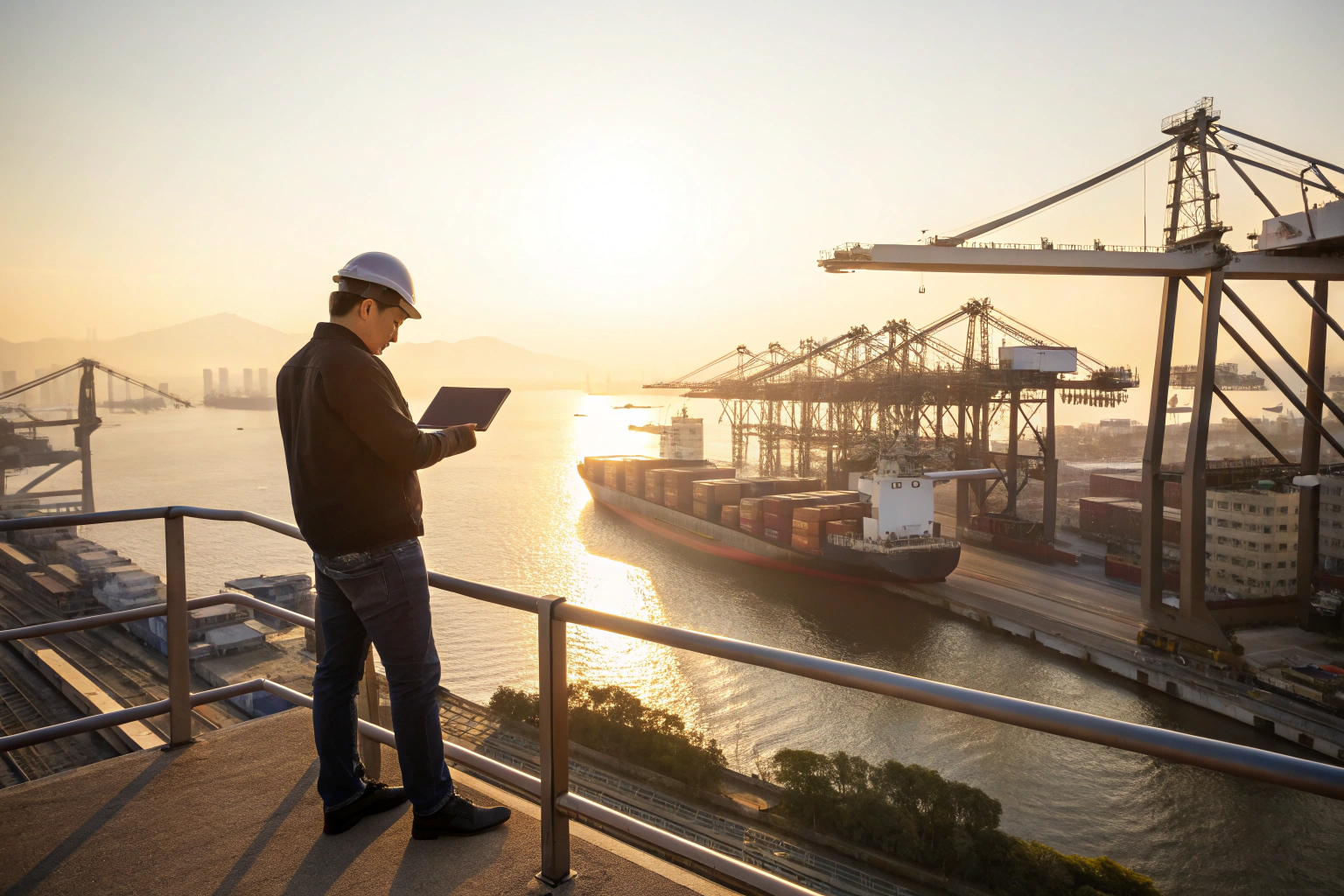
I once missed a fixed sailing by four hours. Four hours. The container of our washed Arabica was already at the Shanghai port, cleared, and ready. But the truck hit a traffic jam outside Ningbo, the cutoff time passed, and the vessel sailed without us. The next available ship was 11 days later. My buyer in Melbourne, who had planned his entire quarterly roast schedule around that arrival date, was not happy. I paid a penalty, absorbed the storage fees, and learned a lesson that reshaped how I approach logistics. Getting the best sailing schedule isn't just about finding the fastest ship. It's about building a system where the ship you book is the ship your coffee actually boards.
Getting the best sailing schedules from China requires a multi-layered approach that combines strategic carrier selection, buffer time built into production timelines, direct relationships with freight forwarders, and a clear understanding of China's major port rotations. The goal is not just a fast transit time on paper. It is a reliable, repeatable schedule that aligns with your inventory needs and consistently delivers your coffee when you expect it.
I've shipped thousands of containers from our base in Baoshan to North America, Europe, and Australia. The port of Shanghai, the narrow mountain roads of Yunnan, the seasonal rush before Chinese New Year—I've navigated all of it. Here is what actually works.
What Are the Major Shipping Routes and Ports for Chinese Coffee Exports?
Before you can lock in a schedule, you need to understand the geography. Not every port in China ships to every destination with the same speed or reliability. Coffee from Yunnan has to travel inland before it even reaches the sea. The choices made at this stage—which port to use, which carrier serves that port—determine the baseline of your shipping timeline. An exporter who doesn't discuss these choices openly is probably making them based on their own convenience, not your delivery window.
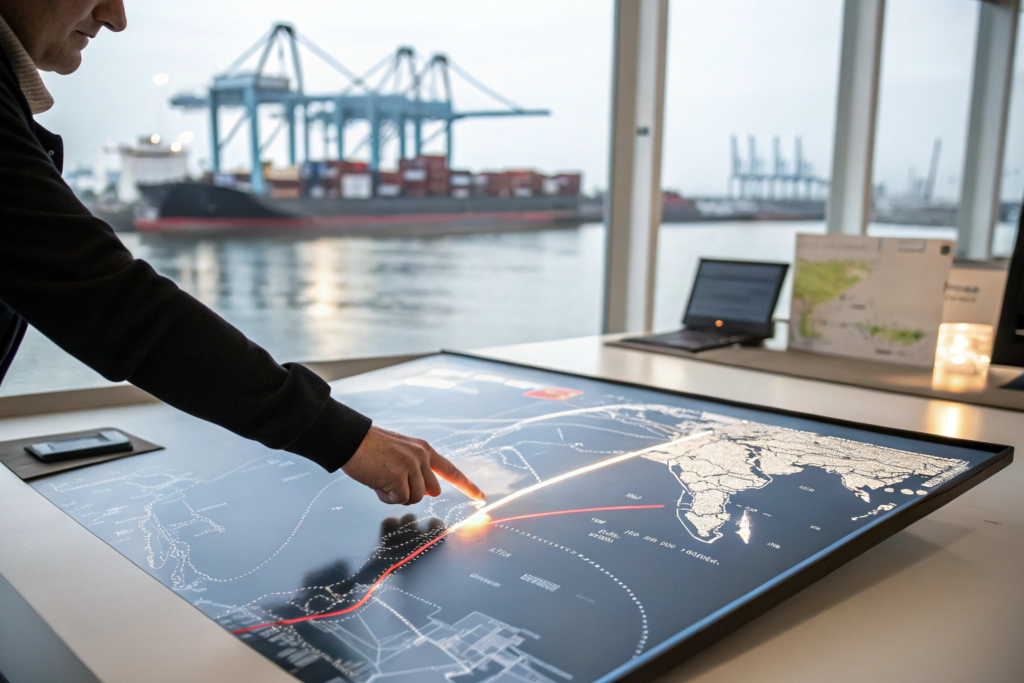
The major shipping routes for Chinese coffee exports flow from the ports of Shanghai, Ningbo, and Shenzhen. For Yunnan-grown coffee, Shanghai and Shenzhen are the most common container loading points. Direct sailings to the US West Coast can take as little as 14 days, while routes to Europe typically require transshipment through Singapore or the Middle East. Understanding these routes, their seasonal variations, and their reliability profiles is the foundation of schedule optimization.
Why Is the Port of Shanghai Critical for Yunnan Coffee?
Shanghai is the world's busiest container port. For coffee grown in Baoshan, it is also the most practical gateway. Our beans travel by truck from the mountains of western Yunnan, across the province, and into the Shanghai container yards. It's a journey of roughly 2,800 kilometers. That's three to four days of driving under good conditions.
Shanghai's dominance matters because it offers frequency. Dozens of carriers call at Shanghai weekly, serving every major US port—Long Beach, Oakland, Newark, Savannah. This high frequency means flexibility. If I miss a cutoff with one carrier, another sailing might be available within three or four days, not two weeks. Frequency is a form of schedule insurance.
The port's infrastructure also matters. Shanghai's container terminals are modern, well-staffed, and accustomed to handling agricultural exports. The customs and phytosanitary inspection processes are streamlined for coffee. Delays at the port itself are less common than at smaller, less experienced ports. When I am shipping a container of specialty Arabica that a buyer needs by a specific date, I pay the slightly higher inland trucking cost to use Shanghai. The frequency and the reliability justify the expense.
How Do Direct vs. Transshipment Routes Impact Your Timeline?
A direct sailing means the vessel leaves Shanghai and arrives at your destination port without unloading and reloading the container at an intermediate hub. A transshipment route means the container is offloaded at a hub port—Singapore, Busan, or a Middle Eastern port—and loaded onto a second vessel for the final leg.
Direct is faster on paper, but not always more reliable. Direct sailings from Shanghai to the US West Coast are common and predictable. I can book a container on a Thursday, it sails on Saturday, and it's in Long Beach 14 to 16 days later. For buyers in California, Oregon, or Washington, this is the gold standard.
For the US East Coast, direct sailings are rarer and more expensive. Many containers transship through the Panama Canal or through a Caribbean hub. For European destinations, transshipment is the norm. A container from Shanghai to Hamburg might stop in Singapore, where it waits three to five days for a connecting vessel. This adds time and introduces a risk point. The container sits on a dock in a tropical climate, which is not ideal for green coffee quality.
I always discuss the route choice with my buyers. If speed is the priority, we find the most direct option, even if the freight cost is higher. If cost is the priority, we evaluate transshipment options and build the extra days into the plan. The key is no surprises. A buyer should know before the container leaves whether it's sailing direct or transshipping, and what that means for their inventory planning.
How Can You Secure Priority Space During Peak Shipping Seasons?
There are times of the year when every exporter in China is fighting for container space. The weeks before Chinese New Year are brutal. The weeks before the Christmas retail season are tight. During these peaks, a sailing schedule on paper means nothing. What matters is whether your container actually gets on the vessel, or gets "rolled" to the next one. Avoiding roll-overs is the central challenge of peak season logistics.
Securing priority space during peak seasons depends on three factors: the strength of your freight forwarder's relationship with the shipping line, the timing of your booking relative to the vessel cutoff, and the flexibility you have built into your production schedule to accommodate early container delivery. Paying a premium for "guaranteed loading" can be a cost-effective insurance policy when a missed sailing would disrupt a buyer's roasting operations.
Why Does Chinese New Year Disrupt Coffee Shipping So Severely?
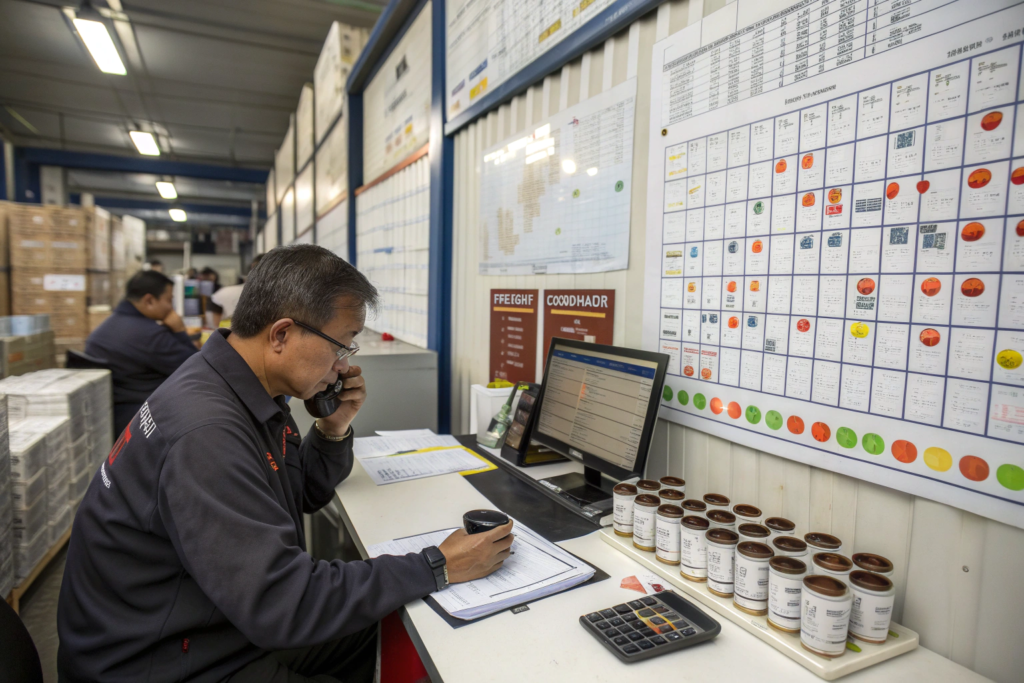
Chinese New Year is not a single day. It's a migration. For two to three weeks, hundreds of millions of people travel home to their families. Factories close. Ports operate with skeleton crews. Truck drivers are scarce. The entire logistics network of China slows to a crawl.
In the weeks before the holiday, there is a massive rush to ship goods before the shutdown. Container space sells out. Rates spike. Cutoff times become ruthless—miss one by an hour and your container sits at the port for the entire holiday. I have seen coffee containers delayed for a full month because they missed the last pre-holiday sailing.
I plan our harvest and processing calendar around Chinese New Year. If the holiday falls in early February, I aim to have all December and January shipments booked and delivered to the port by mid-January at the latest. I communicate these deadlines to buyers clearly. If a buyer wants a February shipment, I manage expectations. The coffee might not move until late February or early March. It's not an excuse. It's a structural reality of exporting from China. A professional exporter builds the CNY calendar into every contract signed in the autumn months.
What Is a "Guaranteed Loading" Option and When Is It Worth It?
Some carriers offer a premium service variously called "guaranteed loading," "priority boarding," or "diamond tier." For an additional fee—often a few hundred dollars per container—the carrier contractually guarantees that your container will not be rolled. If it is rolled, you receive compensation.
For a standard commercial-grade shipment with flexible delivery dates, this premium may not be necessary. For a specialty lot that a roaster needs for a specific seasonal launch, it can be a bargain. I've used guaranteed loading for high-value micro-lots where the buyer's marketing calendar was locked in. A delayed container would have meant empty shelf space and lost revenue. The extra freight cost was trivial compared to the commercial damage of a missed launch.
Ask your exporter whether this option is available on your route. A professional exporter knows the carrier's service tiers and can advise on whether the premium makes sense for your shipment. They don't hide the option to save on their own costs. They present it as a risk management tool, with a clear cost-benefit analysis. That is the kind of transparency that builds long-term logistics trust.
How Do You Build a Reliable Relationship with a Chinese Freight Forwarder?
Behind every reliable sailing schedule is a human relationship. The freight forwarder is the intermediary between the exporter and the shipping line. They book the space, manage the documentation, and solve problems when things go wrong. A good forwarder is worth their weight in green coffee. A bad one costs you time, money, and credibility with your buyers. I have worked with the same forwarding team for over seven years, and that stability is one of BeanofCoffee's most valuable logistics assets.
A reliable relationship with a Chinese freight forwarder is built on volume, loyalty, and clear communication. Forwarders prioritize clients who give them consistent business and predictable booking patterns. They also prioritize clients who provide complete, accurate documentation on time. The relationship should be treated as a strategic partnership, not a transactional vendor arrangement. Regular check-ins, performance reviews, and shared problem-solving deepen the trust that yields priority treatment during tight sailing windows.

Why Does Forwarder Loyalty Outweigh Shopping for the Cheapest Rate?
There is always a cheaper forwarder. Someone who will quote $200 less for the same route. And sometimes, taking that quote is the right decision—for a single, non-critical shipment. But for a buyer who depends on a consistent supply chain, constantly switching forwarders to save a few hundred dollars is a false economy.
A forwarder who knows your business keeps space for you when the market is tight. They pick up the phone at 9 PM when a customs issue arises. They know that your coffee requires careful handling and clean containers, not just any box. They have learned your documentation preferences and catch errors before they cause delays. This institutional knowledge is invisible until you lose it.
I pay slightly above the absolute market bottom for my forwarding, and I consider it an investment. My forwarder knows our annual volume. They know our peak seasons. They proactively alert me when a sailing schedule changes or when port congestion is building. They treat our coffee containers as priority cargo. This trust has saved me more in avoided delays and rolled containers than I could ever save by haggling over rates.
What Communication Rhythms Keep Your Sailing Schedule on Track?
Logistics is not a set-it-and-forget-it function. A sailing schedule is a living document that can change daily. Vessel delays, port congestion, weather events, equipment shortages—these are routine occurrences. The difference between a delayed shipment and a managed delay is communication.
I have a standing weekly call with my forwarding team. Every Monday, we review the status of every active shipment. What has sailed? What is at the port? What is in transit to the port? What is the latest vessel schedule for bookings two weeks out? This rhythm catches small issues before they become big problems.
My buyers are copied on key updates. If a vessel is delayed by two days, the buyer knows within hours, not weeks. They can adjust their roasting schedule. They can inform their own customers. The delay is annoying, but it is manageable. A delay that is communicated late is a crisis. A delay that is communicated early is just logistics.
I recommend that buyers ask their suppliers about their communication protocols. How often will you update me on the shipment status? What is your process if the vessel is delayed? A professional exporter has clear answers to these questions. They have a system, not just good intentions.
What Inland Logistics Factors in China Affect Your Ocean Timeline?
Before a coffee container reaches the ocean, it must first survive the journey from the farm to the port. In Yunnan, that journey is not a simple highway drive. It is a winding route through mountains, often in weather that can change suddenly. Inland logistics is where many optimistic sailing schedules fall apart. An exporter who quotes you a vessel departure date without accounting for the inland leg is setting you up for a disappointment.
The inland logistics chain for Yunnan coffee involves trucking from the mill to a consolidation warehouse, fumigation and phytosanitary inspection, customs export declaration, and final delivery to the port container yard. Each step has a time requirement and potential delay points. Mountain road conditions, seasonal weather, and regional regulations all impact the timeline. A professional exporter builds these inland variables into the overall schedule, ensuring the container arrives at the port well before the vessel cutoff.
How Do Yunnan's Mountain Roads Impact Coffee Delivery Times?
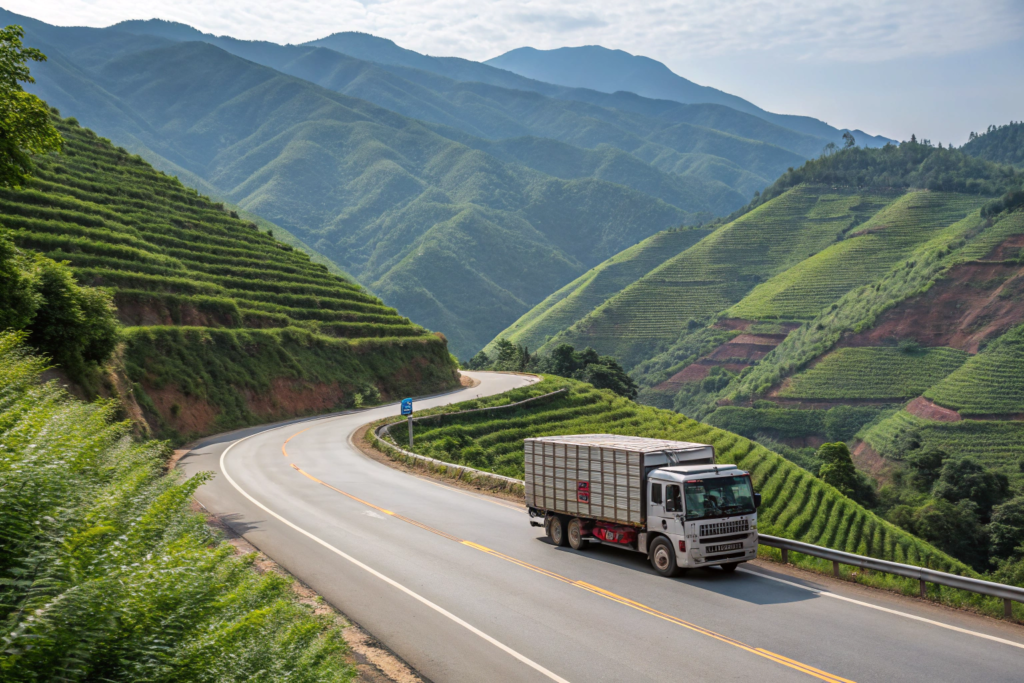
Baoshan sits at about 1,600 meters above sea level. The roads from our farms to the processing mill, and from the mill to the highway, are mountain roads. They are paved and well-maintained, but they are narrow and winding. In the rainy season—roughly June through September—landslides and road closures are not rare events. They are seasonal realities.
A truck that leaves Baoshan for Shanghai needs a clear weather window. If heavy rain is forecast, I may adjust the departure by a day to avoid the risk of a washed-out road. That one-day adjustment at origin prevents a three-day delay later. This kind of local knowledge is something a distant freight forwarder cannot provide. It comes from living here, driving these roads, and understanding the seasonal patterns.
When I give a buyer a shipping schedule, I factor in these inland realities. The three-day buffer I build into the trucking leg is as important as the buffer I build for the port cutoff. A buyer who understands this appreciates the honesty. The schedule I quote is not the fastest possible theoretical timeline. It is the timeline that accounts for the actual roads I have to drive.
What Role Does Pre-Shipment Fumigation Play in the Export Timeline?
Fumigation is required for many destination countries, including the United States and Australia. The process involves sealing the container or treating the beans to eliminate any potential pests. It is not optional, and it takes time. A standard fumigation cycle requires 24 to 48 hours of sealed treatment time.
The timing of fumigation affects the port delivery schedule. If the container arrives at the fumigation facility on a Thursday afternoon, the treatment might not complete until Saturday. The port cutoff might be Friday evening. The container misses the sailing. This is a simple, avoidable error that I have seen new exporters make repeatedly.
I schedule fumigation for early in the week whenever possible. The treatment completes with days to spare before the weekend cutoff. If a container arrives late and the fumigation window is tight, I have a backup fumigator with extended hours. This backup costs more, but it saves a missed sailing. A professional exporter has these contingency plans in place and budgeted. They don't present them to the buyer as a problem to solve. They solve them silently and ensure the container makes the vessel.
Conclusion
Getting the best sailing schedule from China is not about finding a secret carrier or a hidden shortcut. It is about competence, relationships, and a refusal to overpromise. It is about knowing the ports, respecting the seasons, and building a freight forwarding partnership that can withstand the pressure of a peak season rush. It is about accounting for the mountain roads of Yunnan and the fumigation cycle that happens before the container ever sees the ocean.
A reliable sailing schedule is a promise kept. For a coffee buyer, that promise is worth as much as the quality of the beans. A great coffee that arrives late is a problem. A great coffee that arrives exactly when it was supposed to is an asset. At BeanofCoffee, we obsess over the logistics almost as much as the cupping. If you are sourcing from China and want a supplier who treats shipping schedules as sacred commitments, reach out to Cathy Cai at cathy@beanofcoffee.com. She can walk you through our current routes, our seasonal planning, and the specific steps we take to ensure your container sails on time. No magic. Just good systems and honest communication.