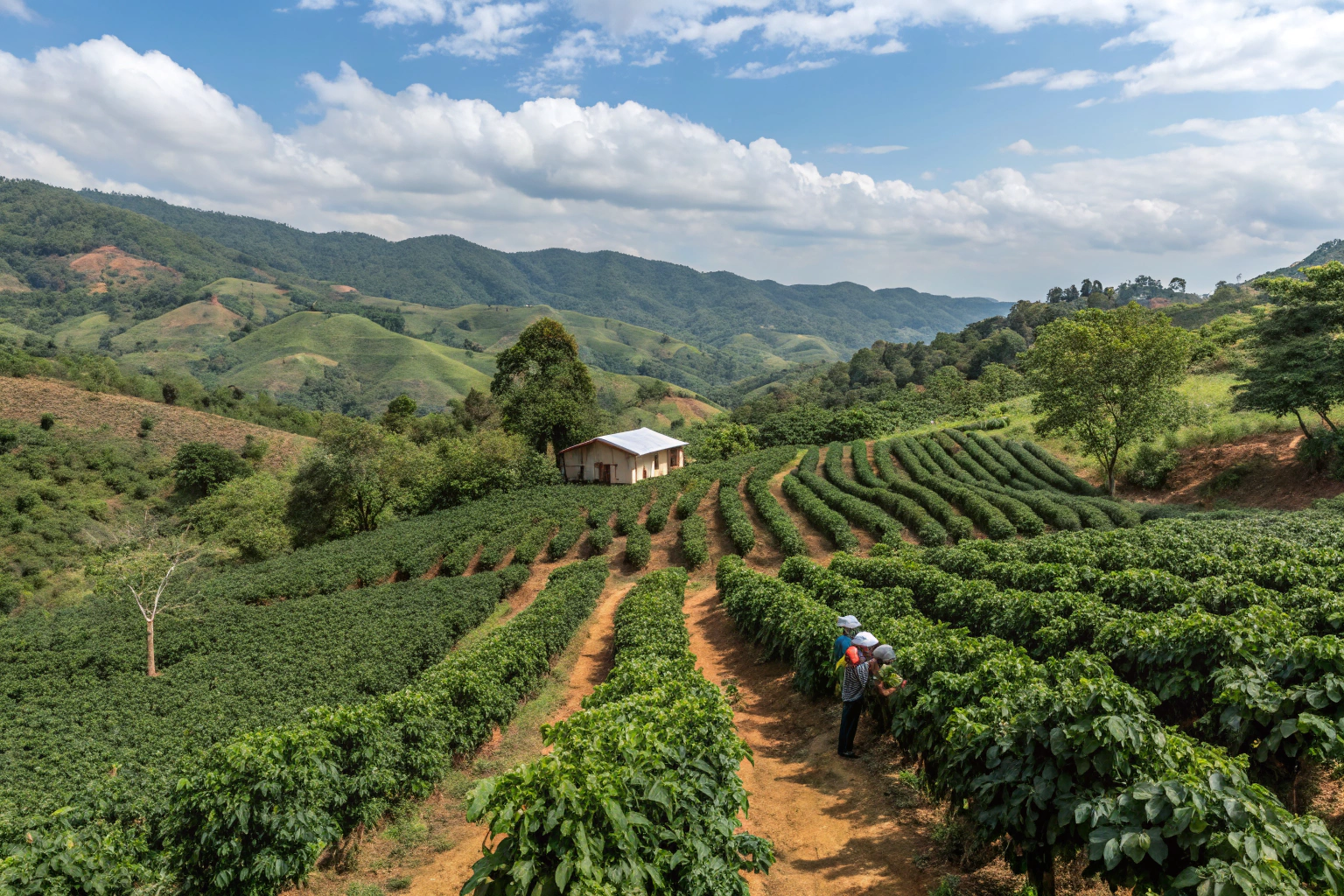
Your sourcing list is a map of the old world. Colombia. Brazil. Ethiopia. Maybe a little Guatemala. This has been the playbook for decades. It is comfortable. It is familiar. But it is also a risk. The old world is facing old problems. Climate change is hammering Brazil. Political instability is shaking Ethiopia. The prices are volatile. The supply is uncertain. You need a new strategy. You need to diversify. But where do you go? The answer, for a growing number of smart roasters, is east. To Asia. To China. To Yunnan. This is not a leap of faith. It is a calculated risk-management decision. I have watched this shift happen from my farm in Baoshan. I am part of the diversification story.
Diversifying away from traditional origins means adding new, stable sources of high-quality coffee to your portfolio. Yunnan, China, offers a unique combination of quality, consistency, and price stability that is rare in the current market. At BeanofCoffee, I provide a dependable, traceable alternative that reduces your dependence on the volatile traditional markets.
You are not abandoning the old world. You are hedging your bets. You are building a more resilient supply chain. Let me show you how.
Why Is Over-Reliance on a Few Origins a Growing Business Risk?
The old world is not as stable as it used to be. Brazil used to be the world's reliable coffee factory. Now it swings between drought and frost. Colombia's harvest is increasingly unpredictable. The C-market, which prices these coffees, is a rollercoaster driven by speculation, not fundamentals. If your entire business depends on these origins, you are exposed to this volatility.
Over-reliance on a few origins exposes you to concentrated risk. A single weather event in Brazil, a single political crisis in Colombia, can disrupt your supply and spike your costs. At BeanofCoffee, I see buyers every day who are looking to reduce this risk. A diverse supply chain is a resilient supply chain.
Diversification is not a luxury. It is a survival strategy in the modern coffee world. It is the difference between riding the storm and being capsized by it.

How Does Climate Change Threaten Traditional Supply Lines?
Climate change is not a future threat. It is a present reality. The coffee belt is shifting. The traditional growing regions are becoming hotter and drier. Brazil's cerrado region, a massive coffee engine, is facing its limits. Central America is battling leaf rust and hurricanes. These are not temporary blips. They are structural changes. The supply from these regions will become less reliable, not more. A roaster who is solely dependent on these regions is building their business on shifting sand. A roaster who diversifies is building on a broader foundation. Yunnan, with its high altitude and its cooling monsoon patterns, is relatively less exposed to these immediate threats. It is a more stable base.
How Do Currency Fluctuations Impact Traditional Origin Prices?
The coffee you buy from Brazil is priced in Brazilian Real. The coffee from Colombia is priced in Colombian Peso. The value of these currencies fluctuates against the US dollar. A strengthening Real makes Brazilian coffee more expensive. A weakening Peso makes Colombian coffee cheaper, but it also signals economic instability. These currency risks are layered on top of the climate risks. It is a complex, unpredictable financial environment. Sourcing from China, where the price can be contracted in a stable framework, removes some of this currency volatility. It is a more predictable cost structure. For a CFO, that predictability is gold.
What Factors Should You Evaluate When Considering a New Origin?
You are not just looking for any new coffee. You are looking for a new origin that is a good fit for your business. You need a framework for evaluation. You cannot just buy a bag of beans and hope. You need to assess the origin across several dimensions.
When evaluating a new origin, you should assess its quality level, its supply stability, its price competitiveness, and its logistical reliability. At BeanofCoffee, I provide my potential clients with the data to make this assessment. I share my cupping scores, my harvest records, my pricing structure, and my shipping history. The evidence is there for you to evaluate.
Diversification is a calculated decision. It is based on data, not on a whim or a compelling story alone.

How to Assess the Quality Ceiling of a New Origin?
Every origin has a quality ceiling. It is the maximum potential quality that the best farms, with the best practices, can achieve in a good year. You need to know what this ceiling is. Can Yunnan produce a 90-point coffee? The answer is yes, in exceptional micro-lots. Can it consistently produce 84 to 86-point coffees? Absolutely. I would argue this is its sweet spot. You should cup a range of samples from the origin. Look at the cupping scores over multiple years. Talk to other roasters who have bought from the origin. The quality ceiling is not a number in a brochure. It is a pattern you observe over time.
How to Evaluate the Logistical Maturity of a New Supply Chain?
A new origin might have great coffee, but if the logistics are a mess, the coffee will be a mess by the time it reaches you. You need to evaluate the export infrastructure. Is there a modern dry mill? Is the bagging and packaging up to international standards? Is there a reliable route to a major port? How long does it take to get from the farm to the vessel? These are the unglamorous questions that determine whether the coffee arrives in good condition. Yunnan has invested heavily in its coffee infrastructure. The Kunming to Shanghai rail line, the modern mills, the experienced export teams, all of this is in place. The logistics are not a problem. They are a strength.
How Can Adding Yunnan Coffee Reduce Your Overall Portfolio Risk?
The core argument for diversification is risk reduction. Adding a new, uncorrelated asset to a portfolio reduces the overall volatility. The same principle applies to coffee sourcing. Yunnan coffee is not perfectly correlated with Brazilian or Colombian coffee. The weather patterns are different. The currency is different. The market dynamics are different.
Adding Yunnan coffee to your portfolio creates a natural hedge. It is a source of supply that is not subject to the same climate, political, and currency risks as your traditional origins. At BeanofCoffee, I offer a stable, reliable supply that can act as an anchor when other origins are in crisis.
When Brazil has a frost, your Yunnan coffee is still on the water, on schedule, at the contracted price. That is the power of diversification. It is peace of mind.
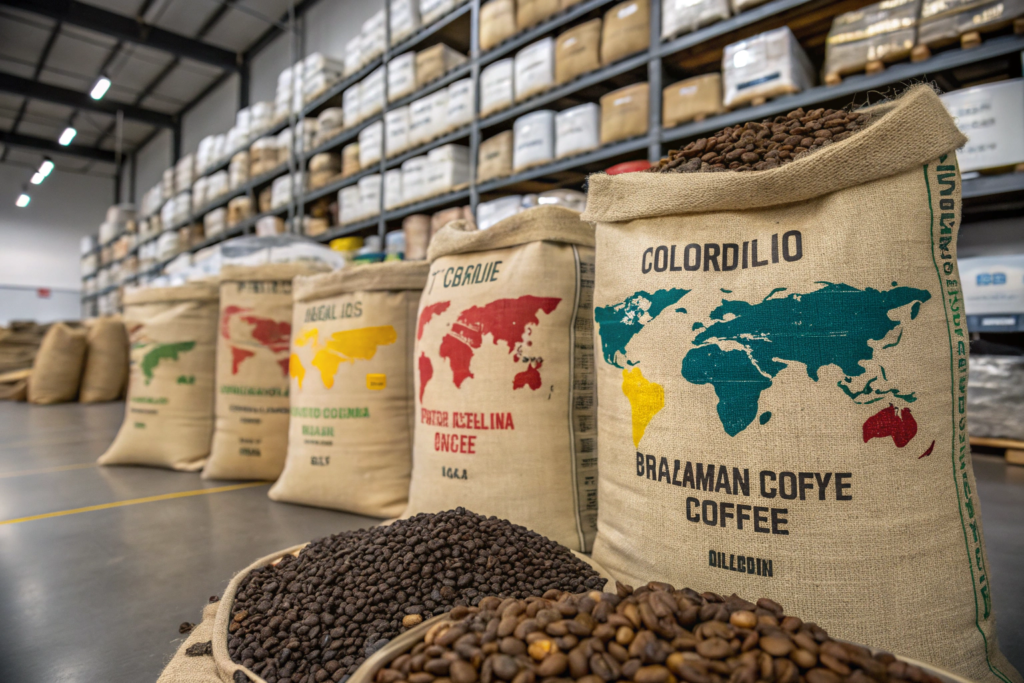
How Does Yunnan's Distinct Climate Offer a Natural Hedge?
Yunnan's climate is driven by the Asian monsoon. It is different from the Atlantic weather systems that dominate Brazil and Colombia. A drought in Brazil does not mean a drought in Yunnan. The risks are not synchronized. This is a natural hedge. It means that when one origin is suffering, the other might be thriving. This is the fundamental logic of diversification. You are not putting all your coffee eggs in one climatic basket. Yunnan's high-altitude, monsoon-fed agriculture is a different bet on the climate. It is a bet that has been paying off.
How Does Contracting in CNY Add a Financial Diversification Layer?
Most of your coffee contracts are likely priced in US dollars, or in the local currencies of the origin countries. When you contract with a Chinese supplier, you can, if you choose, explore pricing in Chinese Yuan, or CNY. This adds a new currency to your financial portfolio. It is a hedge against dollar weakness. If the US dollar declines in value, your dollar-denominated costs from other origins will rise. But your CNY-denominated costs might not. This is a sophisticated financial strategy, but it is available. It is another tool in the diversification toolbox.
How to Structure a Diversification Strategy Without Overwhelming Your Team?
Adding a new origin is a project. It requires time, attention, and resources. It can feel overwhelming, especially for a small team. The key is to start small and scale up. You do not need to replace your entire sourcing book overnight.
The smart way to diversify is to start small. Add a single pallet of Yunnan coffee to your next order. Cup it. Test it in your blends. Get feedback from your customers. At BeanofCoffee, I support small initial orders. I understand that you need to test the waters before committing to a full container.
Diversification is a process, not an event. It is a gradual shift in your sourcing mix.
What Is a Realistic Timeline for Introducing a New Origin?
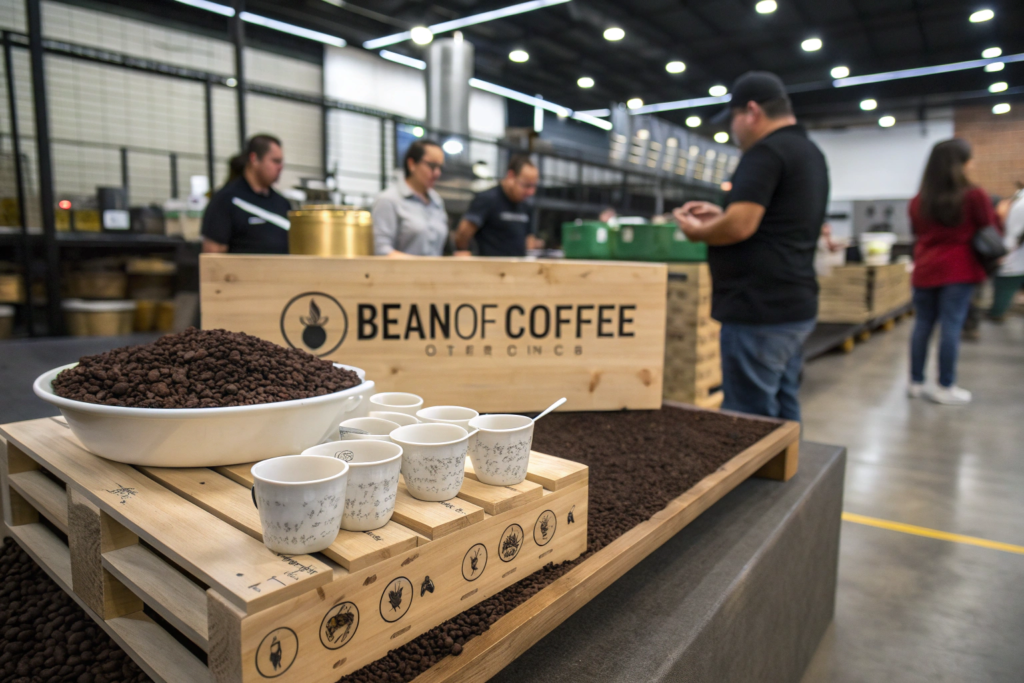
A realistic timeline is three to six months from first sample to first commercial order. The first month is for sampling and cupping. The second month is for testing in small batches and gathering feedback. The third month is for negotiating the contract and arranging the logistics. The coffee then ships and arrives. This is a deliberate, measured process. It is not a rushed decision. It allows you to build confidence at each step. It also allows your supplier to understand your needs. The goal is a long-term relationship, not a one-off transaction. A slow start is the foundation of a strong partnership.
How to Use a "Test Blend" to Introduce Yunnan Without Committing?
A test blend is a low-risk way to introduce a new origin to your customers. You create a limited-edition blend that uses a small percentage of Yunnan coffee, maybe 20% to 30%, mixed with your familiar origins. You release it as a special. You explain the story of the new origin. You invite feedback. This allows your customers to experience the new coffee without you having to commit to a full product line. If the feedback is positive, you can increase the Yunnan percentage or launch a single-origin offering. If the feedback is negative, you have learned something without a major financial loss. The test blend is a market research tool. It is a smart, cautious approach to diversification.
Conclusion
Diversifying away from traditional origins is not about abandoning the past. It is about securing the future. The old world of coffee is becoming less stable. Climate change, currency volatility, and market speculation are creating an uncertain environment. A smart roaster responds by building a more resilient supply chain. This means adding new origins that offer quality, stability, and a different risk profile. Yunnan, China, is exactly such an origin. It is a source of clean, sweet, distinctive coffee that is not correlated with the problems of the Atlantic coffee world. It is a natural hedge, a financial diversification, and a story your customers will want to hear. The strategy is simple. Start small. Test the market. Build a relationship. And then scale up. The future of coffee is diverse. Yunnan is ready to be part of your future.
Take the first step toward a more resilient supply chain. Contact me, Cathy Cai, at cathy@beanofcoffee.com. I will send you a sample pack of our current Yunnan lots, along with detailed information on our harvest cycles, pricing, and shipping. Let's discuss a small test order and build a diversification strategy that protects your business and delights your customers. The new world of coffee is waiting.