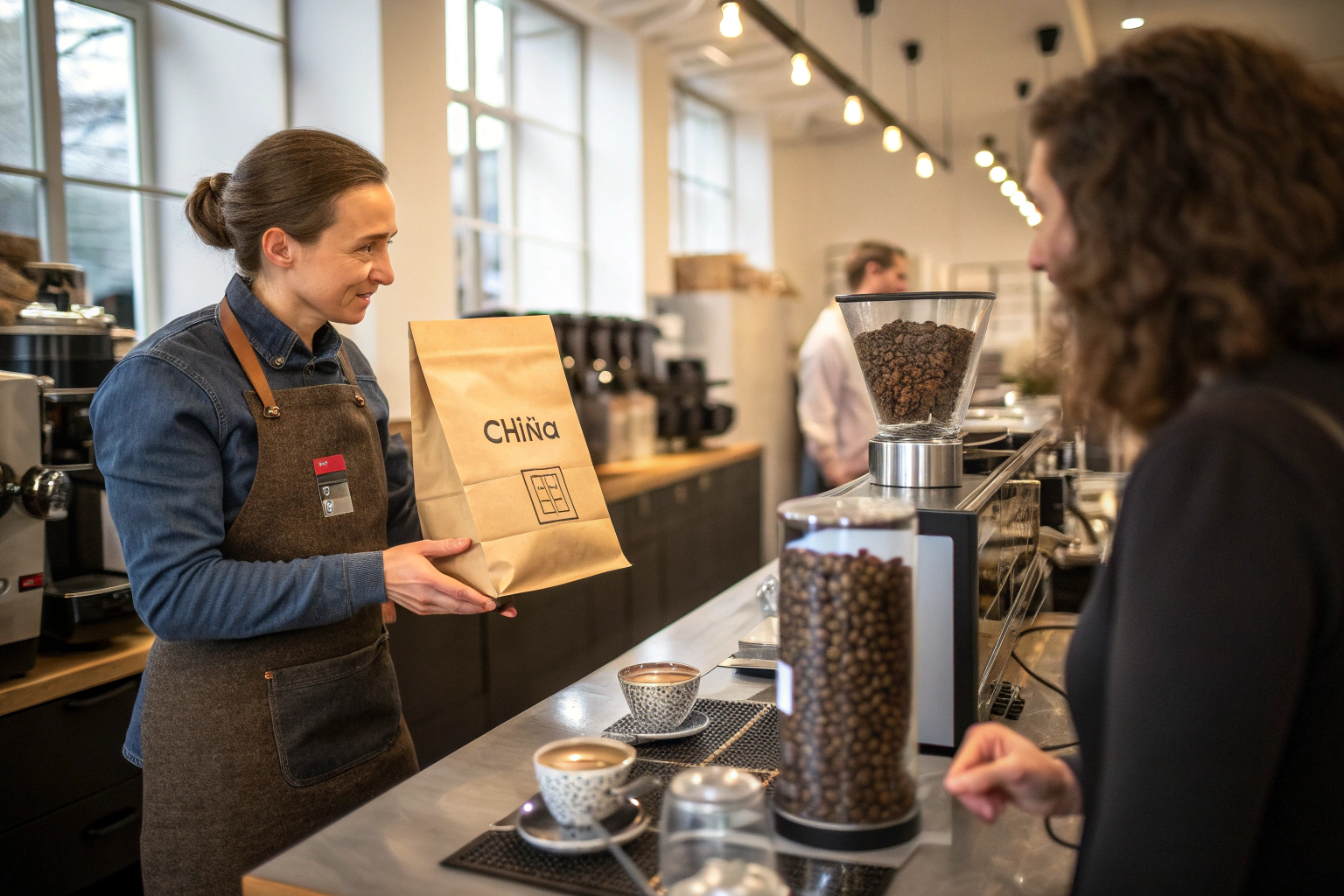
You have the coffee. It is in your roastery. It cups beautifully. Now you face a new challenge. Your customers look at the bag. "China?" they say. "I didn't know China grew coffee." There is a flicker of doubt. Maybe they are thinking of tea. Maybe they are thinking of cheap manufactured goods. The coffee is great, but they are not sure. Your job is not just to sell them a bag of beans. Your job is to educate them. To open their minds. To replace doubt with curiosity. This is a challenge, but it is also an opportunity. You get to be the one who introduces them to a new world of coffee. I have helped many roasters navigate this exact conversation with their customers. I know what works.
Educating your customers about Chinese coffee origin requires a shift in narrative. You are not selling "Chinese coffee" as a novelty. You are selling a specific, high-quality, single-origin coffee from the mountains of Yunnan. At BeanofCoffee, I provide my roaster partners with the story, the data, and the visual assets to make this education easy and effective.
The customer's doubt is not an obstacle. It is an opening. It is a chance to tell a story they have never heard before. Let me show you how to seize that opportunity.
Why Is There Consumer Skepticism About Chinese Coffee?
The skepticism is real. It is based on outdated information and the lingering image of China as a producer of low-cost, low-quality goods. The customer's mental map of the coffee world does not include China. It is a blank space. Their default assumption is that if China grows coffee, it must be inferior.
Consumer skepticism is rooted in a lack of awareness. The story of China's specialty coffee revolution has not yet reached the mainstream. At BeanofCoffee, I understand this skepticism. I do not fight it. I use it as the starting point for a conversation about transformation, quality, and the new reality of Yunnan coffee.
You cannot argue with a blank space. You can only fill it with a compelling story.
How to Reframe the "Factory" Image of China into a "Farm" Image?
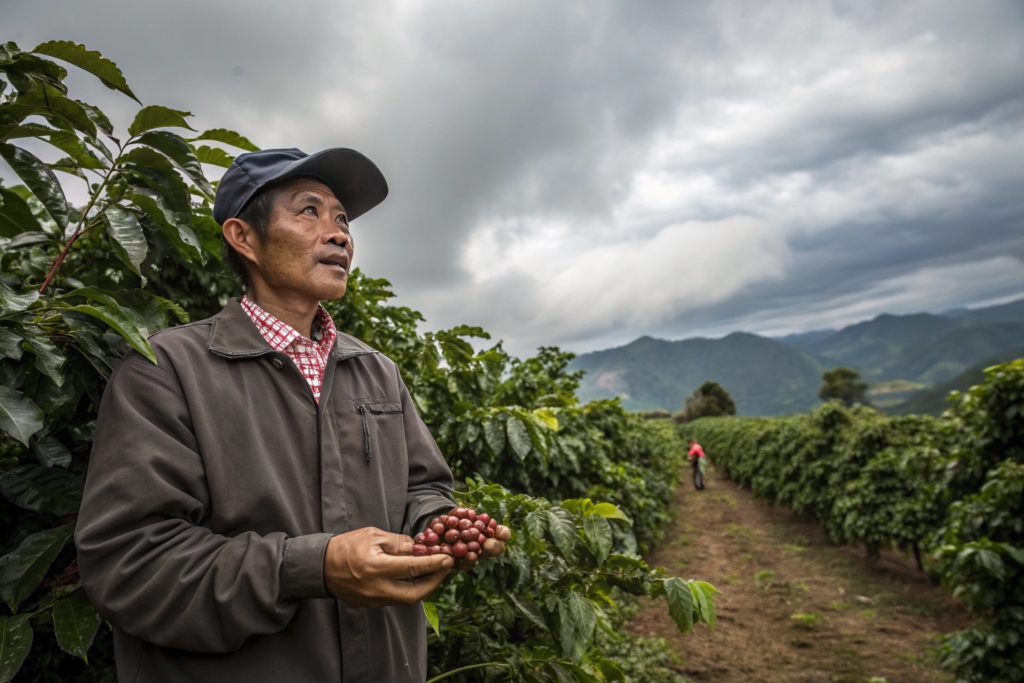
The word "China" in a Western consumer's mind is often associated with factories, not farms. This is a branding challenge. The solution is to show the farm. Show the misty mountains. Show the terraced hillsides. Show the farmer's hands. Use images and video that are unmistakably agricultural. The visual language of the farm is universal. It bypasses the factory association and connects directly to the consumer's appreciation for nature, craft, and honest work. When a customer sees a photo of a coffee cherry being hand-picked on a steep Yunnan slope, the factory image evaporates. The farm image takes its place. We provide these images to our roaster partners. They are the raw material of the reframing.
How to Leverage the "Tea Heritage" to Build Trust in Quality?
The one thing Western consumers do associate with China is tea. They know that China is the birthplace of tea. They respect Chinese tea as a premium product. This is a powerful asset. You can use it to build a bridge. "This coffee comes from the same mountains that produce some of the world's finest teas." This statement immediately transfers the positive associations of tea to the coffee. The consumer thinks, "If they can grow great tea, maybe they can grow great coffee." It is a simple, logical leap. The black tea finish in our Baoshan coffee reinforces this connection. The flavor validates the story. The tea heritage is not a marketing gimmick. It is a fundamental truth of the terroir. Use it.
How to Create Tasting Experiences That Overcome Bias?
Words are not enough. The customer can read your story and nod along, but the doubt will linger until they taste the coffee. The most powerful education tool is the cup itself. A well-designed tasting experience can shatter prejudice in a single sip.
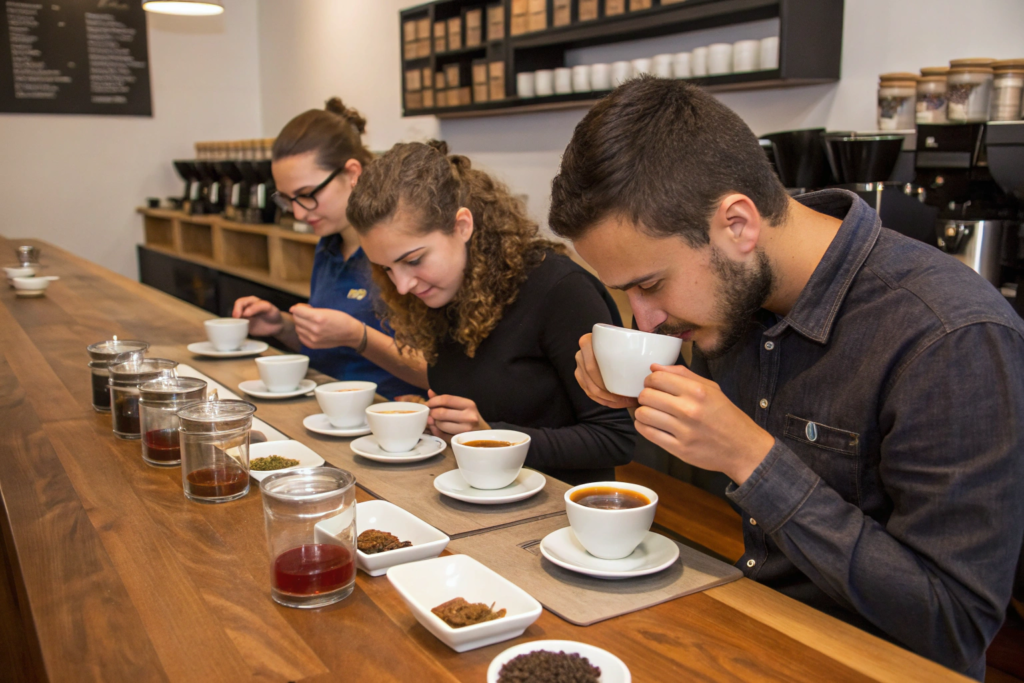
A guided tasting is the most effective way to overcome bias. Let the customer taste the quality before you tell them the origin. At BeanofCoffee, my lots are selected for their clean, sweet, and distinctive profiles. The coffee speaks for itself. A blind tasting is a revelation.
The taste is the truth. It is the ultimate argument.
How to Conduct a Blind Tasting That Reveals the Quality of Yunnan?
Do not tell the customer what they are drinking. Brew a Yunnan coffee alongside a familiar origin, like a Colombian. Invite them to taste both. Ask them which they prefer. Ask them to describe the flavors. Often, the Yunnan coffee will be chosen, or at least highly rated, on its own merits. Then, reveal the origins. The surprise on the customer's face is the moment of conversion. Their bias is broken. They have judged the coffee by its flavor, not its label. This is a powerful experience. It creates a customer who is not just a one-time buyer, but an advocate. They will tell their friends, "I tasted this coffee blind, and I chose it, and it turned out to be from China." The story is irresistible.
How to Use Flavor Notes Like "Black Tea" to Anchor the Experience?
The flavor notes are your guide. When the customer is cupping the Yunnan coffee, point out the black tea finish. "Do you taste that? That slightly dry, refreshing aftertaste? That's the tea heritage of Yunnan coming through." This act of naming the flavor helps the customer identify it. It anchors the sensory experience to the story. The flavor note becomes a memory hook. The next time they taste a black tea note in a coffee, they will think of Yunnan. They will think of your brand. The flavor notes are not just descriptions. They are educational tools. They teach the customer's palate.
What Role Does the Barista Play in Educating the Consumer?
The barista is the front line of coffee education. They are the human face of your brand. They interact with the customer every day. They have the power to shape perceptions, one conversation at a time. Your baristas are your most valuable educators.
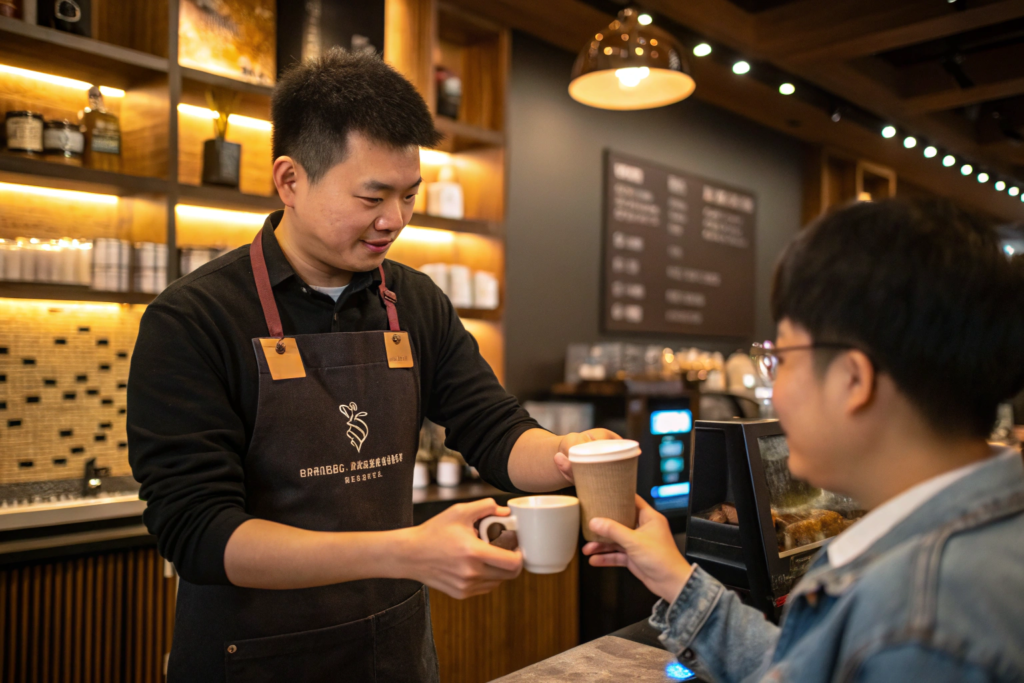
The barista is the storyteller. They are the ones who hand the customer the cup and say, "This is from a farm in Baoshan, China. Wait until you taste the apple note." At BeanofCoffee, I provide training materials for baristas. A knowledgeable barista transforms a transaction into an experience.
You must invest in your baristas' knowledge. They are your sales force.
How to Train Staff to Answer Questions About Chinese Coffee?
Your staff needs to be ready for the questions. "Is this coffee safe?" "Is it organic?" "Why is it more expensive than other Chinese coffee?" They need to have confident, honest answers. The training starts with the basics. They need to know the geography of Yunnan. They need to know the story of the farm. They need to know the processing method. They need to know the flavor profile. We provide a one-page "fact sheet" for each lot. It contains the essential information. We also offer video call training sessions for staff. A well-trained barista is not afraid of questions. They welcome them. They see them as opportunities to educate.
How to Equip Baristas with a Simple, Repeating Story Script?
A story script is a simple framework for the conversation. It is not a rigid script to be recited. It is a guide. The barista can use it to structure their explanation. A simple script might be: "This coffee is from Yunnan, in southern China. It is grown at high altitude, in the mountains where they also grow tea. That is why it has a really interesting black tea finish. It's a washed coffee, so it's very clean and sweet. I think you'll really like it." This is short, conversational, and packed with key information. It answers the unspoken questions. It provides the customer with a narrative. Repeating this script, barista after barista, customer after customer, builds a consistent brand message.
How to Use Packaging Design to Tell the Yunnan Story Authentically?
The packaging is the final, permanent touchpoint. It is the story the customer carries home. It is the message on their shelf. A well-designed bag is a silent educator. It tells the story every time the customer looks at it.
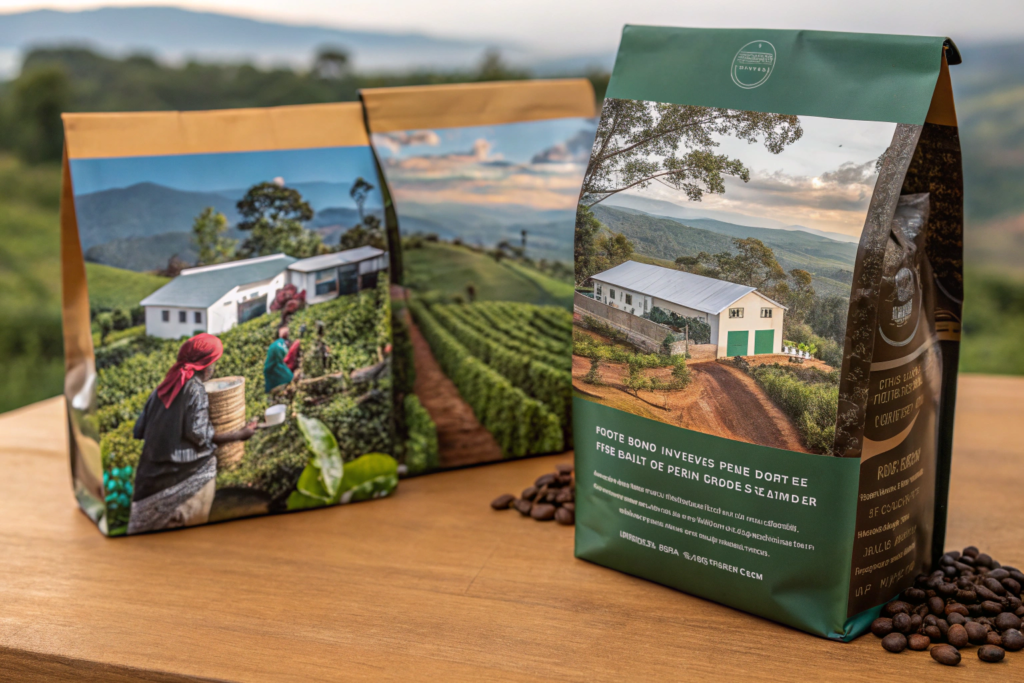
Packaging design is a storytelling medium. It should reflect the origin, not just with words, but with images, colors, and textures. At BeanofCoffee, I provide my roaster partners with high-resolution images of our farm, our processing, and our people. These images, used on the packaging, create an authentic visual connection to the origin.
The bag is not just a container. It is a window into the place where the coffee was grown.
What Visual Elements Signal "Premium Origin" and Not "Commodity"?
The wrong packaging can ruin the story. A generic brown bag with a simple "China" label screams commodity. The right packaging signals premium. Think of the visual language of fine tea. Clean lines. Elegant typography. A sense of place. A map of Yunnan. A photo of the misty mountains. A subtle tea leaf motif. The colors should be natural, earthy, and sophisticated. The overall impression should be one of quality and care. This is not the packaging of a cheap product. It is the packaging of a discovery. It is an invitation to explore.
How to Integrate a QR Code That Links to a Farm Video?
The QR code is a bridge to the digital world. It turns a static package into an interactive experience. The customer scans the code with their phone. They are taken to a short video. The video shows the farm. It shows the farmer. It shows the journey of the coffee from cherry to cup. This is a powerful moment. The customer is holding the product in their hand, and they are seeing the place it came from. The connection is immediate and emotional. We provide these videos for our roaster partners. The QR code is a simple, effective tool for deepening the customer's engagement. It turns a one-time buyer into a connected, loyal customer.
Conclusion
Educating your customers about Chinese coffee is not a burden. It is a privilege. You are the one who gets to introduce them to a new origin, a new story, a new flavor. The skepticism they feel is not a wall. It is a door. You open it with a compelling narrative, a guided tasting, a knowledgeable barista, and a beautifully designed package. The coffee itself is the ultimate teacher. Its quality is undeniable. Your role is to remove the obstacles of bias and ignorance, and let the coffee do its magic. The customer who came in with doubt will leave with a story to tell. And that story will carry your brand to new customers. This is the power of education. It is the engine of growth.
Start telling the story. Contact me, Cathy Cai, at cathy@beanofcoffee.com. I will send you the full education package: the farm story, the flavor notes, the barista training script, and the visual assets for your packaging and social media. Together, we can turn your customers' doubt into their favorite coffee discovery.