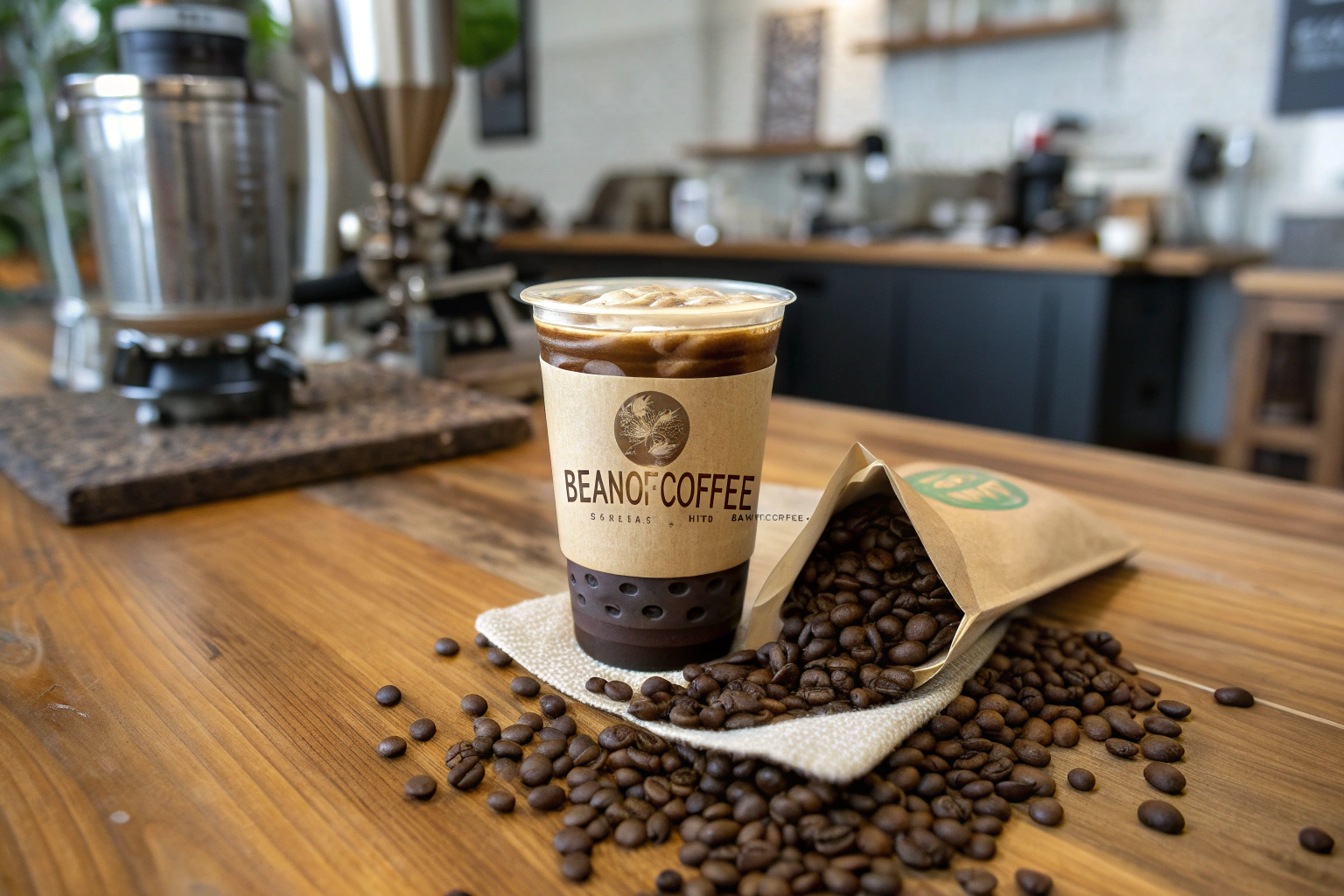
You taste a blend from a famous roaster. It is complex, balanced, delicious. You try to deconstruct it. The label says "Colombia and Brazil." But there is something else in there. A brightness. A tea-like note. A sweetness that doesn't quite fit the usual suspects. You cannot name it. That unnamed component is often Yunnan coffee. Specifically, coffee from Baoshan. I know this because I grow it. I sell it to roasters who use it as their "secret ingredient." They do not always put it on the label. But it is in the cup, doing the quiet work of elevating the blend.
Baoshan coffee is a secret ingredient in many blends because it offers a unique combination of malic acidity, brown sugar sweetness, and a distinct black tea finish. This flavor profile acts as a bridge in a blend, connecting the heavy body of a Brazilian with the bright fruit of an Ethiopian. At BeanofCoffee, my export lots are designed for this exact purpose. They are the invisible enhancer in countless award-winning blends.
The secret is not a secret to the roasters who use it. They know exactly what they are buying. Let me explain why Baoshan coffee is such a powerful tool in the art of blending.
How Does the Yunnan Flavor Profile Act as a "Bridge" in Blends?
A blend is not just a mix of beans. It is a construction of flavors. You need a base, a body, and a top note. The base provides the foundation. The body provides the weight. The top note provides the sparkle. Baoshan coffee, with its unique profile, can play all three roles, but its superpower is as a bridge.
The "bridge" function is the ability to connect two contrasting flavor profiles. A bright, acidic Kenyan and a heavy, chocolatey Brazilian might clash on their own. A Yunnan coffee, with its balanced acidity and sweet, tea-like finish, sits perfectly in the middle, harmonizing the two extremes. At BeanofCoffee, my washed Arabica is this bridge. It is the glue that holds a complex blend together.
Think of it as the mediator in a flavor negotiation. It finds the common ground between opposing parties.
What Flavor Notes Allow Baoshan Coffee to Blend So Seamlessly?
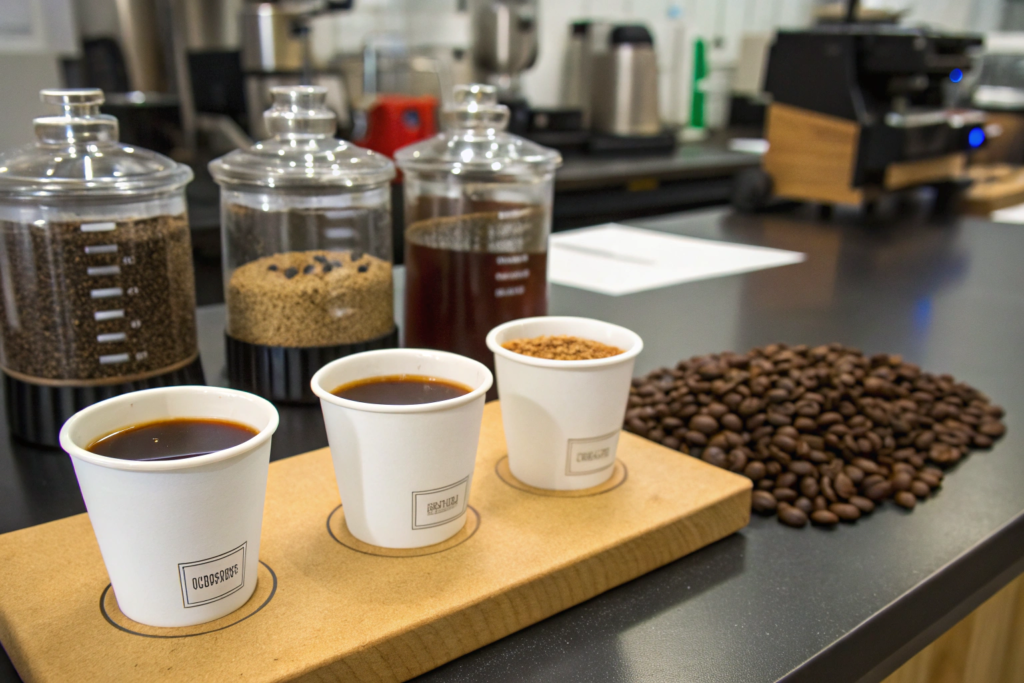
The magic is in the specific flavor notes. The malic acidity is crisp, like a green apple. It adds brightness, but it is not as sharp or aggressive as a citric acidity from a Kenyan. It is a gentle, pleasant tartness. The brown sugar sweetness is rich and comforting. It fills the middle of the cup. It smooths out the rough edges of a bitter base. The black tea finish is distinctive. It adds a layer of complexity and a clean, slightly astringent aftertaste that is incredibly refreshing. These three notes, acidity, sweetness, and tea finish, are the perfect neutral ground. They do not dominate. They complement. They allow the other components of the blend to shine while adding their own subtle contribution. This is why roasters reach for Yunnan when they need a blend component that will improve the whole without shouting for attention.
How Does a "Secret Ingredient" Improve a Signature Espresso Blend?
An espresso blend is a high-stakes game. The pressure of the machine amplifies every flavor, both good and bad. A blend that is too acidic becomes sour. A blend that is too bitter becomes harsh. The secret ingredient in many espresso blends is a coffee that adds sweetness and body without adding harshness. Baoshan washed Arabica does exactly this. Its brown sugar sweetness rounds out the sharp edges of the espresso. Its tea finish keeps the aftertaste clean, not bitter. The result is a shot of espresso that is balanced, sweet, and lingering. It is the difference between a good espresso and a great one. A small percentage of Yunnan in the blend, often 10% to 20%, is enough to transform the cup. The customers taste the difference, even if they cannot name it.
Why Do European Roasters Choose Baoshan for Their House Blends?
The European palate is refined. European roasters are masters of the blend. Their house blends are their signature, the coffee they serve every day, the coffee that defines their brand. They are extremely careful about what goes into it. More and more, the answer is Baoshan.
European roasters choose Baoshan for their house blends because of its consistency, its clean cup, and its competitive price point. At BeanofCoffee, my washed Arabica is a reliable, high-quality component that European roasters can count on, shipment after shipment. It delivers the specialty quality their customers expect at a cost that makes economic sense for a high-volume blend.
The house blend is the workhorse. It needs to be good, and it needs to be profitable. Baoshan delivers both.
How Does the Clean Cup Profile Meet Strict European Standards?
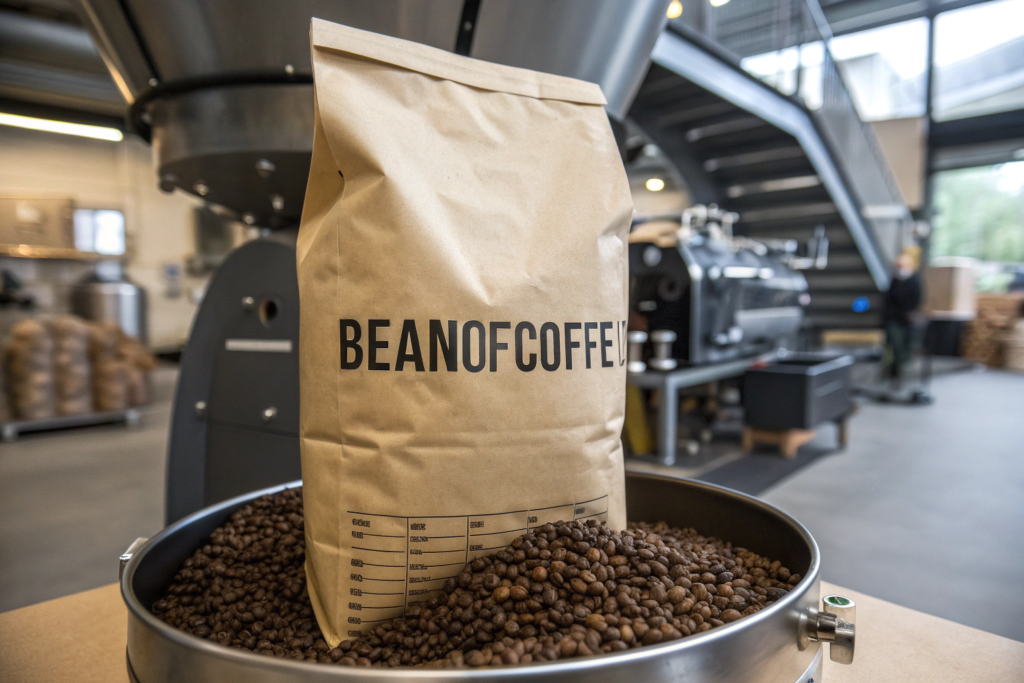
European consumers are very sensitive to off-flavors. A hint of ferment, a touch of mold, a whisper of potato, these are unacceptable. The European specialty market demands a clean cup above all else. Our washed Yunnan coffee is meticulously processed. The fermentation is controlled. The drying is precise. The sorting is rigorous. The result is a cup that is clean, transparent, and free of defects. This is not an accident. It is the result of years of investment in processing technology and quality control. The European roasters who buy from me know this. They cup our lots against their strict standards, and we pass. The clean cup is the foundation of trust.
How Does the Price Point of Baoshan Coffee Support a House Blend Margin?
A house blend is sold at a lower price point than a single-origin micro-lot. The roaster's margin depends on keeping the green coffee cost in check. Baoshan washed Arabica offers a compelling value proposition. It is a specialty-grade coffee, cupping at 83 to 85 points, at a price that is often more competitive than comparable quality coffees from Central America or Africa. This allows the European roaster to create a house blend that is both high-quality and profitable. The economics work. The quality is not compromised. This is a rare combination. It is one of the main reasons why Yunnan coffee is gaining ground so rapidly in the European market.
How to Position a Yunnan Blend for the North American Market?
The North American consumer is different from the European. They are often more focused on a bold, sweet, approachable cup. They are also increasingly interested in origin stories and transparency. A Yunnan blend can be positioned to win in this market.
The North American market responds to a story of discovery and underdog quality. At BeanofCoffee, my coffee offers a narrative of a new origin, a transforming industry, and a direct trade connection. This story, combined with a sweet, crowd-pleasing flavor profile, is a winning formula for the North American specialty market.
You are selling more than coffee. You are selling a narrative. The American consumer loves a good narrative.
What Story Should You Tell on the Packaging of a Yunnan Blend?
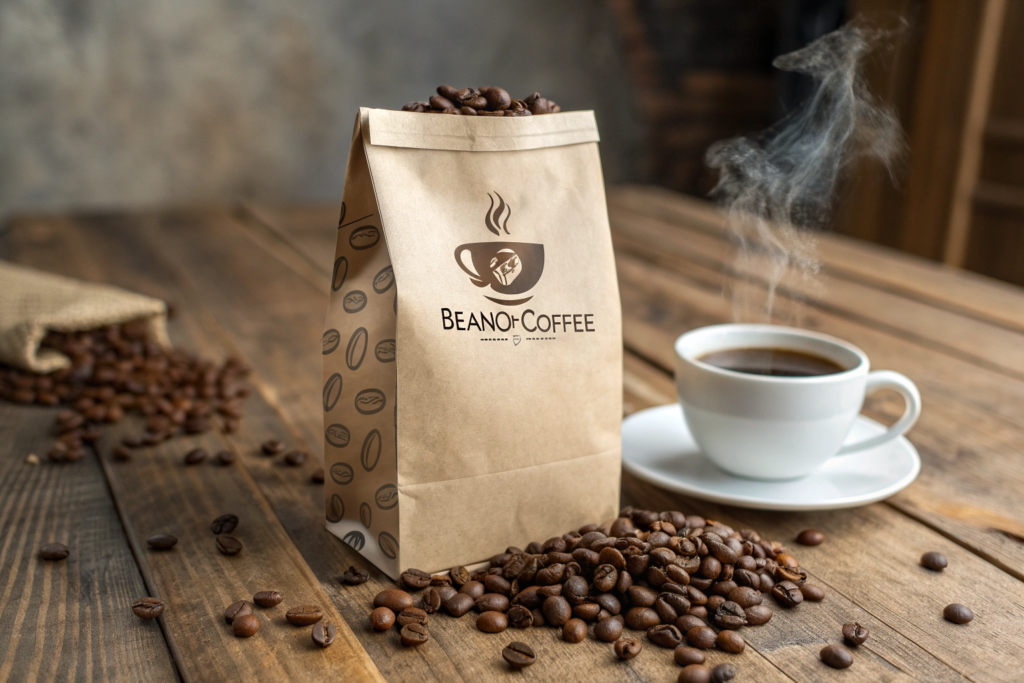
The packaging should tell the story of Yunnan. Mention the high-altitude mountains of Baoshan. Mention the tea heritage. Mention the direct trade relationship with the farm. Use photos of the landscape, the cherries, the people. The story is one of quality and authenticity. It is a story of a place that is new to coffee but has ancient agricultural wisdom. It is a story of a partnership between a roaster and a farmer, not a faceless commodity chain. This transparency resonates with the modern American consumer. They want to know where their food comes from. They want to feel a connection. A Yunnan blend with a transparent story gives them that connection. It makes the coffee taste better.
How Does a "Limited Edition" Yunnan Blend Create Buzz?
Novelty creates buzz. A limited edition is a powerful marketing tool. You can release a Yunnan blend as a seasonal special. "This Winter's Reserve: Baoshan Mountain Blend." The scarcity creates urgency. The unique story creates conversation. Your customers will be curious. They will try it. They will talk about it. This is a way to introduce Yunnan coffee to your customer base without committing to a permanent product. If it is a hit, you can make it a permanent offering. If it is not, you have learned something about your market. The limited edition is a low-risk, high-reward strategy for testing the waters.
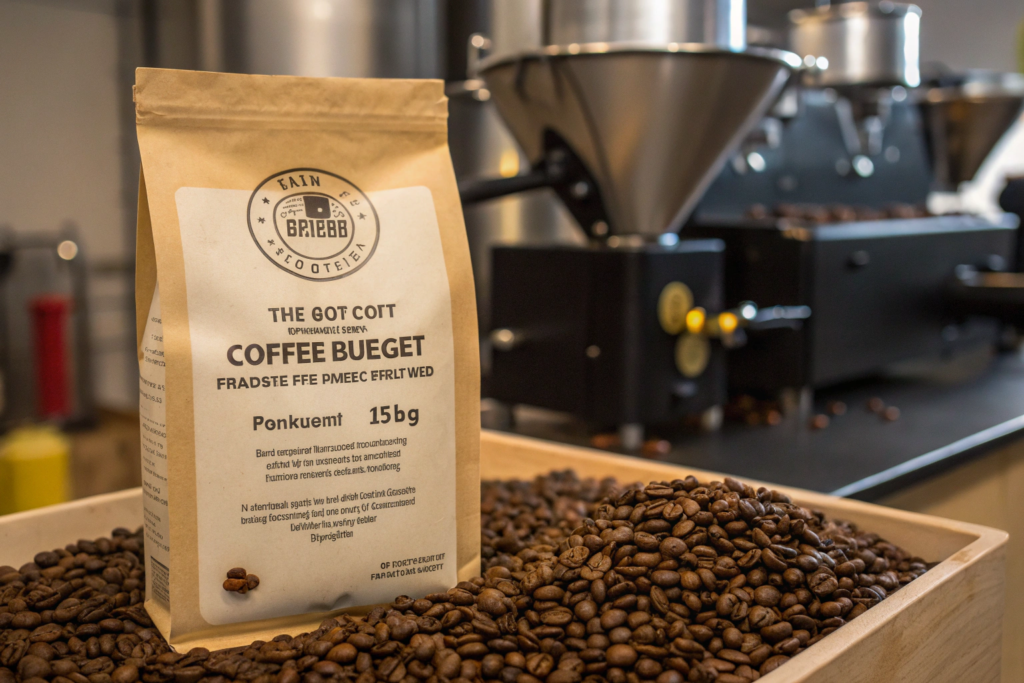
How Can You Use a Baoshan Component to Stretch Your Coffee Budget?
This is the pragmatic argument. Coffee prices are volatile. Your budget is tight. You need to find ways to maintain quality while controlling costs. A high-quality Yunnan component can be a powerful tool for cost management.
A Baoshan component can stretch your coffee budget by replacing a more expensive origin in your blend without sacrificing quality. At BeanofCoffee, my washed Arabica offers the quality of a specialty coffee at a price that allows you to maintain your margin. It is the smart, value-conscious choice for a roaster on a budget.
You do not have to compromise on quality. You just have to be smart about your sourcing.
What Is the Cost Advantage of Yunnan Arabica Versus Other Origins?
The cost advantage is real. Yunnan Arabica, at a comparable quality score, is often priced 10% to 20% lower than a similar coffee from Colombia or Guatemala. This is due to a combination of factors. The cost of labor in Yunnan is lower than in many other coffee regions. The infrastructure is improving, reducing transportation costs. The Chinese government provides subsidies that support the industry. This cost advantage is not a sign of lower quality. It is a sign of a competitive, efficient origin. For a roaster, this means you can buy a better coffee for the same budget, or the same quality for a lower cost. It is a simple financial calculation.
How to Blend a Percentage of Baoshan Without Losing Flavor Complexity?
The key is to test. Start with a small percentage, maybe 15% to 20%. Cup the blend against your current recipe. You will likely find that the Yunnan component adds a subtle brightness and sweetness that was missing. You can then gradually increase the percentage. The flavor complexity is not lost. It is enhanced. The Yunnan component fills in the gaps. It adds a layer of depth. The goal is not to replace your current ingredients entirely. It is to use Yunnan as a strategic enhancer. It is the secret ingredient that makes your good blend a great blend.
Conclusion
Baoshan coffee is the quiet workhorse of the specialty coffee world. It is not always on the label, but it is often in the cup. Its unique flavor profile, with its malic acidity, brown sugar sweetness, and black tea finish, is the perfect bridge in a complex blend. It harmonizes contrasting origins. It elevates a simple espresso. It provides a clean, consistent base for a European house blend. It offers a compelling story for the North American market. And it does all of this at a price point that makes economic sense for a roaster on a budget. This is why smart roasters around the world are turning to Yunnan. It is the secret ingredient they have been waiting for.
Uncover the secret. Contact me, Cathy Cai, at cathy@beanofcoffee.com. I will send you a sample of our washed Baoshan Arabica, specifically selected for blending. I will share blending suggestions and flavor profiles that have worked for my other clients. Try it in your next blend. You might just find that the missing piece of your puzzle has been growing on a mountainside in Yunnan all along.