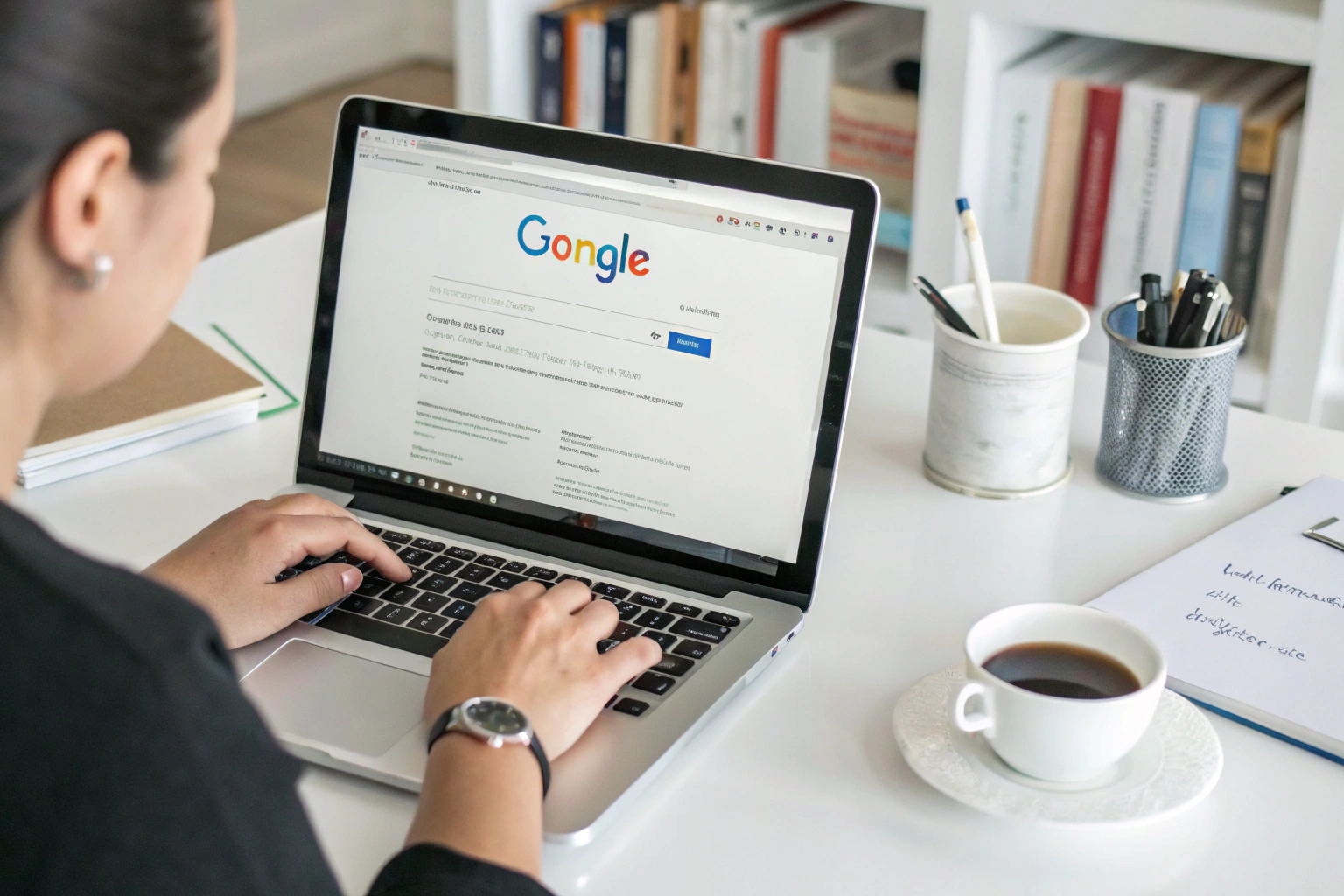
You have a list of potential suppliers. Maybe you found them on Alibaba. Maybe a friend gave you a name. Maybe you saw a website like mine, beanofcoffee.com, and thought, "This looks interesting." Now you need to dig deeper. You need to know if this company is real, if it is reputable, and if it is the right partner for your business. The good news is that the information is out there. The bad news is that it is scattered across the vast ocean of the internet. You need a system. You need to know how to search effectively. I am going to teach you the methods I would use, if I were a buyer, to research a coffee supplier on Google. I am a farmer in Baoshan, not a search engine expert, but I know what a good supplier looks like, and I know how to find the evidence.
Researching potential coffee partners on Google requires moving beyond the first page of results. You must look for third-party validation, industry mentions, and digital footprints that confirm the supplier's legitimacy. At BeanofCoffee, I welcome this kind of scrutiny. A transparent company has nothing to hide from a determined researcher.
The internet is a tool. Use it like a professional. Let me show you how to build a complete picture of a supplier before you ever send an email.
What Search Queries Reveal a Coffee Exporter's True Track Record?
The way you phrase your search matters. Searching for "coffee exporter China" is a starting point, but it will only show you the companies with the best marketing teams. You need to go deeper. You need to search for the specific company name, combined with keywords that reveal their history and reputation.
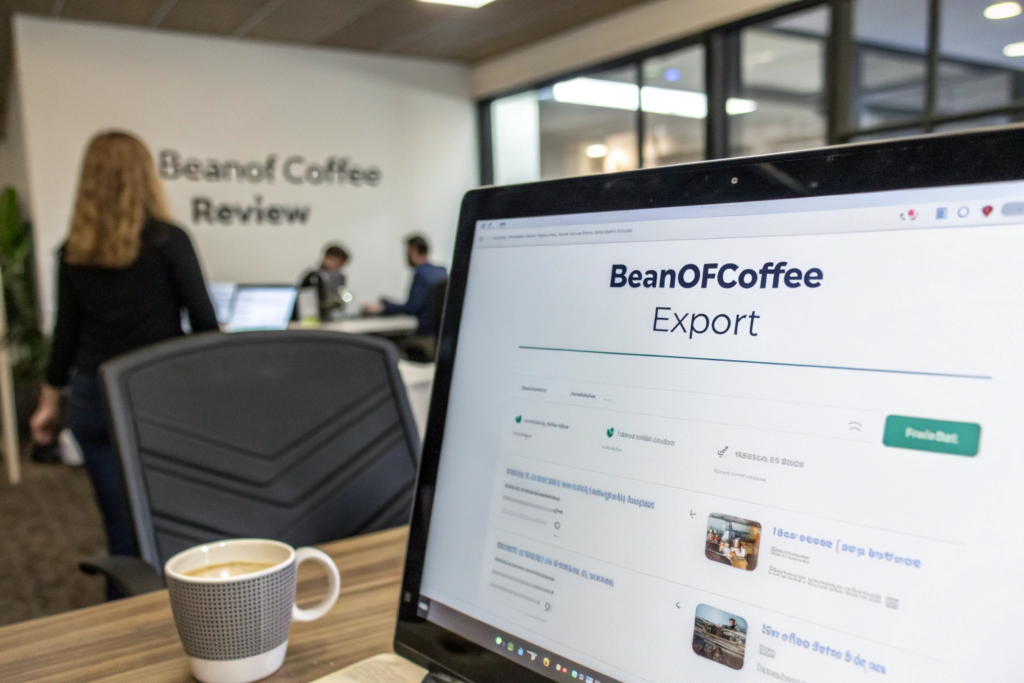
Effective search queries combine the company name with terms like "review," "complaint," "lawsuit," "partnership," and "export data." At BeanofCoffee, a search for "BeanofCoffee review" or "BeanofCoffee export" will surface our digital trail, including industry mentions and client testimonials. This is the evidence you are looking for.
Do not just search the company name. Search the company name plus the red flag terms. You will be surprised what you find.
How to Use "Review" and "Complaint" Queries to Find Red Flags?
Type the supplier's name into Google, followed by the word "review." Look at the results. Are there positive reviews from past clients? Are there negative reviews? Are there any reviews at all? A company with a long history and no reviews is a question mark. It might be a small operation, or it might be deliberately hiding its track record. Then search the name plus "complaint." This is a direct search for problems. A lawsuit, a dispute, a regulatory action, these will often surface with this query. Also search for the name plus "scam" or "fraud." Be careful here. A single angry customer does not prove a scam. But a pattern of complaints is a serious warning sign. Read the complaints. Are they credible? Do they relate to the specific product you are buying? Use your judgment. The goal is to find a pattern, not to cherry-pick a single data point.
How to Use "Export Data" and "Trade" Queries to Verify Volume?
A supplier might claim to export fifty containers a month. How do you verify this? There are trade data platforms that track import and export records. Some of these are paid, but some offer free teasers. Search for the supplier's name plus "export data" or "trade records." You might find entries on sites like ImportGenius, Panjiva, or Volza. These platforms aggregate customs data. They can show you the supplier's shipment history, the destinations, and sometimes the volumes. This is powerful information. It transforms a vague claim into a verifiable fact. If a supplier says they ship to Europe, but the trade data only shows shipments to Southeast Asia, that is a discrepancy. Ask about it. A legitimate exporter will have a consistent, visible trade history.
How to Use Google Maps and Satellite View to Verify a Farm's Existence?
This is my favorite research tool, and I wish more buyers used it. You have a supplier's name and a claimed location. Google Maps can show you the reality on the ground. It can confirm that the farm exists, that it is the right size, and that it looks like a coffee farm.
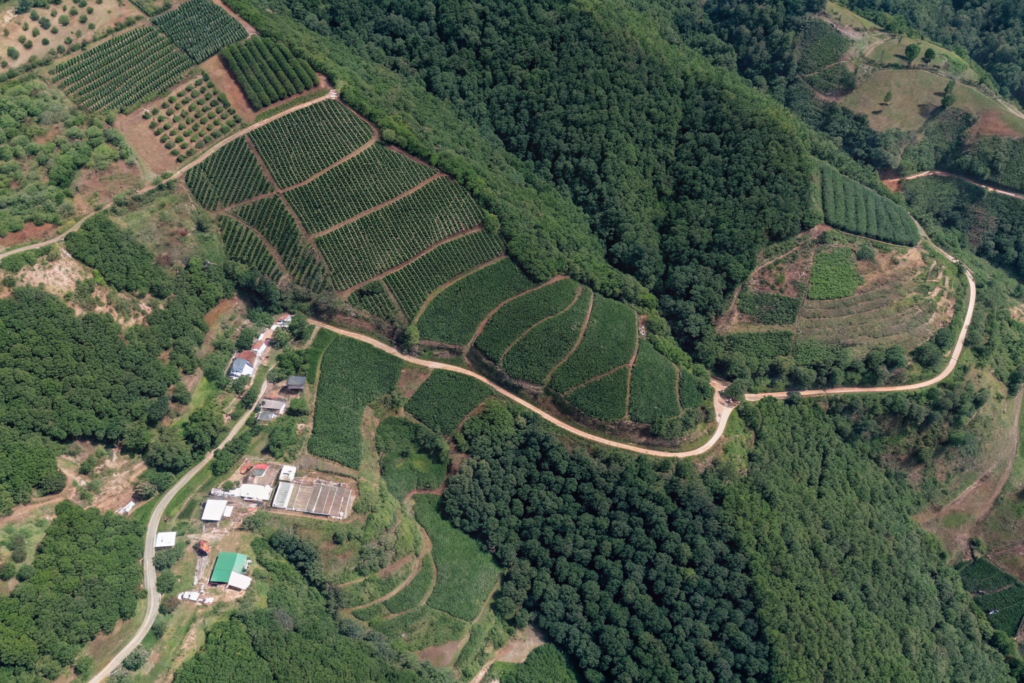
Google Maps and satellite view are powerful verification tools. You can enter the supplier's claimed address or GPS coordinates and see the actual terrain. At BeanofCoffee, my farm in Baoshan is visible on satellite imagery. You can see the coffee terraces, the shade trees, and the layout of the plantation. This visual evidence supports my claims.
A picture is worth a thousand words. A satellite image is worth a thousand pictures.
What Should You Look for in a Satellite Image of a Coffee Plantation?
Type the supplier's location into Google Maps. Switch to satellite view. Zoom in. What do you see? A coffee plantation in Yunnan is not a flat field of soybeans. It is a steep, terraced landscape. You should see the distinctive contour lines of terraces carved into the hillsides. You should see the dark green canopy of shade trees interspersed with the lighter green coffee bushes. You should see a road or a path leading to the farm. You might see buildings, which could be the wet mill or the drying beds. Compare what you see to the photos on the supplier's website. Does the geography match? Does the scale match? A supplier who claims a 10,000-acre farm should have a satellite footprint that reflects that scale. A supplier who shows a photo of a lush forest but whose satellite image is a barren field is lying.
How Does Street View on Nearby Roads Add Another Layer of Verification?
In some areas, Google's Street View cars have driven the public roads. If the farm is near a public road, you might be able to see the farm entrance, the signage, and the general condition of the property. This is a random, uncurated snapshot of reality. It is hard to fake. A well-maintained farm will look different from a neglected one, even from the road. You can also use this to check the local context. What is the surrounding area like? Is it an established coffee-growing region? Are there other farms nearby? This on-the-ground view, even if it is a few years old, adds a layer of tangible reality to your research. It is the next best thing to being there.
How to Find Industry Mentions and News Articles About a Supplier?
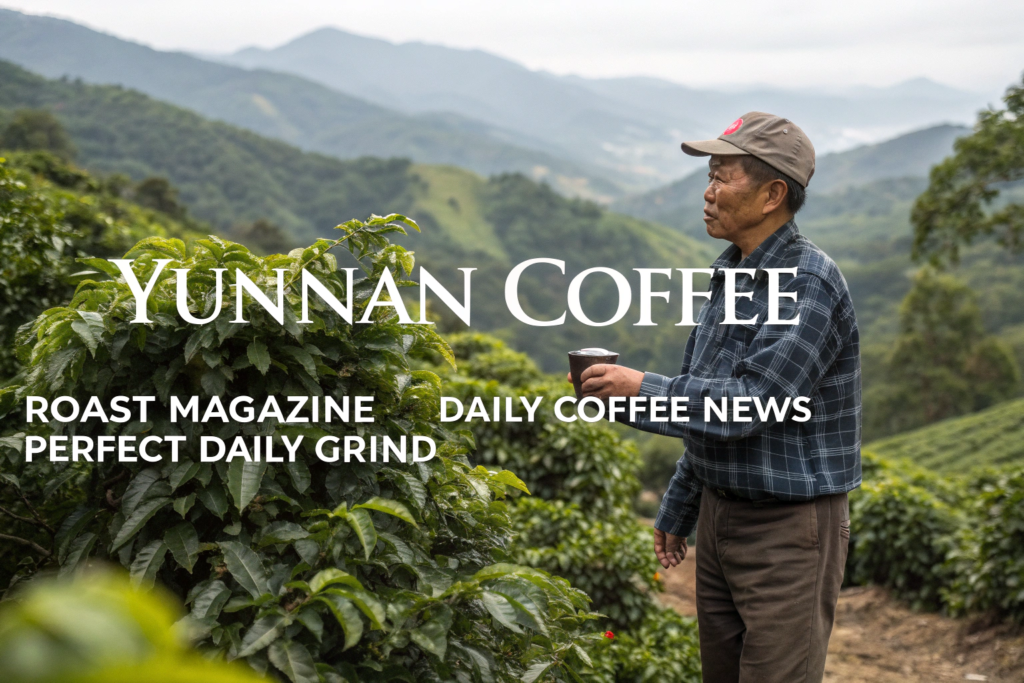
A serious coffee supplier is part of the industry conversation. They are mentioned in trade publications. They are interviewed on podcasts. They participate in industry events. They might be featured in news articles about the coffee industry in their origin country. These third-party mentions are gold.
Search for the supplier's name in combination with coffee industry publications, like Roast Magazine, Daily Coffee News, or Perfect Daily Grind. At BeanofCoffee, my work and my farm have been covered in several industry outlets. These mentions are independent validations of my operations and my role in the Yunnan coffee story.
A company that exists only on its own website is a less reliable partner than a company that is visible in the broader industry.
How Do Industry Awards and Certifications Appear in Search Results?
Search for the supplier's name plus "award" or "certification." A legitimate supplier will have a trail of recognition. They might have won a regional cupping competition. They might have been recognized by the local government as a model export enterprise. Their certifications, like organic or Rainforest Alliance, should be verifiable. The search results will often link to the certifying body's database. You can check the validity of the certificate directly. An award or certification is not a guarantee of a perfect partnership, but it is a signal. It shows that the supplier is invested in quality and compliance. It shows that they have been vetted by a third party. This is the kind of evidence that builds confidence.
How to Use Google News to Track Recent Company Developments?
Google News is a separate search tab. Use it. Search for the supplier's name in Google News. You might find recent articles about their expansion, their new processing facility, or their participation in a trade show. This is current information. It tells you what the company is doing now, not what they did five years ago. A company that is in the news for positive reasons is a dynamic, growing enterprise. A company that is in the news for negative reasons, like a labor dispute or an environmental violation, is a risk. The absence of any news is not necessarily a bad sign, but a pattern of positive news is a very good sign. I am always proud when a search for "BeanofCoffee" surfaces a recent article about our work. It is a validation of our efforts.
How to Leverage LinkedIn and Alibaba for Cross-Referencing Google Data?
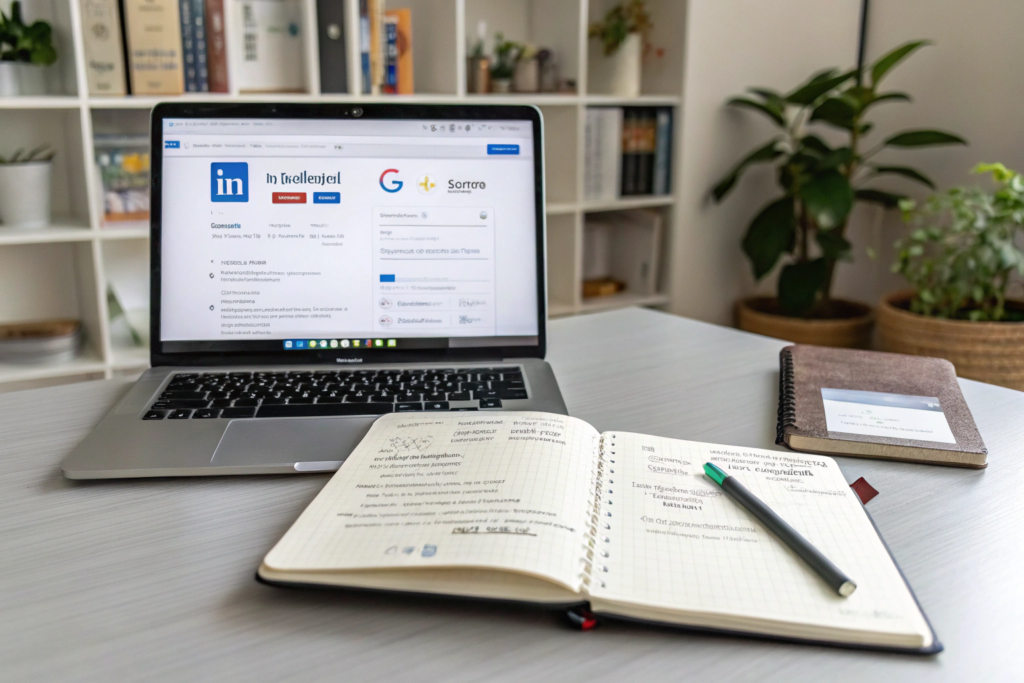
Google is not the only research tool. LinkedIn and Alibaba are platforms where suppliers maintain profiles. These profiles should be consistent with what you find on Google. Cross-referencing these sources gives you a more complete, three-dimensional view of the supplier.
Cross-referencing Google data with LinkedIn and Alibaba profiles is a powerful verification technique. At BeanofCoffee, my LinkedIn profile, my Alibaba storefront, and my Google presence all tell the same story. They show a land-owning, export-focused coffee producer in Baoshan. Inconsistencies between these platforms are red flags.
A legitimate company is consistent across all its public facing platforms. A fraudulent one often has gaps and contradictions.
What Should You Compare Between a Supplier's Website and Their LinkedIn Page?
Look at the company's LinkedIn page. Does it match the website? Is the branding consistent? Are the same people listed? Is the company description the same? A website can be a beautiful, expensive brochure. A LinkedIn page is often more casual, more personal. It shows the people behind the company. Look for the profiles of the employees. Are they real people with real work histories? Do they list the company as their current employer? A ghost company will have a LinkedIn page with no employees, or with fake-looking profiles. The LinkedIn page should also show recent activity. A supplier who is active on LinkedIn, sharing content and engaging with the industry, is a live, functioning business. A dormant LinkedIn page is a warning sign.
How Does an Alibaba Storefront Add Another Layer of Verification?
Alibaba is the world's largest B2B marketplace. It has its own verification system. Suppliers can be "Gold Suppliers," meaning they have paid for a membership and undergone a basic verification process. Some have "Verified Supplier" status, which involves a more thorough on-site check by a third-party inspection agency. Check the supplier's Alibaba page. How long have they been a member? What is their transaction history? What do their customer reviews say? Alibaba reviews are from actual buyers who have completed transactions. They are a valuable source of real-world feedback. A supplier with a long, positive history on Alibaba is a lower risk than a supplier with no Alibaba presence at all, or a new account with no feedback. The Alibaba storefront is a commercial fingerprint. It is hard to fake over a long period.
Conclusion
Google is not just a search engine. It is a private investigator that works for free. It can reveal a supplier's true identity, their track record, their physical existence, and their reputation in the industry. The key is to search systematically. Use targeted queries that surface complaints and red flags. Use satellite view to see the farm with your own eyes. Use industry news to find third-party validation. Use LinkedIn and Alibaba to cross-reference the information you find. This research takes time. It is not as exciting as cupping a new sample. But it is just as important. It is the due diligence that separates a smart buyer from a lucky one. I welcome your investigation. I have built my business on transparency. The more you dig, the more you will find that the story I tell is the story that exists.
Start digging. Then, when you are satisfied, contact me, Cathy Cai, at cathy@beanofcoffee.com. I will answer any remaining questions you have. I will send you the documentation you need. I will prove to you, not just with words, but with verifiable facts, that BeanofCoffee is the real deal. The research is the first step. The partnership is the goal. Let's build it on a foundation of verified trust.