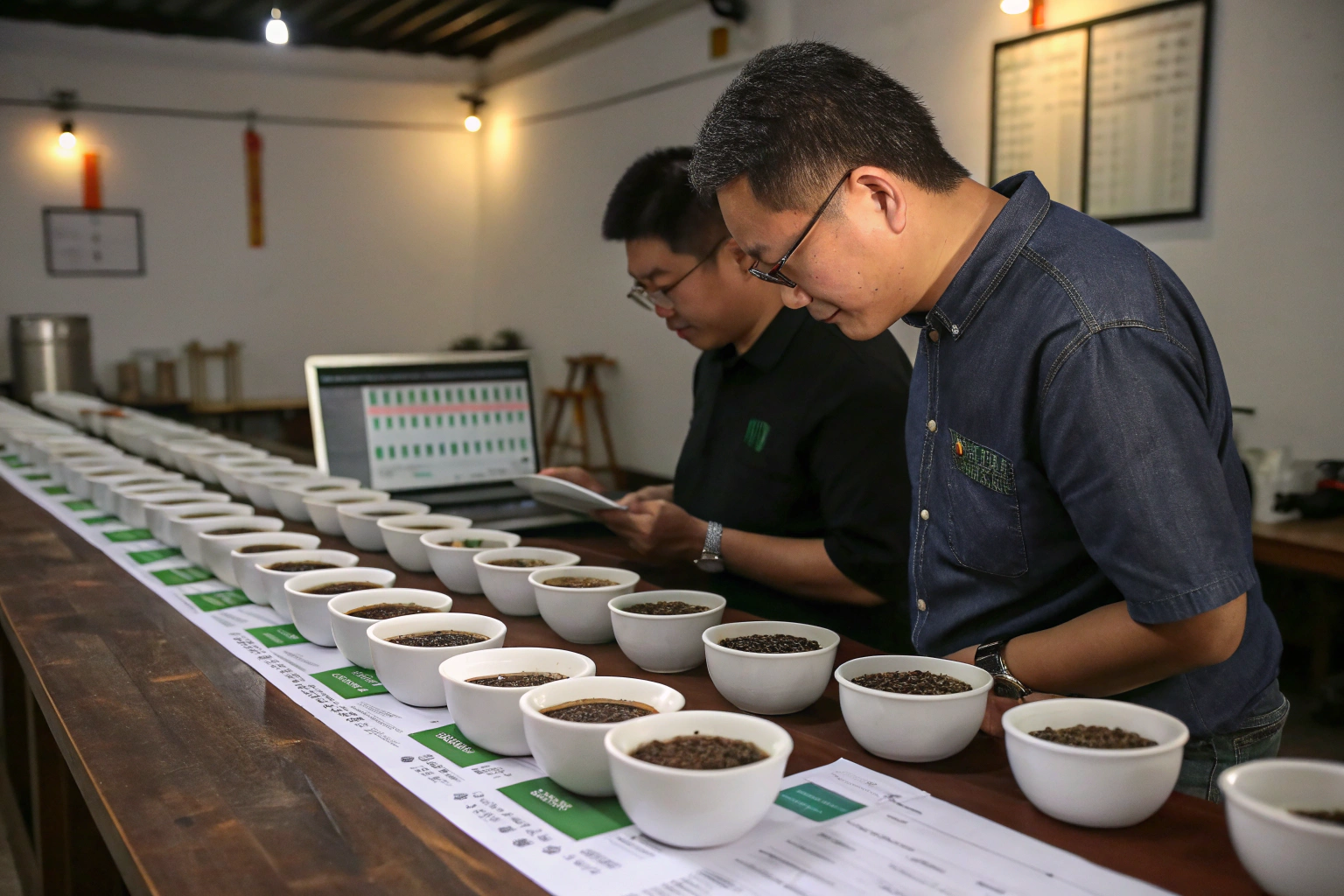
I run BeanofCoffee, a coffee exporter in Yunnan, China. We own more than 10,000 acres in Baoshan City. We sell Catimor, Arabica, and Robusta. We ship to North America, Europe, and Australia. Buyers like Ron ask me about price, quality, and shipping. But one question keeps coming back. How do I know a supplier really scored 90? Ron is 44. He owns a company in America. He cares about price and timeliness. He is confident. He likes to lead. But he also knows that a 90-point claim is easy to print and hard to prove. That is the problem. A score sheet is not proof. A certificate is not proof. Only a repeatable sensory system is proof. So let me show you how to verify a 90-point claim without getting fooled.
To ensure your supplier scored 90 in sensory evaluation, you must verify the cupping protocol, the taster qualifications, the sample handling, the roast level, the water quality, and the blind test process. You must also check the score sheet, the defect count, and the repeatability across sessions. A real 90-point coffee can score 90 again. A fake 90-point coffee cannot. So do not trust one sheet. Trust a pattern. Trust a process. Trust a blind test you control.
So, what does this mean for you? It means you should not accept a score at face value. You should ask for the method. You should ask for the tasters. You should ask for the sample. You should run your own test. At BeanofCoffee, we welcome buyer cupping. We share our protocols. We share our samples. We do this because we want long-term partners. Let me break down the verification steps.
What Does a 90-Point Sensory Score Really Mean?
A 90-point score sounds like a grade. It is not. It is a judgment. It comes from a person. It comes from a method. It comes from a moment. Change the person, the method, or the moment, and the score can change. I have seen a coffee score 91 on Monday and 88 on Friday. Same lot. Same roast. Different taster. That is not fraud. That is sensory reality. So a 90-point claim is not a fact. It is a result. You must understand the conditions behind it.
A 90-point sensory score means the coffee scored 90 or higher on a recognized cupping form, usually the SCA form, under controlled conditions. It usually means the coffee has no major defects, clean sweetness, strong acidity, good body, and a long finish. But the score is only as good as the protocol. A score without a protocol is just an opinion. A score with a protocol is evidence. So ask for the protocol. Then ask for the repeat test.
Another way to look at this is to compare it to a credit score. A credit score is a number. But it comes from a system. If the system is wrong, the number is wrong. Coffee scores work the same way. So check the system. Then check the number.
What Makes a Coffee Score 90 or Higher?
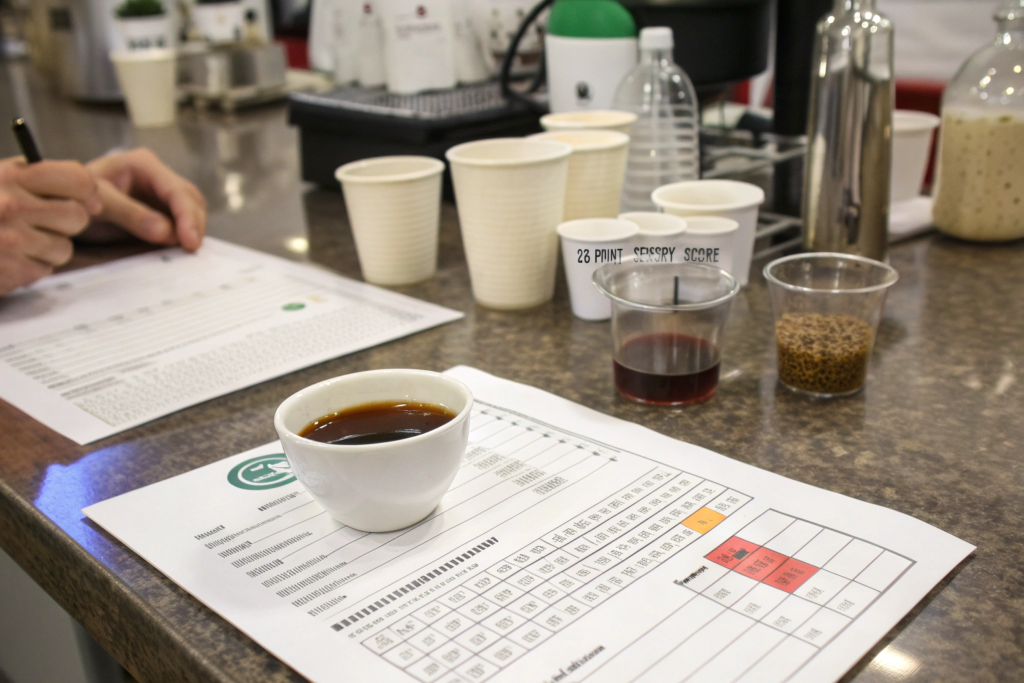
A coffee scores 90 or higher when it has very few defects and very high quality across several attributes. The Specialty Coffee Association cupping form scores fragrance, flavor, acidity, body, sweetness, aftertaste, balance, and overall. It also deducts points for defects. A 90-point coffee usually has a clean cup, bright acidity, strong sweetness, and a long finish. The Coffee Quality Institute trains graders to use these forms. I use both when we train our own QC team. A 90-point coffee is rare. It is not impossible. But it is not common. So when a supplier claims 90, ask for proof.
I also tell buyers to look for the defect column. A coffee with a musty defect cannot score 90. A coffee with a phenolic defect cannot score 90. So check the defect line first. Then check the total. A high total with a defect is a warning. A high total with no defects is a good sign.
Why Do Defects Drop a Score Below 90?
Defects drop a score because they change the cup. A musty defect adds a wet basement note. A phenolic defect adds a chemical note. A sour defect adds a vinegar note. These notes are not subtle. They dominate the cup. The International Coffee Organization tracks quality standards and trade issues. The Perfect Daily Grind explains how defects affect flavor. I use these when we review our own lots. One defect can drop a score by several points. Two defects can drop it below 85. So a 90-point claim with a defect is a contradiction. Ask about it. Then test it.
I also tell buyers to ask for the defect count. A clean coffee has zero primary defects. A coffee with one primary defect is not a 90. So ask for the number. Then check the sample. That is how you catch a false claim.
How Do You Verify a Supplier's Cupping Score?
Verification is not one action. It is a series of actions. You cannot verify a score by reading a sheet. You must verify the method. You must verify the taster. You must verify the sample. You must run your own test. I have seen buyers catch a false 90 with a simple blind test. The supplier's sheet said 90. The buyer's blind test said 84. The difference was the taster. The supplier used an untrained taster. The buyer used a Q grader. That is the gap. So close the gap. Then trust the score.
You verify a supplier's cupping score by asking for the cupping protocol, the taster qualifications, the sample roast date, the water quality, and the blind test records. Then you run your own blind cupping with your own tasters. Compare the scores. If the scores are close, the claim is strong. If the scores are far apart, the claim is weak. A real 90-point coffee can survive a second test. A fake one cannot.
So, what should you do? Ask for the protocol. Ask for the taster's certificate. Ask for the roast date. Then cup the coffee yourself. Do not skip your own test. Your test is the final word. That is how you protect your brand.
How Do You Check Cupping Protocols and Blind Tests?
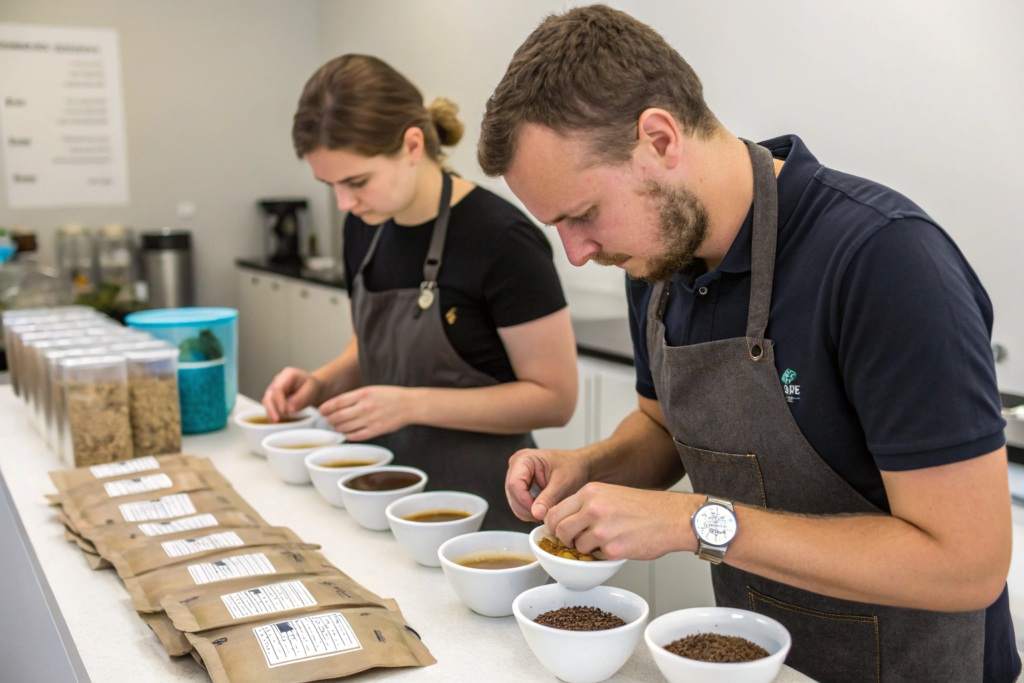
You check cupping protocols by asking for the exact steps. What roast level? What water temperature? What grind size? What ratio? What score sheet? Was it blind? How many tasters? The Daily Coffee News covers cupping and quality trends. The Roast Magazine shares practical roasting and cupping guides. I use these when we build our own protocol. A blind test is essential. If the taster knows the origin, the score can be biased. If the taster knows the price, the score can be biased. So blind the samples. Then score. Then compare. That is the only fair way.
I also tell buyers to ask for the number of tasters. One taster is not enough. Three tasters are better. Five tasters are stronger. A panel average is more reliable than one person's opinion. So ask for the panel. Then check the average.
Can You Trust Supplier Score Sheets?
You can trust supplier score sheets only if you can verify the process behind them. A score sheet is a document. A document can be accurate or inaccurate. The Barista Hustle shares coffee testing and quality guides. The SGS coffee inspection page shows how third-party labs verify quality. I use these when we prepare our own score sheets. A trusted score sheet includes the date, the taster name, the taster certification, the sample code, the roast date, and the full attribute scores. If any of these are missing, the sheet is weak. So ask for the full sheet. Then check the details.
For Ron, this means he should not accept a one-line email that says "90 points." He should ask for the full sheet. He should ask for the taster's name. He should ask for the roast date. Then he should cup the coffee himself. That is how he verifies. That is how he protects his margin.
What Sensory Tests Prove 90-Point Quality?
A 90-point score is not one test. It is a group of tests. You need to test sweetness. You need to test acidity. You need to test body. You need to test aftertaste. You need to test balance. You need to test defects. If one attribute is weak, the score drops. So you must test each attribute. Then you must test the whole cup. That is how you prove quality.
Sensory tests that prove 90-point quality include blind cupping with a standard form, defect count, sweetness intensity, acidity intensity, body evaluation, aftertaste length, balance assessment, and overall score. You should also test the coffee at different roast levels and different brew methods. A coffee that scores 90 in filter may score 86 in espresso. So match the test to the use. Then repeat the test. A single test is a snapshot. Repeated tests are proof.
So, what should you do? Build a test plan. Test the coffee three times. Use three tasters. Use a blind code. Then average the scores. If the average is 90 or higher, you have a strong claim. If the average is lower, ask why. That is how you verify.
How Do You Test Sweetness and Acidity Fairly?
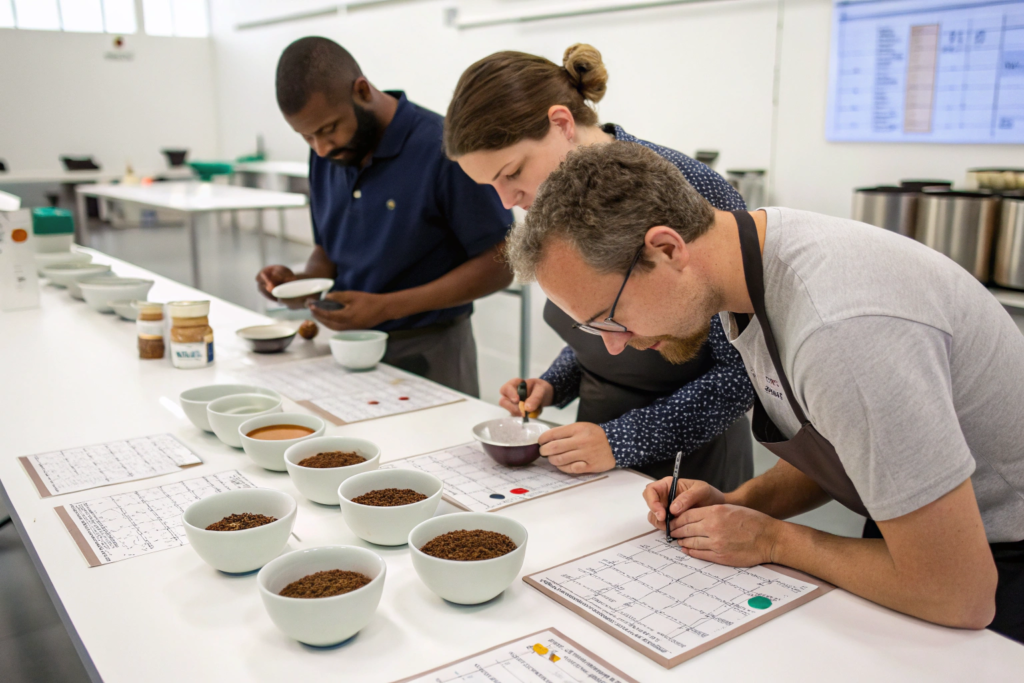
You test sweetness and acidity fairly by using the same water, the same roast, the same grind, and the same temperature. You also use a blind code. Sweetness is not just sugar. It is a perception of ripeness and care. Acidity is not just sourness. It is brightness and liveliness. The Intertek coffee page shows how third-party testing works. The World Coffee Research shares variety and quality data. I use these when we cup our own lots. A fair test controls the variables. An unfair test changes the result. So control the variables. Then score. That is how you get a real number.
I also tell buyers to test at the same time of day. Taste buds change. A morning cupping may differ from an afternoon cupping. So keep the time consistent. Then compare. That is how you reduce noise.
What Role Does Water and Roast Play in Scoring?
Water and roast play a huge role. Water with high minerals can flatten acidity. Water with low minerals can make the cup taste hollow. Roast level changes sweetness, acidity, and body. A light roast may show more acidity. A dark roast may show more body but less origin character. The National Coffee Association shares brewing and quality data. The Global Coffee Platform shares sustainable sourcing practices. I use these when we plan our own tests. The same coffee can score 90 with one water and 87 with another. So standardize the water. Standardize the roast. Then compare. That is the only fair way.
For Ron, this means he should ask for the roast date and the water recipe. If the supplier cannot provide them, the score is weak. So ask. Then test. That is how you verify.
How Do You Keep 90-Point Quality Consistent?
A 90-point score is great. A repeat 90-point score is better. Consistency is the real challenge. I have seen a supplier send one amazing lot. Then the next lot scored 85. The buyer was disappointed. The relationship suffered. So consistency matters more than one score. You must build a system. You must track the data. You must train the team. You must plan for the season. That is how you keep 90 points.
You keep 90-point quality consistent by building a repeatable system: same varieties, same processing, same moisture targets, same drying methods, same cupping protocol, and same buyer feedback loop. You must also track every lot and review every score. If a lot drops, find the cause. Fix it. Then test again. Consistency is not luck. It is discipline. So build the discipline. Then keep it.
So, what should you do? Ask your supplier for their quality system. Ask for their lot records. Ask for their moisture logs. Ask for their cupping history. If they have a system, they can repeat. If they do not, they cannot. So ask. Then decide.

How Do You Build a Repeatable Quality System?
You build a repeatable quality system by writing down every step and checking it every time. Start with the farm. Choose the right variety. Control the harvest. Control the processing. Control the drying. Control the storage. Then cup every lot. Record the score. Compare with the last lot. The Tea & Coffee Trade Journal covers quality systems and market trends. The Fairtrade website explains certification and fair trade standards. I use these when we design our own system. A written system beats memory. A checklist beats a guess. So write it down. Then follow it. That is how you repeat a 90.
I also tell buyers to ask for the cupping history. A supplier with a year of scores is a supplier with a system. A supplier with one score is a supplier with a hope. So ask for the history. Then check the pattern.
What Should Be in a 90-Point Supply Contract?
A 90-point supply contract should include the quality spec, the moisture range, the defect limit, the cupping score minimum, the sample approval process, the inspection method, the rejection rules, and the payment terms. The Rainforest Alliance explains sustainability and certification standards. The Trade.gov site offers export and import guidance. I use these when we draft contracts. A clear contract protects both sides. It also sets the standard. So write it. Then sign it. Then follow it. That is how you keep 90-point quality.
For Ron, this means he should put the 90-point claim in the contract. He should define how it is measured. He should define what happens if it fails. That clarity prevents arguments. It also protects his brand. So do it. Then relax. You have a system. You have a contract. You have a partner.
Conclusion
Ensuring your supplier scored 90 in sensory evaluation is not about trusting a sheet. It is about verifying a system. You must check the protocol. You must check the tasters. You must check the sample. You must run your own blind test. You must test sweetness, acidity, body, aftertaste, and defects. You must repeat the test. You must build a consistent supply system. You must write a clear contract. If you do these things, you can trust a 90-point claim. You can protect your brand. You can keep your customers happy. And you can build a long-term relationship with a supplier who can actually deliver.
At BeanofCoffee, we take sensory evaluation seriously. We own more than 10,000 acres in Baoshan City, Yunnan. We export Catimor, Arabica, and Robusta. We work with large buyers, brand owners, distributors, and trading companies. We share cupping protocols, score sheets, moisture data, and samples. If you want to verify a 90-point claim, please contact Cathy Cai at cathy@beanofcoffee.com. She will help you with samples, pricing, specifications, and quality documents. You can also visit BeanofCoffee to learn more. Let us earn your trust with a fair cup.