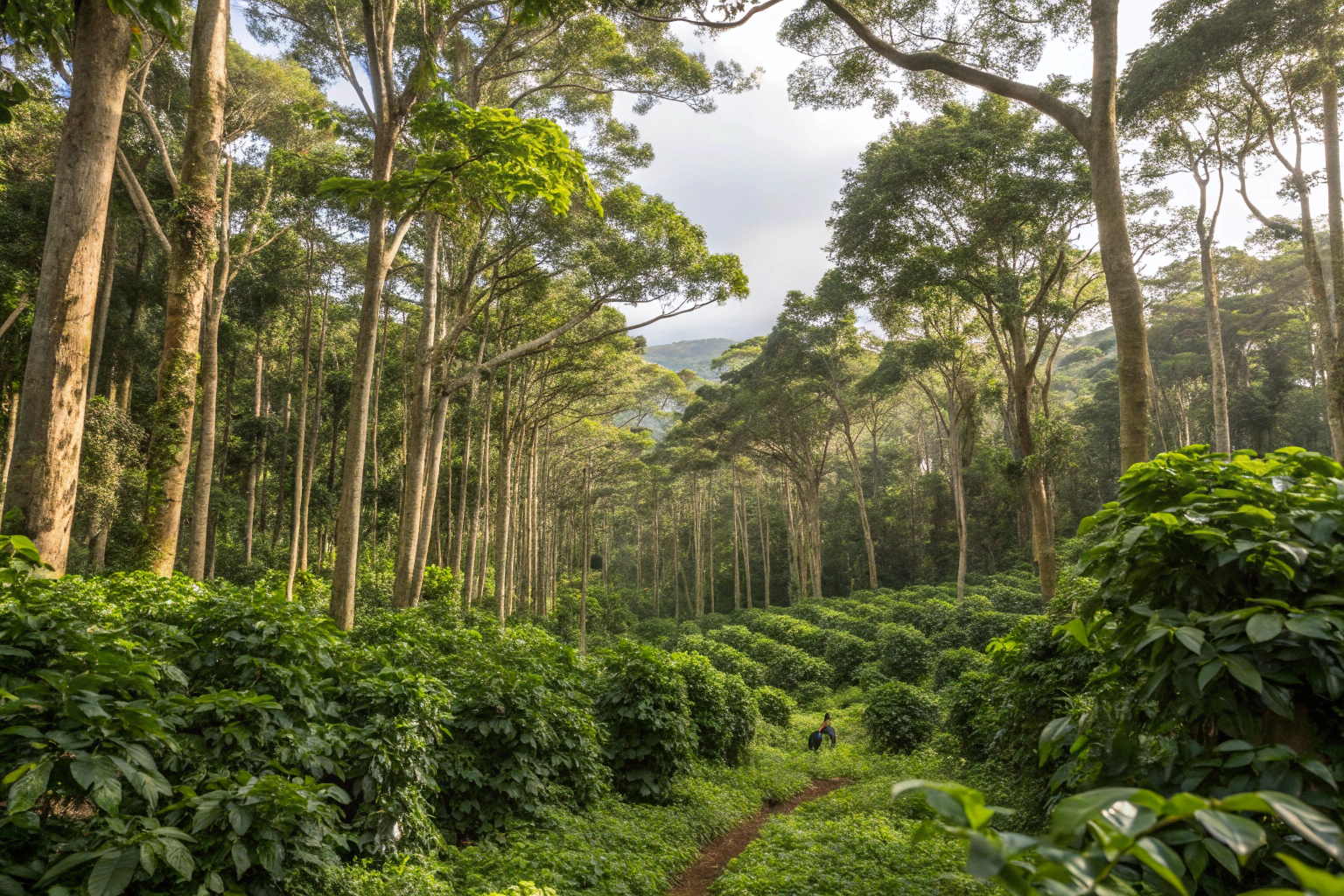
As a conscientious coffee buyer, you're looking for more than just a great-tasting bean. You're thinking about the bigger picture: the environmental impact of your coffee, the health of the ecosystem at origin, and the story you tell your customers. You're like my client, Ron; you're looking for quality that aligns with your values. You've heard the term "Shade-Grown," and you're asking, "How do I find suppliers who are genuinely committed to this practice, and not just using it as a marketing buzzword?"
Let's be clear: finding authentic shade-grown coffee suppliers requires looking beyond a simple label. The best way to find them is by seeking out specific certifications, asking targeted questions about their agroforestry practices, focusing on origins and varietals that naturally thrive in the shade, and building relationships with transparent producers who can prove their commitment. It's a process of intentional sourcing and due diligence.
On our 10,000-acre estate in Yunnan, we integrate shade trees into our cultivation strategy, not just for the environment, but because we know it leads to a higher quality bean. We understand that a healthy ecosystem produces a healthy coffee. In this article, I will provide you with a practical guide to identifying and partnering with genuine shade-grown coffee suppliers, enabling you to source with confidence and purpose.
Why Should You Prioritize Certifications as Your First Filter?
In a world of vague marketing claims, third-party certifications are your most reliable starting point. You're worried about "greenwashing," and these certifications provide independent verification that a farm meets specific, rigorous standards for shade cover and biodiversity.
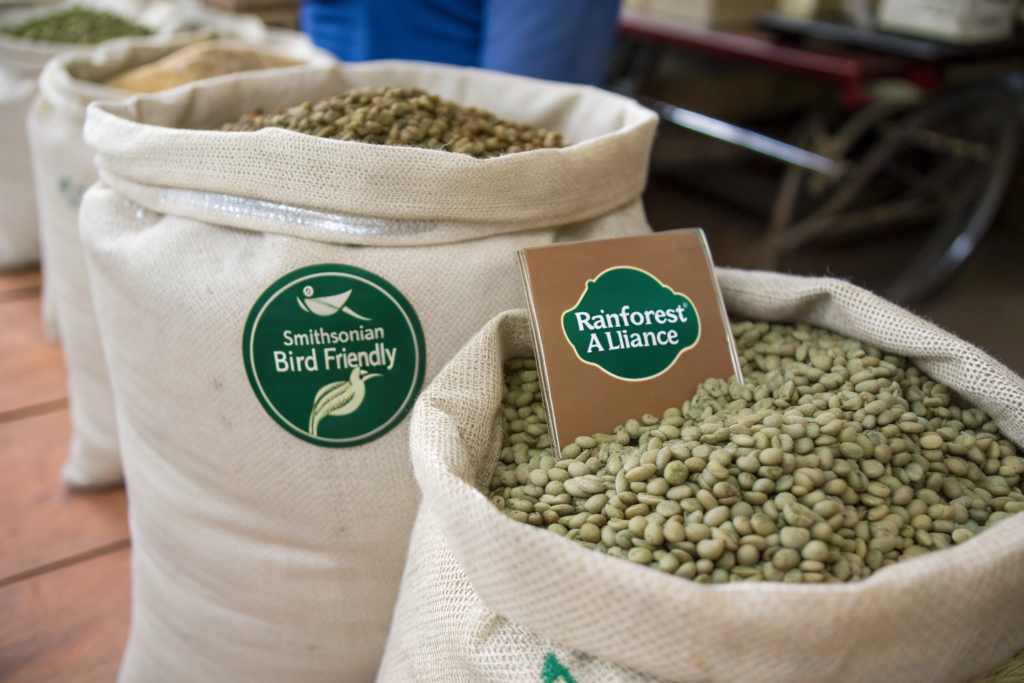
When searching for shade-grown suppliers, start by looking for these two gold-standard certifications:
- Smithsonian "Bird-Friendly" Certification: This is the most stringent and respected shade-grown certification in the world. To be certified, a farm must meet a rigorous set of criteria, including a minimum of 40% shade cover provided by a diverse canopy of native trees. It's considered the gold standard because its primary focus is on creating a healthy habitat for migratory birds, which requires a truly functional forest ecosystem.
- Rainforest Alliance Certification: While broader in scope than just shade, the Rainforest Alliance certification includes significant requirements for forest conservation, biodiversity, and the maintenance of a healthy tree canopy. The iconic green frog seal is a strong indicator that a farm is engaged in sustainable practices, which almost always includes shade management.
When you see these logos on a supplier's website or offer sheet, it's a powerful, trustworthy signal. It means they have invested time and money to have their practices audited and verified.
Are There Other Relevant Certifications?
Yes, organic certification is also often linked to shade-grown practices. Many organic farmers use shade trees as a natural form of pest control and to improve soil health, reducing the need for chemical inputs. While "Organic" doesn't automatically mean "Shade-Grown," there is a very strong correlation between the two.
What if a Farm Isn't Certified?
Many small farms practice excellent shade-growing techniques but cannot afford the high cost of certification. This is why certifications are a great first filter, but not the only tool. If a supplier is uncertified, you need to move on to the next step: asking the right questions.
What Specific Questions Should You Ask a Potential Supplier?
You've found a potential supplier, perhaps one from a non-traditional origin that isn't certified. How do you verify their claims? You need to move beyond a simple "Is your coffee shade-grown?" and ask specific, technical questions that a genuine practitioner can answer easily, but a pretender cannot.
Here is your checklist of questions:
- "What percentage of shade cover do you maintain on your farm?" (A knowledgeable producer will have a target number, e.g., "We aim for 40-50%.")
- "What species of shade trees do you use? Are they native to the region?" (A real shade-grown farm will be able to name specific trees, like Inga, Erythrina, or, in our case in Yunnan, local fruit and nut trees.)
- "How do you manage your shade canopy? Do you prune the trees?" (This shows they are actively managing the ecosystem, not just letting trees grow randomly.)
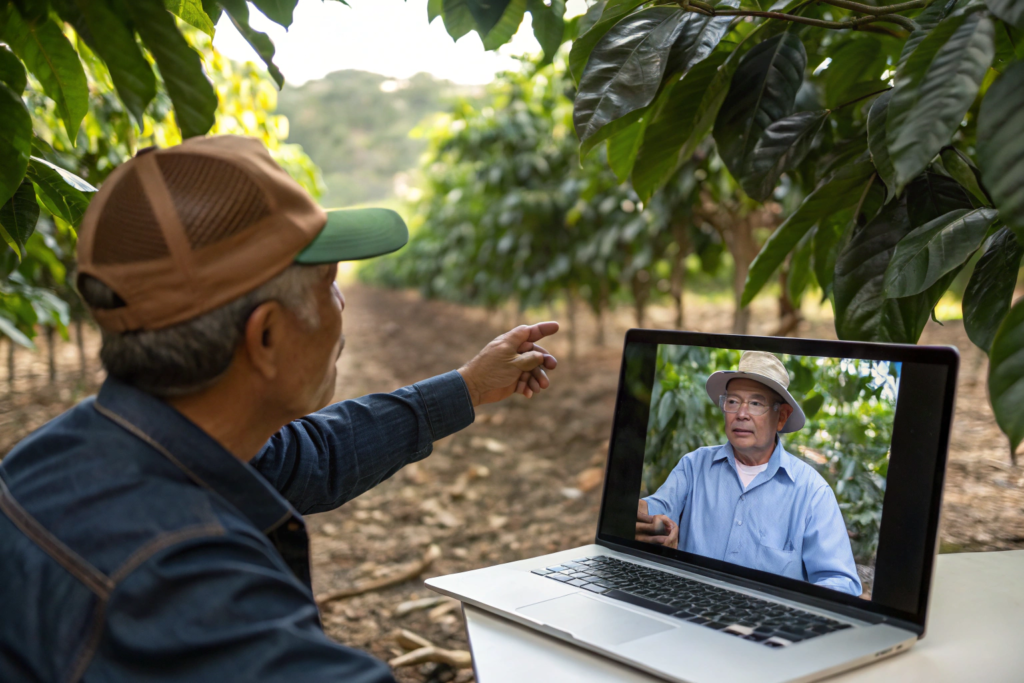
- "Can you provide photos or videos of the coffee growing under the tree canopy?" (In today's connected world, visual proof is easy to provide and is a powerful verification tool.)
The quality and detail of their answers will reveal their true level of expertise and commitment. A producer who is passionate about their agroforestry system will be excited to share these details with you.
What is "Agroforestry"?
Agroforestry is the intentional integration of trees and shrubs into crop and animal farming systems to create environmental, economic, and social benefits. Shade-grown coffee is a perfect example of an agroforestry system. It's a term that signals a more scientific and intentional approach.
Why are Native Trees Important?
Native trees are adapted to the local climate and soil and provide the best habitat for local wildlife (insects, birds, mammals). Using a monoculture of a single, non-native shade tree species is better than full sun, but it doesn't create the same level of biodiversity as a diverse canopy of native species.
How Can Origin and Varietal Guide Your Search?
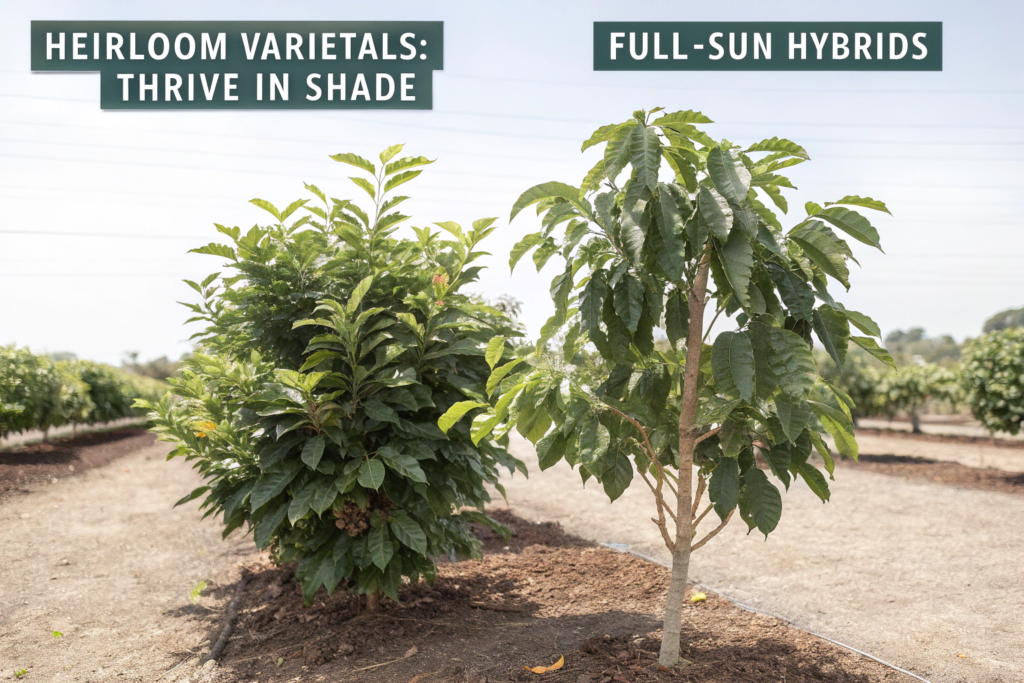
Certain types of coffee are naturally adapted to growing in the shade, while others have been bred for full-sun cultivation. Understanding this can help you focus your search on origins and varietals that are more likely to be shade-grown.
Historically, all coffee was shade-grown. The original Arabica varietals that came out of the forests of Ethiopia, like Typica and Bourbon, are naturally understory plants. They evolved to thrive in the dappled light of a forest canopy. Therefore, origins that are famous for their traditional, "heirloom" varietals (like parts of Ethiopia, Central America, and Colombia) are often excellent places to find high-quality shade-grown coffee.
Conversely, many modern hybrid varietals were specifically developed in the 20th century to be high-yielding in full-sun conditions. While this increased productivity, it often came at the cost of both flavor complexity and environmental health. When a supplier tells you they are growing a traditional Bourbon, it's a strong clue that they are likely using shade. When they are growing a specific full-sun hybrid, it's a clue that they may not be.
Why Does Shade Produce Better Flavor?
The shade of the canopy slows down the maturation cycle of the coffee cherry. Just like at high altitudes, this longer ripening period allows the bean to develop more complex sugars and acids, which results in a more nuanced, aromatic, and sweeter final cup. The leaves and fruit that fall from the shade trees also create a rich layer of natural mulch, improving soil health and providing nutrients to the coffee plant.
Are There Any Shade-Tolerant Robusta Varieties?
Yes. While many modern Robusta clones are bred for full-sun, the original Robusta species (Coffea canephora) is also an understory plant. Finding producers who are growing Robusta in a diverse agroforestry system is a great way to source a more sustainable and often better-tasting version of this hardy species.
Why is Building a Direct Relationship the Ultimate Strategy?
Ultimately, the most certain way to know you are sourcing authentic shade-grown coffee is to build a direct and transparent relationship with the producer. Certifications can be bought, questions can be rehearsed, but a genuine, long-term partnership provides undeniable proof.
When you work directly with a farm like ours, Shanghai Fumao, you move beyond simple transactions.
- You gain total transparency: We can show you exactly which lots are shade-grown and provide you with the specific data, photos, and stories associated with them.
- You can visit the farm: The ultimate verification is to walk through the "finca" yourself, to see the birds, feel the cool air under the canopy, and talk to the people who manage the ecosystem.
- You can collaborate: You can work with the producer on specific projects, perhaps requesting a lot that is exclusively from the most heavily shaded part of the farm, allowing you to create a truly unique and marketable product.
This level of partnership turns sourcing into a collaboration, ensuring you get exactly what you're looking for and building a powerful, authentic story that no competitor can match.
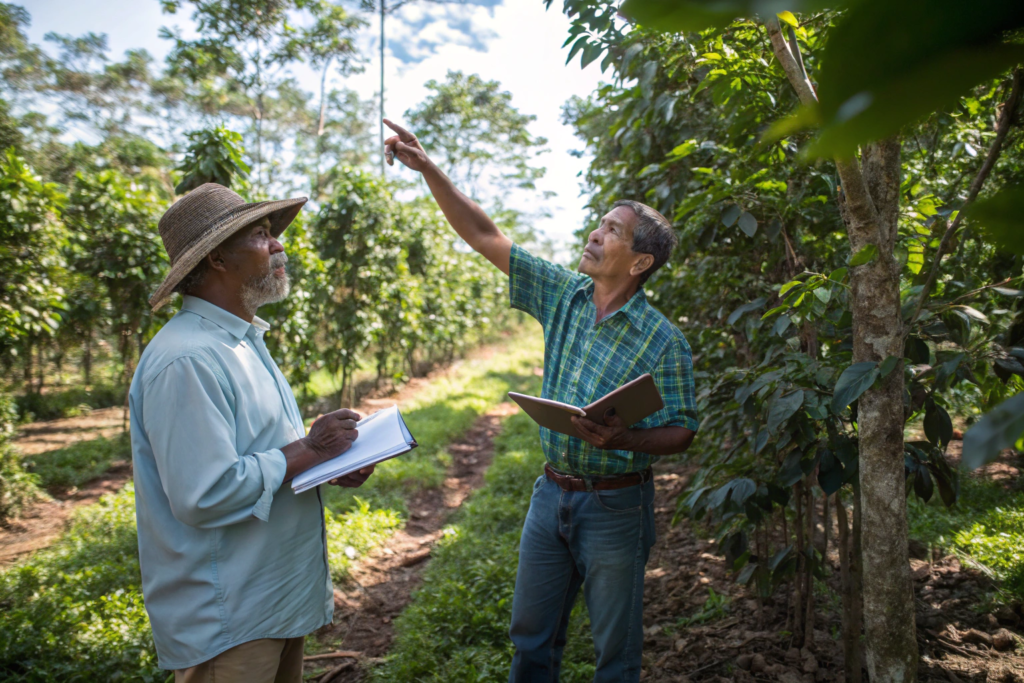
How Do You Start a Direct Relationship?
Reach out. Send an email. Be clear about what you are looking for and why it's important to you. A producer who shares your values will be eager to connect. Start by requesting samples from specific lots that they identify as shade-grown and let the quality in the cup guide your decision.
Is This Only for Large Buyers?
While large buyers have more leverage, many producers, including us, are happy to work with smaller, quality-focused roasters who are committed to a long-term partnership. Don't let your size deter you from reaching out.
Conclusion
Finding a genuine shade-grown coffee supplier is a journey that rewards diligence and intentionality. It begins with the broad filter of reputable certifications and narrows down through a series of specific, insightful questions. It is guided by an understanding of which origins and varietals are naturally inclined towards this practice, and it culminates in the ultimate assurance of a direct, transparent relationship with the producer.
By making the effort to source authentic shade-grown coffee, you are doing more than just buying a high-quality bean with a complex flavor profile. You are supporting biodiversity, promoting a healthier planet, and acquiring a powerful, authentic story that will resonate deeply with your customers. You are investing in a better cup of coffee and a better world.
If you are looking for a partner who is deeply committed to these sustainable practices, we invite you to explore our shade-grown offerings from Yunnan. We would be proud to show you how our healthy ecosystem translates into an exceptional cup. Please reach out to my colleague, Cathy Cai, at cathy@beanofcoffee.com to learn more.