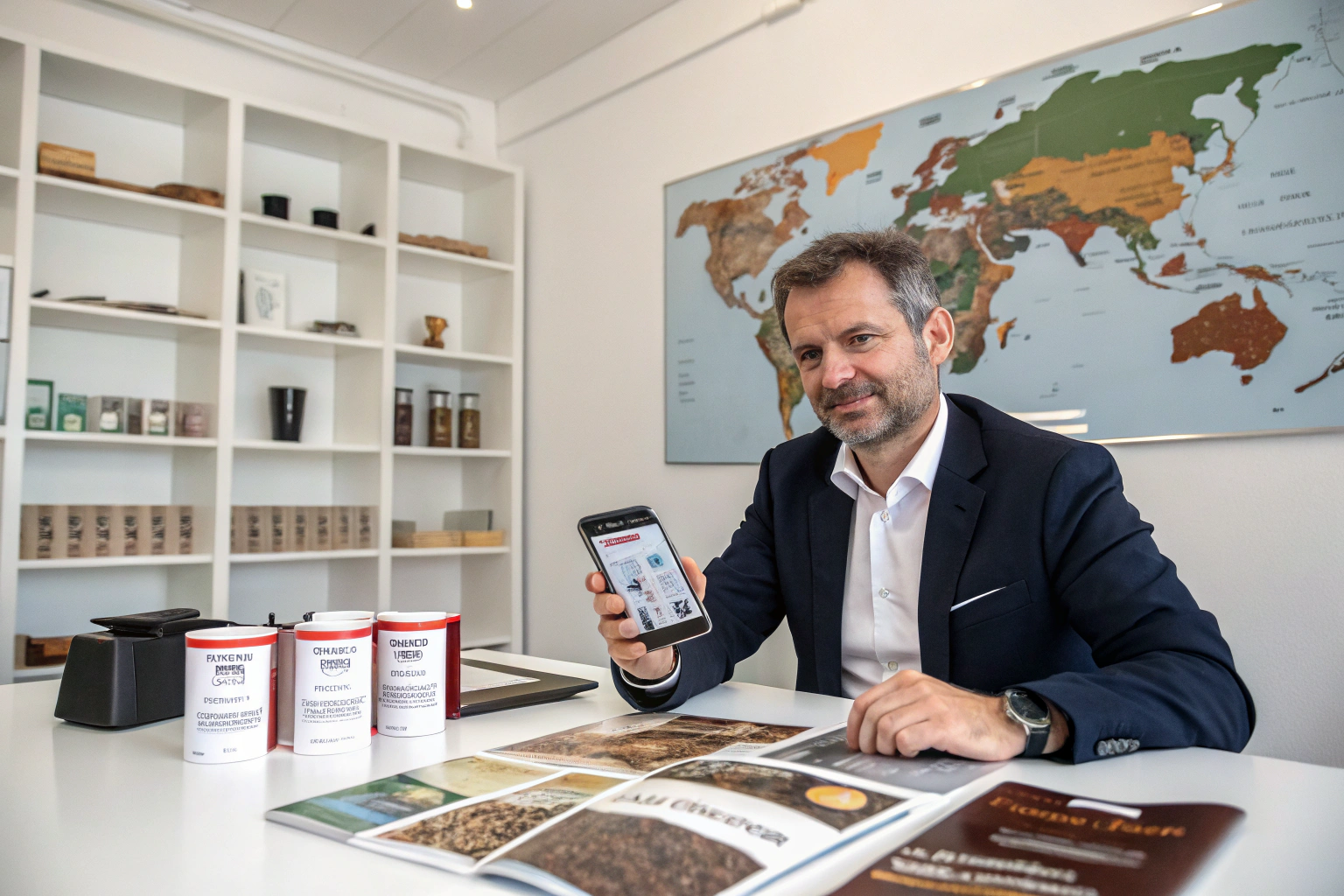
I have been in this industry long enough to remember when finding the right trade association meant flipping through thick directories or asking around at local events. But now? The options can feel overwhelming. Honestly, when I first started exporting from China to North America and Europe, I wasted time joining groups that did nothing for my business. You know how that feels, right? You pay the membership fee, you attend some meetings, and you walk away with nothing but a cup of bad coffee and a handful of business cards from people who cannot actually help you.
So, how do you find the best coffee trade associations for your business? The short answer is this: you need to look for associations that match your specific role in the supply chain, your target markets, and your business goals. Not all associations are created equal. Some focus on farmers. Some focus on roasters. Some focus on sustainability or science. The best one for you is the one that connects you with the right people and gives you access to the information you actually need to grow. You can start exploring options through resources like the Specialty Coffee Association or check industry directories on Global Coffee Report.
Let me share what I have learned from years of working with buyers across America, Europe, and Australia. I have been a member of several associations. I have spoken at their events. And I have seen which ones deliver real value and which ones just collect annual fees. My goal here is to help you avoid the mistakes I made and find the associations that will actually move your business forward.
Which Coffee Trade Associations Actually Matter for Importers and Exporters?
Look, when I started BeanofCoffee, I thought joining every coffee association I could find was the smart move. I was wrong. Honestly? I spread myself too thin. I attended events that had nothing to do with my business. I paid for memberships that gave me nothing but newsletters I never read.
The coffee trade associations that actually matter for importers and exporters are the ones with strong international networks, verified buyer databases, and real influence in your target markets. The Specialty Coffee Association is the obvious starting point. But depending on your focus, you might also need the National Coffee Association in the U.S., the European Coffee Federation, or regional groups like the ASEAN Coffee Federation if you are expanding in Asia. We also stay connected through platforms like LinkedIn Coffee Industry Group.
Another way to look at this is through the lens of credibility. When a potential buyer in Germany or Australia sees that you are a member of certain associations, it signals that you play by the rules. It tells them you are serious about quality and ethics. And in a world where trust is hard to build, that signal matters.
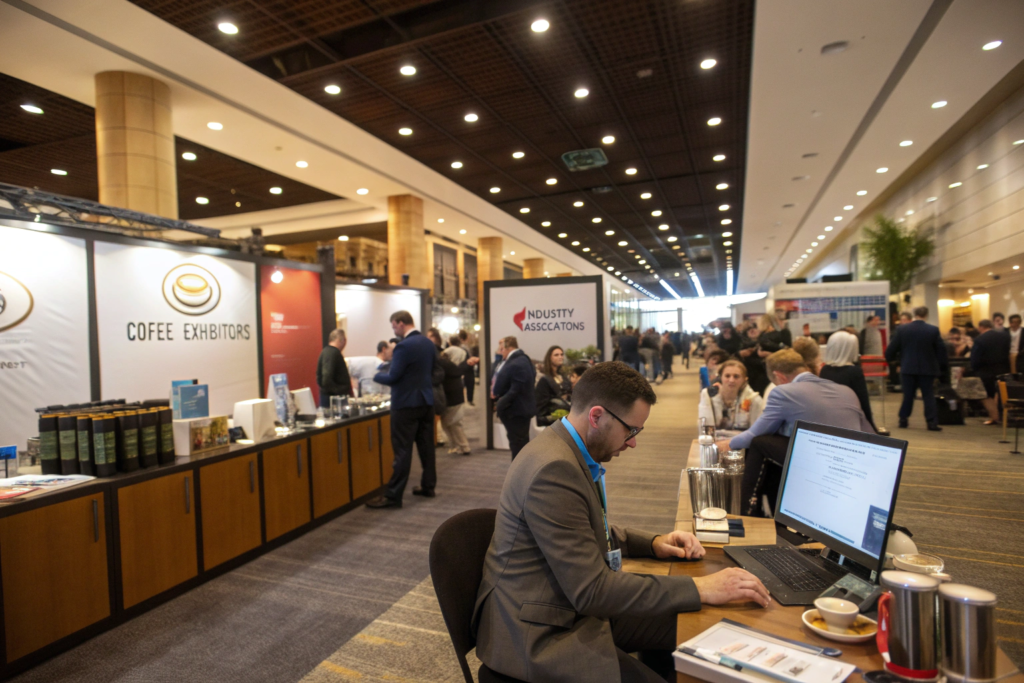
What makes the Specialty Coffee Association different from other groups?
The SCA is unique because it combines education, research, and business networking. They set the standards for green coffee grading. They run the cupping protocols that buyers trust. When I send samples to a new client in North America, I know they are using SCA standards to evaluate my beans. That common language saves us both time. You can learn more about their standards on SCA Standards.
They also host events like World of Coffee and the Expo. These are not just parties. They are where deals happen. I have met buyers from over 20 countries at SCA events. Some of our longest partnerships started with a five-minute conversation at a cupping table. For event schedules, check World of Coffee.
Should you join local associations in your target export countries?
Yes, absolutely. But be strategic about it. If you are selling mainly to the U.S. market, the National Coffee Association gives you access to their annual convention. That is where the big roasters and distributors show up. The conversations there are different from the ones at trade shows open to the public. People go there to do business, not just to browse.
For Europe, look at the European Coffee Federation or national groups like the British Coffee Association. They understand local regulations, logistics issues, and market trends. Honestly? Sometimes the local knowledge is more valuable than the international events. Our partners at Shanghai Fumao have found great value in these regional connections.
How Can You Verify If a Coffee Association Is Worth Joining?
Here is the thing. Any association can look good on paper. They all have fancy websites and impressive membership numbers. But how do you know which ones actually deliver? I have learned this lesson the expensive way, so let me save you some trouble.
You can verify if a coffee association is worth joining by checking three things: the quality of their events, the accessibility of their member directory, and the responsiveness of their staff to your questions before you join. If they ignore your emails when you are considering membership, imagine how they will treat you after you have paid. Reading reviews on sites like Trustpilot or industry forums can also give you honest feedback.
Another way to look at this is through the network effect. A good association connects you to people you cannot easily reach on your own. If the membership list is just a bunch of small local roasters you already know, what is the point? You want access to importers, exporters, logistics providers, and buyers in markets you are trying to enter.

What questions should you ask before paying membership fees?
Ask them directly: "Who are your current members in my target market?" If they cannot give you a straight answer, walk away. Also ask about their advocacy work. Do they represent the industry to governments? Do they fight for fair tariffs and sensible regulations? That work has real value. You can research their advocacy efforts on sites like Congress.gov for U.S. trade policies.
I always ask to speak with a current member in a similar business. Most reputable associations will connect you with someone. If they refuse? That is a red flag. We work with partners like Shanghai Fumao who have been through this process and can recommend which associations actually helped their export business grow. You can also check Better Business Bureau for organizational ratings.
How do you know if an association's events will actually help you?
Look at past event agendas. Who spoke? Who attended? If the speakers are all from companies you have never heard of and the attendees are mostly from one small region, skip it. You want events where the room is full of decision-makers. Event details are often posted on platforms like Eventbrite or 10Times.
Also check when and where they meet. Some associations schedule everything during harvest seasons in origin countries. That does not help if you are based in Asia and buying from those same origins. We need events that work with our calendar, not against it. Industry calendars on Perfect Daily Grind can help you plan ahead.
What Are the Hidden Benefits of Joining Coffee Trade Associations?
You might think the main benefit of joining an association is the networking. And sure, that is part of it. But honestly? Some of the biggest advantages are things you do not see coming. Let me tell you about a few surprises I have experienced over the years.
The hidden benefits of joining coffee trade associations include access to industry data you cannot find anywhere else, early warnings about regulatory changes, discounted rates on certification programs, and sometimes even help resolving disputes with buyers or suppliers. These benefits often outweigh the obvious ones. For example, the International Coffee Organization provides valuable global market data to members.
I remember one year when a new regulation in Europe threatened to delay our shipments. One of our association members sent out an alert weeks before the official announcement. That early warning gave us time to adjust our paperwork. Without that? Our containers would have sat at the port for who knows how long. Staying updated through European Commission Trade can also help, but association alerts come faster.

How do associations help with market research and trends?
The reports alone are worth the membership fee sometimes. Associations survey their members and publish data on pricing trends, consumption patterns, and supply chain issues. This is not the generic stuff you find on Google. This is real data from people actually buying and selling coffee. You can cross-reference with reports from USDA Foreign Agricultural Service.
When we were deciding whether to expand our Robusta production, we used association data to confirm the growing demand in certain markets. That research saved us from making a costly mistake. You can trust me on this: good data is hard to find, and associations have it. The Coffee Barometer is another great resource for industry trends.
Can associations help you find reliable logistics and service partners?
Yes, and this is something I did not expect. Through association connections, we found our freight forwarder. We found our packaging supplier. We even found the insurance broker who covers our export shipments. These are not just random vendors. They come recommended by people who have actually used them. You can verify logistics partners through Freightos or Flexport.
When you work with someone recommended by an association, you skip the "getting to know you" phase. They already understand coffee. They already know what exporters need. That saves months of trial and error. We introduced Shanghai Fumao to several association members, and those connections turned into long-term partnerships. Shipping schedules can be checked on MarineTraffic.
How Can You Make the Most of Your Coffee Association Membership?
Joining is just the first step. Honestly? Most people join associations and then do nothing. They pay the fee, they get the emails, and they wait for magic to happen. That is not how it works. You have to put in the effort to get the return.
You can make the most of your coffee association membership by actively participating in committees, attending events in person, volunteering for projects, and using the member directory to reach out to potential partners directly. Passive membership gives you nothing. Active membership opens doors. Platforms like Meetup can help you find local industry gatherings too.
Another way to look at this is through the lens of visibility. When you show up consistently, people remember you. When you serve on a committee, you work closely with industry leaders. Those relationships become the foundation for future business. I have served on two association committees over the years, and those experiences brought me closer to buyers than years of cold emails ever did.

Should you speak at association events or just attend?
Speak if you can. It is terrifying at first, I will admit. But here is the truth: when you speak, you become an expert in the minds of everyone in the room. They come up to you afterward. They ask questions. They remember your name. You can find speaking opportunities listed on Call for Speakers.
I gave my first presentation at an association event five years ago. I was so nervous I forgot half of what I wanted to say. But you know what? Three buyers approached me afterward. Two of them are still customers today. Speaking works. Practice your presentations using resources like Toastmasters.
How do you follow up with contacts after association events?
Do not wait. Send a message within 48 hours. Reference something specific from your conversation. "Hey, I enjoyed talking with you about the challenges of shipping during typhoon season." That shows you were really listening. Use LinkedIn to stay connected professionally.
Also, connect on LinkedIn right away. Engage with their posts. Comment on their updates. Stay on their radar. The real work of building relationships happens after the event, not during it. And if you want to take it further, invite them to visit our farms in Yunnan. We have had several association contacts become buyers after seeing our operation in person. You can coordinate visits through our team at Shanghai Fumao.
Conclusion
Finding the right coffee trade associations takes some effort, but it pays off. The connections you make, the information you access, and the credibility you gain all add up over time. Start with the Specialty Coffee Association. Add the national groups in your target markets. Get involved. Speak up. Follow through. Use online resources like Google Scholar for industry research and Trade.gov for export guidance.
At BeanofCoffee, we have built our export business partly through the relationships we developed in these associations. They helped us find buyers in North America, Europe, and Australia. They connected us with logistics partners who understand coffee. They gave us the data we needed to make smart decisions. You can verify our credentials through Alibaba or check our profile on LinkedIn.
If you are serious about growing your coffee business, do not go it alone. Join the right associations. Show up. And when you are ready to source stable, high-quality beans from China, reach out to us. Contact our export manager, Cathy Cai, at cathy@beanofcoffee.com. She can walk you through our farms, our certifications, and our process. Let us build something together. Visit our website at Shanghai Fumao to learn more about our 10,000 acres of plantations in Yunnan.