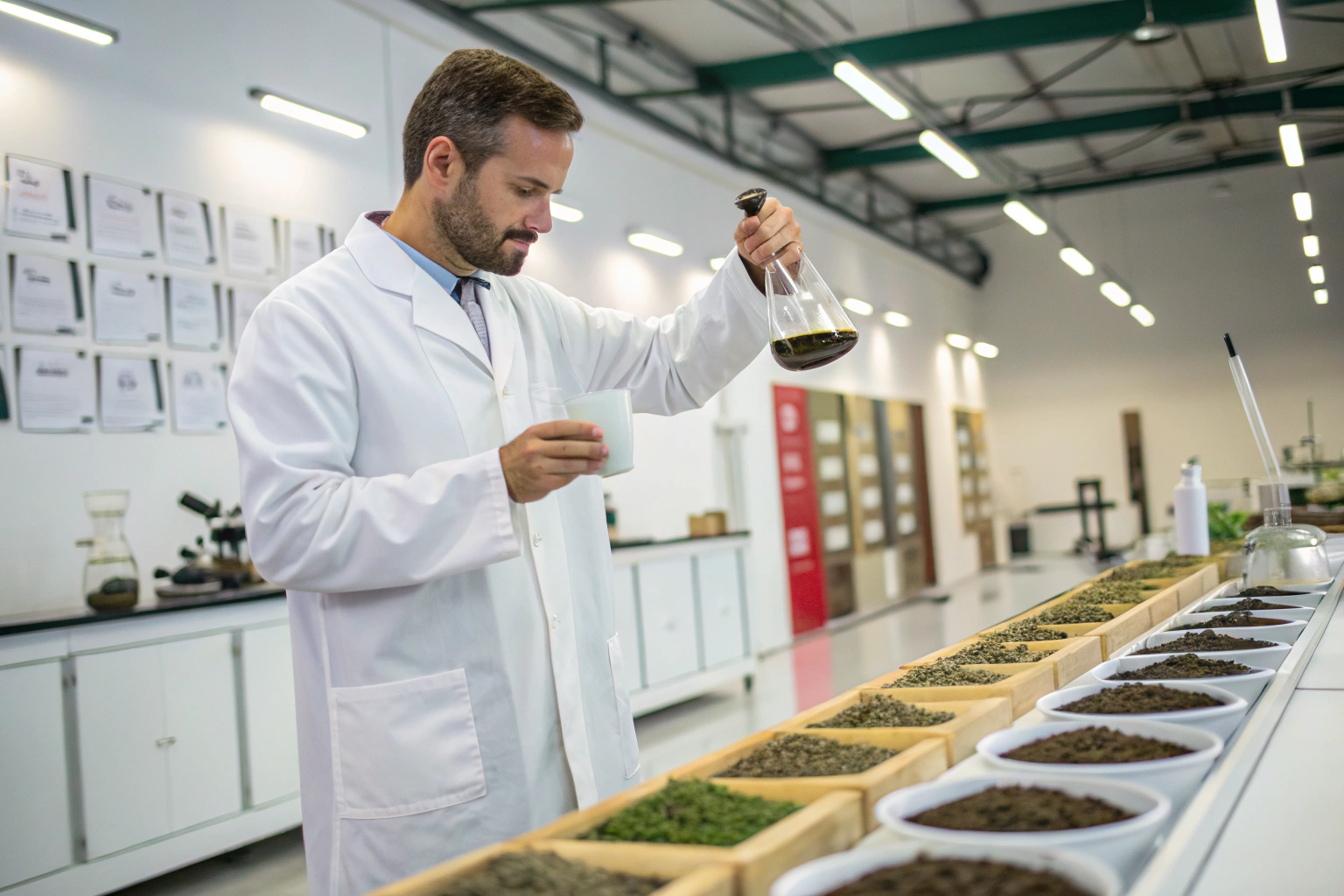
I have spent over 15 years in the coffee business, and honestly? I used to ignore pH completely. I focused on bean size, moisture content, and defect counts. That was a mistake. You know what I learned? pH touches everything. From the soil where the cherry grows to the final cup your customer drinks. One buyer in Australia sent back a whole container once. He said the coffee was "flat" and "lifeless." We tested everything. Turned out the pH of the roast was slightly off. That was an expensive lesson.
So, what is pH and why does it matter so much? pH measures how acidic or basic something is on a scale from 0 to 14. Seven is neutral. Below seven is acidic. Above seven is basic. In coffee, we usually deal with acidity. But here is the thing. Acidity in coffee is not bad. It is actually good. It gives brightness, sweetness, and complexity. The problem is when the pH is unbalanced. Then you get sourness, bitterness, or that flat taste I mentioned. You can dig into the science on National Center for Biotechnology Information or check brewing guides on Perfect Daily Grind.
Let me walk you through what I have learned about pH at every stage. From our farms in Yunnan to your roastery in America or Europe. Because if you understand pH, you can control quality better. And in this business? Control means profit.
How Does Soil pH Affect Coffee Bean Development on the Farm?
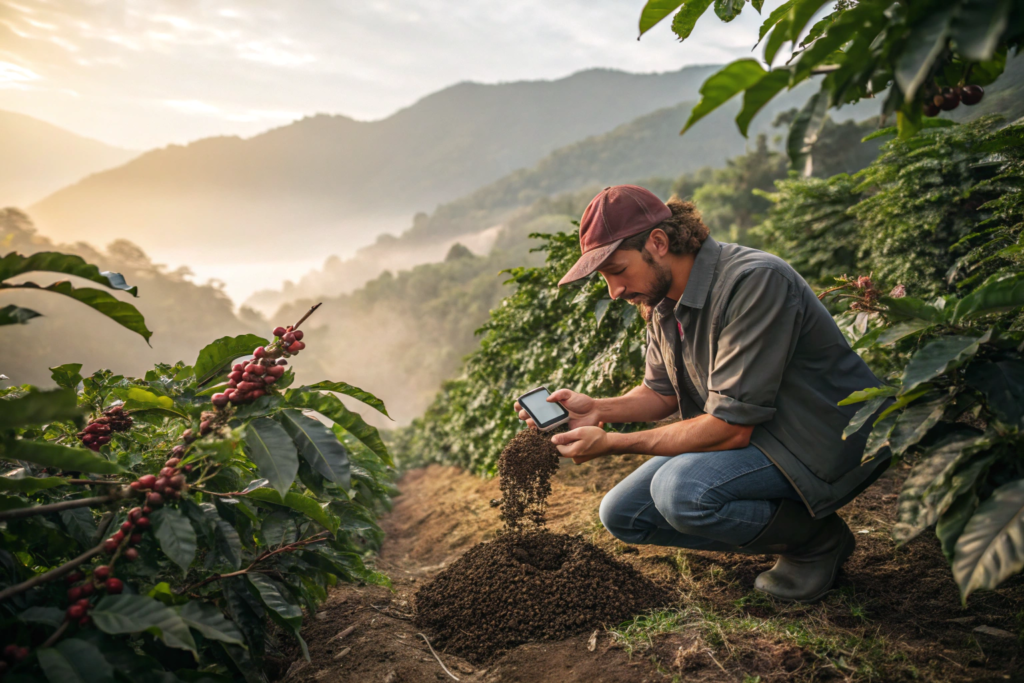
Look, it all starts in the dirt. I know that sounds simple, but it is true. Before the bean is even a bean, the soil pH is shaping everything. At our farms in Baoshan, we test soil twice a year minimum. Why? Because if the soil pH drifts, the tree cannot absorb nutrients properly. And if the tree cannot eat? The bean suffers.
Soil pH for coffee ideally sits between 5.5 and 6.5. Slightly acidic. That is the sweet spot. In that range, the tree can access nitrogen, phosphorus, and potassium. The minerals that build flavor. If the soil drops below 5.0? Too acidic. The tree struggles. Aluminum toxicity can set in. The roots get damaged. If the soil goes above 7.0? Too basic. Then micronutrients like iron and zinc get locked up. The tree cannot use them. You end up with weak trees and bland beans. The Food and Agriculture Organization has great resources on soil management if you want to dig deeper.
What happens to coffee flavor when soil pH is too low?
I have seen this firsthand. A few years back, one section of our farm started producing beans that tasted... off. Muddy. Dull. We tested the soil and found pH at 4.8. Too acidic. The trees were stressed. They could not take up calcium or magnesium properly. The beans matured unevenly. Some were underdeveloped. Some were overripe.
We had to act fast. We applied agricultural lime to raise the pH. It took two full growing seasons to correct. But the difference in the cup was night and day. The brightness came back. The clarity returned. That experience taught me to never ignore soil pH. You can learn about soil correction techniques on International Coffee Organization or check supplier options through Shanghai Fumao.
How does soil pH affect the perceived acidity in the final cup?
Here is the connection. Soil pH influences which organic acids develop in the bean. Citric acid. Malic acid. Acetic acid. These are the compounds that create the bright, fruity notes in specialty coffee. If the soil is balanced, the tree produces a nice mix of these acids. You get a complex cup with pleasant acidity.
If the soil is off? The acid profile changes. Too much of one acid. Not enough of another. The cup becomes one-dimensional. Or worse, harsh and sour. That is why we track soil pH so carefully. We want our Arabica beans from Yunnan to have that clean, bright character that buyers in North America and Europe expect. You can read more about organic acids in coffee on ScienceDirect.
What Role Does pH Play During Coffee Processing?
Processing is where pH gets really interesting. And honestly? This is where many exporters drop the ball. They control the farm, but they lose control at the mill. We cannot afford that.
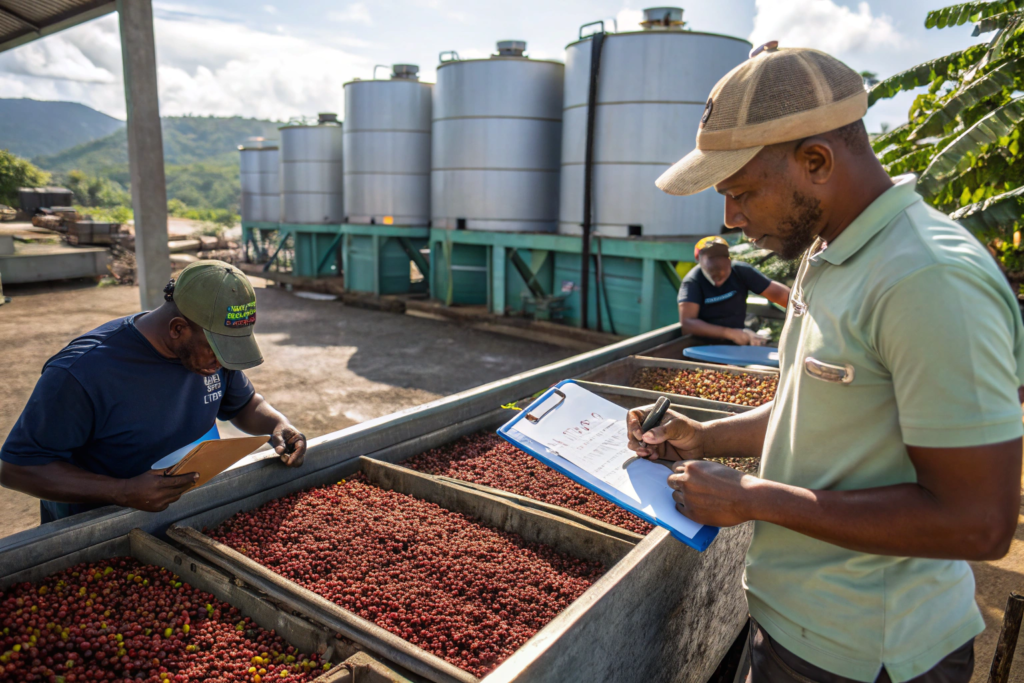
After harvest, the coffee cherry goes through processing. Washed, natural, or honey. Each method affects pH differently. During fermentation, microorganisms break down the mucilage around the bean. This produces acids. The pH drops. If you let it drop too far? Disaster. The beans absorb off-flavors. They can taste like vinegar or rot. If you stop too early? The fermentation is incomplete. The bean stays grassy and vegetal. You need to hit that sweet spot. Typically, we target a pH between 4.2 and 4.8 during fermentation, depending on the style we want.
How do you monitor pH during fermentation?
We use digital pH meters. Every batch. Every tank. We do not guess. We take readings every few hours during fermentation. For washed coffees, we ferment for 12 to 36 hours. We watch the pH curve. When it stabilizes, we know fermentation is done. Then we wash the beans immediately to stop the process.
For natural and honey processed coffees, the drying phase matters too. The pH continues to shift as the bean dries. We monitor moisture content and pH together. If the pH goes too low during drying, the bean can develop that fermented, funky taste that some buyers hate. Unless they are looking for that specific profile. Then we adjust accordingly. You can find processing guidelines on Specialty Coffee Association or check equipment options through Coffee Tech.
Can you control final cup acidity through processing adjustments?
Yes, absolutely. This is one of our secrets at BeanofCoffee. By controlling fermentation pH, we can influence the final flavor profile. Want a brighter, more citric cup? We shorten fermentation slightly and wash earlier. Want something heavier with more body? We extend fermentation a bit, letting more acids develop.
But you have to be careful. Push it too far and you ruin the batch. We have done that. More times than I like to admit. You learn by making mistakes. Now we have standard operating procedures for each lot. We track everything. And we work with partners like Shanghai Fumao to ensure consistency from farm to port.
How Does Roasting pH Affect the Final Cup Profile?
Roasting is where pH takes its final bow. Or maybe I should say, where it transforms. Green coffee has a certain pH. Usually between 5.5 and 6.0. Slightly acidic. But roasting changes everything.
During roasting, acids break down. New compounds form. Chlorogenic acids degrade into quinic acid and caffeic acid. These taste different. Bitter. Sharp. At the same time, organic acids like citric and malic start to diminish. The overall pH of the roasted bean rises slightly. But the perception of acidity in the cup? That depends on the roast profile.
What is the ideal pH range for brewed coffee?
Most specialty coffee brews land between 4.8 and 5.2 pH. That is where acidity feels bright and pleasant. Not sour. Not flat. Below 4.8? The coffee starts to taste sour. Like lemon juice without sugar. Above 5.2? It can taste dull or even bitter. The brightness fades.
But here is the thing. pH is not the whole story. Total acidity matters too. That is the concentration of all acids combined. Two coffees can have the same pH but taste completely different because one has higher total acidity. That is why cupping is still essential. Numbers guide us. But our tongues make the final call. You can read brewing science articles on Barista Hustle or check water chemistry guides on Specialty Coffee Association.
How does roast level change the pH of coffee?
Light roasts retain more organic acids. They usually have lower pH and taste brighter. Medium roasts balance acidity and body. The pH rises slightly. Dark roasts? Most acids break down. The pH goes higher, often above 5.3. But then you get bitter compounds from caramelization and pyrolysis. So dark roasts can taste bitter even though they are less acidic.
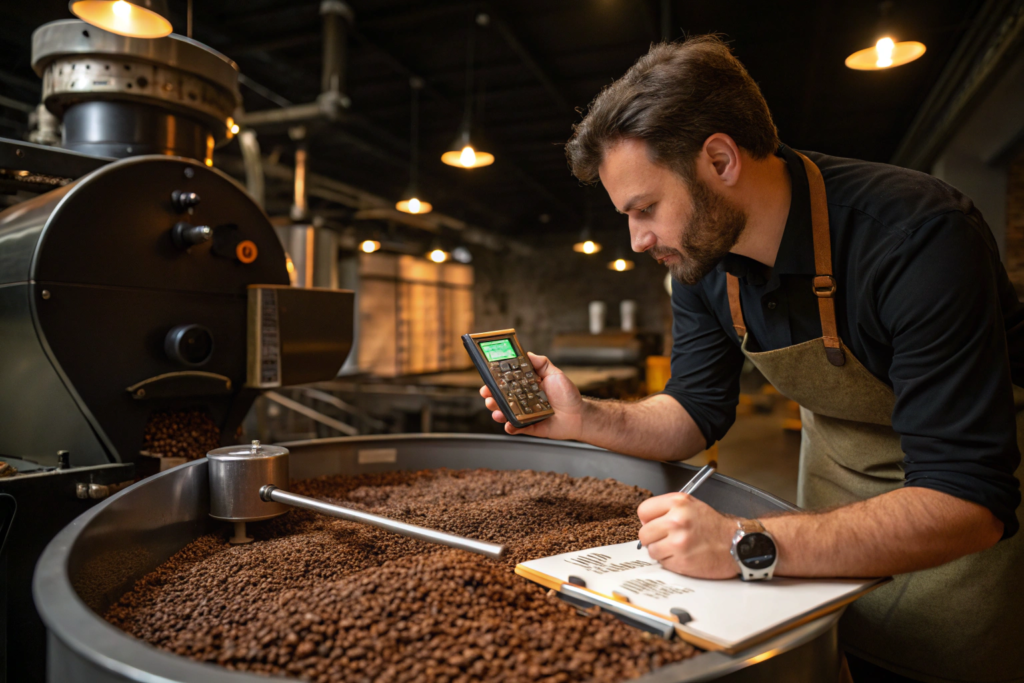
We roast samples of every lot before shipping. We check pH. We cup them. We want to know how our beans will perform for you. Because if you are a roaster in Australia roasting light, you need beans that hold their acidity. If you are in America doing medium-dark blends, you need different characteristics. We adjust our processing to match. That is the service we provide.
How Can You Measure and Control pH in Your Own Coffee Operation?
You might be thinking, "This sounds complicated." And honestly? It is. But you do not need a PhD to manage pH. You need the right tools and the right habits.
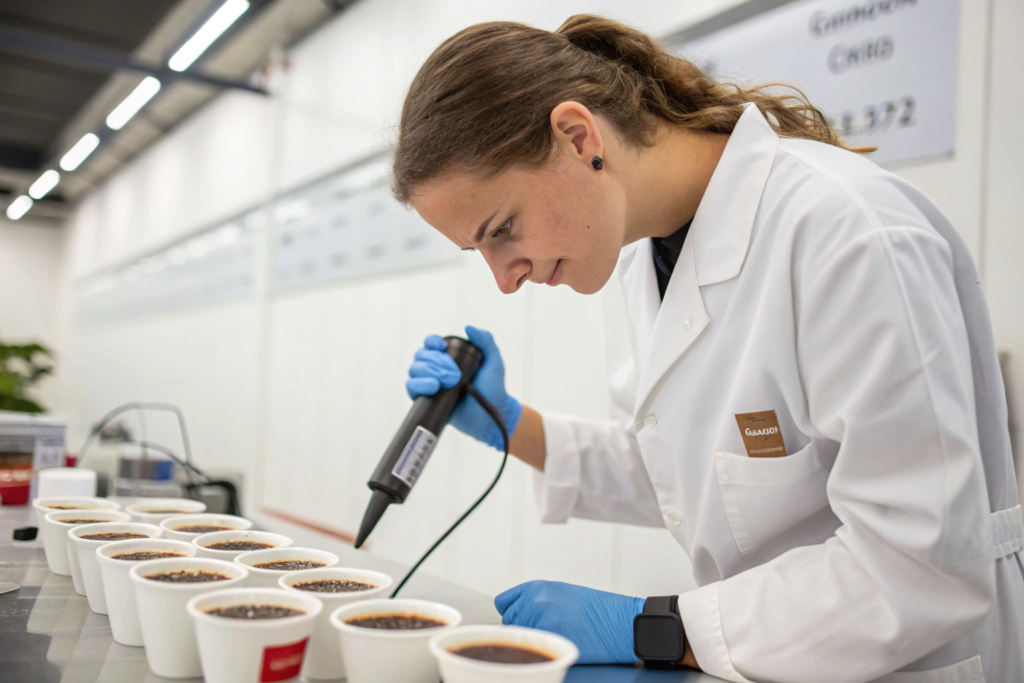
Start with a good pH meter. Not the cheap strips. Those are not accurate enough for coffee. Get a digital meter with automatic temperature compensation. Calibrate it regularly. We calibrate ours before every use. Store the probe in storage solution, not water. A dry probe gives wrong readings. You can find reliable meters on Hanna Instruments or check lab suppliers on VWR.
When should you test pH in your process?
Test at every critical point. Soil before planting and during growing. Water used for irrigation and processing. Fermentation tanks every few hours. Green beans before shipping. Roasted samples before approving lots. Brewed coffee during cupping.
We keep a log of every pH reading. Why? Because patterns emerge. You start to see how pH changes with seasons, with varieties, with processing methods. That data becomes your competitive advantage. You can predict problems before they happen. You can adjust recipes with confidence. Our team at Shanghai Fumao helps us maintain these records and share them with buyers who want full traceability.
What do you do when pH readings are outside the ideal range?
First, do not panic. pH is a tool, not a prison. If soil pH is off, you amend it. Lime for acidity. Sulfur for alkalinity. If fermentation pH drops too fast, you might have contamination. Clean your tanks. Adjust your process. If roasted coffee pH is too low, maybe the roast was too light. If it is too high, maybe you over-roasted.
But sometimes, the coffee tastes great even if the pH is slightly outside the "ideal" range. Trust your taste. Use pH to guide you, not to rule you. That balance of science and art? That is what specialty coffee is all about. You can find troubleshooting guides on Coffee Research Institute or ask experienced suppliers like us.
Conclusion
pH touches every part of the coffee journey. From the soil in Yunnan to the cup in your customer's hand. It affects how trees grow, how beans ferment, how roasts develop, and how coffee tastes. Ignoring pH means leaving quality on the table. Or worse, shipping coffee that disappoints.
At Shanghai Fumao, we take pH seriously. We test soil twice a year. We monitor fermentation constantly. We check green beans and roasted samples. We keep records. We share data. Because we believe that informed buyers make better partners. And better partners build lasting businesses.
If you want to source coffee from farms that understand quality at every level, reach out to us. Let us talk about your specific needs. Contact our export manager, Cathy Cai, at cathy@beanofcoffee.com. She can arrange samples, share our pH data, and help you find the right beans for your market. Visit our website at BeanofCoffee to learn more about our 10,000 acres of plantations in Yunnan and our commitment to stable, high-quality exports to North America, Europe, and Australia.