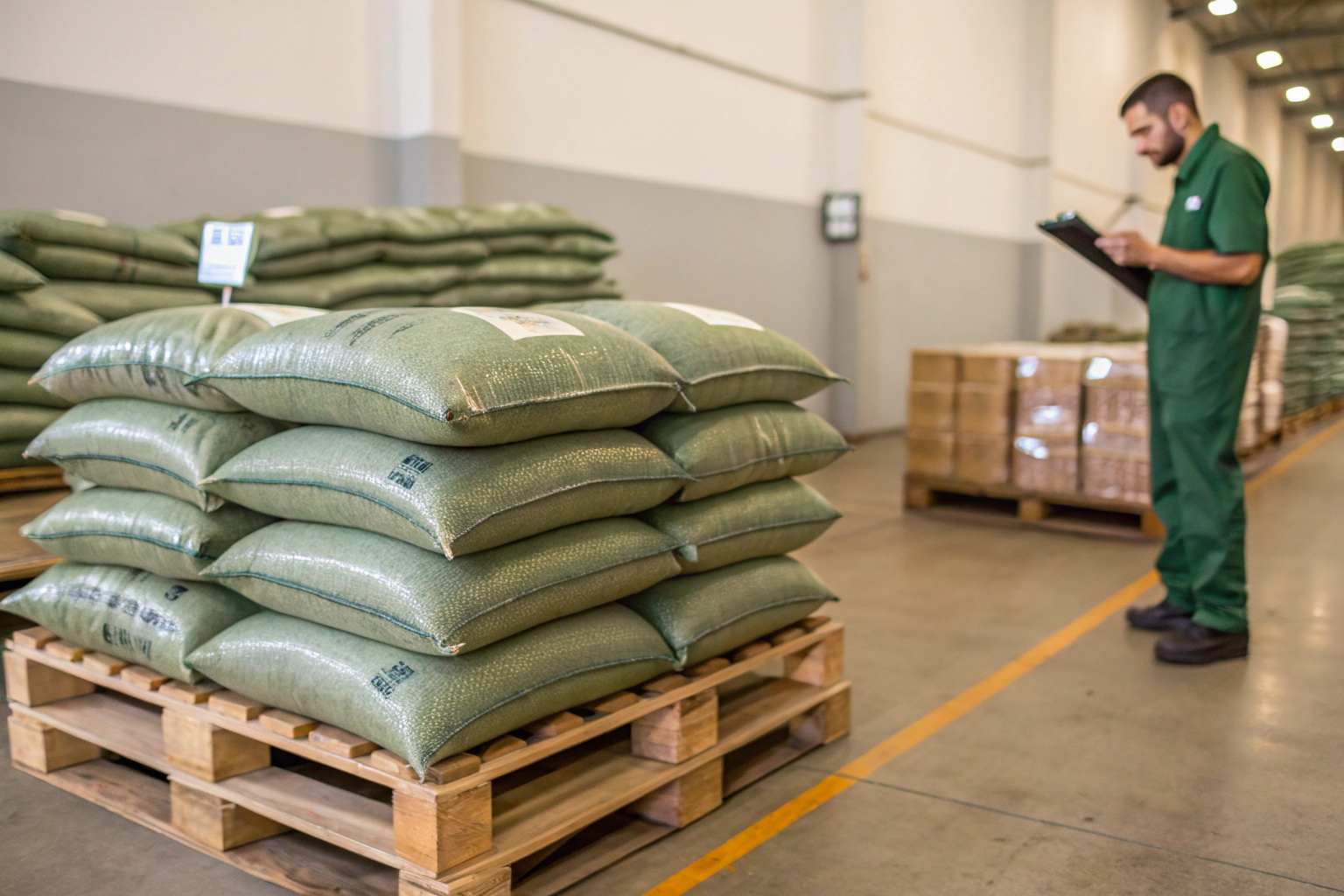
Let me share something that still haunts me. A few years back, a roaster in Texas called me. He was furious. He had stored a pallet of our premium Yunnan Arabica in the corner of his warehouse for 14 months. He finally opened it. The coffee was dead. Flat. It smelled like old library books and tasted like sawdust. He wanted a refund. I had to tell him the truth. Green coffee is not a vintage wine. It does not get better with age. It just gets old. And old coffee is a liability, not an asset. The pain here is real. You buy too much. You store it wrong. And suddenly that "great deal" you got on a full container turns into a loss because the beans lost their life before you could roast them.
The shelf life of vacuum-packed green coffee beans from China is typically 12 to 18 months from the harvest date when stored in GrainPro or similar hermetic bags under stable, cool warehouse conditions, though the peak cup quality window for specialty grades is usually within the first 9 to 12 months post-harvest.
Here is the thing most sellers will not tell you. The bean starts dying the moment it leaves the drying patio. Slowly. Almost imperceptibly. But it is happening. The vacuum pack slows it down. It does not stop it. Understanding this timeline is not just about quality. It is about cash flow. It is about ordering the right volume at the right time so you are not sitting on a mountain of expensive compost. Let me break down exactly how this works and how you can protect your investment.
How Does Vacuum Sealing Extend the Life of Yunnan Arabica Green Beans?
You might think the jute bag is romantic. It looks great on Instagram. But for actually keeping coffee alive, it is a disaster. Jute breathes. It lets moisture in and out. It lets oxygen in. Oxygen is the enemy. It oxidizes the lipids in the bean. That is what creates that stale, cardboard flavor. Vacuum sealing—or more accurately, hermetic sealing—is like putting the coffee in a medically induced coma.
Vacuum sealing extends the life of Yunnan Arabica by creating a modified atmosphere barrier that drastically reduces oxygen availability and stabilizes moisture content, preventing the metabolic respiration of the seed and slowing the degradation of volatile aromatic compounds responsible for flavor.
It is not magic. It is physics. But you have to understand the difference between the bags to make it work for you.
What Is the Difference Between Standard GrainPro Bags and Full Vacuum Packaging?
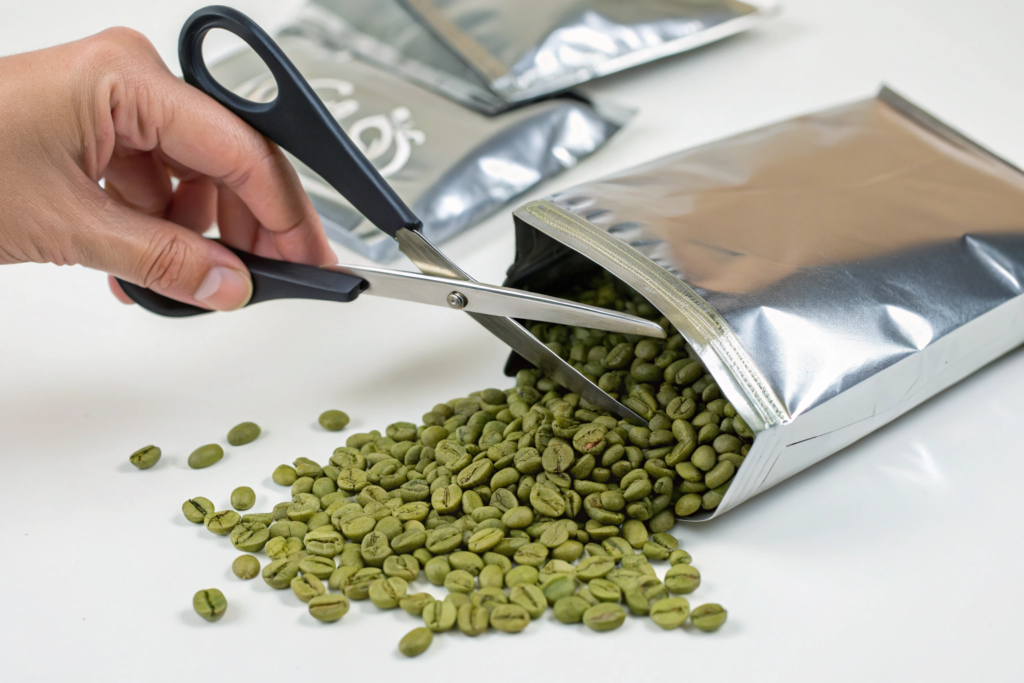
People use the term "vacuum packed" loosely. In the coffee trade, we are almost never using a hard vacuum like you see on a brick of supermarket ground coffee. That would crush the beans and crack the parchment. Instead, we use hermetic barrier bags.
The industry standard is the GrainPro Cocoon or the GrainPro TranSafeliner. These are multi-layer plastic bags with an oxygen barrier layer, usually EVOH (ethylene vinyl alcohol). Here is how they work. You fill the bag with green coffee. You seal the top with a zip tie or heat sealer. You do not suck the air out with a vacuum pump. Instead, the coffee beans themselves respire. They consume the small amount of oxygen trapped inside the bag over the first few days. They release a tiny bit of CO2. The result is a naturally modified atmosphere. Low oxygen. Slightly elevated CO2. This puts the seed to sleep and kills any insects or larvae that might be hiding in there.
At Shanghai Fumao, we use the TranSafeliner inside every jute bag we export. It adds about 50 cents to the cost of the bag. Some buyers ask me to skip it to save money. I refuse. I will not ship a container to the U.S. in just jute. The risk of moisture damage and quality loss in transit is too high. It is not worth the $160 savings. If you want to read the technical specifications on hermetic storage, the GrainPro website has excellent white papers on the science.
How Do Temperature Fluctuations in a Warehouse Impact Vacuum Sealed Shelf Life?
Even in a sealed bag, temperature is a killer. Think of it like this. The bag stops moisture exchange. It stops oxygen exchange. But it does not stop chemical reactions inside the bean. And chemical reactions speed up with heat. For every 10 degrees Celsius (18 degrees Fahrenheit) increase in temperature, the rate of staling roughly doubles. That is a rule of thumb from the food science world.
So, if you store a pallet of green coffee in a non-climate-controlled warehouse in Houston during August, where it hits 105 degrees Fahrenheit inside, you are cooking the coffee. Slowly. The bright acidity fades first. The floral notes die. You are left with a heavy, woody body and not much else. That is why I always ask my buyers: "Where are you keeping this?"
Here is a subjective observation. I have visited roasters who keep their green coffee in a beautiful loft above the roastery. It looks cool. But the heat from the roaster rises. That loft is 90 degrees all day long. They wonder why their coffee tastes flat after 6 months. This is why. The bag is doing its job. The environment is failing it. For more insights on proper storage conditions, the National Coffee Association has resources on green coffee warehousing best practices.
What Is the Optimal Storage Window for Chinese Catimor and Arabica Post-Harvest?
You have the coffee in a sealed bag. You have it in a cool place. But there is still a clock ticking. And it started ticking the day the cherry was picked. This is what I call the "flavor window." It is the period when the coffee tastes like the place it came from, not like the bag it sat in.
The optimal storage window for Chinese Catimor and Arabica is 3 to 9 months post-harvest for peak aromatic complexity, with 9 to 14 months being acceptable for commercial grade blending, and anything beyond 18 months requiring careful re-evaluation for "past crop" defects before use.
This is not a hard cliff. Coffee does not expire on a Tuesday at 3 PM. It fades like an old photograph. Knowing where you are in the timeline helps you plan your blends.
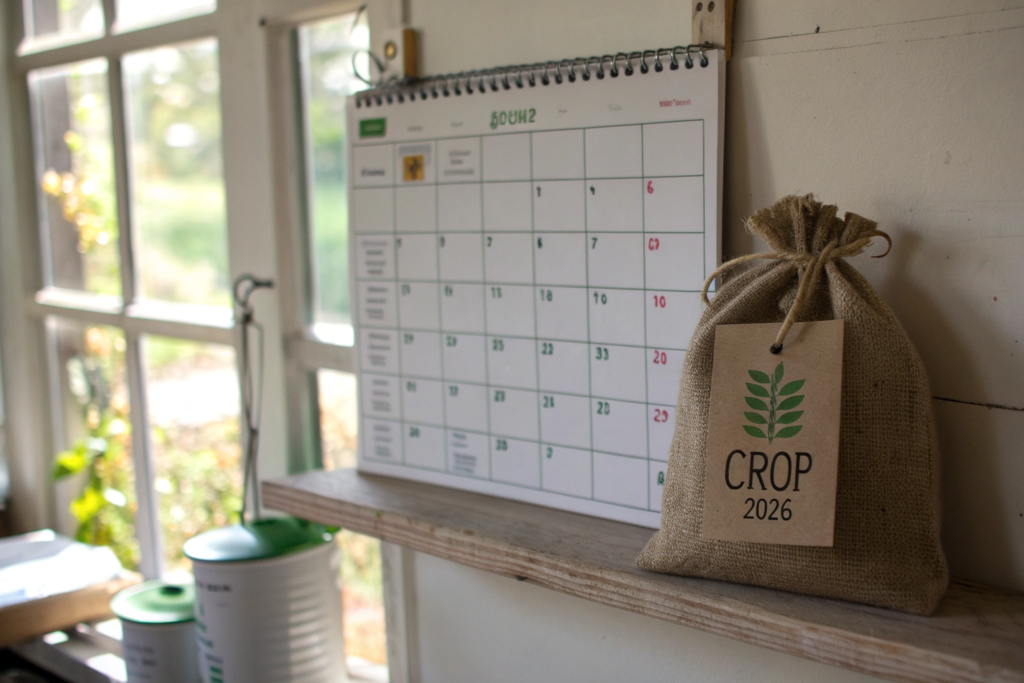
How Does the Age of Green Coffee Affect Roast Development and Flavor Profile?
This is a conversation I have with new roasters constantly. They buy a 2-year-old "bargain" coffee and cannot figure out why they cannot get a decent roast curve. Old coffee roasts differently. It is physics.
Fresh crop coffee (under 6 months) is dense. It is full of water and cellular structure. It resists heat transfer. You need to hit it with more energy at the start of the roast to get heat to the core of the bean. If you do not, you get underdeveloped, grassy notes.
Old crop coffee (over 14 months) is porous. The cellulose has broken down a bit. Water activity is lower. It absorbs heat much faster. If you use the same roast profile as fresh crop, you will scorch the outside of the bean before the inside is done. You get roasty, ashy flavors that cover up the lack of origin character.
Here is a simple table I share with my roasting clients to adjust their approach:
| Coffee Age (Post-Harvest) | Bean Characteristic | Roasting Adjustment Needed |
|---|---|---|
| Fresh Crop (3-6 months) | High Density, Resilient | Higher Charge Temp, More Gas Early |
| Peak Window (6-10 months) | Stable Density, Balanced | Standard Profile Works Well |
| Past Crop (12-18 months) | Lower Density, Fragile | Lower Charge Temp, Less Gas, Shorter Development |
| Aged/Baggy (>18 months) | Very Porous, Woody Aroma | Use only for dark roast blends or cold brew base |
If you are buying from Shanghai Fumao, I will tell you the exact harvest date. Not just the year. The month. I want you to succeed with the roast. That means you need to know how old the coffee is so you can treat it right.
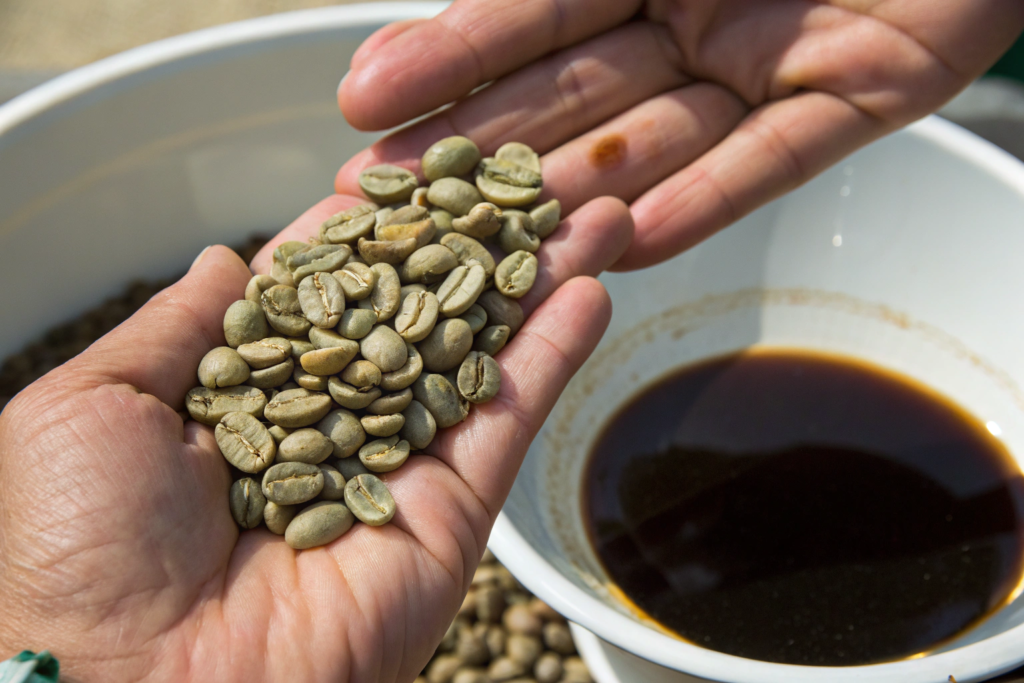
Can You Store Green Coffee in a Freezer or Refrigerator to Extend Shelf Life?
I get this question a lot from small-batch roasters and home enthusiasts. The answer is: Yes, but you will probably mess it up. Freezing green coffee works in a laboratory setting. The USDA and university studies show that cryogenic storage can preserve green coffee for years. But a commercial warehouse freezer is not a lab.
Here is the danger. Condensation. When you pull a frozen pallet of coffee out into a warm, humid warehouse, the cold beans act like a cold soda can on a summer day. Moisture condenses on the surface of the bean instantly. And because the beans are in a bag, that moisture has nowhere to go. It soaks into the bean. Or worse, it pools at the bottom of the bag and creates mold.
For commercial purposes, I advise against freezing unless you have a strict cold-chain logistics setup where the coffee is thawed under controlled, dry conditions. For 99% of my buyers, the best strategy is simple. Do not overbuy. Buy what you can roast in 6 to 9 months. Rotate your inventory. First in, first out. That is the safest, most cost-effective "preservation" method. If you want to dive deep into the science of freezing coffee, there are academic papers available through the American Chemical Society that discuss lipid oxidation in stored seeds.
What Visual and Sensory Signs Indicate Green Coffee Has Exceeded Its Shelf Life?
You cannot always trust the calendar. A coffee harvested 14 months ago but stored perfectly in a cold, dry mountain warehouse in Baoshan might taste better than a coffee harvested 6 months ago and left in a hot container at the port of Long Beach for three weeks. You need to use your eyes and your nose. The bean tells the truth.
Visual signs of aged green coffee include a faded, whitish or pale brown color instead of vibrant blue-green or jade, a wrinkled or pitted surface texture, and a dusty, muted aroma lacking the fresh grassy or sweet hay notes of new crop.
When I am evaluating a lot—whether it is my own inventory or a competitor's sample—I look for these signs before I even put the kettle on.
How to Identify "Faded" or "Baggy" Beans Before Roasting?
Start with the color. Fresh Yunnan Arabica, especially washed, should have a distinct bluish-green or jade hue. It looks alive. It almost glows. Past crop coffee fades. It turns a pale, yellowish-brown. It looks tired. It looks like a green shirt that has been washed too many times.
Next, look at the surface of the bean. Fresh coffee has a tight, closed center cut and a smooth, waxy surface. Old coffee often has a slightly open, ragged center cut. The surface might look a little wrinkled or pitted. This is because the bean has lost moisture and cellular structure over time.
Finally, smell the green beans. Take a handful and breathe deep. Fresh coffee smells grassy, sweet, maybe a little like green pepper or fresh hay. It is a clean, vegetal smell. Old coffee smells like... nothing. Or worse, it smells like a damp basement. That "baggy" smell is a specific defect. It smells like the burlap sack itself—dusty, woody, maybe a hint of pencil shavings. That smell will absolutely transfer to the cup. You cannot roast it out. If you smell baggy, the coffee is only good for one thing: cheap dark roast where you burn everything else away. Or maybe fertilizer. If you want to see high-resolution images of green coffee defects, the Specialty Coffee Association Green Coffee Grading Handbook is the definitive resource.
What Does a Cupping Reveal About Aged vs. Fresh Crop Arabica From Yunnan?
The proof is in the cup. You can fake the look of fresh coffee with good lighting. You cannot fake the taste. When you cup an aged Yunnan coffee next to a fresh one, the difference is stark.
Fresh Yunnan Arabica (under 9 months) has a distinct set of notes. Depending on the process, you get:
- Washed: Black tea, lemon zest, brown sugar sweetness, clean finish.
- Natural: Fermented berries, dried mango, dark chocolate, heavy body.
Aged Yunnan Arabica (over 14 months) loses all of this. The cup flattens out. The acidity is gone. Not muted. Gone. The body feels thin and watery. The aftertaste is short and sometimes slightly bitter or papery. It is like drinking coffee made from beans that someone forgot about in the back of the pantry.
At Shanghai Fumao, we cup every lot before we ship. If a coffee is approaching that 14-month mark and we notice the brightness is fading, we pull it from our specialty-grade inventory. We mark it as commercial grade and price it accordingly. I tell the buyer: "This is past crop. It will work for a dark roast espresso blend or a cold brew concentrate. It will not work for a light roast single-origin." Transparency is the only way to do business.
How Should I Manage Inventory Rotation for Imported Chinese Green Coffee?
You have done the hard work. You sourced the coffee. You got it through customs. It is sitting in your warehouse. Now the real discipline begins. Inventory rotation. It sounds boring. It is boring. But it is the difference between a profitable roastery and one that writes off thousands of dollars in dead stock every year. The pain here is the slow creep of waste. You do not notice it day to day. Then you do an audit and realize you have 20 bags of 2024 crop that you forgot about.
Managing inventory rotation for imported Chinese green coffee requires a strict First-In, First-Out (FIFO) system, with physical tagging of pallets by arrival date and harvest date, combined with quarterly sensory checks on any lots older than 12 months to verify viability.
This is not just about moving boxes. It is about protecting the sensory quality of the coffee you sell to your customers.
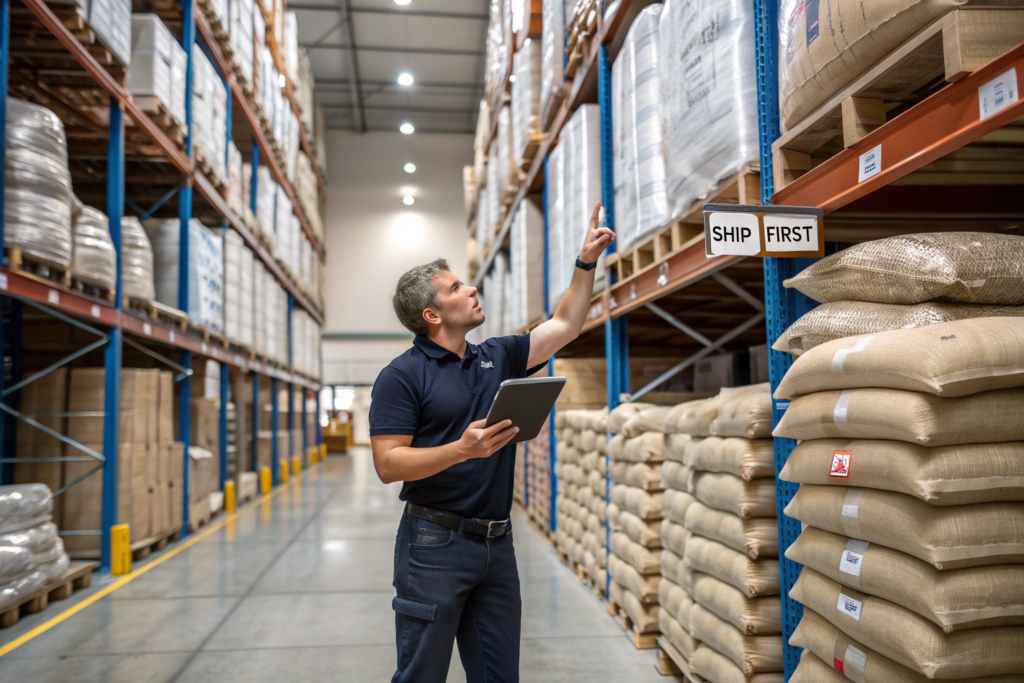
What Is the FIFO Method and Why Is It Critical for Green Coffee Warehousing?
FIFO stands for First In, First Out. It is the golden rule of warehousing anything perishable. Milk. Bread. Coffee. The oldest stock gets used first. The newest stock goes to the back.
Here is why it is critical. Let's say you buy a container of fresh 2026 crop in February. It arrives in March. You put it in front of the 2025 crop that arrived in November. Your warehouse guy grabs the closest bag. He uses the 2026 crop. It is fresh. It tastes great. But six months later, you finally get to the 2025 crop. Now it is 14 months old. It tastes flat. You just wasted that coffee. If you had used FIFO, you would have used the 2025 crop while it was still 10 months old and perfectly fine.
Implementing FIFO is simple.
- Label Everything: Put a big, visible date on every pallet. I recommend using the arrival date at your warehouse. That is the date you control.
- Train Your Team: The person driving the forklift needs to know why this matters. Show them a cupping of fresh coffee versus old coffee. They will get it.
- Audit Regularly: Once a quarter, walk the floor. Look at the dates. Are the oldest dates in the front?
This is basic stuff. But you would be shocked how many roasters fail at it. They are so focused on the romance of roasting that they neglect the discipline of storage. For more on warehouse management systems, you can find resources through the Warehouse Education and Research Council.
How Can I Safely Blend Older Stock With New Crop Arrivals?
Sometimes you get stuck with a few bags of older coffee. Maybe a client canceled an order. Maybe you overbought. You do not have to throw it away. But you have to be smart about how you use it.
The worst thing you can do is dump a bag of 18-month-old coffee into your signature light roast blend and hope nobody notices. They will notice. The brightness will vanish. Customers will complain that the coffee "changed."
Here is the safe way to blend down older stock:
- Use it in Dark Roast Blends: The roasting process covers up the lack of origin character. If you are doing a French Roast or an Italian Espresso blend, the roasty, smoky notes are the star. The coffee is just a vehicle for caffeine and body.
- Use it for Cold Brew: Cold brew is very forgiving. It extracts differently. You get less acidity anyway. Older, chocolatey coffees can actually make a great, smooth cold brew base.
- Dilute It Slowly: If you must use it in a medium roast, use a small percentage. Start with 10% old crop and 90% new crop. Cup it. If the drop in quality is acceptable, you can go up to 20% max. Anything more and the flat, woody notes of the old coffee will dominate the blend.
I have a client in Australia who specifically buys my "past crop" lots at a discount for his cold brew program. He knows exactly what he is getting. He knows the acidity is gone. He knows the body is still there. He uses it to make a killer concentrate. That is smart business. That is how you turn a potential loss into a niche product line.
Conclusion
The shelf life of vacuum-packed green coffee from China is not a single number. It is a sliding scale of quality. You have 12 to 18 months of safe storage in a sealed, cool environment. But you only have 9 to 12 months of peak flavor. After that, the coffee does not spoil in a food-safety sense. It just gets boring. It loses the very thing you paid a premium for—the unique taste of the Yunnan mountains.
Understanding this timeline changes how you buy. It means you should not order a full year's supply in one go if you cannot store it properly. It means you need to talk to your supplier about harvest timing. It means you need to be disciplined in your own warehouse.
At Shanghai Fumao, we think about shelf life from the moment the cherry is pulped. We use the right bags. We store the coffee at altitude where it is naturally cool. We track the age of every lot. And we tell you, the buyer, exactly how old the coffee is. Because we want that coffee to perform for you.
If you want to talk about timing your next shipment to match your roasting schedule and ensure you get the freshest possible crop, let's connect. We can look at the harvest calendar together and plan a delivery window that keeps your inventory fresh and your customers happy. Email my export manager, Cathy Cai. She can tell you exactly what we have in stock right now and what the harvest date is on every single bag.Contact Cathy at: cathy@beanofcoffee.com