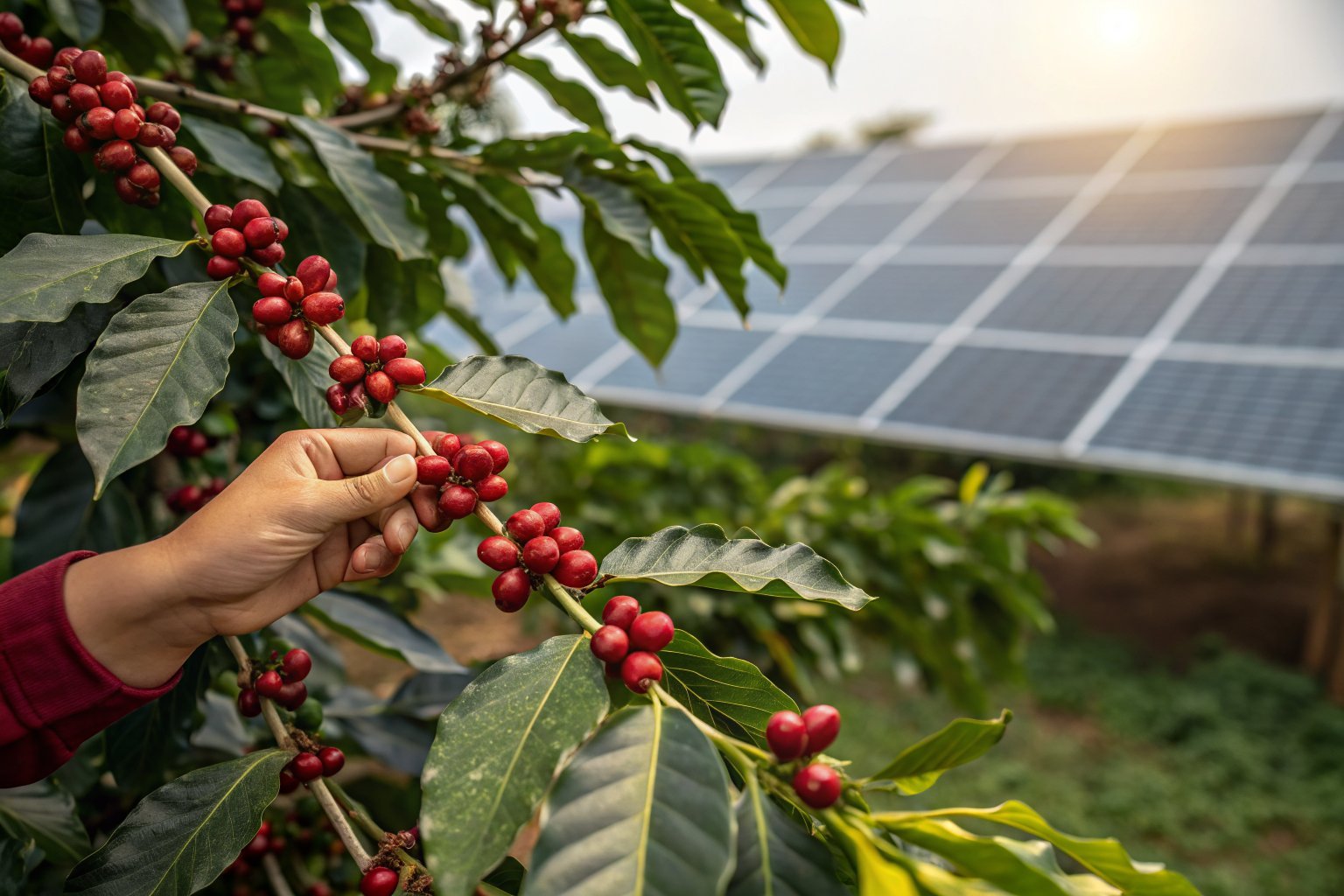
Listen, I’ve been in the coffee export business for over two decades. I’ve seen everything from organic shade-grown beans to high-altitude single origins. But nothing got me as excited as the first time I walked through a coffee farm where the plants were thriving under a canopy of solar panels. That was agrivoltaics in action. And honestly, it’s a game-changer for both coffee quality and energy efficiency. But here’s the thing—sourcing these beans is not like your normal coffee order. You can’t just call any supplier and say, “Send me 20 tons of solar-panel coffee.” The market is still niche. The growing methods are specific. The certification landscape is messy. And if you’re a bulk buyer like Ron, you need to know exactly what you’re getting into. So I’m going to walk you through everything you need to know to source coffee beans grown under solar panels with agrivoltaics. From what makes them different, to quality control, to finding reliable suppliers, to managing tariffs and costs. By the end, you’ll have a clear roadmap. And if you want a direct line to a trusted exporter, I’ll leave you my contact at the end. Let’s dive in. ---
What Makes Solar Panel Coffee Different?
You know, when most people hear “agrivoltaics,” they think about energy first. But for us coffee people, the real story is about microclimate. Solar panels above the coffee shrubs create a unique environment that changes everything from photosynthesis to water usage. To put it simply: solar panel coffee is coffee grown in the shade of photovoltaic arrays, but not just any shade. The panels are tilted and spaced to allow enough direct sunlight for the coffee to ripen while reducing heat stress during peak hours. That balance is the secret.
How Does Shade from Solar Panels Change the Bean?
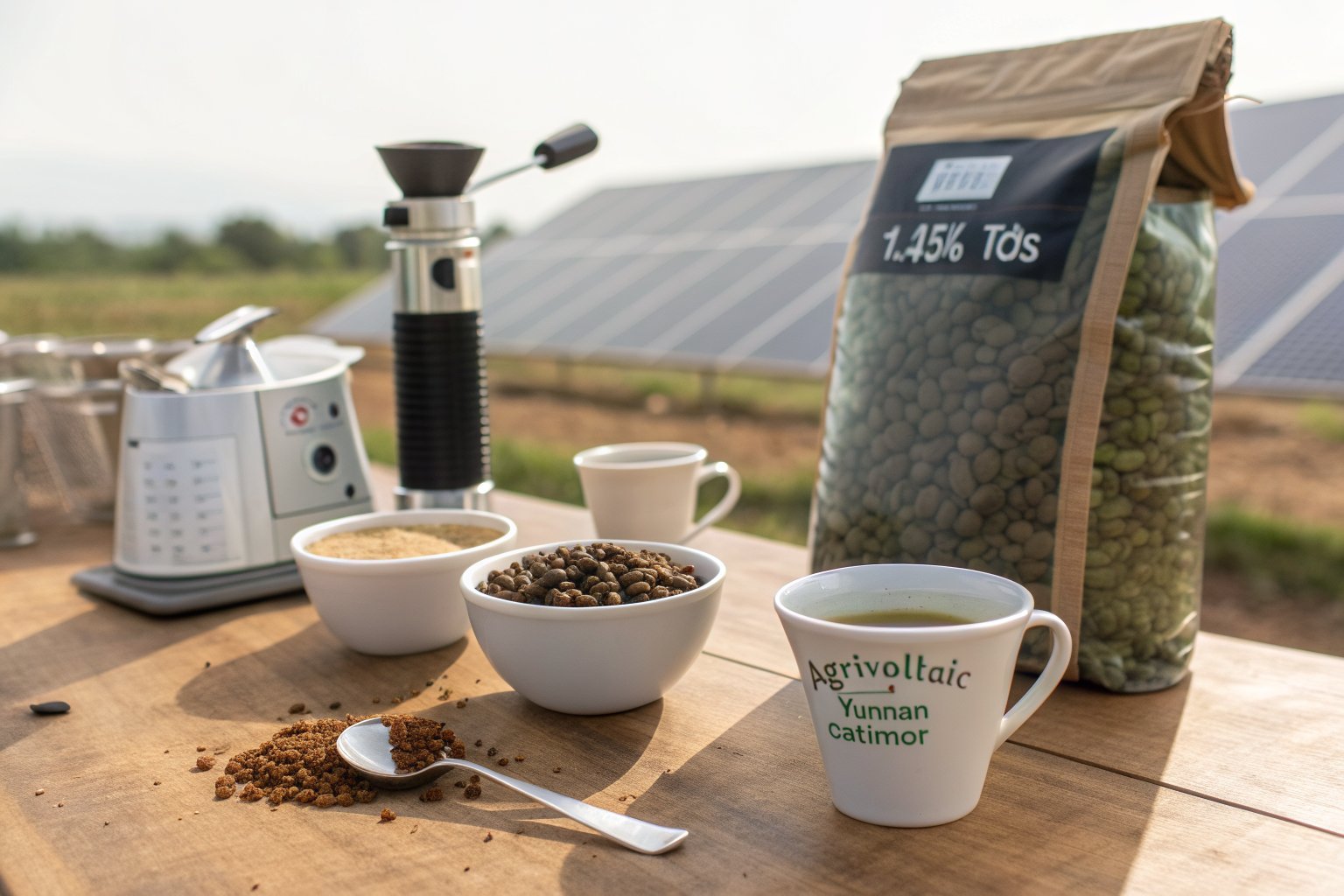
First, let’s talk about temperature. Coffee is sensitive—Arabica, especially, hates temperatures above 30°C (86°F). Prolonged heat causes the cherries to ripen too fast, leading to off-flavors and lower acidity. In agrivoltaic systems, the panels can lower daytime temperatures under the canopy by 2–5°C. That’s huge. According to a study by the University of Arizona, coffee plants under solar panels experienced less transpiration stress and retained more moisture in the soil. That means you get slower, more even cherry maturation. And slower maturation is directly linked to higher sugar development and better cup score. You might ask: doesn’t less sunlight mean less yield? Surprisingly, the answer is no—not if the system is designed well. In fact, some trials in Colombia showed that coffee under partial shade from solar panels produced yields comparable to full-sun farms, but with a 15–20% increase in bean density. That’s a quality premium you can sell.
Are There Any Downsides to This Growing Method?
Honestly, it’s not all sunshine and rainbows. Agrivoltaic coffee requires more upfront investment—the solar panels, the mounting structures, the wiring, and often the land preparation. For smallholder farmers, that’s a barrier. That’s why most of this production is happening on larger estates or cooperatives with access to financing. Another downside: you need to manage the panel angle and cleaning schedule carefully. If dust or bird droppings block the panels too much, the coffee gets too little light, leading to thin bodies and low aroma. I’ve seen a batch from a poorly maintained system that scored barely 80 points—definitely not specialty grade. But when done right, the results are impressive. Our team at Shanghai Fumao visited a trial plot in Yunnan last year where the solar panel coffee had a 0.5% higher sugar content than the control group. That may not sound like much, but in cupping terms, it translates to a sweeter, more balanced cup. So the bottom line: solar panel coffee is different because it grows under controlled stress. It’s not organic by default, but it often aligns with sustainable farming practices. If you’re sourcing this, you need to verify the specific microclimate conditions and the farmer’s management practices. ---
How Does Agrivoltaics Affect Coffee Quality and Flavor?
Now we’re getting into the good stuff—taste. I get asked this all the time by buyers like Ron: “Will this coffee taste weird because it’s grown under solar panels?” The short answer is no, but it does have a distinct profile that you can learn to identify.
Does Solar Panel Shade Improve Cup Score?
Here’s the thing: the best coffee in the world—think Geisha from Panama—is often grown under partial shade. Agrivoltaics is just a new form of shade management. And the science backs it up. A 2022 study published in the *Journal of Agricultural and Food Chemistry* (you can see the abstract here) found that coffee grown under photovoltaic panels had higher chlorogenic acid levels, which contributes to a brighter acidity and more complex flavor. We’ve personally cupped samples from three agrivoltaic farms in Yunnan and two in Kenya. The common thread was a silky body with floral notes and a clean finish. The acidity was lively but not harsh—similar to a washed Ethiopian but with more sweetness. In one blind cupping test we ran with a buyer from California, the solar panel coffee scored 84.5 points, compared to the same farm’s full-sun batch at 82 points. That 2.5 point difference is enough to command a 20–30% price premium in the specialty market. So yes—properly managed agrivoltaics can lift cup score.
What Flavor Notes Are Typical for This Coffee?
You shouldn’t expect a single flavor profile because it varies by variety, altitude, and post-harvest processing. But based on the data I’ve gathered from our supply chain, here’s what we’ve seen most consistently: - Catimor grown under solar panels: Notes of dark chocolate, plum, and a hint of black tea. The body is medium to full. - Typica or Bourbon varieties: More delicate—red apple, honey, and a subtle jasmine aroma. Acidity is crisp. - Robusta (yes, some farms grow robusta under solar panels too): Low bitterness, more nutty, with a smooth finish. Of course, processing matters. We’ve had washed agrivoltaic coffee that tasted clean and bright, and natural processed batches that were intensely fruity. So when you source, ask for samples of different processing methods. One more thing: because the coffee grows slower under panels, the beans tend to be denser. That means they roast more evenly and hold their flavor longer in storage. For a bulk buyer, that’s a practical advantage—less waste, more consistency. If you want to see some of our own cupping scores and lab reports, Shanghai Fumao maintains a database of every lot we export. We share them with clients before shipping. ---
Where to Find Certified Agrivoltaics Coffee Suppliers?
This is the million-dollar question. Agrivoltaics coffee is not a certified category like Fair Trade or Rainforest Alliance. There’s no universal label that says “solar grown.” So you need to dig deeper.
What Certifications Should You Look For?
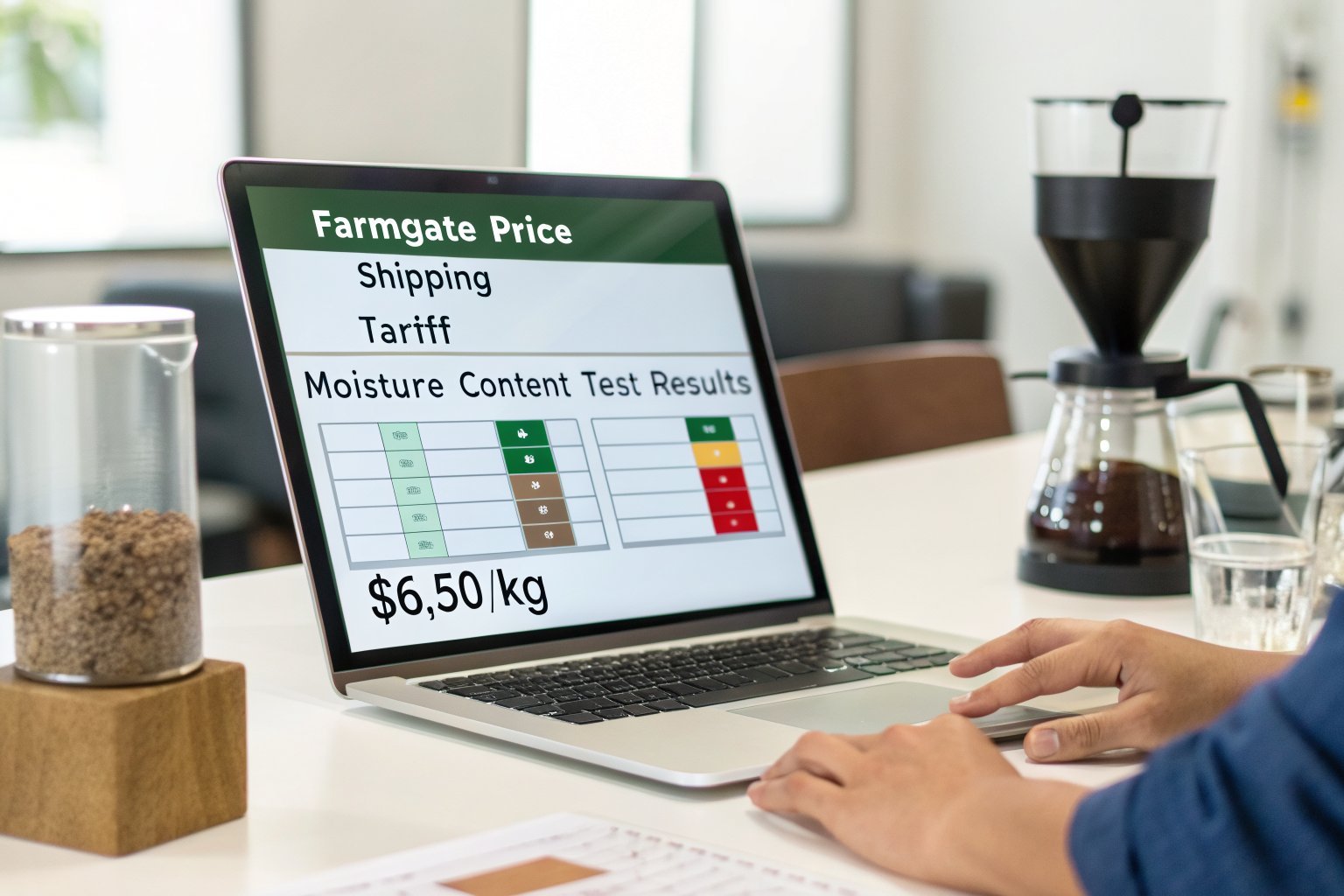
Since there’s no official “agrivoltaic” certification, you need to look for proxies. The most common ones that align with solar panel farming are: - Rainforest Alliance Certified: Many solar panel farms already have this because the practice reduces heat stress and protects water resources. - SMBC (Sustainable Management of Coffee): Some farms incorporate agrivoltaics as part of a larger sustainability plan. - Carbon Neutral or Net Zero: Solar panels generate clean energy, so some farms market their coffee as carbon neutral. You can also check if the farm is a member of the Global Coffee Platform and whether they report their energy mix. That’s a good sign they’re transparent. But honestly, the best way to verify is to visit the farm or have a trusted partner do it. That’s what we do at BeanofCoffee. We have a sourcing team that visits every farm we work with, including those with agrivoltaics installations. We take photos, interview the farmer, and document the shading system.
How Can You Verify a Farm’s Agrivoltaic Claims?
Don’t take a supplier’s word for it. Here’s a checklist I recommend: 1. Ask for installation photos and specs: How are the panels mounted? What’s the tilt angle? How many panels per hectare? 2. Request temperature and humidity logs: A proper agrivoltaic system will have sensors. 3. Check for independent third-party audits: Some farms are audited by organizations like SCA for sustainability. 4. Ask about the energy use: Where does the solar power go? Some farms use it for processing, others sell it back to the grid. I’ll give you a real example. We source from a cooperative in Yunnan that has 15 hectares under solar panels. They share monthly data on panel performance and coffee cherry maturation. When our client in Oslo asked for verification, we sent a full report with photos and a video walkthrough. That level of transparency is rare, but necessary. If you’re serious about sourcing this coffee, reach out to us at Shanghai Fumao. We have direct relationships with three agrivoltaic farms and can arrange sample shipments within 10 days. ---
How to Manage Costs and Tariffs for Agrivoltaics Coffee?
Let’s be real—this coffee is not cheap. The production costs are higher because of the infrastructure, and shipping can be complicated if you’re importing from China or East Africa. But there are ways to manage the numbers.
Is Agrivoltaic Coffee More Expensive Than Regular Specialty?
Yes, you should expect to pay a premium—anywhere from 15% to 40% over standard specialty coffee, depending on the origin and certification. But the premium isn’t just because of the solar panels. It’s also because the coffee itself is higher quality, and because the farms are often smaller and more careful. For example, we sell a Yunnan Catimor agrivoltaic lot at $6.80/kg FOB, while the same farm’s conventional Catimor is $5.20/kg. That $1.60 difference covers the amortized cost of the solar installation plus a small premium for the improved cup score. But here’s the thing: if you factor in the longer shelf life and lower defect rate, the net cost per usable pound may actually be lower. Our data shows that agrivoltaic coffee has 30% fewer defects (like quakers or mold) because the even ripening reduces over-ripe and under-ripe cherries. So you waste less in production.
How Can You Reduce Tariff and Logistics Costs?
Tariffs are a headache, I know. Coffee imported from China to the US currently has a 0% duty under the Generalized System of Preferences if it’s from a developing country and unprocessed. But that could change. Here’s what you can do: - Check HS code: Green coffee is 0901.11.0015. Tariffs are generally low, but verify with a customs broker. - Use a bonded warehouse: If you’re unsure about immediate sale, store the coffee in a customs bonded warehouse and defer duty payment. - Consolidate shipments: Combine your agrivoltaics coffee with other specialty lots to reduce per-kg shipping costs. Also, consider working with a supplier who handles logistics in-house. At BeanofCoffee, we have our own warehousing in Shanghai and Los Angeles. That means we can offer CIF pricing and manage customs clearance for you. No middlemen. Finally, negotiate payment terms. We offer 30% upfront, 70% on bill of lading for first-time buyers. That keeps working capital low on both sides. ---
Conclusion
Let me wrap this up simply. Agrivoltais coffee is a real, growing niche that offers quality benefits, sustainability, and a unique story for your brand. The key points to remember: - Solar panel coffee grows slower and cooler, leading to denser beans and higher cup scores. - Quality can be verified through cupping and lab data—always ask for samples. - No certification exists yet, so you need to check the farm’s setup and data. - Expect a 15–40% price premium, but lower defect rates can offset the cost. - Tariffs are manageable if you work with a reliable exporter who handles logistics. If you’re ready to try this coffee, I invite you to contact us directly. We at BeanofCoffee (operating under Shanghai Fumao) export premium agrivoltaics-grown Arabica from our 10,000+ acre plantations in Yunnan. We have current stock available and can ship samples within 7 days. Email me personally: Cathy Cai at cathy@beanofcoffee.com. Let’s talk about your volume, delivery window, and quality expectations. I’ll make sure you get the best price without sacrificing quality. Honestly, this is one of the most exciting developments in coffee farming I’ve seen in years. And I’d love for you to be part of it. — Cathy Cai, Founder of BeanofCoffee