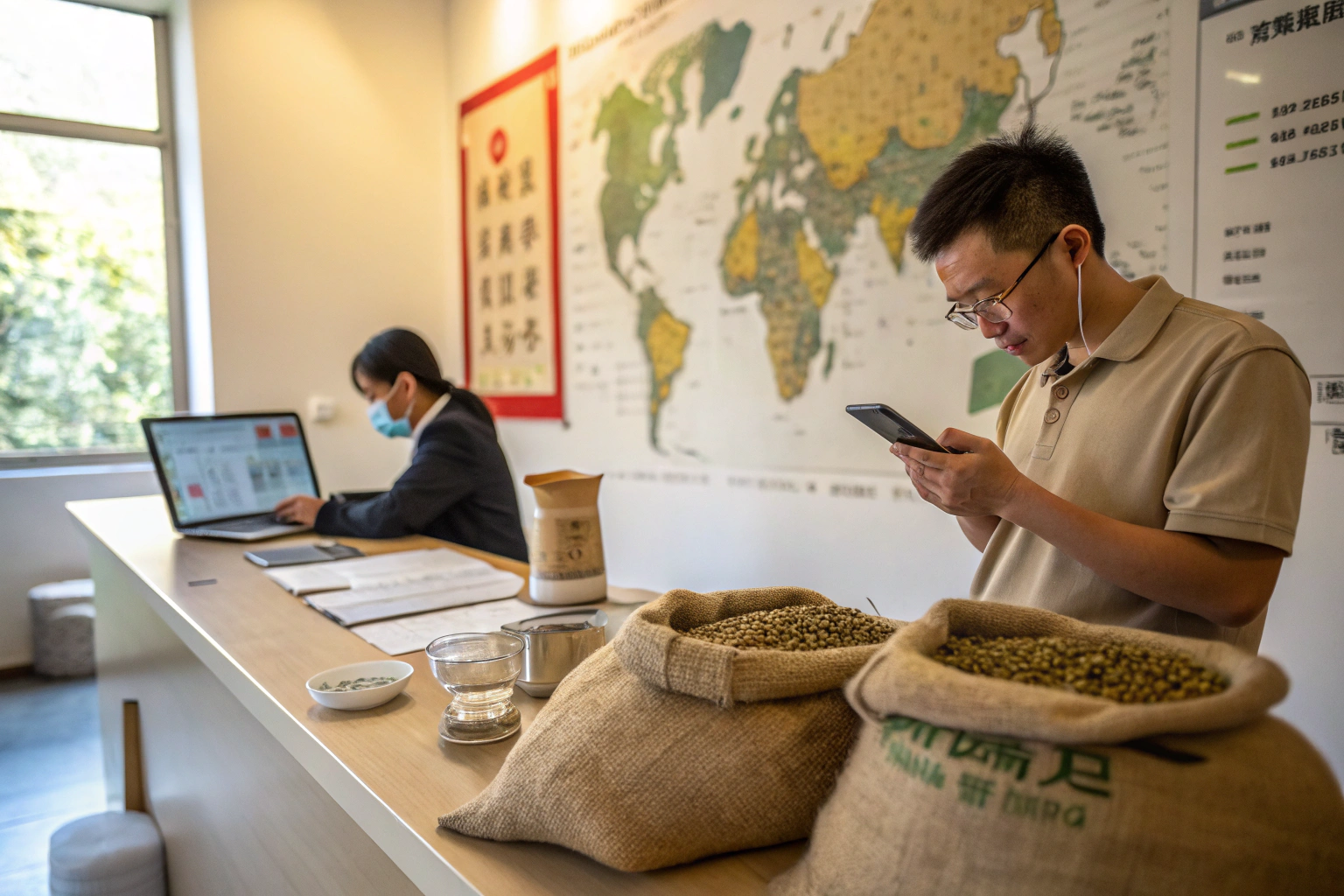
If you sell coffee, your network decides your income. That sounds simple. But building that network is hard. Ron, I know you care about price, quality, shipping time, tariffs, and trust. You may go to trade shows once a year. You may send cold emails that never get answers. You may post on LinkedIn and hear nothing. That is frustrating. You need a faster, more personal way to talk with buyers.
To grow your B2B coffee network using WhatsApp, set up a business profile, add your number everywhere, join coffee groups, share short updates, send sample photos, and reply fast. Use WhatsApp for quick talks and relationship building. Move contracts and payments to email. Treat WhatsApp as a daily habit, not a one-time task.
This article will show you how I build my coffee network on WhatsApp. I will share what works and what fails. I will also explain how we handle buyer chats at BeanofCoffee. Then you can grow your network without wasting hours.
Why Is WhatsApp Important for Coffee Exporters and Buyers?
You may think WhatsApp is just a chat app. Many people do. But in coffee trade, it is a real business tool. Farmers use it. Exporters use it. Buyers use it. It crosses borders fast. It works on cheap phones. It sends photos, voice notes, and files. That makes it very useful for coffee deals.
WhatsApp is important for coffee exporters and buyers because it is fast, global, and personal. You can send sample photos, cupping notes, shipping updates, and price offers in seconds. It also supports voice notes, which helps when English is not the first language. Many coffee buyers in Asia, Africa, Latin America, and even North America already use it daily.
At BeanofCoffee, we use WhatsApp every day. We talk with buyers in America, Europe, and Australia. We also talk with farmers and cooperatives in Yunnan. It saves time. It also builds trust. A quick reply can keep a deal alive. A slow reply can lose it.
| WhatsApp Strength | Coffee Business Use |
|---|---|
| Fast messages | Quick price checks |
| Photo sharing | Sample and packing proof |
| Voice notes | Easier talks across languages |
| Group chats | Team and buyer updates |
| File sharing | Specs and certificates |

How Does WhatsApp Beat Email for Coffee Deals?
WhatsApp beats email for coffee deals in speed and feel. Email is formal. It waits in an inbox. WhatsApp feels like a talk. You can send a photo of a fresh sample. You can ask a quick question. You can get a reply in minutes. That speed matters when coffee prices move fast. You can learn more from WhatsApp Business and Meta Business about business tools. I have closed small deals in one day on WhatsApp. The same deal by email would take a week. But do not do everything on WhatsApp. Big terms, payments, and contracts should go to email. That keeps a clear record. So, use WhatsApp to talk. Use email to confirm. That mix works well.
What Limits Does WhatsApp Have in B2B Coffee?
WhatsApp has limits. It is not a contract. It is not a bank. It is not a shipping document. Messages can get lost. Phones can break. Numbers can change. Also, some buyers in North America and Europe prefer email or LinkedIn for first contact. So, do not put all your talks in one app. Keep records. Save key messages. Move big steps to email. You can also check Trade.gov for export and trade guidance. I tell buyers to treat WhatsApp as a fast lane, not the main road. Use it for speed. Use other tools for proof. That way, you get the best of both.
How Do You Set Up a Professional WhatsApp Business Profile?
You may have a personal WhatsApp. That is fine for friends. But for business, you need a professional profile. It builds trust fast. It shows you are real. It also helps buyers find you. A weak profile looks like a scam. A strong profile looks like a partner.
To set up a professional WhatsApp Business profile, use your company name, add a clear logo, write a short description, list your website, set business hours, and create a catalog. Add your address and email. Use a business account, not a personal one. This makes buyers feel safe and helps them understand what you sell.
At BeanofCoffee, we use WhatsApp Business. Our profile shows our company name, website, and product list. It also shows our location in Baoshan, Yunnan. That small detail helps buyers trust us. They can see we are a real farm and exporter.
| Profile Item | Why It Matters |
|---|---|
| Company name | Builds trust |
| Logo | Looks professional |
| Description | Explains your business |
| Website link | Shows you are real |
| Catalog | Shows products fast |
| Business hours | Sets reply expectations |

What Should Your WhatsApp Business Description Say?
Your description should be short and clear. Start with what you do. Then say where you are. Then say what you sell. For example: "BeanofCoffee is a coffee exporter in Baoshan, Yunnan, China. We sell Arabica, Robusta, and Catimor. We ship green beans and packaged coffee to North America, Europe, and Australia." That is simple. It answers the main questions. You can learn more from Shopify and HubSpot about business profiles. I tell buyers to avoid long paragraphs. Keep it under 250 characters. Use plain words. Then add your website link. A buyer who clicks your site will learn more. A buyer who cannot find your site will move on. So, make it easy.
How Do You Use the WhatsApp Catalog for Coffee?
The WhatsApp Catalog lets you list products with photos and prices. You can add Arabica, Robusta, Catimor, green beans, roasted beans, and packaged coffee. You can add a short description for each. You can also add a link to your website. This saves time. A buyer can see your range without asking. You can learn more from WooCommerce and BigCommerce about product listings. I tell sellers to add five to ten items. Do not add fifty. Too many items confuse buyers. Keep it simple. Add your best sellers. Add your sample packs. Then update it each season. A fresh catalog shows you are active. An old catalog looks dead. So, keep it current. Then share it in chats.
What Are the Best Ways to Share Coffee Samples and Offers?
You may now have a profile. You may have a catalog. But how do you share samples and offers? This is where many people fail. They send too much. They send long texts. They send blurry photos. They send prices with no context. That pushes buyers away. So, you need a simple plan.
The best ways to share coffee samples and offers on WhatsApp are short messages, clear photos, simple specs, and one clear question. Send moisture, defect count, cup score, and price only when asked. Use voice notes for complex points. Always confirm key terms by email. Keep the chat clean and focused on the buyer's needs.
At BeanofCoffee, we keep chats short. We send one photo of the lot. We send one line of specs. We ask one question. That style gets more replies. It also saves time. A long message often gets ignored. A short one gets an answer.
| Message Type | Best Use |
|---|---|
| Short text | Quick question |
| Photo | Sample or packing proof |
| Voice note | Complex explanation |
| PDF file | Spec sheet or certificate |
| Video | Warehouse or roast check |
Which Messages Get Coffee Buyers to Reply?
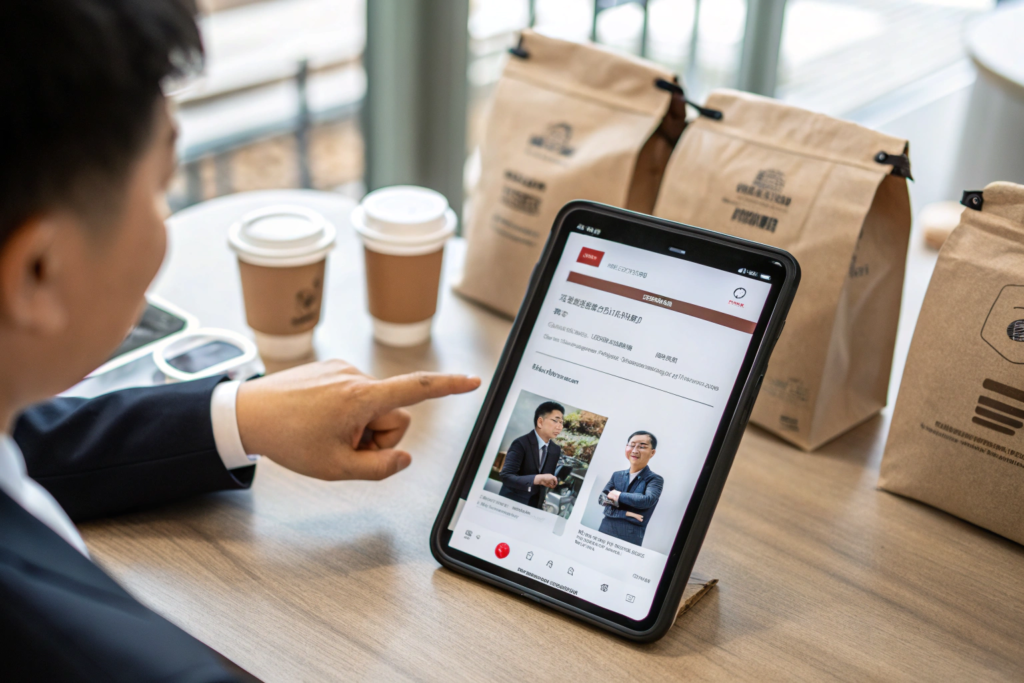
Short, clear messages get replies. Start with the buyer's name. State one fact. Ask one question. For example: "Hi Ron, we have fresh Baoshan Arabica. Moisture 11.8%. Do you want a sample?" That works. Long paragraphs do not. You can learn more from Perfect Daily Grind and Daily Coffee News about coffee trade habits. I also tell sellers to avoid sending prices in the first message. Price without context feels pushy. Offer a sample first. Then talk price. That builds trust. A buyer who tastes the coffee is more likely to buy. So, lead with value. Then talk numbers.
How Do You Share Sample Results on WhatsApp?
You share sample results with clear photos and simple data. Take a photo of the green beans on a white plate. Take a photo of the bag label. Then send the moisture number, defect count, and cup score. Use standards from the Coffee Quality Institute and Coffee Chemistry to explain the data. Do not send ten photos. Send two or three. Then ask if the buyer wants a physical sample. If yes, ask for the address. Then ship it fast. A fast sample shows you are serious. I have seen a sample arrive in three days and close a deal. I have also seen a slow sample lose the deal. So, speed matters. Use WhatsApp to confirm the address. Then ship. Then follow up.
How Do You Turn WhatsApp Chats into Real Coffee Orders?
You may now have chats. You may have samples. But chats do not pay bills. Orders do. So, you need to move from talk to deal. That takes a clear path. It also takes patience. Many buyers need time. They need to cup. They need to check price. They need to talk with their team. So, you must guide them step by step.
To turn WhatsApp chats into real coffee orders, qualify the buyer, send samples, follow up on time, answer questions fast, share shipping and tariff data, and move to email for terms. Then confirm the order in writing. Keep the chat warm but professional. Do not push too hard. Do not disappear either.
At BeanofCoffee, we use a simple follow-up schedule. Day one: send sample. Day three: confirm delivery. Day seven: ask for feedback. Day ten: share price and terms. Day fourteen: ask for a decision. That rhythm works. It shows we care. It also gives the buyer space.
| Step | Action |
|---|---|
| Qualify | Ask what, how much, where |
| Sample | Ship fast, confirm delivery |
| Follow up | Ask for cupping feedback |
| Quote | Share price and terms |
| Close | Move to email and contract |
| Repeat | Stay in touch after delivery |

How Do You Qualify a Coffee Buyer on WhatsApp?
You qualify a coffee buyer with a few simple questions. Ask what they buy. Ask how much they buy. Ask where they sell. Ask when they need coffee. Ask about payment terms. These five questions tell you if the lead is real. You can check market data from the International Coffee Organization and quality standards from the Specialty Coffee Association to sound sharp. I tell sellers to ask these questions in the first chat. Do not send a long catalog. Do not send ten photos. Just ask. Then listen. A real buyer will answer with numbers. A fake lead will vanish. That saves you time. Time is money in coffee. So, qualify fast. Then focus on the real deals.
How Do You Follow Up Without Being Annoying?
You follow up without being annoying by adding value each time. Do not just say "Any update?" That is weak. Instead, share something useful. Share a new sample photo. Share a shipping update. Share a price change. Share a harvest report. You can learn more from Mailchimp and HubSpot about follow-up habits. I tell sellers to space messages. Do not send five messages in one day. Send one message every three to four days. Keep it short. Keep it friendly. Then stop after three or four tries. If the buyer is silent, move on. Some buyers are not ready. Some are not real. Do not waste your energy. Focus on the buyers who reply. They are your future orders.
Conclusion
WhatsApp is a strong tool for B2B coffee networking. It is fast, global, and personal. Set up a business profile. Add your number everywhere. Join coffee groups. Share short updates. Send clear sample photos. Follow up on time. Move contracts to email. These steps help you grow your network without wasting money. If you want a reliable coffee bean partner in China, please contact us at BeanofCoffee. We own over 10,000 acres of coffee bean plantations in Baoshan City, Yunnan Province. We export Catimor, Arabica, and Robusta. We support raw beans and processed, packaged products. For orders, samples, and export details, please contact Cathy Cai at cathy@beanofcoffee.com.