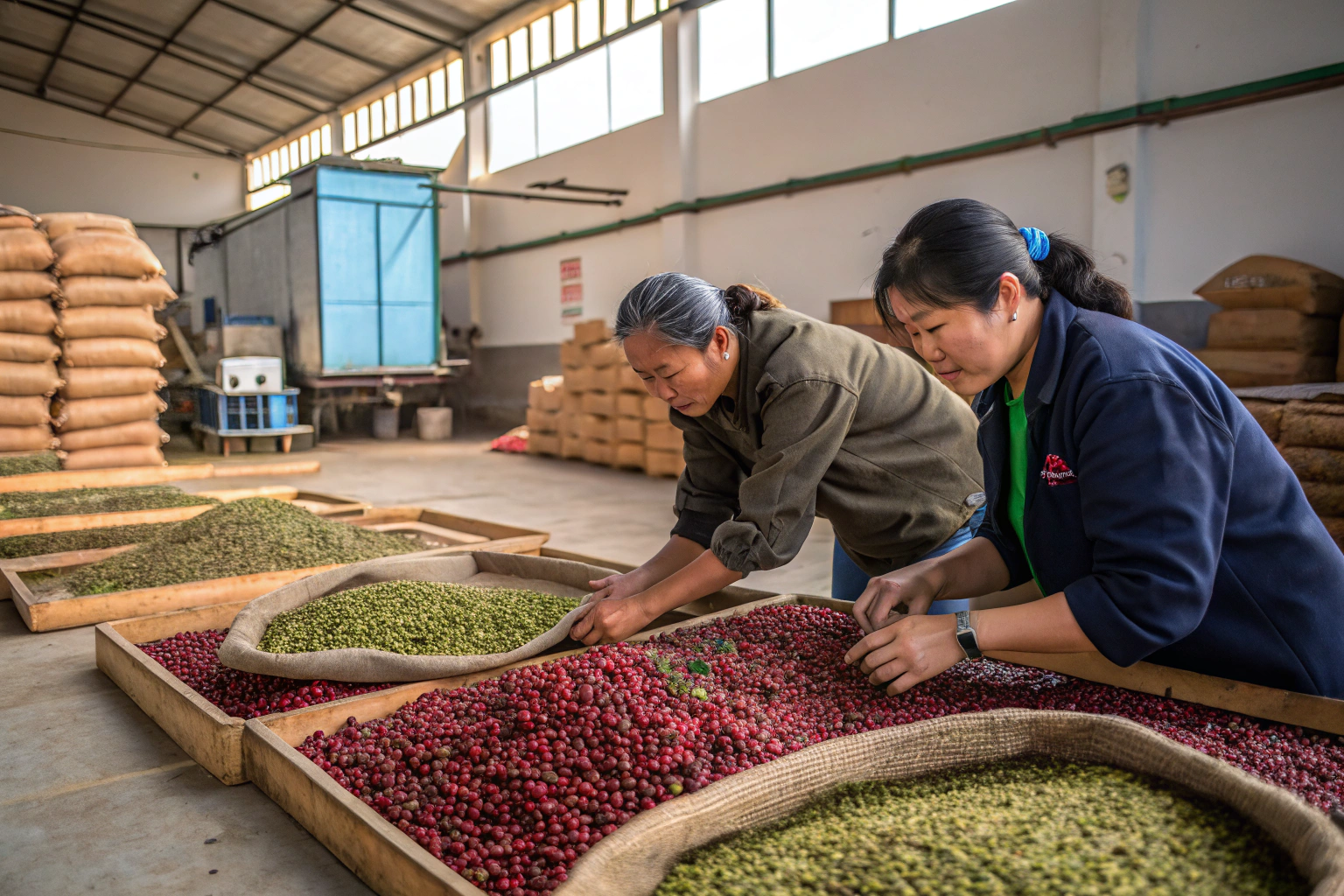
If you buy coffee from China, you may hear more about cooperatives in Baoshan. Ron, you care about price, quality, shipping time, tariffs, and payment. A cooperative can change all of these. But it can also bring new risks. So, you need to understand why they are growing.
Cooperatives are growing among Baoshan coffee farmers because small farms need better prices, shared equipment, training, certification, and direct market access. Export demand for traceable and stable coffee also pushes farmers to join groups instead of selling alone.
This article explains the trend. I will share what I see as a Chinese exporter. I will also show what it means for buyers in America, Europe, and Australia.
Why Are Coffee Cooperatives Growing in Yunnan?
You may wonder why farmers join a cooperative. It is not a fashion. It is a response to real pressure. Many farms in Baoshan are small. One family may have one or two acres. They cannot fill a container alone. They cannot pay for a huller alone. They cannot get a good price alone. So, they group together.
Cooperatives are growing in Yunnan because small farmers face low bargaining power, high input costs, climate risk, and strict export rules. A cooperative helps them buy, process, and sell together. It also helps them meet buyer needs for quality and traceability.
At BeanofCoffee, we work with farmers and cooperatives in Baoshan. We own over 10,000 acres of coffee bean plantations. But we also buy from nearby groups. This mix helps us keep supply stable. It also helps farmers earn more.
A cooperative is not a magic fix. It needs good leaders. It needs clear rules. It needs open books. If members do not trust the leaders, the group breaks. If the group cannot sell, members leave. So, growth is real, but it is not easy.
| Pressure | How a Cooperative Helps |
|---|---|
| Small farm size | Combine volume for buyers |
| Low price | Bargain as one group |
| High cost | Buy fertilizer and tools together |
| Quality gaps | Train members on picking and sorting |
| Export rules | Manage papers and records |
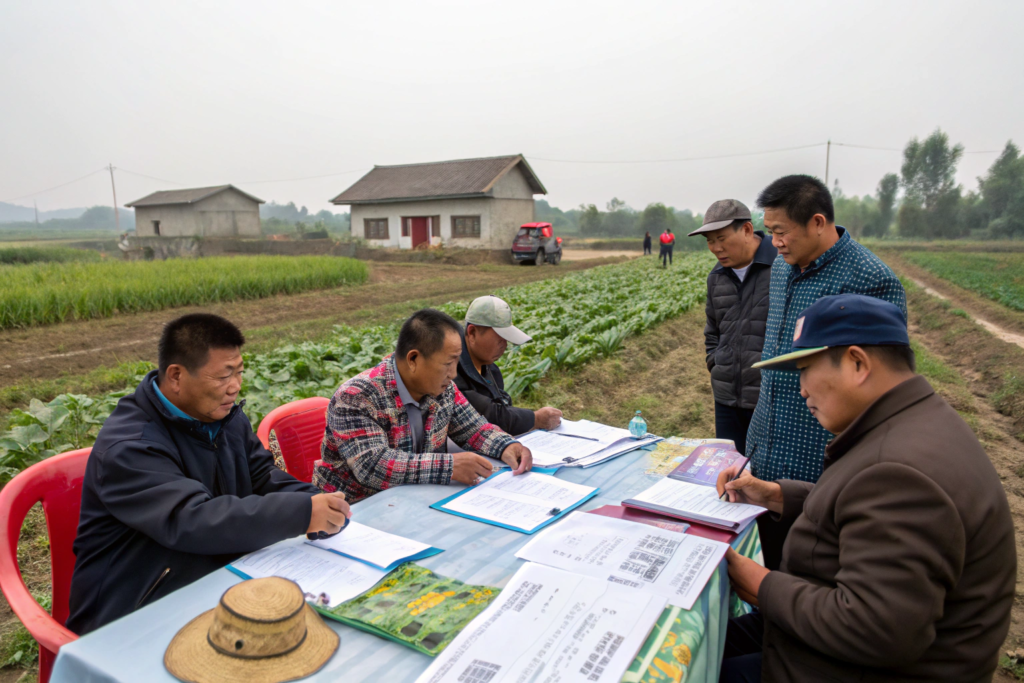
What Problems Do Small Coffee Farmers Face?
Small coffee farmers in Baoshan face many problems. They have small plots. They have old trees. They have labor shortages. Young people move to cities. They also face weather risk. Too much rain can hurt cherries. Too little rain can hurt size. Then middlemen offer low prices. Farmers may not know the world price. They may not have storage. They may need cash fast. So, they sell cheap. This cycle is hard to break. Groups like the International Cooperative Alliance and the International Fund for Agricultural Development study these rural problems. They show that small farmers often need collective action. That is exactly what we see in Yunnan. A farmer with two acres cannot fight a global market alone. But a group of 200 farmers can.
How Do Cooperatives Solve These Problems?
Cooperatives solve these problems by pooling money, labor, and coffee. They buy inputs in bulk. They share processing machines. They set quality rules. They hire managers. They talk to buyers as one seller. This brings better prices. It also brings better data. For example, a cooperative can track which member delivered which lot. Then a buyer can see the farm source. Groups like World Coffee Research and TechnoServe support this kind of work. They train farmers on better farming and business skills. In Baoshan, I have seen cooperatives help farmers switch from selling red cherries to selling dried green beans. That change can raise income. It also gives the buyer more control over quality. So, the cooperative is not just a seller. It is a small business network.
How Do Cooperatives Help Baoshan Farmers?
You may ask what farmers get from a cooperative. The answer is simple. They get services. They get a market. They get a voice. A good cooperative does more than collect beans. It helps members improve step by step.
Cooperatives help Baoshan farmers by providing training, shared equipment, bulk inputs, quality grading, market information, and direct buyer links. They also help farmers get certification and finance. These services can raise income and reduce risk.
But not every cooperative is strong. Some have weak books. Some have poor leadership. Some fail to pay on time. So, farmers and buyers both need to check the facts.
A cooperative can be a bridge or a wall. If it is open, it connects farmers to the world. If it is closed, it blocks information. I always ask three questions. Who leads? Who checks the money? Who owns the records? If the answers are clear, the group is likely stable. If not, I stay careful.
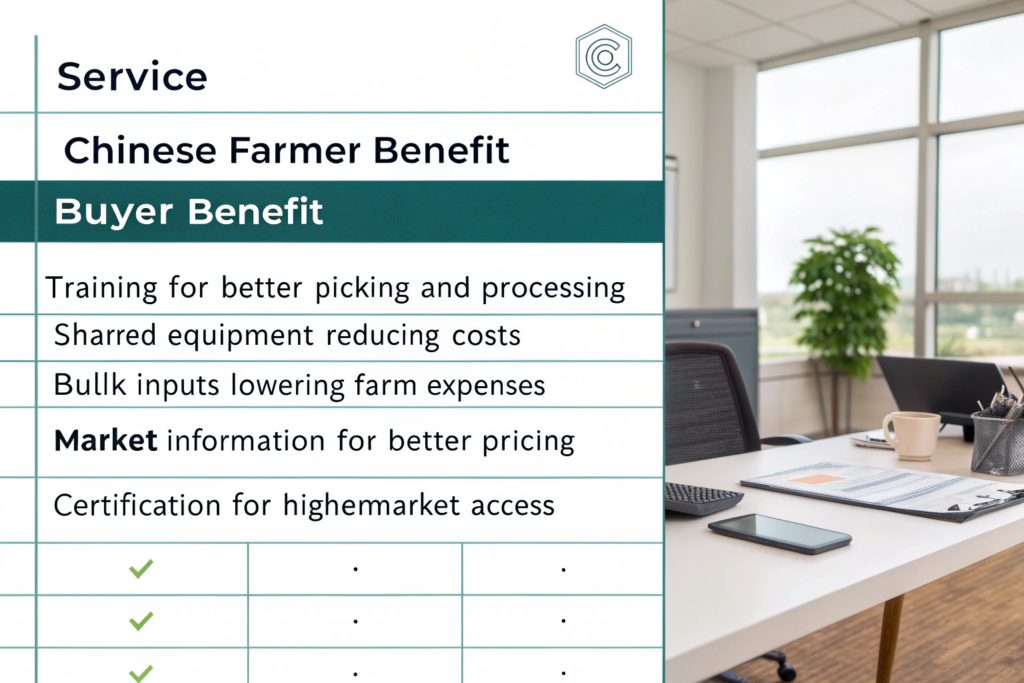
| Service | Farmer Benefit | Buyer Benefit |
|---|---|---|
| Training | Better picking and processing | More consistent quality |
| Shared equipment | Lower cost per kilo | Better processing control |
| Bulk inputs | Lower farm cost | More stable supply |
| Market info | Better price timing | Clearer price talks |
| Certification | Higher market access | Easier compliance |
How Do Cooperatives Improve Coffee Quality?
Cooperatives improve quality by setting rules. They tell members when to pick. They teach selective picking. They control fermentation. They dry beans on raised beds. They sort defects. They store beans in clean bags. Then they cup the coffee. This process helps buyers get a stable product. Groups like the Coffee Quality Institute and the Specialty Coffee Association set useful standards. A cooperative can train a whole village to meet those standards. That is powerful. One farmer alone may not know why a defect matters. But a group can share the lesson. In Baoshan, we see better color, better smell, and fewer defects when a cooperative is active. Quality is not only about the roast. It starts at the farm.
How Do Cooperatives Help Farmers Sell Coffee?
Cooperatives help farmers sell coffee by finding buyers and negotiating contracts. They can meet large orders. They can prepare samples. They can handle export papers. They can work with platforms like Global Coffee Platform and Fairtrade. They can also talk to traders and exporters. This direct link can cut out some middlemen. That can raise farm income. It can also give buyers a clearer supply chain. But selling is not only about price. It is also about timing. A cooperative can plan harvest, processing, and shipping. It can match a buyer's schedule. That helps avoid delays. For a U.S. buyer like Ron, this matters. You want coffee when you need it. You do not want to wait for a small farm to find a truck.
What Do Coffee Cooperatives Mean for Buyers?
Now you may ask what this trend means for you. You are not a farmer. You are a buyer. You care about cost, quality, and speed. A cooperative can help you. But it can also add a layer between you and the farm.
For buyers, coffee cooperatives mean larger volumes, better traceability, shared certification, and more stable supply. They can also mean lower risk and clearer records. But buyers must check management quality, payment terms, and logistics before they commit.
This is the part Ron cares about most. Price and time. A cooperative can improve both. But only if it is well run.
A cooperative can group many small farms into one shipment. That helps fill a container. It can also group many certificates into one file. That helps customs. But a weak cooperative can slow decisions. It can also hide problems. So, you need a partner who knows the local groups. At BeanofCoffee, we visit cooperatives in person. We check their records. We cup their coffee. We talk to members. This step protects our buyers.
| Buyer Need | Cooperative Strength | What to Check |
|---|---|---|
| Low price | Shared cost and volume | Real cost breakdown |
| Stable quality | Common rules and training | Batch records |
| Fast shipping | Planned harvest and processing | Sailing schedule |
| Certification | Group certification | Valid documents |
| Traceability | Member lot records | Farm-to-bag data |

How Do Cooperatives Improve Supply Stability?
Cooperatives improve supply stability by planning together. They know how much coffee members can deliver. They can set a harvest schedule. They can prepare drying and storage. They can fill orders in steps. This helps buyers avoid sudden shortages. Groups like the Food and Agriculture Organization and USDA AMS import and export services provide useful market and trade context. A cooperative can also share risk. If one farm has a bad year, other farms may still deliver. That spreads risk. For a buyer, this means fewer surprises. You can plan your roast and your sales. You can also talk about price earlier. Stability is not only about volume. It is about trust. A group that communicates well is worth more than a group that only offers a low price.
How Do Cooperatives Support Traceability and Certification?
Cooperatives support traceability by keeping member records. They can track who grew what. They can track when it was picked and how it was processed. This helps buyers prove origin. It also helps with certification. Groups like the Rainforest Alliance and the Organic Trade Association set standards that many buyers ask for. A cooperative can train members to meet these rules. It can also manage audits as a group. That is often cheaper than one farm doing it alone. For export, this matters. A buyer may need to show where the coffee came from. A clear record can speed up customs and protect the brand. But certification is not free. It takes time and money. So, buyers should talk about it early.
Are Baoshan Coffee Cooperatives Good for Export?
You may now think about export. Baoshan is in Yunnan. It is not a small origin anymore. It sends coffee to many markets. Cooperatives can help export. But they also need help. They need processing, roasting, packing, and shipping partners.
Baoshan coffee cooperatives can be good for export because they offer volume, traceability, and local knowledge. But they often need an experienced exporter to handle quality control, roasting, packaging, documents, and logistics. The best results come from a close partnership.
We work with cooperatives in Baoshan. We also own plantations. This gives us a strong base. We can buy from groups and process in our own facilities. Then we export raw beans or packaged products. This model helps buyers and farmers.
Export is not just selling. It is a chain. The chain includes harvest, processing, storage, roasting, packing, customs, shipping, and payment. A cooperative may be strong at harvest. But it may be weak at customs. An exporter can fill the gaps. That is why partnerships matter. It is also why buyers should ask who handles each step.
| Export Step | Cooperative Role | Exporter Role |
|---|---|---|
| Harvest | Collect and sort cherries | Set quality targets |
| Processing | Dry and hull beans | Check moisture and defects |
| Roasting | Sometimes none | Run sample and production roasts |
| Packing | Sometimes basic | Food-safe packing and labels |
| Shipping | Sometimes none | Book space and clear customs |
| Payment | Often limited | Manage terms and risk |

How Do Cooperatives Work with Exporters Like BeanofCoffee?
Cooperatives work with exporters like BeanofCoffee by supplying green coffee, sharing records, and planning harvest. We visit farms. We cup samples. We agree on quality. Then we process and pack. We also handle export papers. For U.S. buyers, rules from U.S. Customs and Border Protection matter. We prepare documents early. We also plan shipping routes. Sometimes we blend cooperative coffee with our own plantation coffee. This helps keep flavor stable. It also helps fill large orders. The goal is simple. The buyer gets one reliable partner. The farmers get a fair price. The export chain stays clear. This model works well for North America, Europe, and Australia. It also works for buyers who want private label cold brew or roasted beans.
What Challenges Should Buyers Watch For?
Buyers should watch for several challenges. A cooperative may have weak management. It may lack working capital. It may miss a delivery date. It may have uneven quality between batches. It may also lack clear payment records. These problems are real. They are not reasons to avoid all cooperatives. But they are reasons to check. Read news from Daily Coffee News and guides from Perfect Daily Grind to see common issues in coffee supply chains. Then ask your supplier direct questions. Who leads the group? How are members paid? What records exist? What happens if one batch fails? A good supplier will answer with data. A weak supplier will answer with promises. You want data. You want clear terms. You want a partner who can solve problems before they reach your warehouse.
Conclusion
Cooperatives are growing among Baoshan coffee farmers for clear reasons. Small farms need better prices, shared equipment, training, certification, and market access. Export demand also pushes farmers to work together. For buyers, this trend can bring stable supply, traceability, and better quality. But it also brings new risks. You need to check management, records, payment, and logistics. You need a partner who knows the local groups and can handle export steps. A cooperative is not perfect. But a good one can be a strong link in your supply chain.
If you want a reliable coffee bean partner in China, please contact us at BeanofCoffee. We own over 10,000 acres of coffee bean plantations in Baoshan City, Yunnan Province. We export Catimor, Arabica, and Robusta. We support raw beans and processed, packaged products. For orders, samples, and export details, please contact Cathy Cai at cathy@beanofcoffee.com.