Your biggest client calls on Monday. They need 20 tons of Arabica in New York in four weeks. You check air freight. The quote is painful. Premium freight can eat your whole margin. You want speed, but you do not want to burn cash. That is the problem. The good news is you can solve it with planning, not panic.
You can handle urgent coffee orders without premium freight by using ready stock, pre-cleared documents, smart routing, consolidated shipments, and a supplier who communicates early. At BeanofCoffee, we do this every week from Yunnan, China. We keep Arabica, Robusta, and Catimor stock ready for buyers in North America, Europe, and Australia. You do not always need air freight. You need a plan.
Let me walk you through what actually works. I have shipped coffee for years. I have seen cheap plans fail and simple plans win. The details matter. So, what should you focus on first?
How Can You Speed Up Coffee Shipping From China?
You already know the clock is ticking. Every day you wait, the buyer gets nervous. Every extra freight dollar hurts your price. You want a fast shipment, but you do not want to pay for a private jet for coffee beans. That is the tension. The answer is not one magic trick. It is a chain of small speed moves.
The fastest way to speed up coffee shipping from China is to start with beans that are already in stock, documents that are already prepared, and a shipping plan that avoids peak bottlenecks. Speed comes from preparation, not from premium freight. When your supplier has green coffee ready and your broker knows the paperwork, you can save one to three weeks without paying air freight rates.
Now, let us look at the moving parts. Some buyers focus only on the ship date. That is a mistake. The real timeline starts at the farm and ends at your door. If you only watch the vessel, you miss the days lost before booking. You also miss the days lost after arrival. So, what does this mean? It means you should map the whole journey, then attack the slowest step.
| Shipping Method | Speed | Cost | Best For |
|---|---|---|---|
| Air freight | 3-7 days | Very high | Samples, small urgent lots |
| Express courier | 5-10 days | High | Small packages, documents |
| LCL ocean | 25-40 days | Medium | Small pallets, test orders |
| FCL ocean | 20-35 days | Lower per kg | Full container urgent orders |
| Rail + ocean | 18-30 days | Medium | Some inland routes |

Can Ready Stock Cut Weeks Off Your Coffee Lead Time?
Yes, ready stock is the fastest lever. When beans are already milled, bagged, and stored, you skip the harvest wait. You also skip some processing queues. I keep Catimor, Arabica, and Robusta in our Yunnan warehouse for this reason. A buyer can lock a lot today and load next week. The Coffee Institute shares useful research on green coffee handling. The National Coffee Association also explains why freshness and storage matter for quality. You still need a QC sample. You still need a contract. But you do not need to wait for a new crop. That can save two to four weeks. For urgent orders, that is huge. Just make sure the stock is rotated. Old stock can taste flat. So ask for a current lot and a recent moisture reading.
Does Booking Space Early Really Save Time?
It does, but not in the way most people think. Booking early does not make the ship go faster. It keeps you from getting bumped. In peak season, space fills up fast. Rates jump. Rollovers happen. If you wait until the last minute, you may pay more and still miss the vessel. The International Coffee Organization tracks global coffee trade patterns. The FAO coffee program also reports on supply chains. I tell my clients to book space as soon as the deposit clears. Do not wait for final packaging photos. Do not wait for every label proof. You can book space with an estimated cargo ready date. Then update the details later. This one habit prevents the most common delay I see. It also gives your freight forwarder time to find a better route.
What Causes Delays in Urgent Coffee Exports?
Delays are frustrating. They are also predictable. Most urgent coffee shipments do not fail because the ocean is slow. They fail because the paperwork is late, the schedule is tight, or the buyer and seller are not aligned. You can fix all three. You just need to know where the hidden traps are.
The main causes of delays in urgent coffee exports are incomplete customs documents, missed sailing schedules, sudden inspections, payment holds, and poor communication between the buyer, seller, and freight forwarder. If you prepare documents before the beans are ready and keep a buffer in your schedule, you can avoid most delays without paying premium freight.
Another way to look at this is simple. A coffee shipment is a relay race. The farm passes to the mill. The mill passes to the warehouse. The warehouse passes to the trucker. The trucker passes to the port. The port passes to the vessel. If one runner drops the baton, the whole team loses time. So, what does this mean? It means you should assign one person to own the timeline. That person should update everyone every two days. No surprises.
Are Customs Documents the Biggest Hidden Delay?
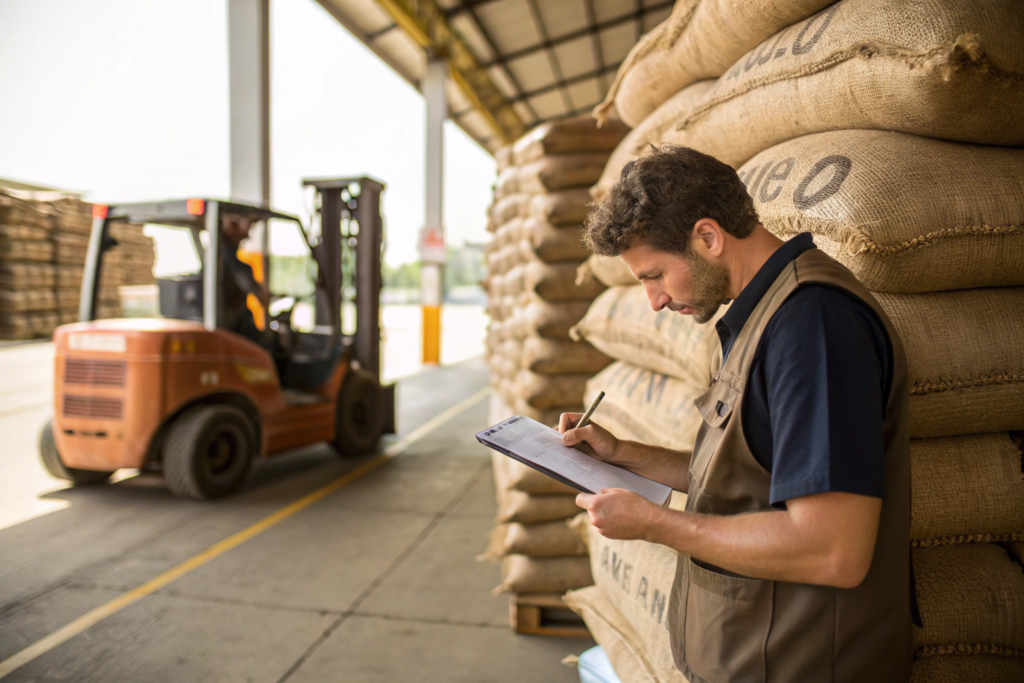
Often, yes. Customs does not care that your buyer is in a hurry. It cares about correct forms. A missing certificate, a wrong HS code, or a mismatched invoice can hold your coffee for days. The U.S. Customs and Border Protection website explains import requirements. The FDA food import rules also matter for coffee coming into the United States. I always prepare commercial invoice, packing list, bill of lading, certificate of origin, phytosanitary certificate, and any food safety documents before cargo arrives at the port. If your buyer needs organic or fair trade papers, get them early too. One wrong number can cause a costly exam. So check every document twice. Then check again. It sounds boring. It saves money.
How Do Sailing Schedules Create Surprise Delays?
Sailing schedules are not promises. They are plans. Port congestion, weather, equipment shortages, and blank sailings can change everything. The U.S. Department of Commerce trade portal offers market and logistics guidance. The USDA also publishes agricultural trade information. I look at two or three route options for every urgent order. Maybe the direct vessel is full. Maybe a transshipment route is faster this week. Maybe the port of discharge has a backlog. Your freight forwarder should give you options, not just one quote. Ask for the next two sailings. Ask about rollover risk. Ask about free time at the destination. These questions help you avoid a cheap quote that becomes an expensive delay.
Can You Cut Freight Costs Without Losing Quality?
Cost matters. You are running a business, not a charity. But cutting cost the wrong way can hurt quality. The goal is not the lowest freight quote. The goal is the lowest total landed cost with beans that still taste good. That is a different target. It changes how you choose a route and a supplier.
You can cut freight costs without losing quality by using full container loads, consolidating with other buyers, choosing the right packaging timing, and avoiding premium air freight for full orders. Quality stays safe when you control moisture, temperature, and handling. Cost goes down when you fill space and plan ahead.
Honestly, I have seen buyers save $2,000 on freight and lose $10,000 on rejected beans. That is a bad trade. So we focus on total cost. We ask: What is the bean cost? What is the freight cost? What is the tariff cost? What is the risk cost? When you add all four, the cheapest quote often loses. You know? The best quote is the one that arrives on time and in good condition.

Is Consolidation Cheaper Than Premium Air Freight?
For small urgent orders, consolidation can be a smart middle path. You share container space with other cargo. You do not pay for a full container. You also do not pay air freight rates. The U.S. Small Business Administration has resources on export finance and logistics. The Alibaba platform also shows how many suppliers group shipments. But consolidation has limits. It adds handling. It adds transit time. It may not work for 20 tons. For 500 kg or 2 pallets, it can work well. For a full container, FCL ocean is usually cheaper per kg. So match the method to the size. Do not use air freight for a full order unless the buyer pays for it.
Can Private Label Packaging Wait Until the Beans Arrive?
Sometimes, yes. This is a detail many buyers miss. You can ship green coffee in bulk, then roast and pack in the destination country. That can save freight cost because you are not shipping heavy retail bags and boxes across the ocean. The Specialty Coffee Association shares standards for green coffee and roasting. Perfect Daily Grind also explains packaging and freshness issues. If your buyer has a local roaster or co-packer, this can cut cost and time. But check the rules. Some buyers need retail-ready bags for their own warehouse. Some need labels in the local language. So plan packaging early. Do not assume. Ask your buyer what they need at arrival.
How Do You Plan Urgent Coffee Orders With a Chinese Supplier?
A good supplier is not just a seller. They are a partner in time management. When you are in a rush, you need clear answers. You need photos. You need updates. You need someone who picks up the phone. That is how you avoid premium freight and still hit your deadline.
To plan urgent coffee orders with a Chinese supplier, confirm stock, lock a realistic shipping date, prepare documents early, use video audits, and agree on payment and inspection terms before the deposit. A clear written timeline keeps both sides honest. It also gives you proof if something goes wrong.
I have learned this the hard way. In 2018, I took an urgent order without checking the mill schedule. The beans were ready, but the bags were not. We lost a week. We still made it, but we paid for a faster truck. Now I check every step. I also ask the buyer for their must-have date. Not the wish date. The must-have date. That changes the plan. If the must-have date is tight, we choose a different port. We choose a different pack size. We choose a different route. So, what does this mean for you? It means you should share your real deadline. Then your supplier can build a plan around it.
What Should You Ask Before You Pay a Deposit?
Ask five things. First, is the coffee in stock or on the way? Second, what is the exact load date? Third, what documents are included? Fourth, what is the payment schedule? Fifth, what happens if the vessel rolls? The LinkedIn network can help you check supplier references. Daily Coffee News also reports on market and trade issues. Get the answers in writing. A simple email chain is fine. Do not rely on chat messages that disappear. I also ask for a recent QC report. I ask for moisture content. I ask for screen size. I ask for defect count. These details protect both sides. They also prevent arguments later.
How Can a Video Audit Reduce Your Risk?
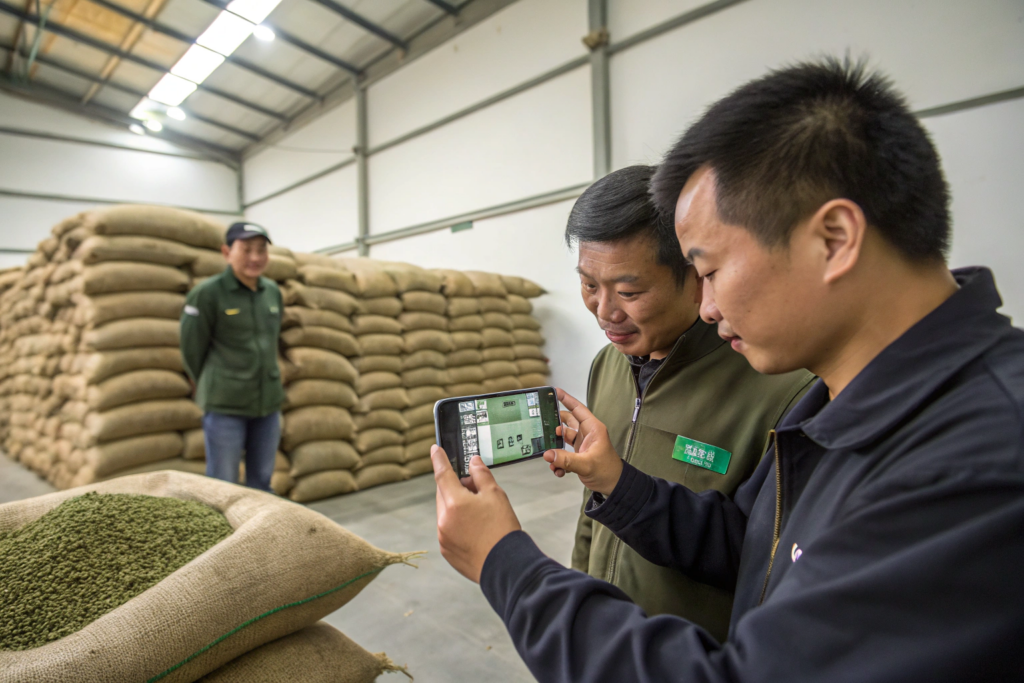
A video audit is a live call from the warehouse. You see the bags. You see the lot number. You see the weight. You see the loading. This is not a perfect replacement for a third-party inspection. But it is fast. It builds trust. The Coffee Review offers independent coffee reviews and tasting notes. Roast Magazine also covers quality control for roasters. I do video audits for urgent orders because they catch small problems early. Maybe a label is wrong. Maybe the bag count is short. Maybe the pallet is not wrapped well. You can fix these things before the container leaves. That saves days. It also saves money. You do not need a fancy studio. You need a phone, good light, and a clear checklist.
Conclusion
Urgent coffee orders do not have to mean premium freight. They mean you need ready stock, early documents, smart routing, and honest communication. You can use ocean freight, consolidation, or a mixed route. You can protect quality with moisture control, clean handling, and quick QC. You can protect your margin with planning. The key is to start early, even when the order comes late. I have seen this work for buyers in the U.S., Europe, and Australia. It works because the plan is simple. Everyone knows the next step. Everyone knows the deadline.
If you need Arabica, Robusta, or Catimor from Yunnan, China, we can help. BeanofCoffee owns more than 10,000 acres of coffee plantations. We export raw beans and packaged products. We work with large buyers, distributors, trading companies, and brand owners. For urgent orders, contact Cathy Cai at cathy@beanofcoffee.com. She will give you a clear plan, a real timeline, and a fair quote. Let us help you hit your deadline without paying for premium freight.