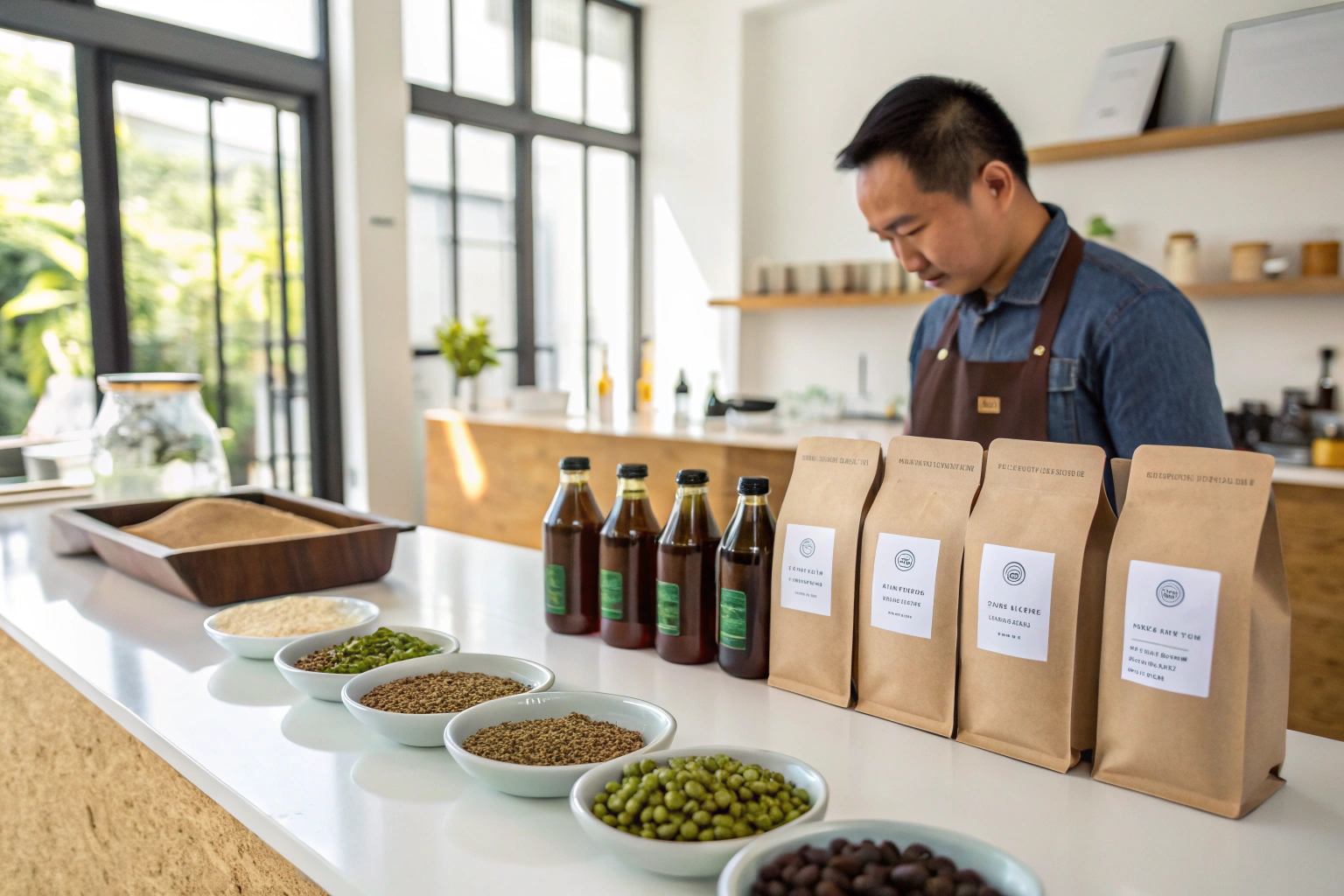
You want to grow your coffee business in 2026. You see many formats. Bags, pods, cans, bottles, private label. You want the best return. The problem is that not every format makes money. Some look exciting but eat cash. Some look boring but pay well. Let's fix that.
The most profitable coffee product formats in 2026 are private label roasted whole beans, ready-to-drink cold brew and latte, single-serve capsules, and specialty instant coffee. Bulk green coffee still works, but margins are thinner. The best format depends on your buyers, your shipping plan, and your brand. At BeanofCoffee, we see strong demand for Yunnan Arabica, Robusta, and Catimor in all these formats.
So, how do you pick? You need to look at margin, volume, shelf life, freight, and buyer type. I will break it down. I will share what I see from China. I will also show where the hidden costs hide.
Which Coffee Formats Have the Best Margins?
You may think the best format is the one with the highest price. That is not always true. High price can mean high cost. You need to look at margin per unit and margin per shipment. You also need to look at repeat orders. A format that sells once is not as good as one that sells every month.
In 2026, the best margins often come from formats that combine low freight weight, strong branding, and repeat purchase. Private label roasted whole beans and capsules lead for margin percentage. Ready-to-drink coffee leads for volume growth. Bulk green coffee leads for large contracts but has lower margin. Your best choice depends on your channel.
Another way to look at this is total landed cost. Let's say you import green coffee. You pay beans, freight, tariff, insurance, and storage. Then you roast, pack, and sell. Each step adds cost. Each step can add value. The question is simple. Which step gives you the best return? For some buyers, roasting is best. For others, packing is best. For others, selling green beans to a roaster is best. I have seen a small roaster make more profit from 500 kg of roasted bags than from 20 tons of green beans. Why? Brand and repeat sales. You know? The format matters. But the channel matters more.
What Makes a Coffee Format Profitable in 2026?
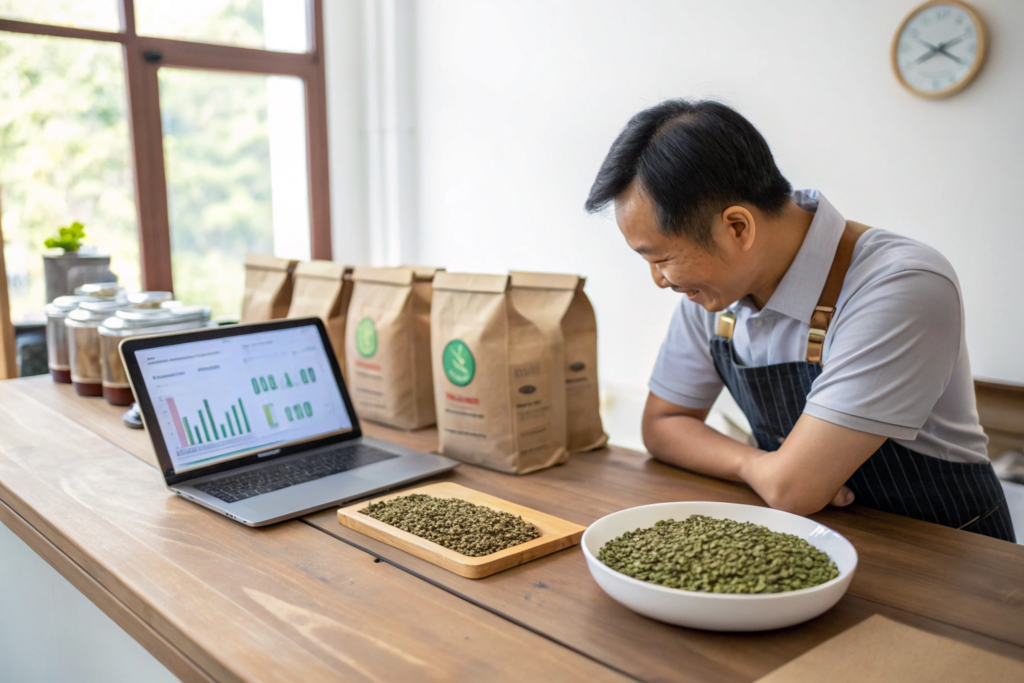
Profit in 2026 is not just about the bean. It is about the package, the shelf life, and the shipping weight. A roasted whole bean bag is light. It has good shelf life if you use a one-way valve. It sells to home brewers and offices. A ready-to-drink bottle is heavy. It needs cold chain in some cases. It has lower shelf life. So freight and returns can kill profit. I use Statista to check market size. I use Grand View Research to check coffee category reports. These sources help me see demand. But I always check my own numbers. I ask: What is the cost per kg? What is the sell price per kg? What is the return rate? What is the repeat rate? A format with 40% margin and no repeats is worse than a format with 20% margin and monthly repeats. So, what does this mean? It means you should test small. Then scale what works. Do not fall in love with a format. Fall in love with a repeat buyer.
Should You Focus on Volume or Margin Per Bag?
You need both, but not at the same time. Early in a business, margin per bag keeps you alive. Later, volume pays for overhead. A distributor may want low margin and high volume. A brand may want high margin and low volume. A trading company may want both. I use Mordor Intelligence and MarketsandMarkets to study coffee market trends. But the real answer comes from your buyer. Ask them: What price do you need? What volume can you commit? What packaging do you need? If they cannot commit volume, do not give them the lowest price. If they can commit volume, you can lower margin per bag and still win. This is basic. But many sellers forget. They chase big orders with no contract. Then they lose money on storage. So, get a forecast. Get a deposit. Then plan your roast and pack schedule. That is how you protect margin.
Are Ready-to-Drink Coffee Products Profitable?
Ready-to-drink coffee is hot. You see it in supermarkets, gyms, and offices. Buyers love it because it is easy. But is it profitable? The answer is yes, but only if you control costs. The drink is heavy. The shelf life is short. The competition is strong. You need a plan.
Ready-to-drink coffee products are profitable in 2026 when you use shelf-stable packaging, local filling, and strong distribution. Cold brew, latte, and mocha cans and bottles can earn good margins. But freight from China to the U.S. or Europe is expensive for liquids. The best model is often to export coffee concentrate or dry mix, then fill locally.
Let's look at the numbers. A 12 oz can of coffee weighs about 400 grams with packaging. A 1 kg bag of roasted beans makes many cups. So, shipping ready-to-drink liquid across the ocean is costly. You pay for water. That is a bad idea in most cases. But if you export concentrate, you ship less water. Then you fill near the buyer. That cuts freight. It also creates local jobs. Buyers like that. Another option is a dry instant mix. It is light. It has long shelf life. It can be sold in stores or online. The margin can be very good. So, what does this mean? It means RTD is profitable, but not always from China. Sometimes the best format is a concentrate or powder that becomes RTD at the destination.
Why Is Ready-to-Drink Coffee Growing So Fast?
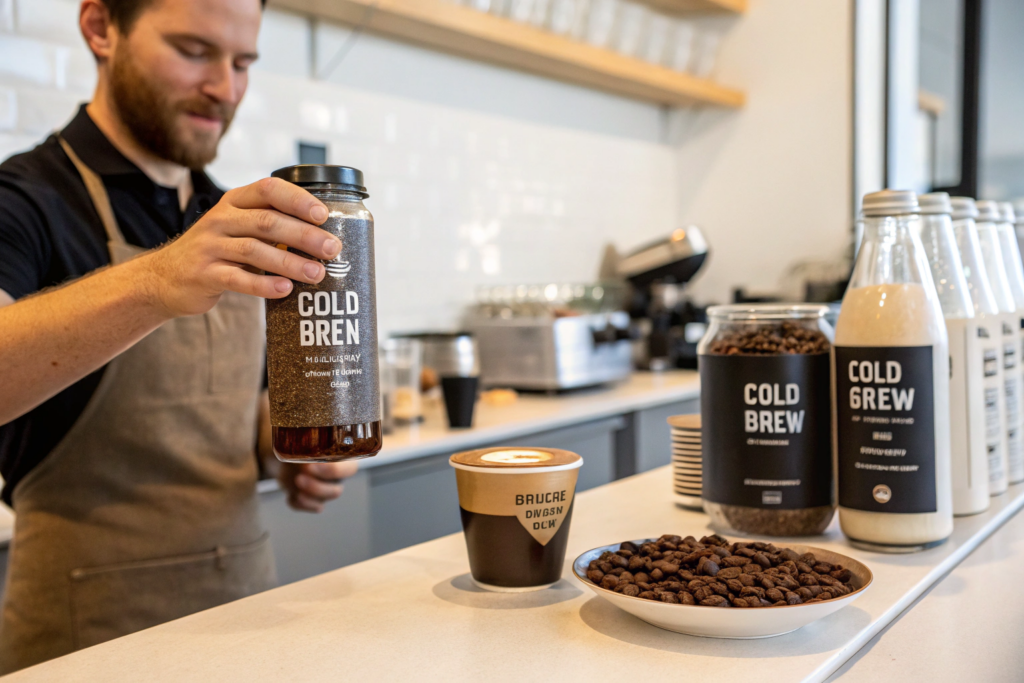
RTD coffee grows because people want convenience. They want caffeine without brewing. They want it cold. They want it sweet or smooth. Data from Nielsen shows strong demand for ready-to-drink beverages. Mintel also reports that younger buyers look for portable coffee. This is not a small trend. It is a habit change. I see it in my own export talks. Buyers ask for cold brew concentrate. They ask for oat milk latte base. They ask for low-sugar options. So, if you want to enter RTD, start with a product that travels well. A concentrate in a bag-in-box is a good start. A dry mix in a pouch is also good. Then your buyer can add water, milk, or ice. You save freight. You still give them a branded drink. That is a smart path.
What Are the Hidden Costs of RTD Coffee?
The hidden costs are packaging, cold chain, returns, and shelf life. A can looks simple. But the can, lid, label, and carton add up. If the product needs refrigeration, the cost jumps. If it expires, you lose the whole lot. I read BeverageDaily and Food Business News to track these issues. They often cover new packaging and distribution models. My advice is simple. Do not ship liquid if you can ship concentrate. Do not promise long shelf life if you have not tested it. Do not enter RTD without a local co-packer. A local partner can fill, seal, and label. That saves freight and time. It also reduces risk. You focus on the coffee. They focus on the drink. That is a good split.
How Profitable Are Coffee Capsules and Pods?
Capsules and pods are still strong. People love the ease. They love the clean counter. They love the same taste every morning. But the market is crowded. You need a difference. You need good coffee inside. You also need a price that works.
Coffee capsules and pods remain profitable in 2026, especially for private label and compatible systems. Margins can be high because the coffee dose is small and the package is light. But you must manage aluminum or plastic costs, machine compatibility, and shipping weight. Yunnan Arabica and Robusta can work well in capsules when roasted and ground correctly.
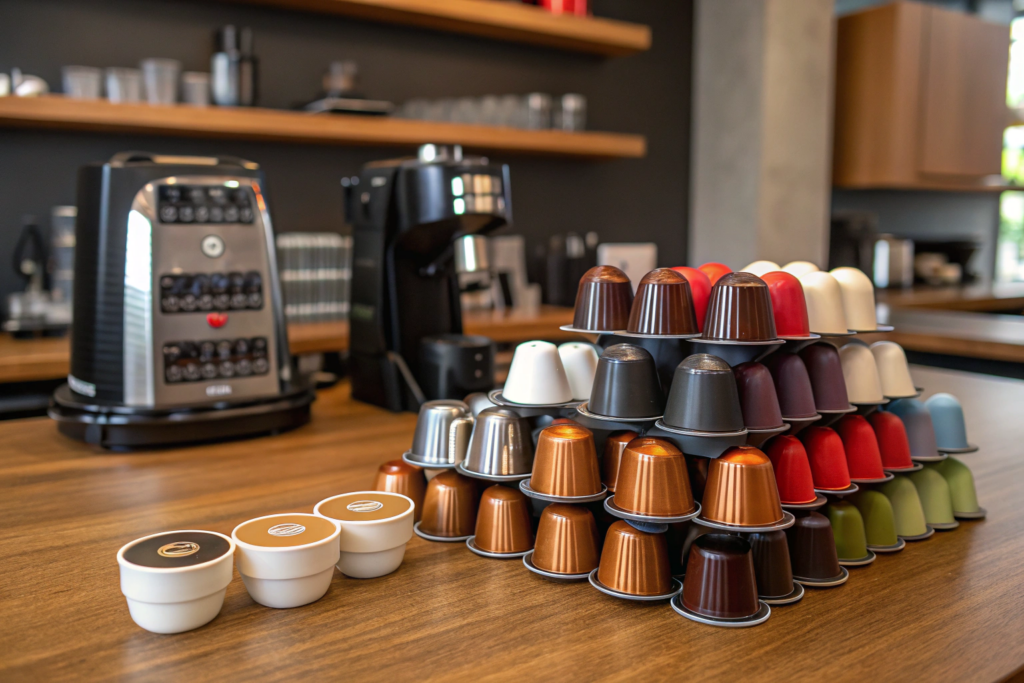
Let's talk about the money. A capsule holds about 5 to 7 grams of coffee. A 1 kg bag holds 1000 grams. So, one kg can fill about 140 to 200 capsules. That sounds great. But you also need the capsule, the lid, the box, and the labor. If you sell to a brand, they may supply the packaging. If you sell your own brand, you pay for all of it. The margin can be 30% to 50% in some channels. But returns and compatibility issues can hurt. Some machines are picky. If the capsule does not fit, the buyer returns it. So, test the machine. Test the extraction. Test the taste. I use Euromonitor and Fortune Business Insights to check capsule market reports. But the real test is a sample pack. Send it to your buyer. Ask for video feedback. That saves time.
Do Capsules Still Make Money in 2026?
Yes, but not for everyone. The big brands own a lot of the market. But private label and niche brands still grow. The reason is simple. Coffee drinkers want choice. They want organic. They want single origin. They want compostable. If you can offer a good Yunnan Arabica in a compatible pod, you have a story. You also have a cost advantage if you control the farm. At BeanofCoffee, we own more than 10,000 acres in Baoshan, Yunnan. That means we can supply Catimor, Arabica, and Robusta at a stable price. We can also help with roasted and ground coffee for capsules. So, the money is there. You just need to pick the right buyer and the right system.
How Can You Source Capsule Coffee From China?
Sourcing from China can work if you are clear about specs. You need to define the coffee, the grind size, the capsule material, the lid, the box, and the compliance rules. The Alibaba platform can help you find suppliers. Packaging Digest can help you understand packaging trends. But do not skip the sample step. Ask for 50 to 100 capsules. Test them on the target machine. Check the seal. Check the flow. Check the taste. Also check the documents. You need food contact certificates. You need country of origin. You need a label that meets local rules. I have seen buyers skip this. Then they lose a container at customs. That is painful. So, plan early. Ask your supplier for help. A good supplier will give you a checklist. That checklist saves money.
Is Private Label Coffee Still Profitable?
Private label is not new. But it is still one of the best ways to make money in coffee. You control the brand. You control the price. You build a customer list. You can sell online or in stores. The key is to find the right supplier. You also need to pick the right format.
Private label coffee is still profitable in 2026 because buyers want unique brands, sustainable sourcing, and direct trade stories. Whole bean and ground coffee in bags have the best balance of cost, shelf life, and margin. Capsules and instant sticks are also strong. The biggest risk is poor quality control. If the coffee tastes bad, the brand dies. So, choose a supplier with farm control and clear QC.
I have helped many brands start with private label. The first question is always price. The second is minimum order quantity. The third is lead time. These are important. But the fourth question is the most important. Can the supplier keep the same taste every time? If the taste changes, customers leave. So, you need a stable blend. You need a stable roast. You need a stable grind. You need a stable package. That is why I like farm-controlled supply. We can trace the beans. We can adjust the roast. We can keep the profile. You know? A brand is a promise. If you break the promise, you lose the buyer.
What Private Label Coffee Formats Sell Best?
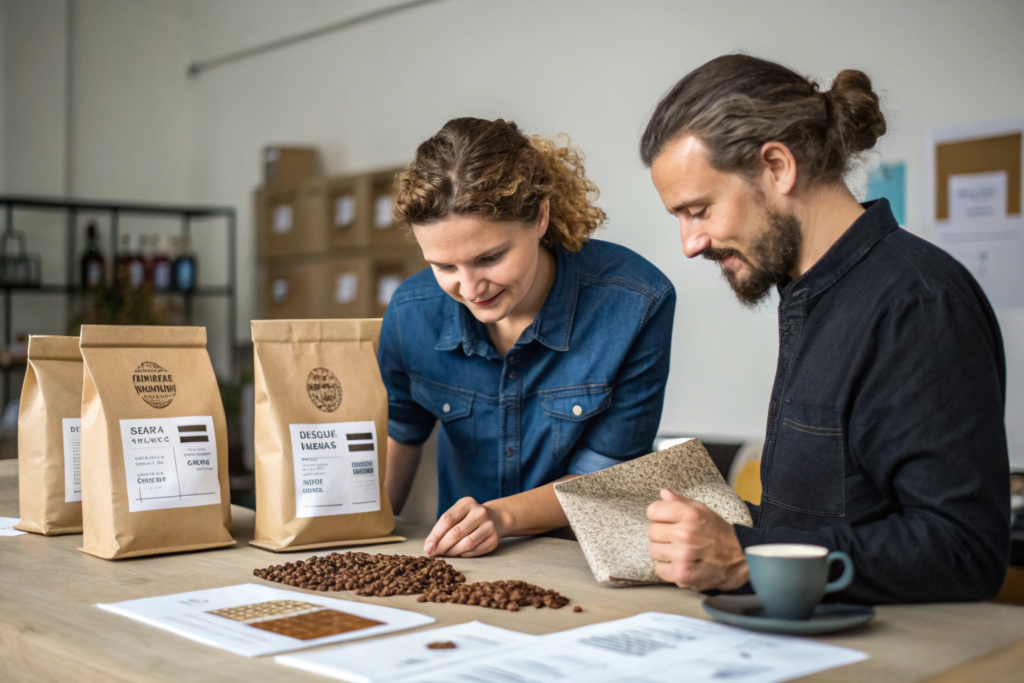
Whole bean bags sell best for home brewers. Ground coffee sells best for drip and French press. Capsules sell best for offices. Instant sticks sell best for travel and hotels. Cold brew concentrate sells best for cafes and home mixers. I read Food Dive and Tea & Coffee Trade Journal to follow retail trends. They often report which formats are growing. My advice is to start with one format. Do it well. Then add more. Do not launch ten SKUs at once. That ties up cash. Start with a 12 oz whole bean bag. Add a 5 lb food service bag. Then add capsules. This path is simple. It also lets you learn what your buyers want.
How Do You Choose a Private Label Coffee Supplier?
Choose a supplier who answers questions fast. Choose one who shares QC reports. Choose one who lets you do a video audit. Choose one who has export experience. I use LinkedIn to check people and companies. I use USDA Foreign Agricultural Service to check trade data and rules. But the best test is a sample order. Start small. Pay for samples. Taste them. Compare them. Then scale. Also ask about payment terms. Ask about shipping. Ask about labels. Ask about certifications. A good supplier will guide you. A bad supplier will only send a price. At BeanofCoffee, we work with brand owners, distributors, and trading companies. We can supply green beans or packaged products. We can also help with private label. That makes the process easier.
Conclusion
So, what is the most profitable coffee product format in 2026? There is no single answer. Private label whole beans, ready-to-drink concentrate, capsules, and specialty instant all can make money. Bulk green coffee still works for large buyers. The best format is the one that fits your buyer, your freight, and your brand. Test small. Track margin. Keep quality stable. Then scale.
If you want help, contact us. BeanofCoffee owns over 10,000 acres in Yunnan. We export Catimor, Arabica, and Robusta to North America, Europe, and Australia. We can support raw beans, roasted beans, capsules, and private label. For urgent orders or new projects, email Cathy Cai at cathy@beanofcoffee.com. She will help you find the format that fits your market.