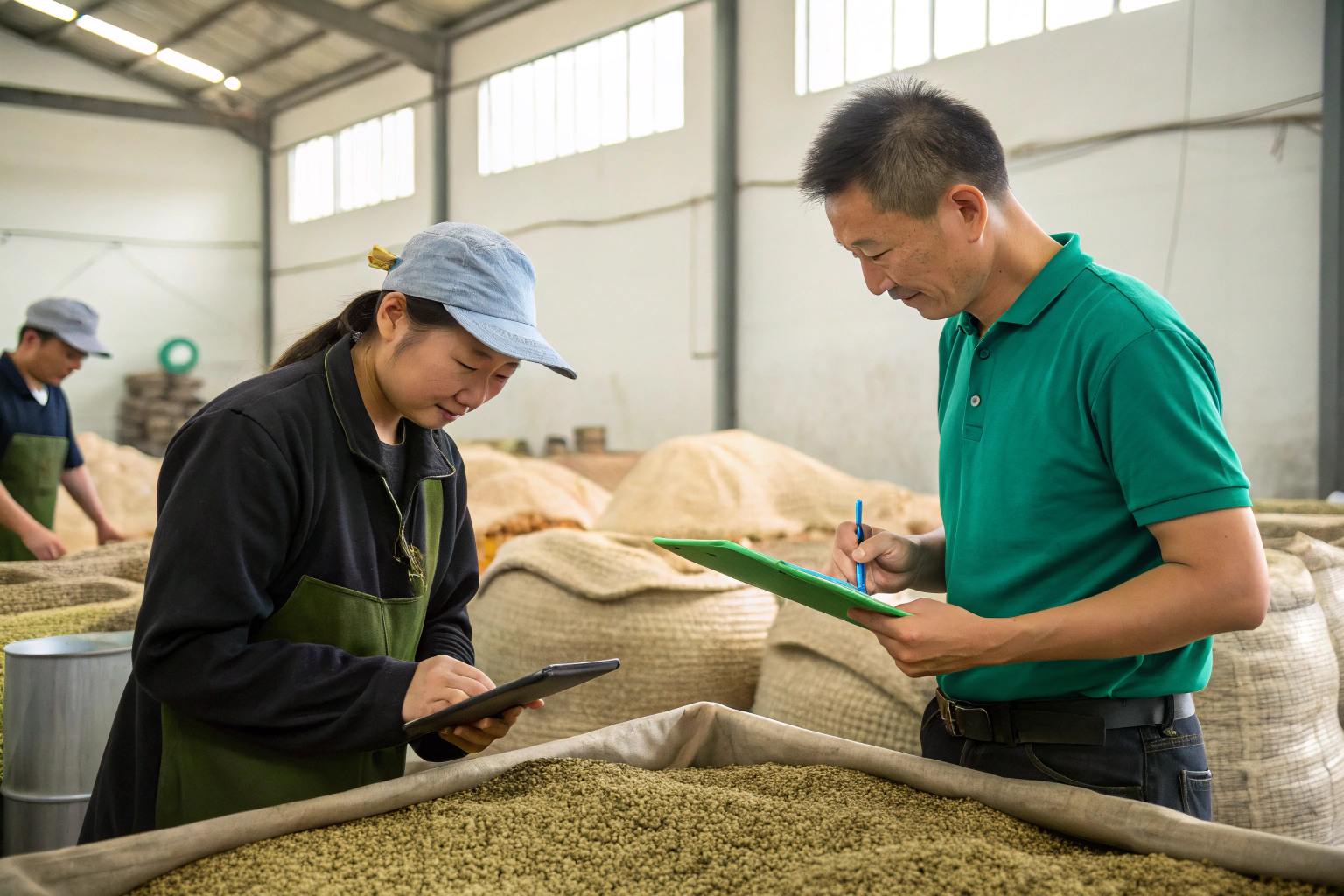
You import coffee into Australia. You worry about mold. You worry about mycotoxins. You worry about customs holding your shipment. One bad container can cost you thousands. That is the problem. The good news is that Chinese coffee, especially from Yunnan, has a low mold risk. That is not a marketing claim. It comes from climate, processing, and strict export standards. Let me explain why Australian importers value this so much.
Australian importers value Chinese coffee’s low mold risk because Australia has strict food safety rules, and mold can lead to rejected shipments, health risks, and financial loss. Chinese coffee from Yunnan is grown in a dry climate, processed with clean methods, and tested for moisture and mycotoxins. This lowers the chance of mold growth during shipping and storage. At BeanofCoffee, we export Catimor, Arabica, and Robusta from Baoshan, Yunnan, and we see this advantage every day.
So, what does this mean for you? It means you can buy with more confidence. You can plan your cash flow. You can keep your buyers happy. But you still need to know the details. Let me walk you through them.
What Makes Chinese Coffee Low in Mold Risk?
You may think all coffee has the same mold risk. That is not true. Climate matters. Processing matters. Storage matters. Chinese coffee has some natural advantages. But it also has good systems. That combination lowers the risk.
Chinese coffee has low mold risk because Yunnan’s harvest season is dry, the beans are often sun-dried on raised beds, and exporters control moisture levels before shipment. The region’s high altitude and cool nights also slow mold growth. When you add proper storage and testing, the risk stays low. This is why Australian buyers trust Chinese coffee more than some other origins.
Another way to look at this is simple. Mold needs water. If you dry the beans well and keep them dry, mold cannot grow. Yunnan’s dry season helps. The sun helps. The raised beds help. The farmers know this. They have been doing it for years. So, what does this mean? It means you should ask about moisture content. You should ask about drying method. You should ask about storage. A good supplier will have answers.
Is Yunnan’s Climate Good for Coffee Drying?
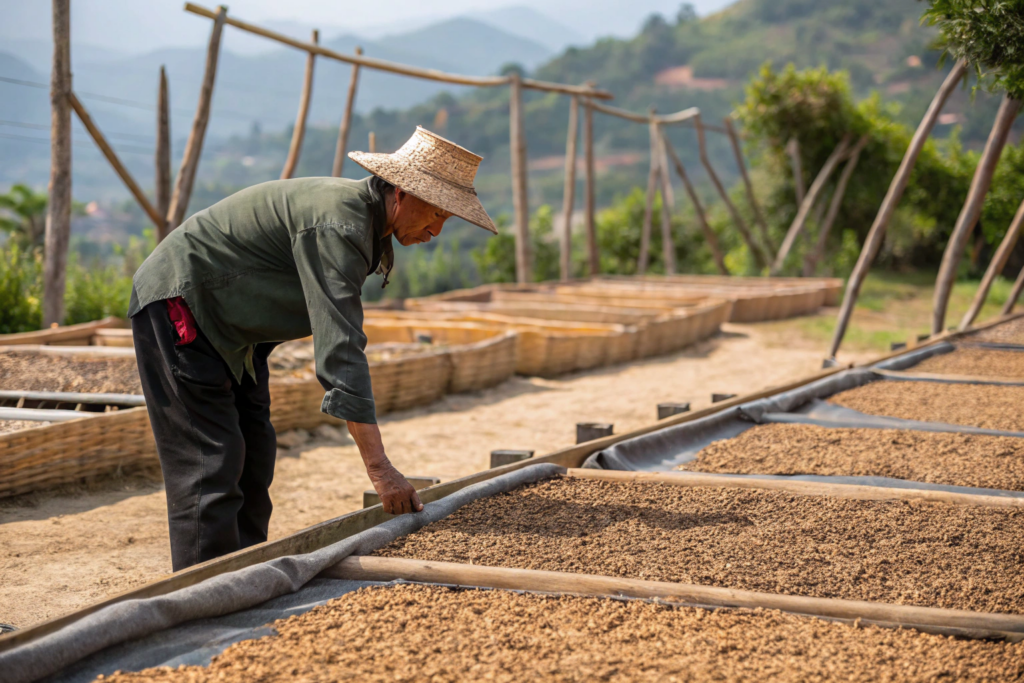
Yes, it is very good. Yunnan has a distinct dry season from November to April. The coffee harvest usually happens in this window. That means less rain on the drying beans. Less rain means less mold. The FAO explains how climate affects crop drying. The Coffee Institute also shares research on coffee processing. I have visited farms in Baoshan. The air is dry. The sun is strong. Farmers use raised beds and tarps. They turn the beans often. This gives an even dry. It also prevents fermentation problems. So, the climate is not just good for growing. It is good for drying. That is a big deal for mold risk.
How Does Processing Affect Mold Risk?
Processing is the next step. If you leave beans wet too long, mold starts. If you dry them too fast, quality drops. The best method is slow, even drying. Yunnan farmers often use natural sun drying. They also use mechanical dryers when needed. The Specialty Coffee Association has standards for green coffee moisture. The Global Coffee Platform also promotes good practices. I always check moisture content. For export, we aim for 10% to 12%. If it is higher, we dry it more. If it is lower, we adjust. This step is critical. A small mistake here can create mold later. So, we test every lot. We also store beans in clean, dry warehouses. That keeps the risk low.
How Does Low Mold Risk Help Australian Importers?
You run a business. You need smooth imports. You do not want surprises. Low mold risk gives you that. It reduces the chance of a bad shipment. It reduces the chance of a customs problem. It protects your brand. That is why Australian importers care so much.
Low mold risk helps Australian importers by reducing the chance of rejected shipments, avoiding costly testing delays, and protecting brand reputation. Australia’s food standards are strict. If mold or mycotoxins are found, the shipment can be held or destroyed. Chinese coffee with low mold risk passes these checks more easily. This saves time and money for importers.
Let me give you an example. A buyer in Melbourne once told me he stopped buying from another origin because of mold. The coffee arrived with a musty smell. He had to reject it. He lost the sale. He also lost his customer. That is painful. So, he switched to Chinese coffee. He has not had a problem since. You know? That is the power of low mold risk. It is not just about the beans. It is about your business.
Can Mold Risk Affect Customs Clearance?
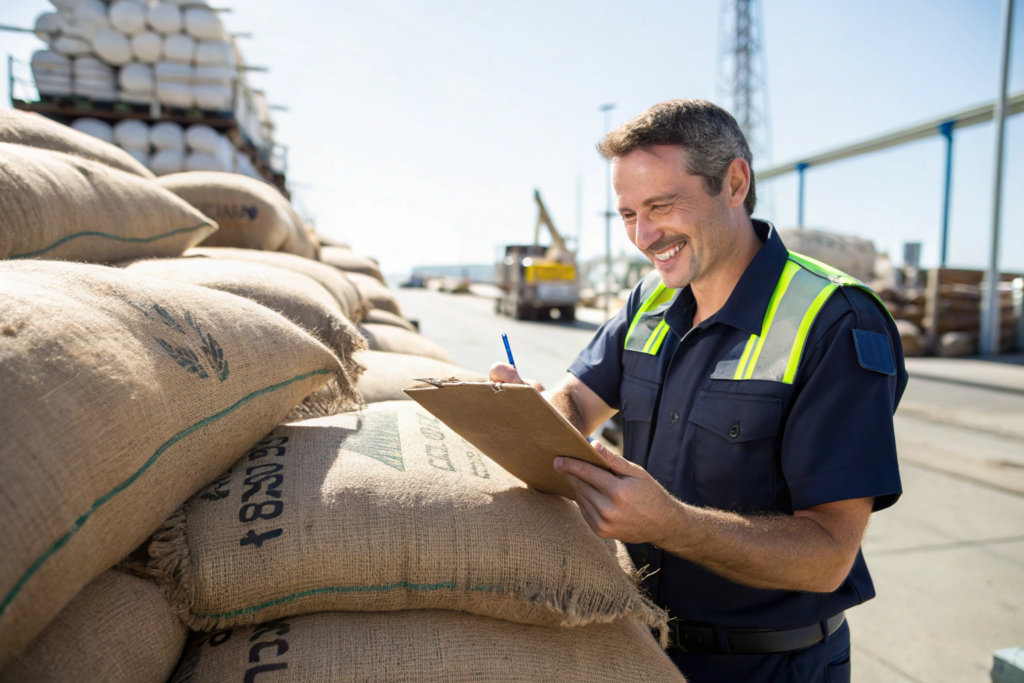
Yes, it can. Australian customs and biosecurity officers check food imports. They look for pests, diseases, and contaminants. Mold is a contaminant. If they find it, they may hold your coffee. They may order testing. They may reject it. The Australian Department of Agriculture explains import rules. The Food Standards Australia New Zealand sets food safety limits. I always prepare documents that show low moisture and negative mycotoxin tests. That helps clearance. It also builds trust with the buyer. So, low mold risk is not just a quality issue. It is a trade issue. It keeps your container moving.
Why Do Australian Buyers Care About Mycotoxins?
Mycotoxins are toxins produced by mold. They can be harmful to health. The most common in coffee is ochratoxin A. Australia has strict limits for mycotoxins in food. The WHO publishes fact sheets on mycotoxins. The EFSA also provides risk assessments. If your coffee has high mycotoxin levels, it can be rejected. It can also cause health problems for consumers. So, Australian buyers test for it. They ask for certificates. They want proof. Chinese coffee with low mold risk usually has low mycotoxin risk. That makes it a safer choice. It also makes it easier to sell.
Can You Test Coffee for Mold and Mycotoxins?
Yes, you can. Testing is the best way to prove low mold risk. You do not have to guess. You can measure. You can get a report. That report protects you and your buyer. So, what tests should you ask for?
You can test coffee for mold and mycotoxins using moisture meters, visual inspection, and laboratory tests like ELISA or HPLC. Moisture content should be below 12.5%. Mycotoxin tests should show levels below Australian limits. A certificate of analysis from an accredited lab gives you proof. Chinese exporters who test regularly can provide these documents.
I always recommend testing. It is not expensive. It takes a few days. But it saves months of trouble. I use accredited labs in China. They test for ochratoxin A, aflatoxins, and other molds. The results go to the buyer. The buyer feels safe. So, what does this mean? It means you should ask for a certificate of analysis. If the supplier cannot provide one, find another supplier.
What Tests Prove Low Mold Risk?
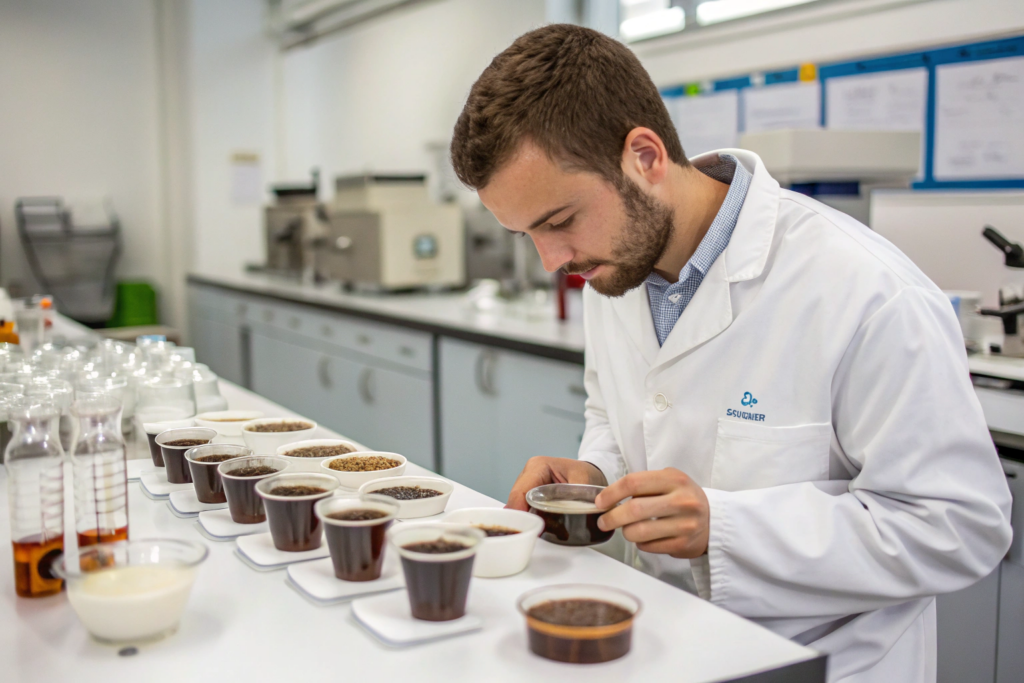
There are several tests. First, moisture content. A moisture meter gives a quick reading. Second, visual inspection. Look for discolored beans, musty smell, or white powder. Third, laboratory tests. ELISA is fast and cheap. HPLC is more accurate. The FDA explains mycotoxin testing methods. The USDA also provides resources. I ask for a full panel. It includes moisture, water activity, ochratoxin A, and total mold count. This gives a clear picture. If the numbers are low, you are safe. If they are high, you can reject the lot. That is power.
How Often Should You Test Coffee?
Test every lot. That is my advice. Do not test once and assume it is fine. Coffee is a natural product. Conditions change. A dry lot can get wet during shipping. A clean lot can get contaminated in storage. The International Coffee Organization tracks quality standards. The Tea & Coffee Trade Journal reports on industry practices. I test before shipment. I also test after arrival if the buyer wants. This double check catches problems. It also gives confidence. So, make testing a habit. It is part of doing business.
Why Is Chinese Coffee a Smart Choice for Australia?
Australia is a big coffee market. People love good coffee. They also care about safety. Chinese coffee fits both needs. It tastes good. It has low mold risk. It ships well. That makes it a smart choice for importers.
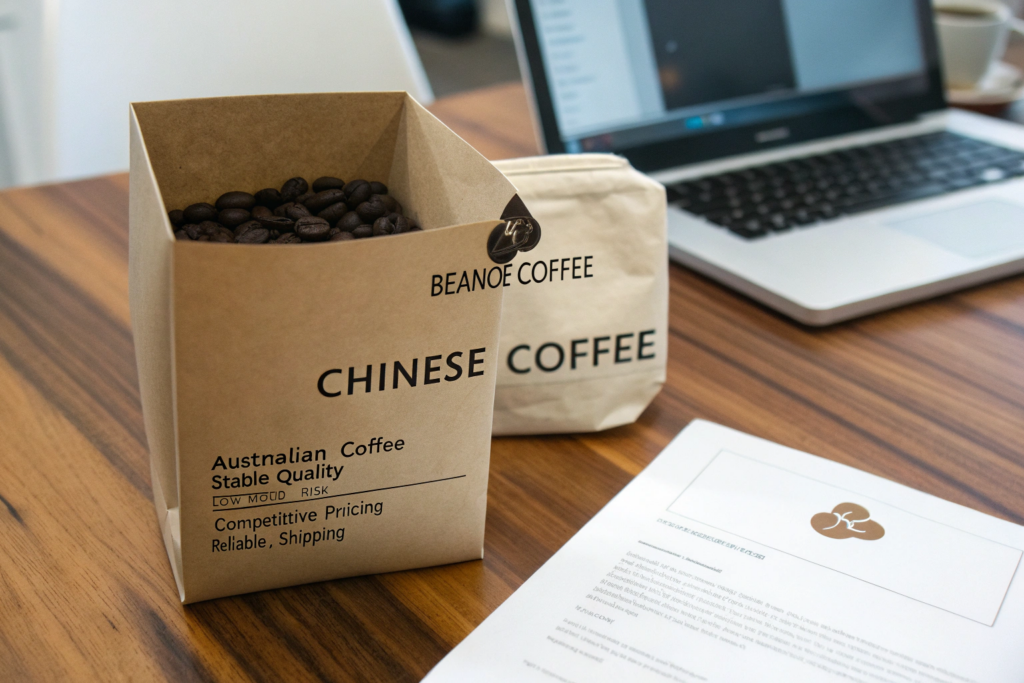
Chinese coffee is a smart choice for Australia because it offers stable quality, low mold risk, competitive pricing, and reliable shipping. Yunnan’s dry climate and clean processing reduce mold. Strict export testing proves safety. Australian importers can buy with confidence and sell to a market that values quality and health. At BeanofCoffee, we support Australian buyers with full documentation and fast communication.
I have seen this grow. More Australian buyers ask about Yunnan coffee. They like the story. They like the price. They like the low risk. So, what does this mean? It means you should consider Chinese coffee for your next order. It is not just a cheap option. It is a safe option.
How Does Shipping Time Affect Mold Growth?
Shipping time matters. Coffee travels by sea for weeks. If the beans are wet, mold grows. If the container gets hot, mold grows. The Mordor Intelligence reports on coffee trade flows. The Daily Coffee News covers shipping issues. I use moisture barriers and clean containers. I also avoid long storage at the port. Chinese coffee with low moisture travels well. It can handle the trip. That is important for Australia. The distance is long. You need beans that stay stable. Low mold risk means fewer surprises.
What Certifications Support Chinese Coffee?
Certifications help. Rainforest Alliance, Fairtrade, and organic are common. They show good practices. They also require record keeping. The Rainforest Alliance certifies sustainable farms. The Fairtrade focuses on fair prices and worker rights. I help buyers get these certificates. They add value. They also prove low mold risk because the audits check storage and processing. So, ask for certifications. They are not just logos. They are proof of good systems. They make your import smoother.
Conclusion
Australian importers value Chinese coffee’s low mold risk for good reasons. It protects their money. It protects their brand. It makes customs clearance easier. It comes from Yunnan’s dry climate, clean processing, and strict testing. If you want a safe, reliable coffee supply, consider Chinese coffee. It is a smart choice for the Australian market.
If you want to work with a supplier who understands mold risk and Australian rules, contact us. BeanofCoffee owns over 10,000 acres in Baoshan, Yunnan. We export Catimor, Arabica, and Robusta to North America, Europe, and Australia. We provide moisture tests, mycotoxin reports, and full export documents. For orders or questions, email Cathy Cai at cathy@beanofcoffee.com. She will help you get safe, high-quality coffee for your Australian buyers.