
I run BeanofCoffee, a coffee exporter in Yunnan, China. We own more than 10,000 acres in Baoshan City. We sell Catimor, Arabica, and Robusta. We ship to North America, Europe, and Australia. Buyers like Ron ask me about price, quality, and shipping. Ron is 44. He owns a company in America. He cares about price and timeliness. He sources on Google, Alibaba, and at trade shows. He is confident. He likes to lead. But he also knows that freight can eat his margin. A coffee bean does not care how it moves. It only cares that it stays dry, clean, and on time. So when Ron asked me why intermodal transport can lower his coffee freight bill, I gave him a simple answer. Because it uses the cheapest mode for each leg. Then it hands off to the next mode. That handoff can save money. It can also add risk. So you must plan it.
Intermodal transport can lower your coffee freight bill because it combines truck, rail, and ship into one route, and each mode does what it does best. Trucking is flexible for the first and last mile. Rail is cheap for long inland distances. Ocean freight is cheap for the long sea leg. When you combine them, you often cut the cost per container compared with road-only or air. You also reduce fuel use and empty miles. But the savings depend on distance, volume, port choice, and schedule. A bad intermodal plan can cost more than a simple truck route. So you must compare the full door-to-door cost. Not just the ocean rate.
So, what does this mean for you? It means you should not treat intermodal as a buzzword. Treat it as a tool. Use it when the distance is long and the schedule allows. Skip it when the cargo is urgent or the route is short. At BeanofCoffee, we plan intermodal routes for buyers who want to cut cost without cutting quality. We check the rail schedule, the port cut-off, and the truck connection. That planning is where the savings live.
What Is Intermodal Transport for Coffee?
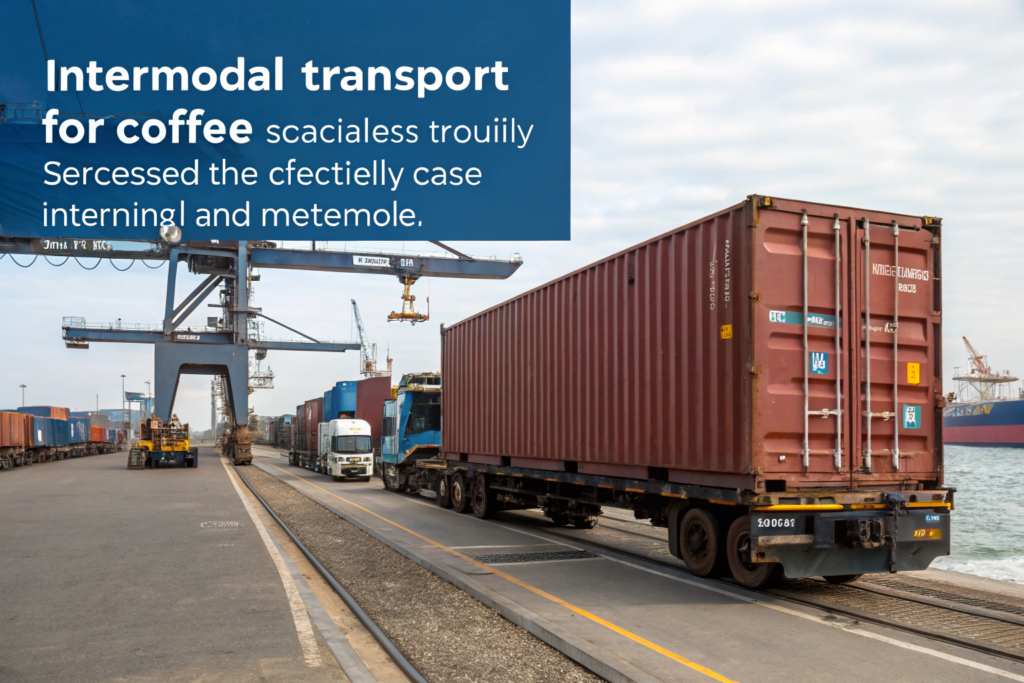
Intermodal transport means moving one container by more than one mode. For coffee, that usually means truck plus rail plus ship. The container is packed at the mill or warehouse. A truck carries it to a rail yard. A train carries it to a port. A ship carries it across the ocean. Then another truck carries it to the roastery. One box. Many hands. That is intermodal.
Intermodal transport for coffee is the movement of a sealed container using two or more modes, usually truck, rail, and ocean vessel, under one contract or one bill of lading. The container is not opened at each handoff. It is transferred from one mode to the next. This keeps the coffee secure and reduces handling damage. It also allows the exporter to use cheaper rail for long inland legs and cheaper ship for the ocean leg. The key is the handoff. A smooth handoff saves money. A missed handoff costs money.
Another way to look at this is to compare it to a relay race. Each runner has a strength. The truck is fast and flexible. The train is strong and cheap. The ship is slow but very cheap per mile. If the baton drops, the race is lost. So the handoff is everything.
How Do Containers Move from Yunnan to the Port?
Containers move from Yunnan to the port in two main ways. First, a truck carries the container from the mill to a rail yard. Second, a train carries it to a port like Shenzhen or Shanghai. Sometimes the whole trip is by truck. Sometimes it is truck plus rail. The China Customs site explains export declaration and port procedures. The World Bank Logistics Performance Index shows how countries compare on logistics. I use these when we plan a new route. A rail yard close to the mill can cut cost. A port with fast customs can cut time. So choose the handoff points carefully. Then book.
I also tell buyers to ask about the inland leg. A cheap ocean rate means little if the truck to the port is expensive. A good intermodal plan balances both. So look at the full route. Then compare.
Why Use Rail and Truck Together?
Rail and truck work well together because they cover different strengths. Trucking handles the first mile and the last mile. Rail handles the long middle. For coffee, that middle may be from Yunnan to Shenzhen or from an inland terminal to a coastal port. The UIC shares rail industry information. The Intermodal Europe event shares intermodal trends and technology. I use these when we review rail options. A train can move many containers at once. That lowers the cost per container. A truck can reach places a train cannot. That adds flexibility. So the pair works. But the schedule must match. A train that leaves once a week needs a truck that arrives on time.
For Ron, this means he should ask how often the train runs. A daily train is easier to use. A weekly train needs more buffer. So ask. Then plan.
How Does Intermodal Cut Coffee Freight Costs?
Cost is the main reason to use intermodal. But the saving is not automatic. It comes from three places. First, rail is cheaper than truck for long distances. Second, ocean is cheaper than air for almost any distance. Third, one sealed container reduces handling and damage. If you use all three, you can cut the freight bill. But you must count the handoff costs too. Terminal fees. Rail fees. Documentation. Storage. These can eat the saving. So you must compare the full cost.
Intermodal cuts coffee freight costs by using rail for long inland legs, ocean for the sea leg, and truck only for the first and last mile. Rail can be 30% to 50% cheaper than road for long distances. Ocean is far cheaper than air. A sealed container also reduces repacking and damage. But intermodal adds terminal handling, rail fees, and coordination costs. So the net saving depends on the route. A long inland leg with a good rail connection saves the most. A short inland leg with a bad connection may not save at all.
So, what should you do? Build a cost sheet. List every fee. Compare road-only with intermodal. Then decide. Do not guess. The math will tell you.

Which Costs Does Intermodal Reduce?
Intermodal reduces fuel cost, driver cost, empty miles, and long-haul road tolls. It also reduces damage because the container is sealed longer. The Freightos index shows freight rate trends. The Drewry shipping research tracks capacity and costs. I use these when we compare routes. A train uses less fuel per ton than a truck. That is the main saving. A train also needs fewer drivers. That is another saving. But the train must be full to be cheap. A half-empty train is not cheap. So volume matters. If you ship one container, you may not get the best rail rate. If you ship ten, you can. So combine volume when you can.
I also tell buyers to ask about the rail rate. A good forwarder can get a better rate than a small shipper. So work with a forwarder who knows rail. Then compare.
How Do You Compare Intermodal with Road Only?
You compare intermodal with road only by calculating the full door-to-door cost. Include the truck to the rail yard, the rail fee, the terminal handling, the truck to the port, the ocean freight, and the final delivery. Then compare with a truck-only route to the port. The Maersk supply chain page explains integrated logistics. The Hapag-Lloyd services page shares service details. I use these when we build a quote. A road-only route is simpler. It may be faster. But it is often more expensive for long distances. An intermodal route is more complex. It may be slower. But it can be cheaper. So compare both. Then choose.
For Ron, this means he should not accept the first quote. He should ask for two options. One road-only. One intermodal. Then compare the total. That is how he finds the saving.
What Are the Risks of Intermodal Coffee Shipping?
Intermodal is not free of risk. Every handoff is a chance for delay or damage. A train can be late. A port can be congested. A truck can miss the connection. The container can sit in the rain. The coffee can absorb moisture. So you must protect the cargo. You must track the box. You must plan buffer time. If you do not, the saving can disappear. I have seen a buyer save $500 on freight and pay $1,500 in storage. That is a bad deal.
Intermodal coffee shipping risks include missed connections, rail delays, port congestion, container rollovers, moisture damage, seal tampering, document errors, and demurrage. The biggest risk is a missed connection. A missed train or vessel can add days or weeks. The second biggest risk is moisture. A container that sits in a cold yard can form condensation. The third biggest risk is documents. A wrong number can stop the move. So you must track each leg. You must check the seal. You must keep the coffee dry. Then the saving is real.
So, what should you do? Ask for a risk plan. Ask what happens if the train is late. Ask what happens if the vessel rolls. A good forwarder has answers. A weak one does not. So ask. Then decide.
Where Do Delays and Damage Happen?
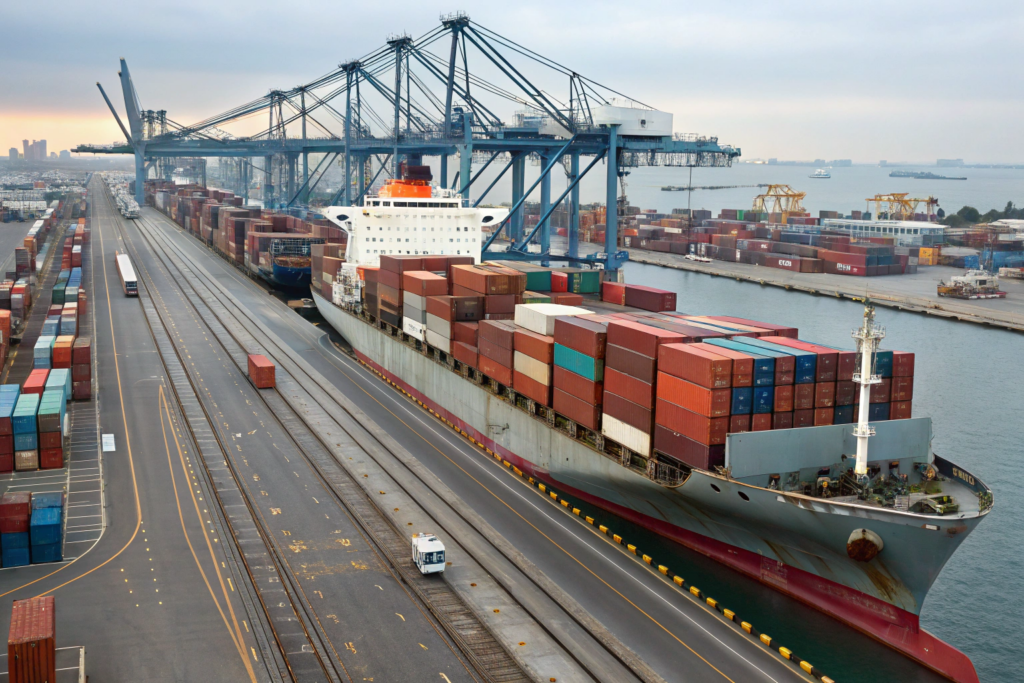
Delays and damage happen at the handoffs. The truck to rail yard. The rail yard to port. The port to vessel. The vessel to final port. Each handoff adds a chance for a problem. The SGS coffee inspection page shows how third parties check quality. The Intertek coffee page shows testing services. I use these when we investigate a claim. A delay at a rail yard can cause a missed vessel. A delay at a port can cause demurrage. A wet container can cause mold. So watch the handoffs. Then act early.
I also tell buyers to check the free time at each terminal. A terminal with two free days is riskier than one with five. So ask. Then plan.
How Do You Protect Coffee in Intermodal Transit?
You protect coffee in intermodal transit by controlling moisture, using clean containers, sealing the load, adding liners and desiccants when needed, and tracking the box daily. The GrainPro site explains hermetic storage liners. The CBP page explains U.S. customs entry and container rules. I use these when we prepare our export files. A dry load with a clean container can survive intermodal. A wet load cannot. So measure moisture before loading. Then protect the load. Then track it. That is how you keep the coffee safe.
For Ron, this means he should ask for a moisture reading before the container leaves. He should ask for a photo of the seal. Then he should check the tracking. That is how he protects his investment.
How to Plan Intermodal Routes for Coffee Exports?
Planning is where the saving is made. A good route uses the cheapest mode for each leg. It uses reliable handoff points. It builds buffer time. It keeps the coffee moving. A bad route uses too many handoffs. It uses congested ports. It has no buffer. It saves money on paper and loses it in reality. So plan carefully. Then book.
Plan intermodal routes for coffee by choosing the right inland terminal, the right port, the right vessel, and the right buffer. Compare direct and transshipment options. Check the rail schedule. Check the port cut-off. Check the vessel schedule. Then add buffer time for each handoff. Use a forwarder who knows coffee. Use a broker who knows customs. Then track the box from day one. A good plan reduces cost and risk. A bad plan increases both.
So, what should you do? Start with the destination. Work backward. Find the best port. Find the best rail connection. Find the best truck. Then build the route. That is how you plan. That is how you save.

How Do You Choose the Right Port and Route?
You choose the right port and route by checking schedule reliability, congestion, cost, and connection time. A port with frequent sailings is safer. A port with fast rail connections is cheaper. A port with good customs is faster. The Port of Shenzhen shares port information. The Busan Port Authority explains transshipment services. I use these when we compare routes. For Yunnan coffee, Shenzhen is a common export port. Busan is a common transshipment hub. Each has strengths. Each has risks. So compare them. Then choose.
I also tell buyers to avoid a tight connection. A connection under three days is risky. A connection of five to seven days is safer. The extra wait costs less than a missed sailing. So build buffer. Then relax.
How Do You Track and Manage Intermodal Shipments?
You track and manage intermodal shipments by using carrier tracking, terminal tracking, and forwarder updates. Check the container number. Check the seal number. Check the vessel name. Check the rail car number if available. The project44 platform shares real-time visibility tools. The Trade.gov site offers export and import guidance. I use these when we update buyers. A daily check catches a problem early. An early problem is cheap to fix. A late problem is expensive. So check daily. Then act. That is how you manage intermodal.
For Ron, this means he should ask for a tracking sheet. The sheet should list every leg and every cut-off. Then he can follow the box. That clarity reduces stress. It also protects his margin.
Conclusion
Intermodal transport can lower your coffee freight bill because it uses the cheapest mode for each leg. Truck for the first and last mile. Rail for the long inland run. Ship for the ocean. One sealed container. Fewer empty miles. Less fuel. Lower cost per pound. But the saving is not automatic. You must plan the handoffs. You must protect the coffee. You must track the box. You must add buffer time. If you do these things, intermodal is a powerful tool. If you ignore them, it is a risk. So compare the full cost. Then choose the right route. Then ship with confidence.
At BeanofCoffee, we plan intermodal coffee shipments with care. We own more than 10,000 acres in Baoshan City, Yunnan. We export Catimor, Arabica, and Robusta. We work with large buyers, brand owners, distributors, and trading companies. We share container numbers, seal numbers, vessel schedules, and rail plans. If you want to lower your coffee freight bill, please contact Cathy Cai at cathy@beanofcoffee.com. She will help you with samples, pricing, specifications, and intermodal logistics. You can also visit BeanofCoffee to learn more. Let us move your coffee smarter and cheaper.