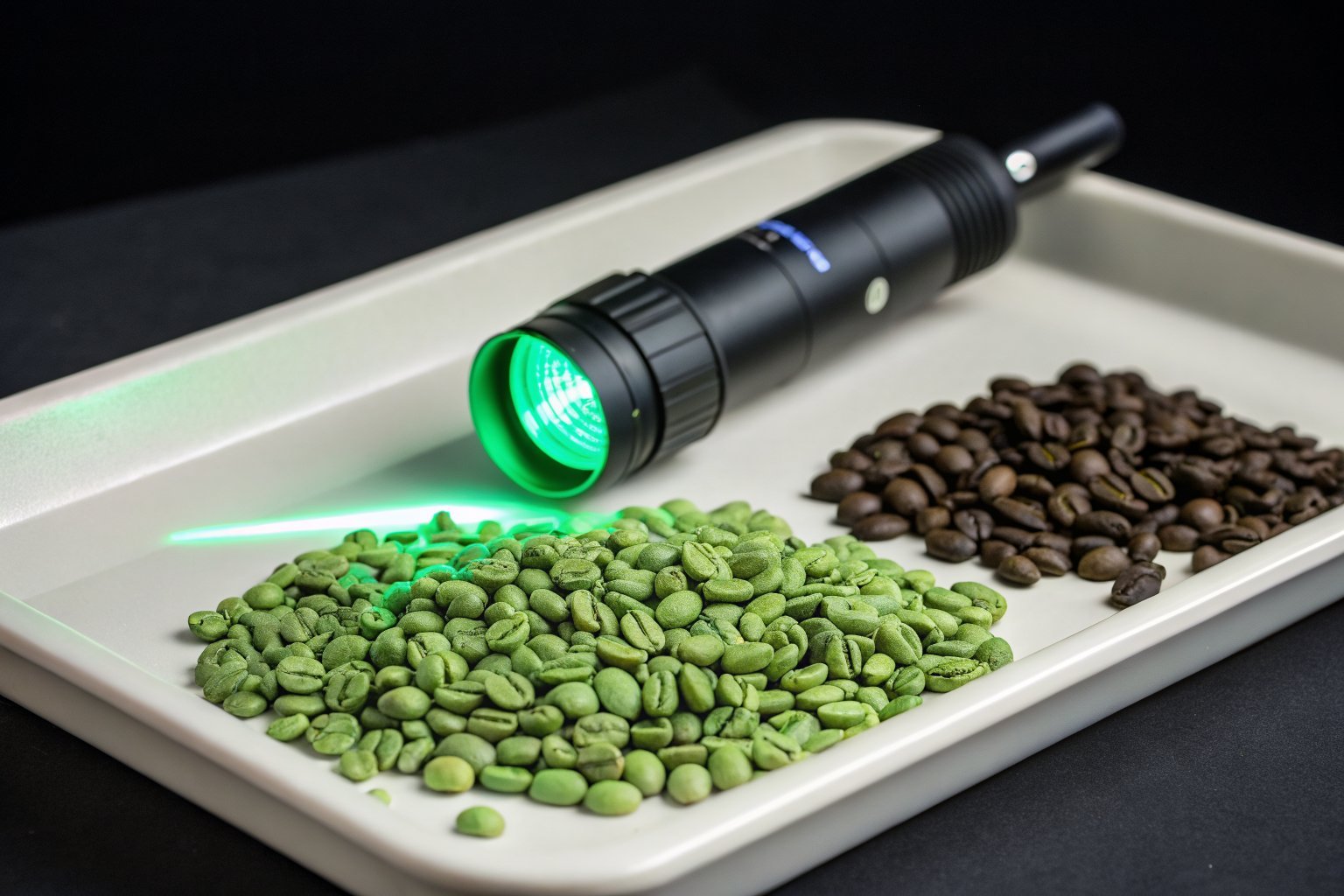
A buyer from a large European roastery called me with a problem. He suspected a shipment of supposedly fresh crop coffee was actually past crop — coffee from the previous harvest that had been stored for over a year. The coffee looked fine visually and the moisture content was normal, but it cupped flat and lifeless. He asked if there was a way to prove it was old coffee. The answer is yes, and it involves a simple UV light test. Past crop coffee undergoes chemical changes that are visible under ultraviolet light. Fresh green coffee has a distinct green fluorescence. Aged coffee develops a brownish or dull appearance under UV. This test takes 30 seconds and requires only a UV flashlight. Let me walk you through how it works.
What Is Past Crop Coffee and Why Does It Matter?
Past crop coffee is green coffee that has been stored for more than 12 months after harvest. While it is not necessarily defective, it has undergone significant chemical changes that reduce its quality. The volatile aroma compounds degrade, the acidity drops, and the coffee develops a flat, papery character that experienced cuppers can identify immediately.
How Does Coffee Quality Change During Extended Storage?
Green coffee is a living product. Even under ideal storage conditions, the chemical changes that degrade quality continue, just more slowly. After 12 months, the volatile organic compounds that create floral and fruity aromas decline by 30 to 50 percent. After 18 months, the loss reaches 50 to 70 percent. The acidity — measured as titratable acidity — drops by 15 to 25 percent over the same period. The World Coffee Research aging study tracked green coffee stored at 20 degrees Celsius and 55 percent relative humidity over 24 months. The cupping score declined by an average of 2 points after 12 months and 4 points after 18 months. At Shanghai Fumao, we track the age of every lot in our warehouse and prioritize shipping the oldest coffee first to prevent quality degradation.
Is Past Crop Coffee Worth Less Than Fresh Crop?
Yes, significantly. Past crop coffee typically trades at a 15 to 30 percent discount to fresh crop coffee from the same origin. The discount depends on the quality of the storage conditions. Coffee stored properly in GrainPro bags at controlled temperature may lose only 10 to 15 percent of its value after 12 months. Coffee stored in burlap bags in a hot warehouse may lose 30 to 50 percent. The International Coffee Organization's age-based pricing guide shows that the average discount for past crop Arabica is 0.35 to 0.65 dollars per pound below fresh crop.
How Does UV Light Reveal Past Crop Coffee?
The UV light test works because fresh green coffee beans contain compounds that fluoresce under ultraviolet light. As the coffee ages, these compounds break down and the fluorescence changes.
What Fluorescence Should Fresh Coffee Show Under UV?
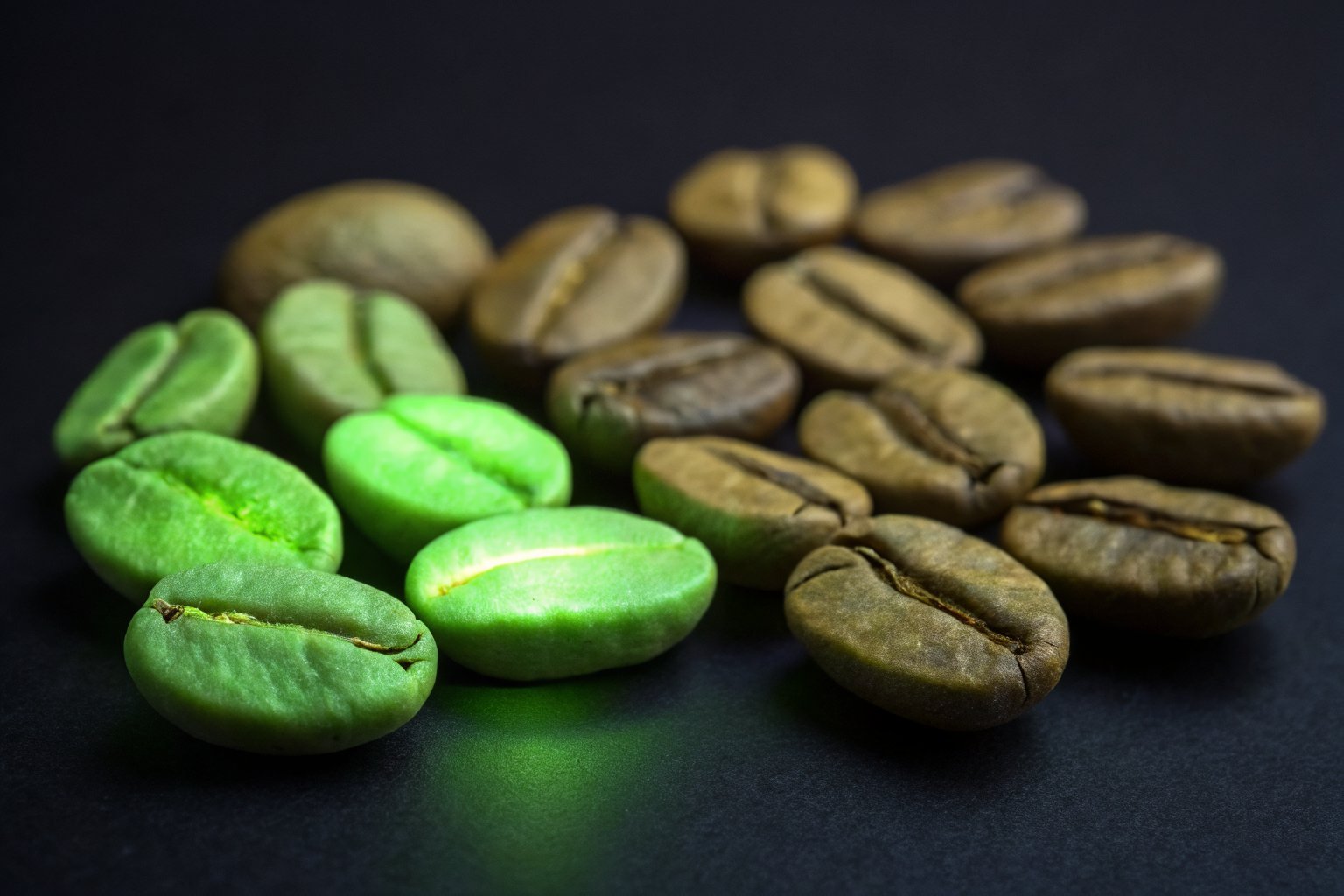
Fresh green Arabica coffee should show a bright green fluorescence under 365-nanometer UV light. The green fluorescence comes from chlorogenic acids and other phenolic compounds that are abundant in freshly harvested and processed beans. The intensity of the green color correlates with the freshness and quality of the coffee. The Coffee Quality Institute's UV fluorescence study found that fresh crop coffee with a cupping score above 84 points had an average UV fluorescence intensity of 72 on a standardized 0-to-100 scale. Coffee stored for 12 months had an average intensity of 45. Coffee stored for 24 months had an average intensity of 22.
What Does Aged Coffee Look Like Under UV?
Aged coffee loses its green fluorescence and appears brownish, dull, or even dark under UV light. The transition from green to brown fluorescence happens gradually over 6 to 18 months of storage. If you place a fresh crop sample next to a past crop sample under UV light, the difference is immediately obvious — the fresh coffee glows bright green while the aged coffee looks flat and dark. The Green Coffee Association's UV test protocol recommends using a 365-nanometer UV flashlight, holding it 10 to 15 centimeters from the beans in a dark room. The test should be conducted on a representative sample of at least 50 intact beans.
How Do You Perform the UV Test Correctly?
The UV test is simple, but getting reliable results requires the right equipment and technique.
What Equipment Do You Need for UV Testing?
The essential equipment is a 365-nanometer UV flashlight, which costs 15 to 40 dollars online. A 395-nanometer UV light will also work but produces a weaker fluorescence signal. You also need a dark room or a blackout box. The test is worthless if ambient light interferes with the UV illumination. The Specialty Coffee Association's UV testing guide recommends using a UV light with at least 5 watts of power and a beam angle of 15 to 30 degrees. Wider beams spread the light too thin and reduce the fluorescence intensity.
What Are the Common Mistakes in UV Testing?
The most common mistake is testing wet or freshly processed beans. Surface moisture interferes with UV fluorescence. Always test dry beans at their equilibrium moisture content. Another mistake is testing a single bean — always test at least 50 beans from different parts of the sample to get a representative reading. Third, do not compare fluorescence across different varieties — naturally different fluorescence levels can make a fresh low-fluorescence variety look like aged coffee. At Shanghai Fumao, we use UV testing as a regular quality check on our stored inventory. Our high-grown Catimor shows a bright green fluorescence under UV for the first 10 months of storage. At 12 to 14 months, the fluorescence begins to dull, and we prioritize those lots for immediate sale.
How Do You Combine UV Testing with Other Freshness Indicators?
UV testing is most useful when combined with other quality checks. No single test tells the whole story.
What Other Tests Confirm the UV Test Results?
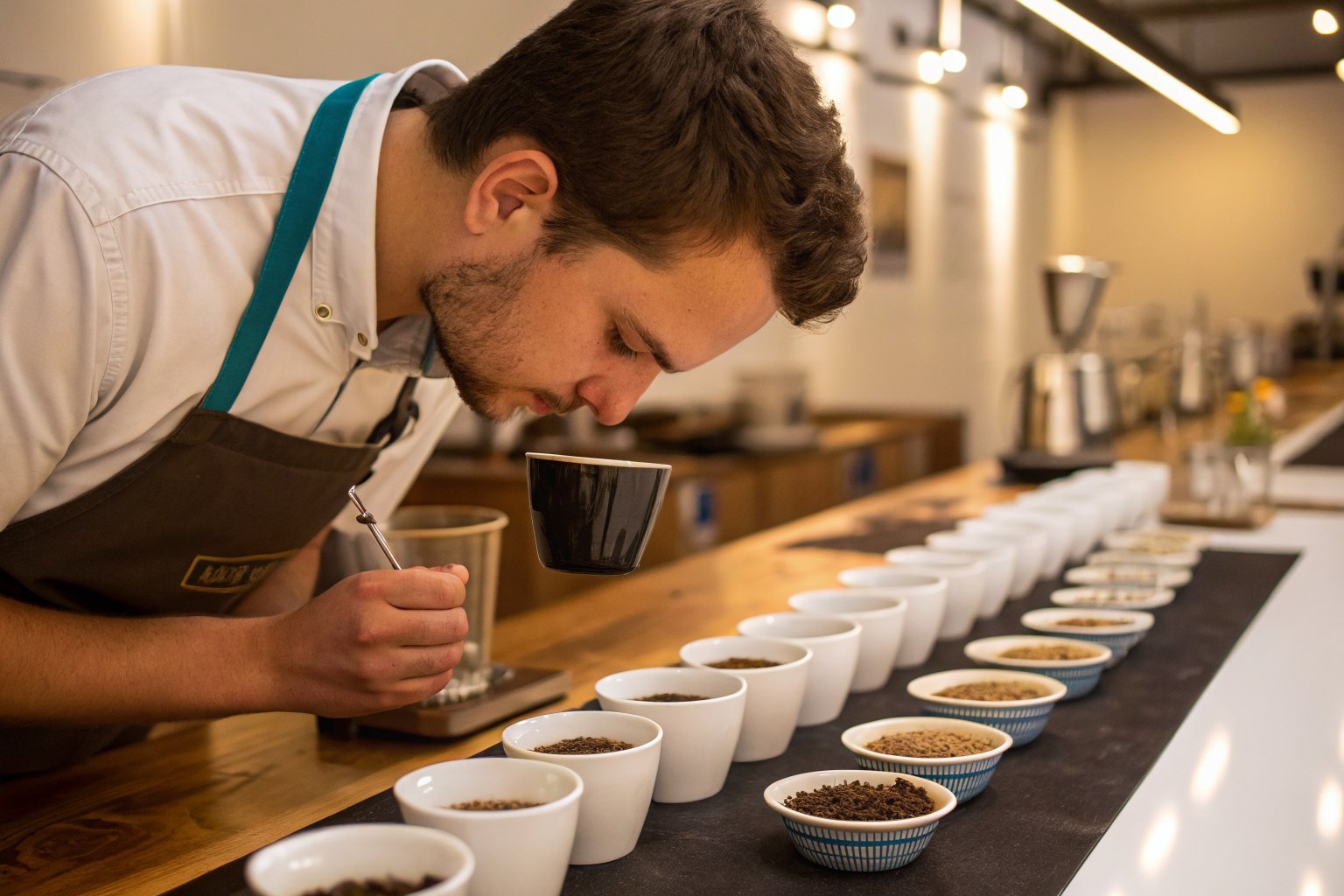
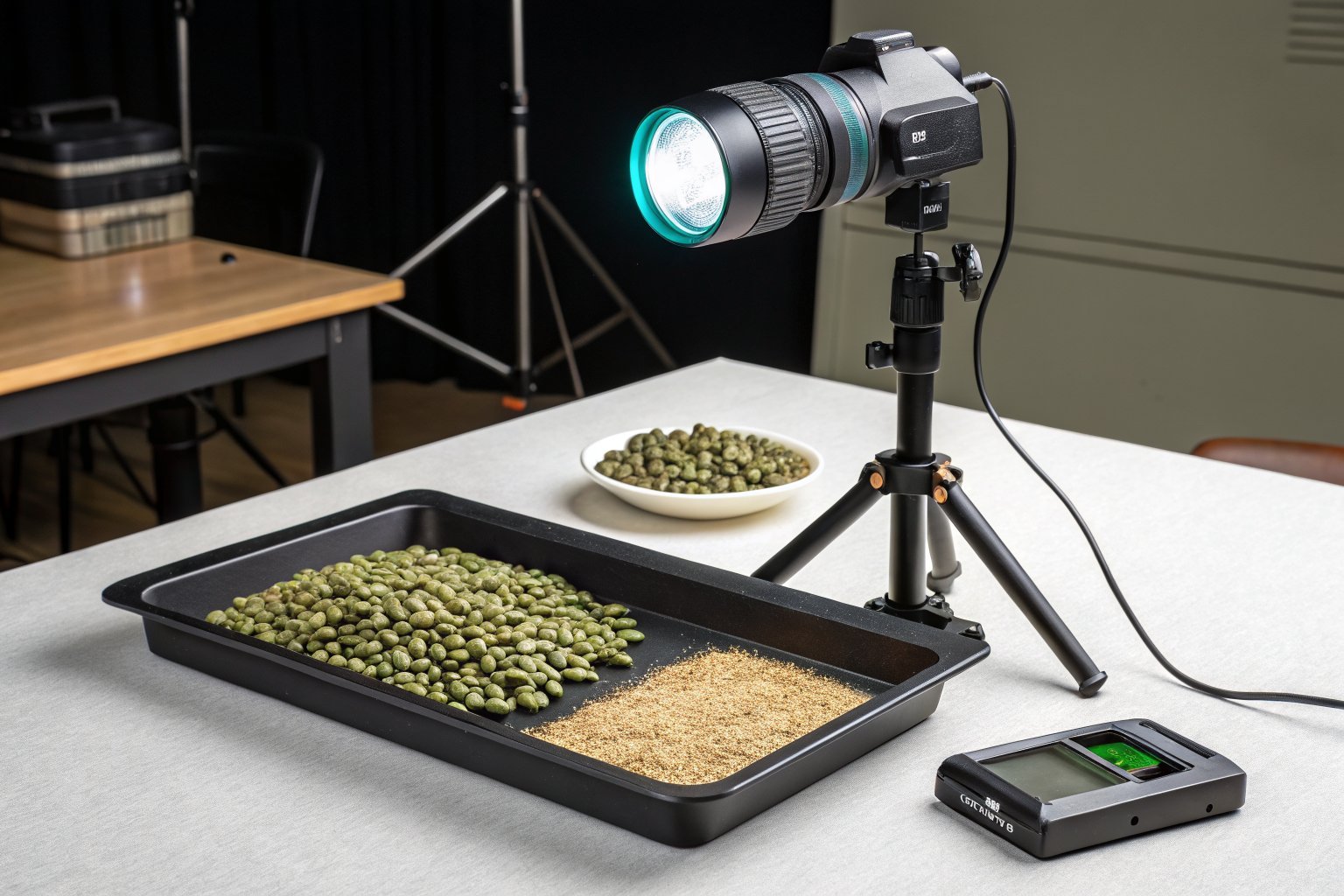
The most reliable confirmation is cupping. If the UV test suggests past crop coffee, cup the sample and look for the telltale signs of aged coffee: reduced acidity, a flat or papery flavor, and a short finish. You can also check the moisture content — past crop coffee stored properly will have normal moisture, but coffee stored improperly may have drifted outside the 10.5 to 11.5 percent range. The Coffee Quality Institute's freshness verification protocol recommends combining UV fluorescence with a moisture test and a cupping evaluation. If all three indicate aging, the coffee is almost certainly past crop. If only the UV test flags it but cupping is normal, the variety may have naturally low fluorescence rather than being aged.
How Do You Document UV Test Results for Supplier Disputes?
If you need to use UV test results in a quality dispute, document the process carefully. Photograph the sample under UV light with a reference sample of known fresh coffee next to it. Include the lot number, the test date, and the UV light specifications. Most buyers and suppliers accept well-documented UV test results as evidence of age. At Shanghai Fumao, we provide a freshness certificate with every lot that includes the UV fluorescence reading at the time of shipment. This gives our buyers a baseline to compare against when the coffee arrives.
Conclusion
The UV light test is a fast, low-cost method for identifying past crop coffee. Fresh coffee glows bright green under 365-nanometer UV light because of its high chlorogenic acid content. As the coffee ages, the fluorescence fades to a dull brown. Test at least 50 beans in a dark room with a quality UV flashlight, and combine the results with cupping and moisture testing for a complete picture. At BeanofCoffee, every lot we ship is tested for UV fluorescence at the time of packing. If you receive coffee that glows bright green under UV, you can be confident it is fresh crop coffee at its peak quality. Contact Person: Cathy Cai Email: cathy@beanofcoffee.com Website: https://beanofcoffee.com/