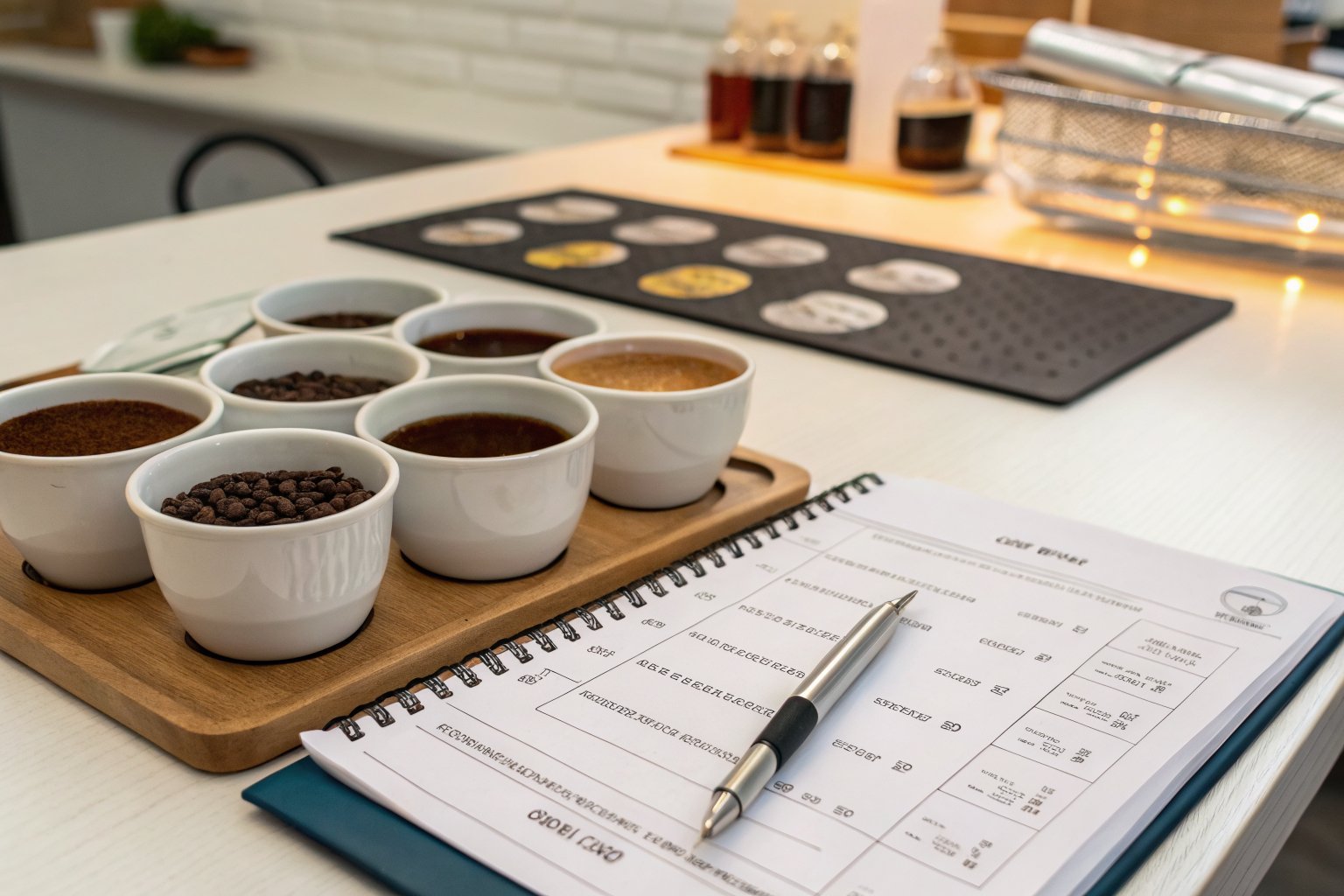
A buyer from a large food service distributor in Chicago sent me a cupping form from JDE — Jacobs Douwe Egberts — and asked me to explain what the numbers meant. He was used to SCA cupping forms, but the JDE form looked completely different. No aroma score. No flavor score. Instead, it had categories like roasted defect, green defect, and cup cleanness on a numerical scale that seemed arbitrary. JDE uses a proprietary cupping system designed for evaluating commercial-grade coffee at scale. If you are buying commercial-grade coffee, understanding this form is essential because it determines whether your coffee passes quality control at some of the world's largest coffee buyers. Let me walk you through it.
What Is the JDE Cupping System and How Is It Different from SCA?
The JDE cupping system was developed for high-volume commercial coffee evaluation. Where SCA focuses on positive attributes — flavor, acidity, body — JDE focuses on defect detection and cup cleanness. The system is designed to identify coffee that is clean and consistent rather than exceptional.

What Categories Does the JDE Form Evaluate?
The JDE form evaluates five primary categories: cup cleanness on a scale of 0 to 9, with 9 being perfectly clean; roasted defect on a scale of 0 to 3, with 0 being no defects; green defect on 0 to 3 scale; overall quality on 0 to 9 scale; and a weighted total score that combines all categories. The total score determines whether the coffee is acceptable for JDE's commercial blends. The Coffee Quality Institute's commercial cupping standards explains that the JDE system prioritizes defect detection because commercial blends must be consistent across thousands of bags. A single defective bag can ruin an entire blending batch. At Shanghai Fumao, we use the JDE system alongside SCA cupping for our commercial-grade lots because many of our wholesale buyers supply JDE-compatible blends.
What Score Indicates Passing Quality on the JDE Form?
The weighted total score determines pass or fail. A score of 6.0 or above on the total is considered passing for most JDE applications. Below 5.5 is reject. Between 5.5 and 6.0, the coffee may be accepted at a discount or used in a lower-tier blend. The cup cleanness score carries the most weight in the total — it accounts for approximately 40 percent of the final grade.
How Do You Read Each Category on the JDE Form?
Each category has specific evaluation criteria that differ from what SCA-trained cuppers are used to. Understanding these criteria helps you know what the buyer is looking for.
What Does Cup Cleanness Mean on the JDE Form?
Cup cleanness evaluates the absence of taints and off-flavors. A score of 9 means the cup is perfectly clean with no detectable defects. A score of 7 means minor taints are present but not overwhelming. A score of 5 means the coffee has a distinct off-flavor that makes it unsuitable for commercial blends. Common taints that reduce cleanness scores include: phenolic notes from contamination, musty notes from improper drying, fermented notes from over-processing, and smoky notes from roasting issues. The JDE cupping manual specifies that any coffee with a cleanness score below 6 must be flagged for investigation regardless of other scores.
How Are Roasted Defect and Green Defect Scored?
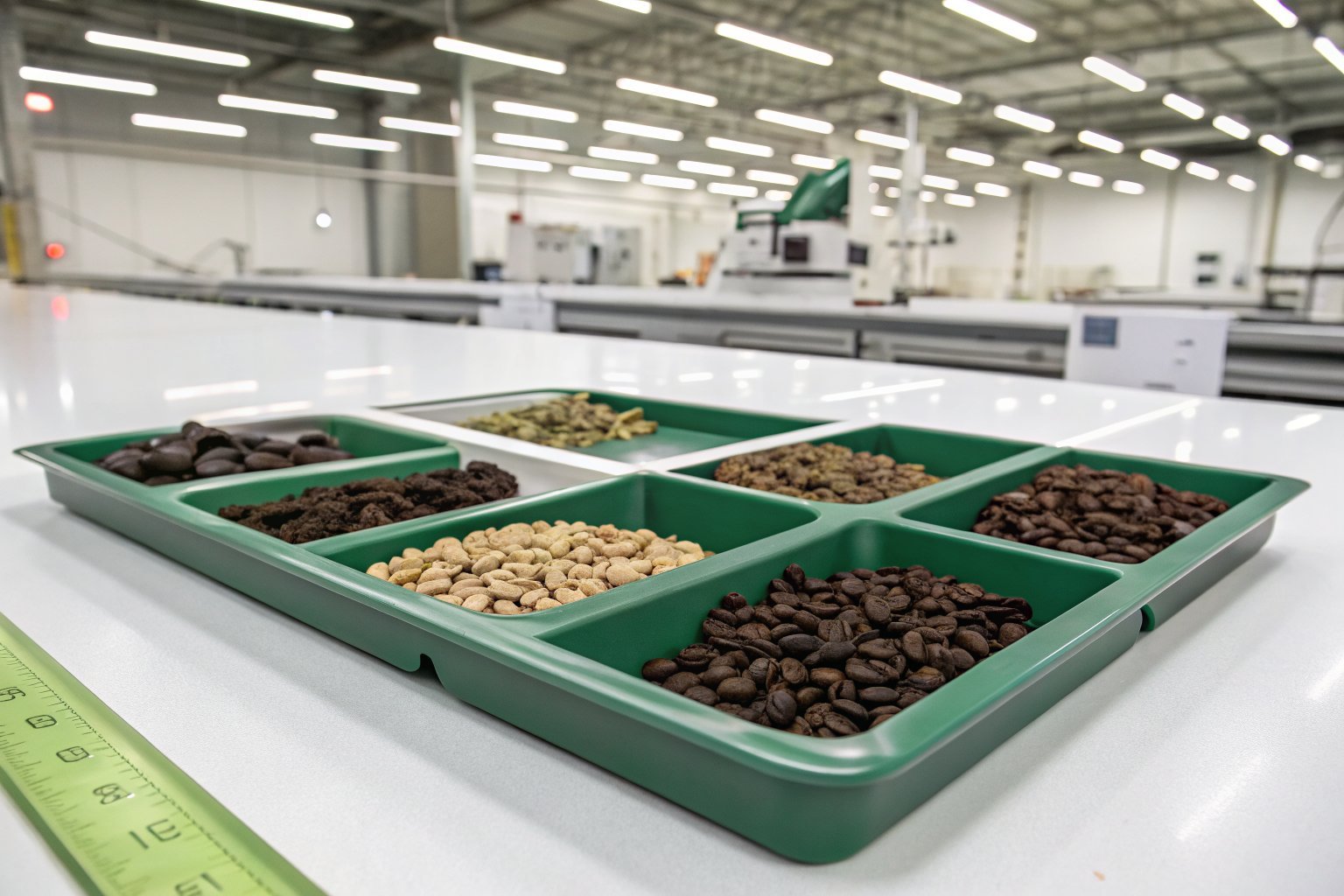
Roasted defect scores from 0 to 3, with 0 being no detectable roast defects. Defects counted include baked flavor, scorching, tipping, and uneven color. A score of 1 means minor defects that do not significantly affect the cup. A score of 2 means noticeable defects that would be detected in a commercial blend. A score of 3 means severe defects that make the coffee unsuitable. Green defect scores from 0 to 3 similarly, covering sour beans, black beans, insect damage, and mold. The evaluator counts visible defects in a 300-gram green sample and correlates the count with the cup defect intensity. At Shanghai Fumao, we pre-screen all commercial-grade lots using the JDE green defect scale before cupping.
What Common Mistakes Do New Users Make with the JDE Form?
Cuppers trained on the SCA system often misinterpret JDE scores because they are used to a positive-scoring system.

Why Do SCA-Trained Cuppers Struggle with JDE Scoring?
The biggest mistake is trying to add flavor and acidity notes into the JDE score. The JDE form does not reward complexity. A simple, clean coffee with no defects can score 8 on cup cleanness and pass easily. A complex, interesting coffee with a minor fermented note may score only 6 and fail. The JDE system is built for consistency, not distinction. The Specialty Coffee Association's JDE system transition guide recommends that SCA-trained cuppers mentally switch from what makes this coffee great to what is wrong with this coffee when using the JDE form. Focus on detecting defects first. If the coffee is clean and defect-free, the score will take care of itself.
How Do You Ensure Consistent JDE Scoring Across Multiple Sessions?
Consistency is the biggest challenge with any cupping system, and JDE is no different. The solution is calibration sessions with reference samples. JDE provides a set of reference coffees at different defect levels that cuppers use to calibrate their scores. Without calibration, two cuppers evaluating the same coffee can differ by 1 to 2 points on the same category. The Coffee Quality Institute's calibration program recommends quarterly calibration sessions for any team using JDE forms. The improvement in scoring consistency after calibration is typically 30 to 40 percent reduction in inter-cupper variation.
How Do You Use JDE Scores to Improve Your Commercial Coffee Program?
JDE scores are not just a pass-fail gate. They provide actionable feedback that helps you improve your coffee over time.

How Do You Track JDE Scores Across Seasons and Suppliers?
Create a simple spreadsheet that tracks the five JDE category scores for every lot you evaluate. Add columns for origin, variety, processing method, and cupping date. Over time, patterns emerge. You might find that natural process lots from a certain region consistently score lower on cup cleanness. Or that your washed lots from a specific supplier have perfect green defect scores but occasional roasted defect issues. The Green Coffee Association's commercial quality tracking program recommends tracking at least 12 months of JDE data before making sourcing decisions. At Shanghai Fumao, we use JDE tracking to identify which of our partner farms produce the highest cleanness scores, and we allocate those lots to our commercial-grade buyers who need consistent quality.
Can You Predict JDE Scores from Green Bean Physical Properties?
Yes, within limits. Green coffee with low defect counts in physical inspection — fewer than 5 defects per 300 grams — will almost always score 7 or higher on JDE cup cleanness. Bean color uniformity and moisture consistency also correlate with higher JDE cleanness scores. The World Coffee Research commercial grade prediction study found that a simple physical inspection protocol predicted JDE cleanness scores with 72 percent accuracy. The physical inspection checks for insect damage, broken beans, black beans, and foreign matter. If the physical inspection passes, the cupping score is likely to pass as well.
Conclusion
The JDE cupping form is a commercial-grade evaluation system focused on defect detection and cup cleanness rather than positive flavor attributes. Scores range from 0 to 9 for cleanness and overall quality, with a passing threshold of 6.0. The system rewards clean, consistent coffee that works in large-volume commercial blends. Use it alongside SCA cupping for a complete picture of your coffee's quality. At BeanofCoffee, we evaluate all our commercial-grade lots using the JDE system and provide the scores to buyers who need them. If you supply commercial blends that need to meet JDE standards, we can help you select the right lots. Contact Person: Cathy Cai Email: cathy@beanofcoffee.com Website: https://beanofcoffee.com/