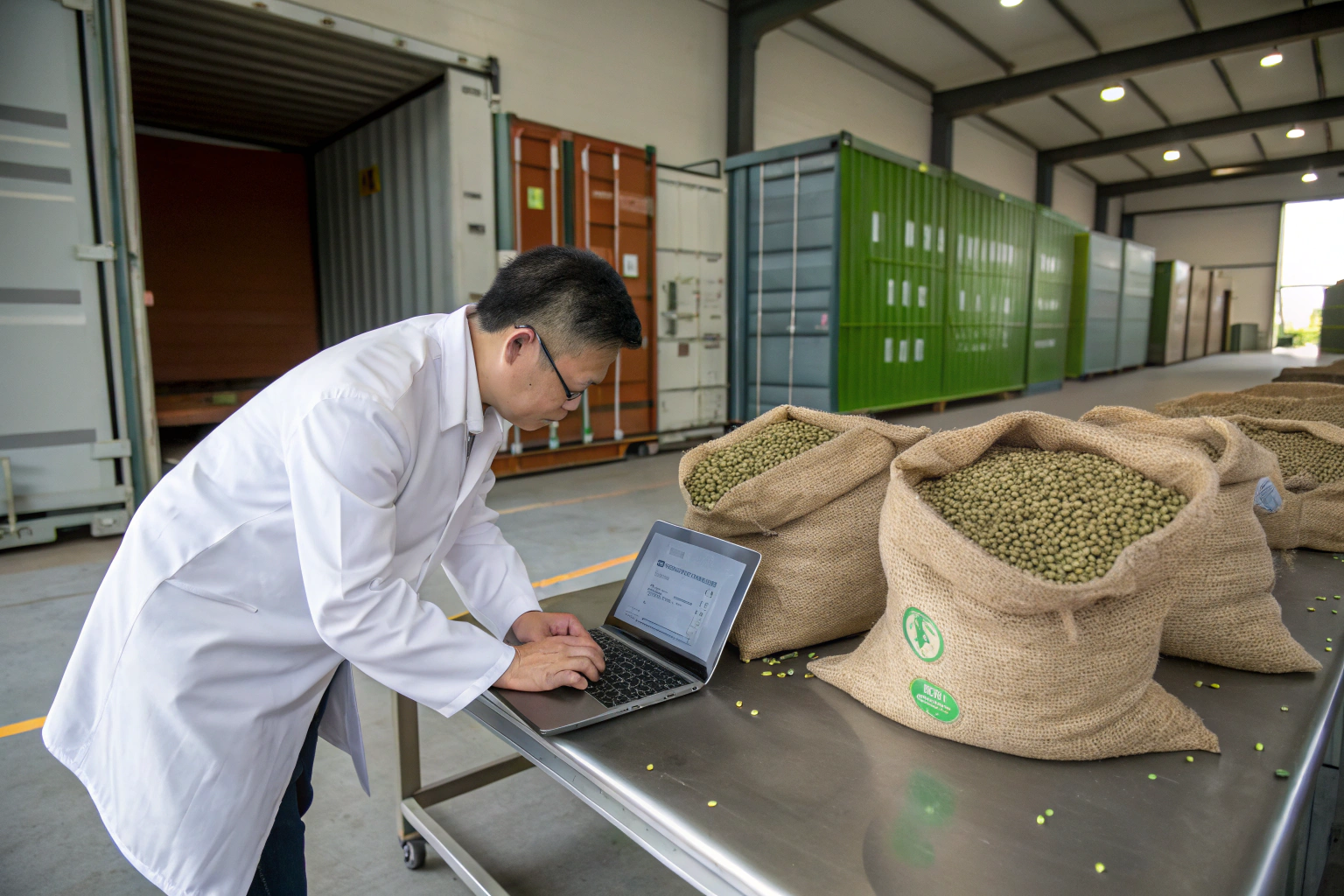
A buyer in Seattle once told me his first two containers from a new supplier were perfect. The third one was musty. The fourth was too dry. He had no idea why. He stopped ordering. That supplier lost a customer who would have bought for years. The problem was not one bad harvest. It was that nobody had a system to catch the drift before it loaded. Quality does not manage itself. You manage it, or it manages you.
The direct answer is this: you manage quality across multiple coffee shipments by fixing the specification, repeating the same pre-shipment checks, and using traceability to compare every lot against the last one. At BeanofCoffee, we do exactly that. We own over 10,000 acres in Baoshan, Yunnan, so we control the coffee from picking to loading. That control lets us keep shipment number five as close to shipment number one as possible.
But there is a difference between saying you have quality control and actually doing it when a forklift is waiting and the vessel cutoff is in six hours. That is when systems break. That is when shortcuts happen. The next four sections show you how to build a quality routine that survives real-world pressure. It is not complicated. It is just disciplined. And it starts with understanding why coffee drifts in the first place.
What Causes Inconsistent Coffee Quality Between Shipments?
You taste one container and it is sweet and clean. The next one is flat and a little woody. Same farm. Same grade. Same price. What happened? You feel cheated. I have been on the other end of that phone call. It is not fun. But the answer is rarely that the farm lied. It is usually that something small changed and nobody caught it in time.
Inconsistent coffee quality between shipments is usually caused by lot mixing, changes in drying time, moisture drift in storage, or container heat during transit. The fix is not to punish the supplier. It is to lock the process so that every shipment follows the same path. At BeanofCoffee, we separate lots by block and picking date. We dry to a tight moisture range. Then we load with the same liner and the same container prep every time. That is what consistency looks like on paper.
Dive deeper and you see that coffee is a living product. It changes with weather, with fermentation, with warehouse temperature. A farm can produce 85 points in one week and 82 points the next, even with the same trees. The skill is not in avoiding variation entirely. It is in catching the variation early and sorting or blending to maintain the target. Here is a table of the most common causes I have seen from my side of the mill.
| Cause of Variation | What It Does to the Cup | Prevention Step |
|---|---|---|
| Mixing high and low altitude cherries | Uneven sweetness, harsh edge | Separate block harvesting |
| Drying too fast or too slow | Faded acidity or mold risk | Raised beds with shade, moisture logs |
| Storing at wrong moisture | Musty notes, weight loss | Keep 10.5%-11.5%, monitor weekly |
| Container heat spike | Flat, baked flavor | Pre-cool container, use breathable liner |
Why Do Coffee Lots Taste Different Even from the Same Farm?
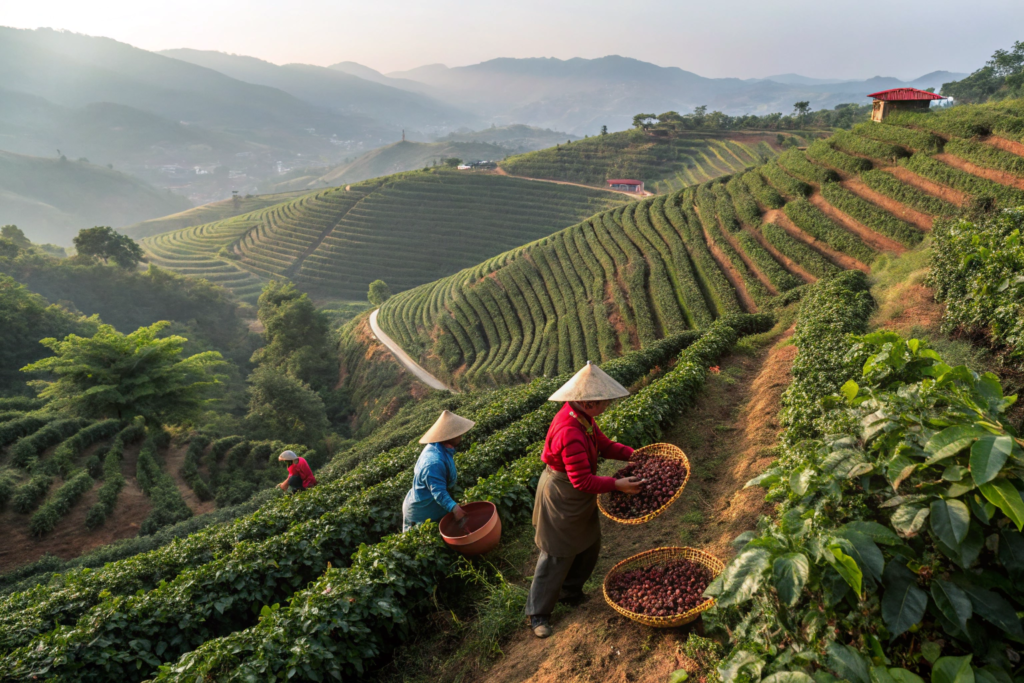
A single farm can have many microclimates. One hillside gets morning sun, another gets afternoon shade. Cherries from the top of the slope ripen slower than the bottom. If you pick everything on one day and mix it, the cup will be uneven. That is why we harvest by block. Each block has its own number and its own drying batch. The Specialty Coffee Association recommends lot separation as a core practice for specialty coffee. The World Coffee Research catalog shows that altitude and shade affect sugar development and acidity. So the next time you get a different cup from the same farm, ask if the lot was harvested as one block or mixed from several. The answer will tell you a lot about the supplier's control.
How Does Moisture Content Affect Shipment Consistency?
Moisture is the silent killer of coffee quality. Too wet and the beans can mold or ferment in the container. Too dry and the coffee loses aroma and weight. At our mill, we target 10.5% to 11.5% moisture for washed Arabica before bagging. We test every batch with a calibrated meter. Then we test again before stuffing the container. The CBI coffee market information emphasizes that stable moisture is critical for long ocean voyages. The National Coffee Association also explains how condensation inside a container can cause localized wet spots. I always use a GrainPro liner and add desiccant bags. It costs a little more, but it stops the top bags from dripping. One buyer told me my containers arrive cleaner than some Central American lots he bought for years. That is not luck. It is moisture discipline.
How to Build a Pre-Shipment Quality Checklist for Coffee?
You trust your supplier until the coffee lands and you find a problem. Then it is too late. I have seen buyers who never asked for a pre-shipment sample, then complained about the cup. The supplier says, "You approved the offer sample." The buyer says, "That was three months ago." Both sides are right. Both are unhappy. A checklist would have fixed it.
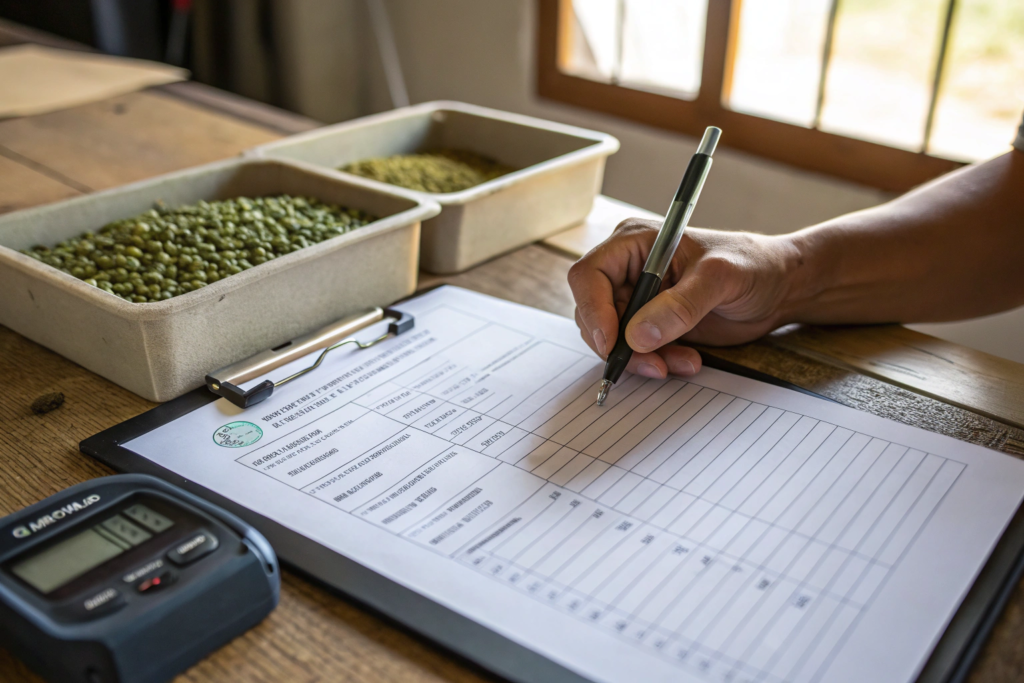
A pre-shipment quality checklist for coffee should include moisture and water activity, defect count, cupping score on the actual lot, bag weight and stitching, and container cleanliness. Every item gets a pass or fail. If one item fails, the shipment stops. At BeanofCoffee, we run this checklist before any bag goes into a container. It is not optional. It is the gate between our farm and your roastery.
Dive deeper: The goal of the checklist is not to catch every defect. It is to catch the defects that will cost you money. A few broken beans are fine. A musty bag is not. So you rank the checks by impact. Here is a practical table we use with our export team.
| Checklist Item | Pass Standard | Why It Matters |
|---|---|---|
| Moisture content | 10.5%-11.5% | Prevents mold and weight loss |
| Defect count per 300g | Less than 8 full defects | Keeps cup clean |
| Cupping score | 80+ for specialty | Confirms flavor target |
| Bag weight | 60 kg +/- 0.5 kg | Avoids customer short weight |
| Container condition | Dry, clean, no odor | Prevents external contamination |
What Should a Coffee Pre-Shipment Inspection Include?
A complete inspection starts with a random sample from the lot after bagging. That sample is cupped, roasted, and checked for defects. The International Trade Centre has a detailed export quality checklist for coffee producers. The Specialty Coffee Association protocol for cupping gives you a standard score sheet. I also recommend checking the bag material. Jute with a food-grade inner liner is best. And do not forget the container. I once rejected a container that smelled like garlic because it had carried a previous cargo of spices. That smell would have ruined the coffee. A simple sniff test before loading is part of the inspection.
How Often Should You Test Coffee Batches Before Export?
You should test every batch that goes into a container, not just one sample per season. During our harvest, we cup every day. That catches a bad fermentation from one day's picking before it contaminates the rest. Before export, we pull a composite sample from each lot and send it to the buyer if requested. The Perfect Daily Grind often writes about the importance of daily cuppings at origin. The CBI coffee market information notes that European buyers increasingly ask for lot-specific quality reports. So do not test once and hope. Test each batch, keep the record, and share it. That is how you build a reputation for consistency.
Why Is Lot Traceability Important for Multiple Coffee Shipments?
If you cannot trace a bad shipment back to its source, you cannot fix it. You just hope it does not happen again. That is not management. That is gambling. I have seen buyers accept a bad container because the supplier could not tell them which farm block it came from. That should never happen. Traceability is not a luxury. It is the only way to learn from mistakes.
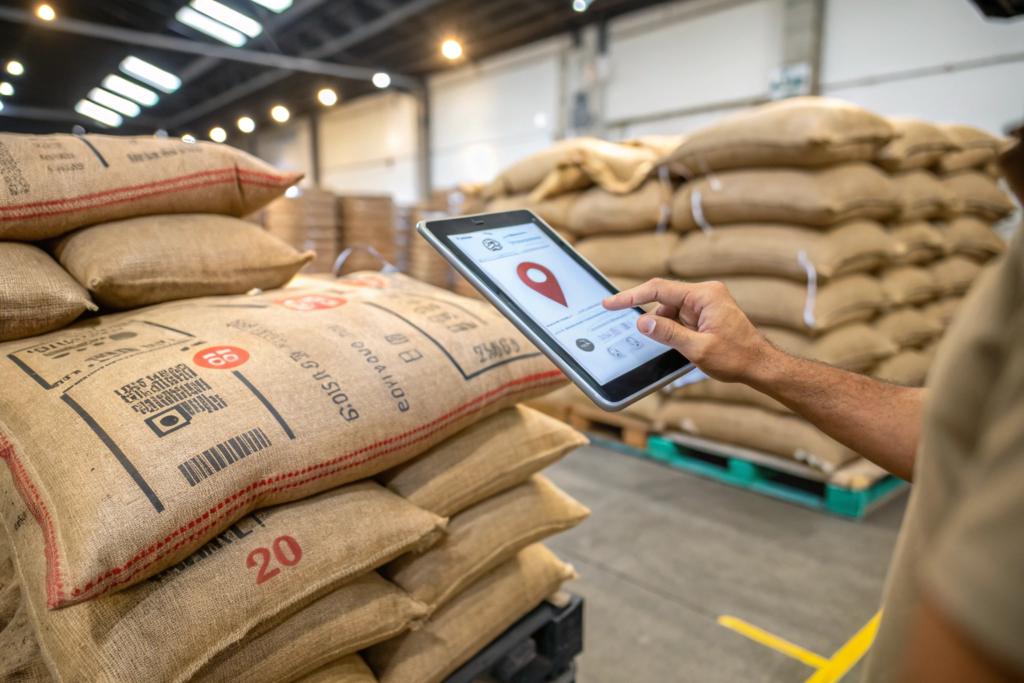
Lot traceability is important because it lets you compare shipment number five against shipment number one and see exactly what changed. Was it a different block? A different drying period? A different harvest week? At BeanofCoffee, every bag has a lot code. Scan it or write it down, and I can tell you the block, the picking date, the processing method, the drying time, and the storage conditions. That level of detail turns a mystery into a solvable problem.
Dive deeper: The value of traceability is not just for complaints. It is for building a consistent blend. If you know that lot A from block 5 always scores 84 with brown sugar notes, you can order that lot again next year. If lot B scores 82, you can adjust the price or the use. Here is what I record for every shipment.
| Traceability Data Point | Example | Why It Matters |
|---|---|---|
| Farm block number | B-07 | Isolates microclimate differences |
| Picking date | Dec 12-14, 2025 | Tracks ripeness window |
| Processing batch | W-031 | Links to fermentation and drying log |
| Drying days | 18 days on raised beds | Controls moisture curve |
| Storage location | Warehouse 2, Bay 4 | Tracks temperature and humidity |
How Does Lot Coding Help You Track Coffee Quality Over Time?
Lot coding gives each batch a unique identity. Instead of saying "the coffee was good in June and bad in August," you can say "lot W-031 from block 7 was 85, lot W-045 from block 9 was 81." That data tells you which blocks are strong and which need work. The Rainforest Alliance requires traceability as part of its certification. The World Coffee Research also advocates for variety and location tracking to improve quality. So when a supplier gives you a lot code, they are giving you a tool. Use it. Ask for the block and the picking date. Compare lots over time. You will quickly see patterns that a single cupping cannot show.
What Data Should a Coffee Supplier Provide for Each Shipment?
At minimum, a supplier should provide a lot code, a moisture reading, a cupping score, and a defect count. If they also give you the GPS coordinates and the processing log, even better. The USDA Foreign Agricultural Service has country reports that show what documentation Chinese exporters typically provide. The CBI coffee market information states that buyers now expect digital traceability, not just a paper certificate. I email a PDF with all this data before the container sails. If a buyer asks for the same data after arrival, I can send it again in minutes. That speed builds trust. A supplier who cannot produce this data quickly is probably not in control of their own coffee.
How to Communicate Quality Expectations with Chinese Coffee Suppliers?
You think you said "I want a clean cup with medium body." The supplier heard "good coffee." That gap is where disputes are born. I have had buyers send me a one-line email and expect me to read their mind. I cannot. But I can ask questions. And I can share a spec sheet that removes all guesswork. That is the better way.
To communicate quality expectations with a Chinese coffee supplier, you should send a written specification before the first order. The spec should include target cupping score, flavor notes you want and do not want, moisture range, defect tolerance, and packaging requirements. At BeanofCoffee, we ask every new buyer for this. It takes ten minutes for them to fill out. It saves months of back-and-forth later.
Dive deeper: Language and cultural differences make oral agreements risky. A buyer says "bright" and means lemon-like acidity. A supplier hears "sour" and worries. That is why a number is better than an adjective. "Acidity score 7.5 on the SCA form" is unambiguous. Here is a simple table of questions I ask buyers before they order.
| Question | Why It Prevents Disputes |
|---|---|
| What cupping score do you require? | Sets a measurable minimum |
| Which flavor notes are unacceptable? | Avoids a lot with earthy or fermented taste |
| What moisture range is acceptable? | Prevents mold claims later |
| What bag weight and size? | Stops short weight complaints |
| Do you need a pre-shipment sample? | Confirms approval before loading |

What Should You Put in a Coffee Quality Specification Sheet?
A good spec sheet has three sections: sensory, physical, and documentation. Sensory includes the score, the acidity, the body, and the flavor notes you want. Physical includes moisture, defect count, bean size, and bag specs. Documentation includes the cupping report, the moisture certificate, the pesticide test, and the lot traceability code. The Specialty Coffee Association has templates for cupping and green grading. The International Coffee Organization publishes standard export contracts with quality clauses. I tell buyers to be specific but not ridiculous. Asking for a 90-point coffee at $3.50 per pound is a fantasy. But asking for an 84-point clean cup with no ferment defects is realistic. Write that down and both sides know the target.
How Can You Verify a Supplier's Quality Claims Before Ordering?
Do not trust a sample photo. Trust a sample you roast and cup yourself. Or send it to a third-party Q grader. The Coffee Review regularly publishes independent cuppings of Yunnan coffee. The Trade.gov country guide for China explains how to vet suppliers and check their export licenses. I always suggest a small trial order: 10 to 20 bags. You lose a little on freight, but you learn a lot about the supplier's consistency. If the trial lot matches the offer sample, you can scale up. If it does not, you walk away with a small loss instead of a container-sized mistake. That is the cheapest insurance you will ever buy.
Conclusion
Managing quality across multiple coffee shipments is not about perfection. It is about predictability. You want shipment number six to taste like shipment number one. That only happens when the farm separates lots, checks moisture daily, uses traceability codes, and communicates with a written spec. At BeanofCoffee, we built our export system around those four habits. We are not the biggest coffee exporter in China. But we are one of the most disciplined.
If you are tired of guessing whether the next container will be as good as the last one, talk to us. We supply Catimor, Arabica, and Robusta from our own 10,000 acres in Baoshan, Yunnan. We ship to North America, Europe, and Australia. We will send you our pre-shipment checklist, our lot traceability format, and a sample for you to cup. Contact Cathy Cai at cathy@beanofcoffee.com. Tell her your quality target and your volume. She will get back to you within one business day with a clear next step. No vague promises. Just a system you can check.