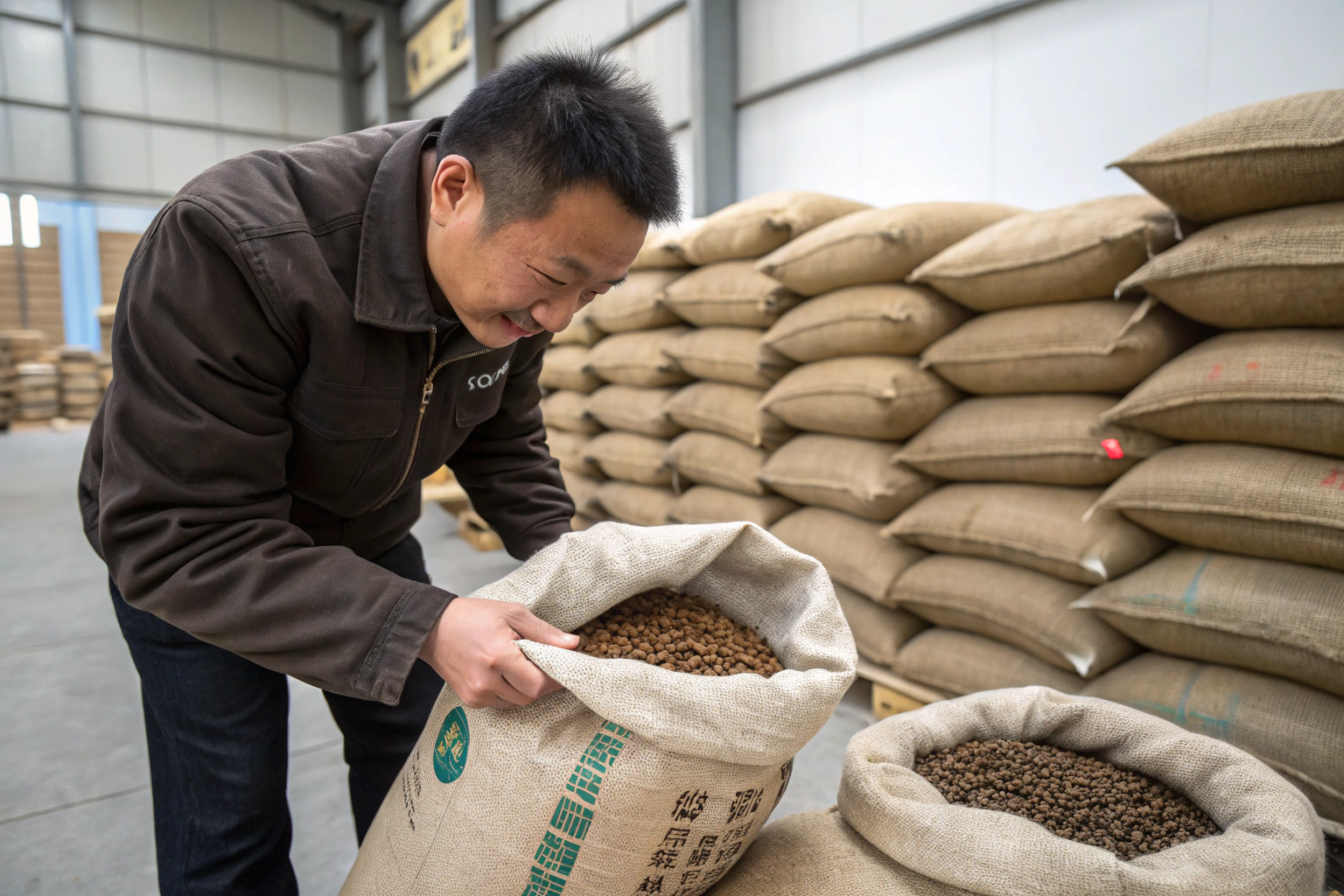
Two years ago, a regional chain in Ohio called me. Their Costa Rican supplier had just raised prices by 14 percent. They were stuck. They had 140 stores to keep stocked, and the math was falling apart. That call could have been a dead end. It was not. I sent them five kilos of washed Yunnan Arabica from our Baoshan farm. They cupped it, frowned, cupped it again. Then they ordered one container. Now they order four a year. They did not come to China because they loved the idea. They came because the old way stopped working.
More US chains are exploring Chinese Arabica beans because the quality has crossed a threshold, the landed cost is often lower than Central American equivalents, and the supply chain is stable enough for large orders. A chain buyer does not need a romantic origin story. They need a consistent cup, a reliable shipping window, and a price that survives a board meeting. Yunnan, especially Baoshan, now delivers that.
But there is still a gap between interest and trust. Most US buyers know Chinese tea, not Chinese coffee. They ask hard questions. I will answer the biggest ones here, from my side of the desk at BeanofCoffee. You will see why the hesitation is fading, and why the next container on your dock might have a Yunnan origin stamp.
Is Chinese Arabica Good Enough for US Chains?
I know the old reputation. Chinese coffee used to mean cheap Robusta or underdeveloped Catimor. A chain buyer told me his only memory of Yunnan coffee was a sample that tasted like wet cardboard. I did not argue. I asked him when he last tried it. It had been six years. That is a lifetime in this industry. The current reality is different. Not perfect, but different.
Yes, Chinese Arabica is now good enough for many US chains, especially those looking for a clean, balanced cup at an 83 to 86 point range. The top lots from Baoshan cup with brown sugar, black tea, and a soft citrus finish. They do not have the wild fruit of a natural Ethiopia, but most chains do not want wild. They want dependable. That is exactly what high-altitude Yunnan Arabica provides.
The deeper point is consistency. A chain with 200 stores cannot sell a coffee that changes every week. Our washed lots are processed in controlled batches, dried on raised beds, and stored at 11 percent moisture. That leads to a narrow flavor window. The Specialty Coffee Association protocols let us measure that consistency. A buyer can check scores on Coffee Review and see that Yunnan lots now regularly hit 85 or higher. That is not my marketing. That is an independent record.
What Do US Chain Buyers Look for in Arabica Quality?
Chain buyers do not talk like competition judges. They talk about clean cup, no defects, and a flavor that works in milk. That is the real spec. A single-origin Ethiopian with delicate florals may be too light for a latte. A Yunnan washed Arabica with medium body and caramel sweetness holds up better. I have walked through cupping tables with buyers who score our coffee exactly for that purpose. The National Coffee Association has consumer research showing that most US drinkers prefer smooth, sweet profiles over acidic or fruity ones. That preference shapes chain buying. So when you look at Yunnan Arabica, do not ask if it is the most exciting cup. Ask if it fits the menu. Often it does.
How Does Yunnan Altitude Improve Cup Consistency?
Altitude slows the cherry ripening. That is basic coffee agronomy. Most of our farms sit between 1,200 and 1,600 meters. At that height, the beans develop more sugar and less harsh acidity. The result is a rounder cup. The World Coffee Research catalog explains how altitude and variety interact. You can also read origin-specific breakdowns on Perfect Daily Grind. One thing buyers forget is that altitude alone does not guarantee quality. You need dry weather during harvest. Yunnan has a long dry season from November to April. That lets us dry the coffee evenly without mold. So the altitude and the climate work together. That is why a lot from Baoshan can taste the same in December and in March. Chains notice that.
Why Is Yunnan Arabica Cost-Effective for US Buyers?
Price is not everything, but it is always something. I have sat in meetings where the quality was great and the price killed the deal. US chains operate on thin margins. A few cents per cup matter. That is why they are looking at Yunnan. The cost math is starting to work in our favor.
Yunnan Arabica is cost-effective because the FOB price is often 10 to 20 percent below a comparable Central American lot, and the direct farm model removes broker commissions. At BeanofCoffee, we own the farms, the mill, and the export license. There is no trading company taking a cut. When I quote a price, it includes our margin and the logistics cost. That is it. The buyer knows where the money goes.
But cost-effectiveness is not just the bean price. You have to look at landed cost. A coffee that costs $3.60 per pound FOB can end up cheaper than one at $4.10 if the freight and import fees are lower. That is where Yunnan has a quiet advantage: shipping from Shanghai or Shenzhen to the US West Coast is a shorter, more direct route than many African origins. It still faces the same canal mess for East Coast delivery, but the base legs are efficient.
How Does Direct Sourcing from Yunnan Farms Cut Costs?
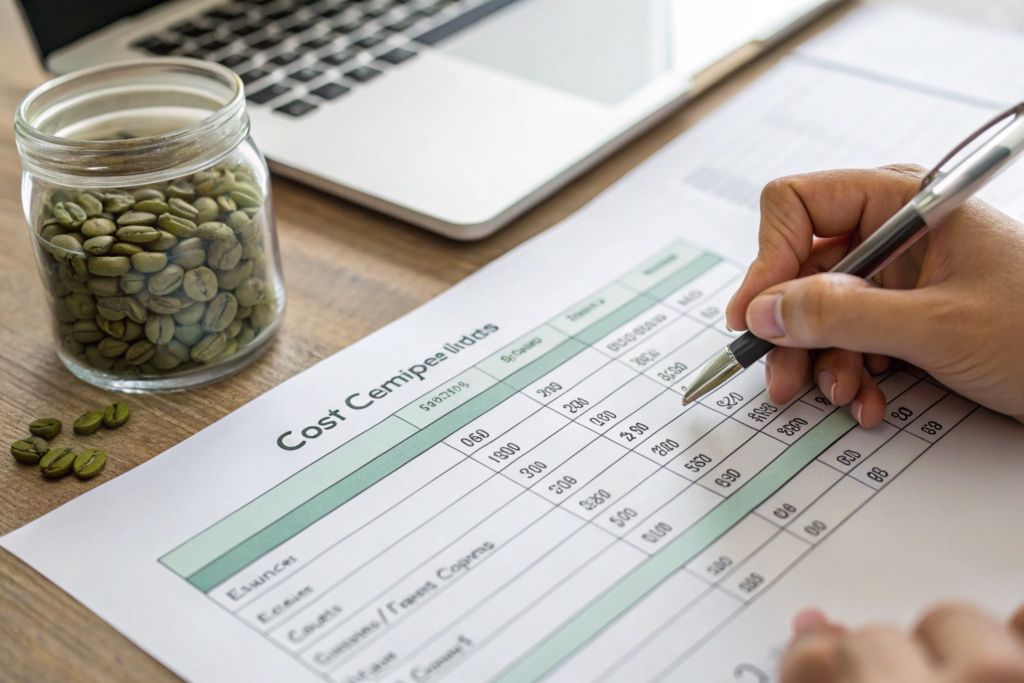
When you buy through a broker, you pay for their travel, their warehouse, and their uncertainty. Direct sourcing removes that layer. We handle the milling, the grading, the bagging, and the export paperwork under one roof. That speed saves money. The Tridge platform shows that Chinese Arabica often trades at a discount to Central American lots of similar score. The International Coffee Organization data confirms that China is still a value origin in specialty coffee. One chain buyer in Texas told me he saved $0.38 per pound by switching from a Hong Kong trader to us. On a 40,000-pound container, that is $15,000. That is not a rounding error.
What Is the Landed Cost Comparison with Central American Coffee?
Let me give you a rough table. These numbers move, but the pattern holds. A washed Yunnan Arabica at 84 points might cost $3.70 per pound FOB. A similar Guatemalan lot could be $4.40. After freight, insurance, and port fees to Chicago, the Yunnan coffee might land at $4.60 per pound. The Guatemalan could land at $5.30. That gap is real. The USDA Foreign Agricultural Service publishes trade data that helps you verify origin pricing. The World Bank commodity markets shows long-term coffee price trends. You still have to taste the coffee and decide if the cup is acceptable. But if it is, the savings go straight to your bottom line.
Can Chinese Exporters Handle Large Coffee Orders?
A small farm can send you one great pallet. A chain needs forty. That is a different problem. I have seen buyers fall in love with a micro-lot and then realize the farm cannot supply past April. Then they scramble. That is why scale matters as much as score.
Yes, Chinese exporters can handle large coffee orders, especially those who own large plantations and centralized processing. At BeanofCoffee, we manage over 10,000 acres. That gives us the volume to fill multiple 40-foot containers per month during the harvest window. We do not need to buy from five different smallholders to make up a container. We pick, process, and pack from our own blocks. That control is what a chain buyer needs to avoid supply gaps.
The deeper advantage is that our scale does not force us into low-grade bulk. We can separate a 50-bag micro-lot for a specialty roaster and still fill a 20-foot container with a consistent chain blend. That flexibility is unusual. Most large farms are not set up for both. We are.
| Order Size | BeanofCoffee Capability | Typical Lead Time |
|---|---|---|
| 1 pallet (10 bags) | Sample or trial lot | 7-10 days |
| 1 container (20ft) | Regular export | 20-30 days |
| 4 containers per quarter | Contract supply | 35-50 days |
Can a Yunnan Farm Supply Multiple Containers Per Month?
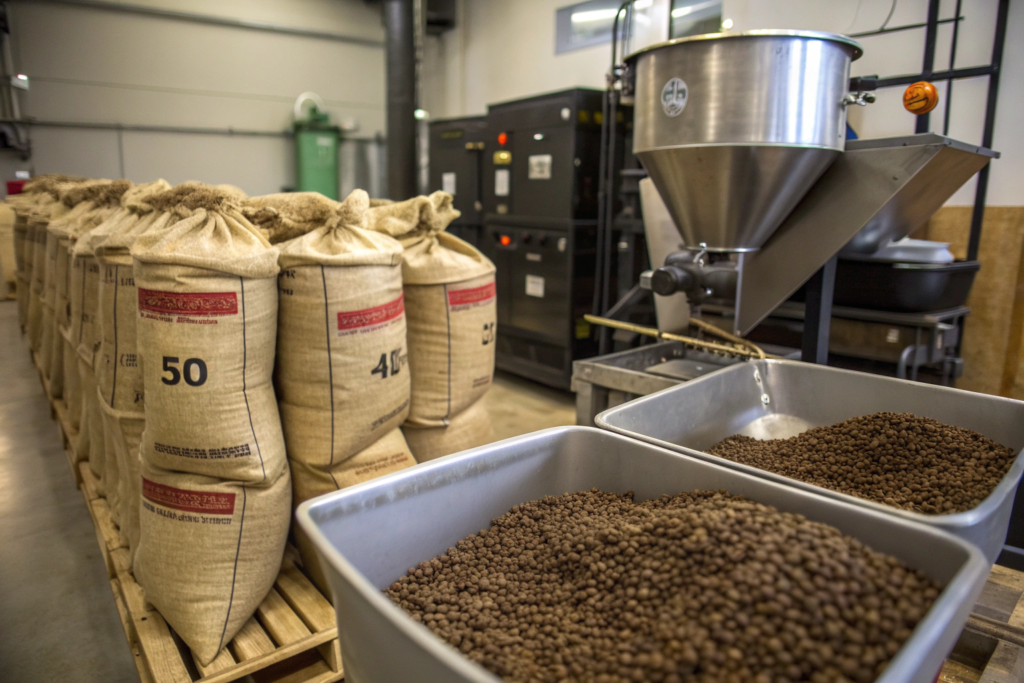
Yes, if the farm has enough mature trees and a wet mill that can process cherries continuously. During our peak harvest from November to February, we can process and export up to six containers a month. That is roughly 120,000 kilograms of green coffee. The Daily Coffee News has reported on the growth of large Yunnan estates and their capacity. The National Coffee Association notes that chain buyers increasingly want a single origin with multi-container capability. One hidden detail: a farm's export license also matters. We have our own license, so we do not need to rent someone else's. That cuts delays and costs.
What Quality Control Systems Support Large Volume Coffee Exports?
Volume without control is chaos. We cup every day during harvest. Every batch gets a moisture test and a defect count. If a batch drifts, we stop and fix the processing. The CBI coffee market information explains that buyers now expect documented quality systems from new origins. The International Trade Centre has practical guides for export quality management. For a chain, the key is lot separation. We do not mix high and low altitude cherries. Each container has a lot code. You can trace it back to the block and the picking date. That might sound like extra work, but it is cheaper than a recall or a bad cupping report after the coffee lands.
Are US Tariffs a Barrier for Chinese Arabica?
Tariffs are the first thing a US buyer asks me about. It is a fair question. The trade relationship between the US and China is not simple. But green coffee has historically been treated differently from manufactured goods. I am not a trade lawyer, so I always tell buyers to check the current rules before they commit. I do not want anyone surprised at the port.
The direct answer is that green coffee imports from China currently face no separate US tariff beyond the standard zero rate for most unroasted coffee. But trade policy can change. The bigger practical barriers are freight costs and port delays, especially on East Coast routes through the Panama Canal. That is where the real friction is, not the tariff line.
The Trade.gov China country commercial guide is a good place to start for current tariff information. The US Customs and Border Protection site lists commodity-specific duty rates. I always advise buyers to confirm the HS code with their customs broker. Green coffee is often 0901.11. That code has been duty-free for many origins. But do not assume. Check every order.
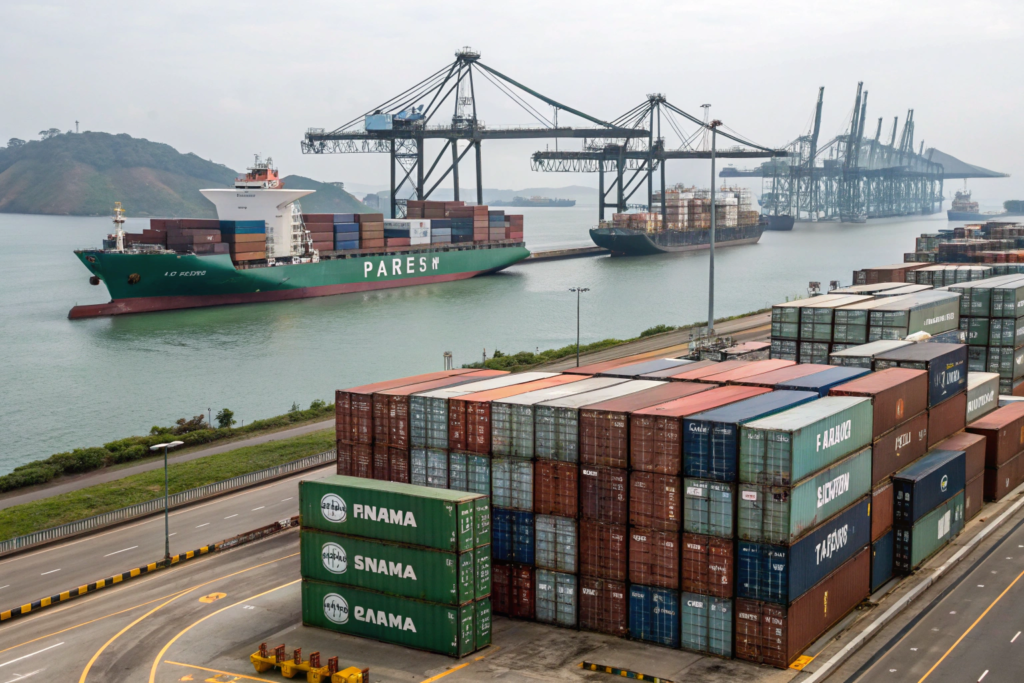
How Do US Tariffs Affect Chinese Arabica Imports?
At the moment, the tariff impact is minimal for green coffee. The bigger worry is if the coffee is processed or roasted. Roasted coffee can face different treatment. A chain importing green beans for its own roasting operation is usually fine. A chain importing finished retail bags from China might see a different classification. That is why most US buyers roast in the US and source green from us. The International Trade Administration has updated country reports. I also follow USDA Foreign Agricultural Service for any trade alerts on agricultural goods. The key is not to panic at headlines. Check the HS code, not the news.
What Shipping Routes Reduce Risk for Yunnan Coffee to the US?
The West Coast is the easiest. From Shanghai to Los Angeles or Oakland takes 18 to 26 days. No canal. No Cape of Good Hope. If your roastery is in the Midwest or East Coast, you can land on the West Coast and truck inland. It can be cheaper than waiting for a Panama Canal slot. The Freightos Baltic Index shows daily rate differences between routes. The Panama Canal Authority publishes current transit availability. I check that every morning. When the canal is tight, I tell my East Coast buyers to consider a Los Angeles landing plus rail or truck. It adds two or three days, but it avoids the unpredictable wait and the surcharge. One chain in Florida did this last season. They saved six days and about $900 per container. They now plan their routing around the canal schedule, not around a fixed port.
Conclusion
The shift toward Chinese Arabica is not a fad. It is a response to price pressure, supply instability, and the slow but real improvement of Yunnan coffee. US chains do not make decisions based on coffee blogs. They make decisions based on cupping tables and cost spreadsheets. Both are starting to point in the same direction. Yunnan can now deliver a clean, consistent cup at a landed price that competes with, and sometimes beats, the old standbys.
If you are a chain buyer or a roaster who wants to test that claim, do not take my word for it. Request samples. Ask for cupping reports. Compare landed costs. At BeanofCoffee, we supply Catimor, Arabica, and Robusta from our own 10,000 acres in Baoshan, Yunnan. We export green beans and processed products to North America, Europe, and Australia. Contact Cathy Cai at cathy@beanofcoffee.com. Tell her your volume, your port, and your target cup profile. She will send you a realistic sample and a transparent quote within one business day. Then you can decide with data, not doubt.