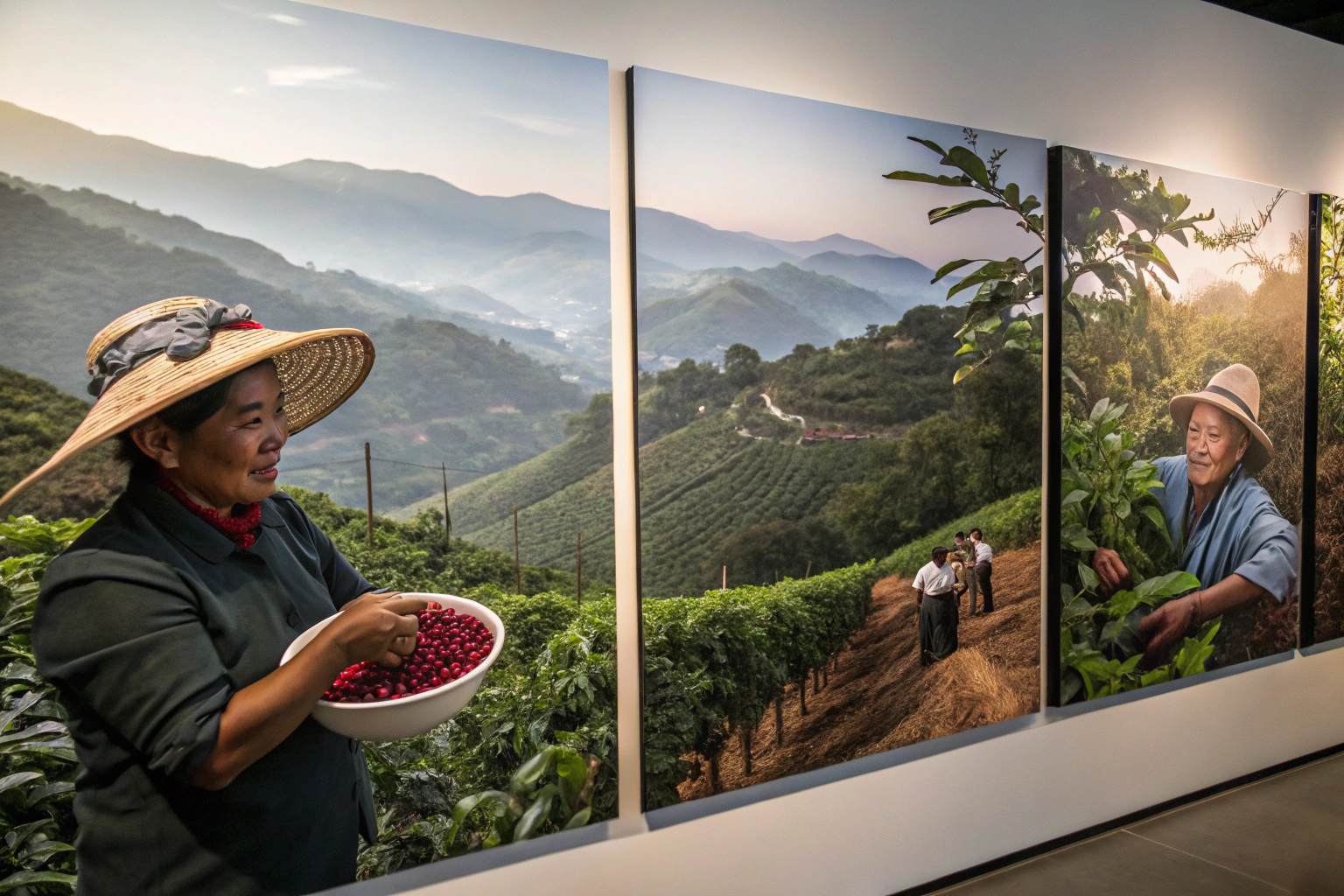
I still remember a buyer from Melbourne who said, "Yunnan is Yunnan, right? It all tastes like tea." He was wrong. Not all Yunnan coffee is the same. Not even close. The differences come from altitude, latitude, rainfall, and how each county processes its cherries. I have walked these hills for over a decade. I can stand on a slope in Baoshan and tell you the cup will be cleaner than a lot from a low valley in Dehong. It is not magic. It is geography.
Yunnan has several coffee sub-regions, but the main specialty Arabica areas are Baoshan, Pu'er, Lincang, and Dehong. Baoshan and Lincang sit higher and drier, so they produce cleaner, sweeter, more balanced cups. Pu'er and Dehong are lower and wetter, which can give more body but also more earthy or fermented notes if not handled carefully. The flavor differences are real and repeatable. You just need to taste them side by side.
At BeanofCoffee, we farm in Baoshan. That is our home base. But I have cupped coffee from all the major Yunnan sub-regions. I will break down what makes each one different. I will also show you how to avoid the common mistake of treating Yunnan as a single origin with a single taste. If you are sourcing Chinese coffee, this matters.
Which Yunnan Sub-Regions Produce Specialty Arabica?
Many buyers assume Yunnan is one giant coffee farm. It is not. It is a province the size of a small country. Within Yunnan, the climate changes from cool highland to subtropical valley. That range means different sub-regions produce very different cups. Some are great for specialty. Some are not. You have to know which is which.
The main specialty Arabica sub-regions in Yunnan are Baoshan, Lincang, Pu'er, and Dehong. Baoshan and Lincang have the highest average altitudes, often between 1,200 and 1,600 meters. Pu'er and Dehong sit lower and warmer, with more rainfall. Baoshan is known for clean, sweet, tea-like cups. Lincang can be brighter and more acidic. Pu'er can have more body and earth. Dehong can be heavy and tropical, but also risky if fermentation is not controlled.
Dive deeper and you see that altitude is only part of the story. The length of the dry season, the soil type, and the dominant varieties also matter. Baoshan has a long dry season from November to April, which is perfect for slow drying. Pu'er gets more rain, so drying is trickier. Here is a quick table I use when explaining the differences to importers.
| Sub-Region | Typical Altitude | Dominant Flavor Profile | Specialty Potential |
|---|---|---|---|
| Baoshan | 1,200-1,600m | Brown sugar, black tea, soft citrus | High, consistent |
| Lincang | 1,300-1,700m | Floral, bright acidity, light body | High, but smaller volume |
| Pu'er | 900-1,300m | Earthy, tea-like, medium body | Medium, needs sorting |
| Dehong | 800-1,200m | Tropical fruit, heavy body, ferment | Medium, processing critical |
What Are the Key Growing Areas in Yunnan for Arabica?
Baoshan is the biggest and most established specialty area. Lincang is smaller but rising fast. Pu'er has a long tea history that sometimes overlaps with coffee. Dehong is warmer and produces more volume but lower average cup quality. The World Coffee Research catalog lists Yunnan as an emerging origin with specific variety recommendations. The USDA Foreign Agricultural Service publishes a China coffee annual report that breaks down these growing areas and their production shares. A good buyer does not just ask for "Yunnan." They ask for the county, the altitude, and the processing method. That is the first step to getting a consistent cup.
How Does Altitude Impact Flavor in Yunnan Sub-Regions?
Higher altitude slows the ripening of the cherry. That gives the bean more time to develop sugars and complex acids. Lower altitude speeds things up, which often leads to a flatter, heavier cup. In Baoshan, our farms at 1,500 meters produce a sweet, clean cup with medium acidity. In Dehong, at 900 meters, the same variety can taste dull and slightly woody. The Specialty Coffee Association has research on how altitude affects cup score across origins. Perfect Daily Grind also covers the link between elevation and flavor development. When you cup a Yunnan sample, ask for the exact altitude. If the supplier cannot tell you, that is a warning sign.
How Does Baoshan Coffee Flavor Differ from Pu'er and Dehong?
I have had buyers tell me they bought "Yunnan" and got an earthy, heavy cup they did not like. Then they tried a Baoshan lot and were surprised. The problem is that Yunnan is not one flavor. It is several flavors wearing the same name. If you do not know the sub-region, you are gambling.
Baoshan coffee usually shows brown sugar, black tea, and a soft citrus finish. It is clean and balanced, easy to place in a blend or sell as a single origin. Pu'er, especially lower-altitude lots, can show more earthy, woody, sometimes mushroom notes. That can work for a dark roast, but it is not what most specialty buyers want. Dehong, with its warmer climate, often has a fuller body and hints of tropical fruit, but it can also carry ferment if the drying was rushed. The difference is not just taste. It is control.
Dive deeper: Baoshan's dry season is a hidden advantage. We can dry cherries slowly on raised beds without fear of rain. That slow drying preserves sweetness and prevents off flavors. Pu'er and Dehong get more rain during harvest, so farmers often use mechanical dryers, which can flatten the cup. Here is a simple flavor comparison I give to roasters.
| Sub-Region | Sweetness | Acidity | Body | Aftertaste |
|---|---|---|---|---|
| Baoshan | High, brown sugar | Medium, citrus | Medium | Clean, tea-like |
| Lincang | High, floral | Bright, malic | Light | Crisp, lingering |
| Pu'er | Medium, molasses | Low | Full | Earthy, slightly dry |
| Dehong | Medium, ripe fruit | Low | Heavy | Short, sometimes fermented |
Why Does Baoshan Produce a Cleaner Cup?
It starts with the weather. Baoshan has a long dry season, so cherries can be dried slowly on raised beds. That slow drying keeps the sugars intact and prevents mold. We also control fermentation with time and temperature logs. The CBI coffee market information notes that buyers prefer origins with reliable dry seasons. The Rainforest Alliance also emphasizes careful drying as a key quality practice. In my experience, a Baoshan washed Arabica stored at 11 percent moisture will arrive at your roastery tasting the same as the day we bagged it. That consistency is not luck. It is climate plus discipline.
What Do Buyers Taste When They Cup Yunnan Coffees Side by Side?
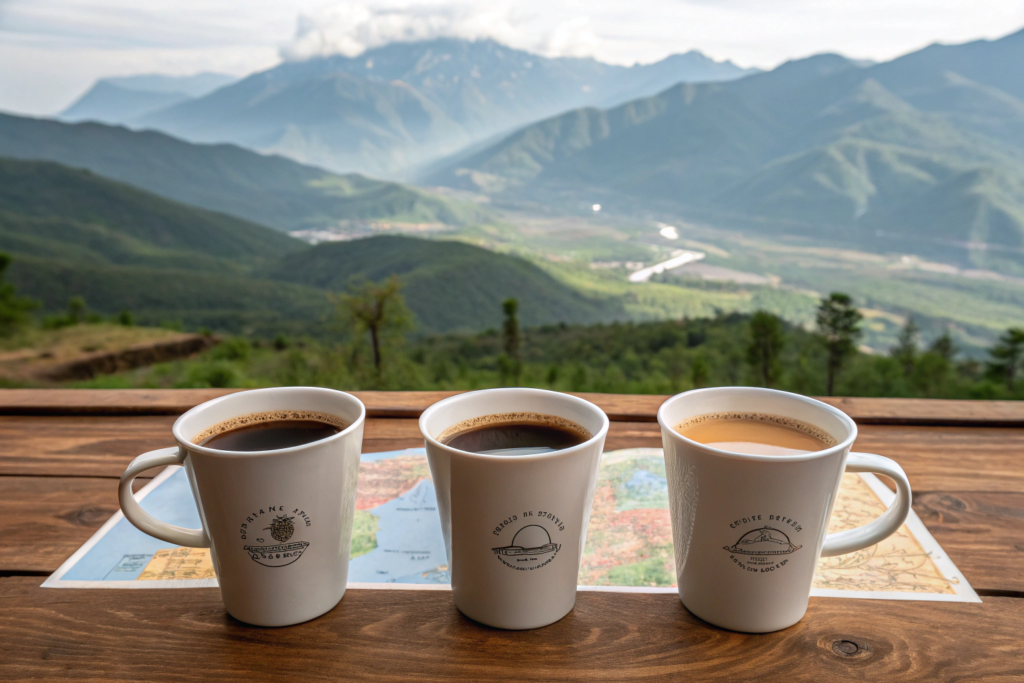
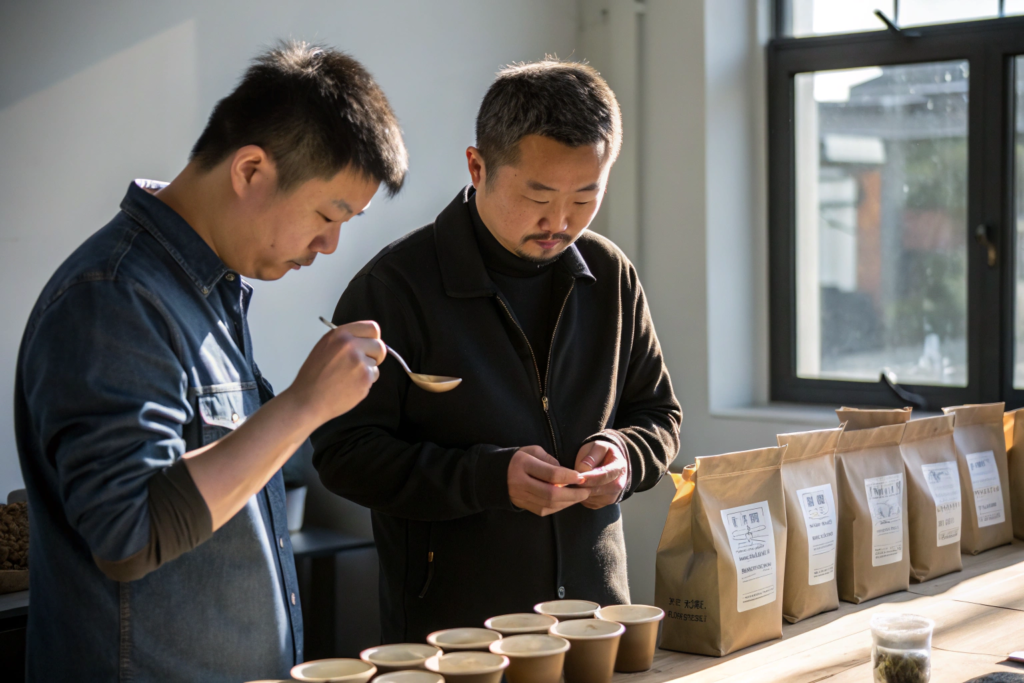
When you line up Baoshan, Pu'er, and Dehong on a cupping table, the differences jump out. Baoshan is the friendliest: sweet, clean, balanced. Pu'er can taste darker, more earthy, sometimes like a wet forest floor. Dehong can be heavy and fruity, but sometimes with a rough edge. I once watched a Q grader from Coffee Review cup three Yunnan lots and immediately pick the Baoshan for its clarity. The other two had potential but needed more sorting. You can also check Tridge for market data showing that Baoshan lots often command a slight premium over other Yunnan sub-regions. That premium exists because the cup is more consistent. You pay a little more, but you save money on quality complaints.
Can You Taste Terroir in Yunnan Coffee?
Some people say terroir is only for wine. I disagree. Coffee carries the taste of its place. I have cupped the same Catimor variety grown in Baoshan and Dehong. They taste like different coffees. The difference is not the variety. It is the place: the soil, the sun, the wind, the drying rhythm.
Yes, you can taste terroir in Yunnan coffee. The long dry season, the red soil, and the high altitude all leave a mark. Baoshan lots tend to have a clean, tea-like finish that comes from slow drying and cool nights. Lincang lots can be brighter, with a floral lift. Lower and wetter areas like Dehong produce more body but less clarity. That is terroir doing its quiet work.
Dive deeper: The red soil in much of Yunnan is rich in iron and drains well. That forces the coffee tree to work for water, which concentrates sugars. The large temperature swing between day and night also helps. At our farms in Baoshan, the daytime temperature can be 24 degrees Celsius and drop to 12 at night. That stress is good for flavor. The Food and Agriculture Organization has documents on how agro-ecological zones shape crop quality. The World Bank commodity markets report also notes that origin-specific climate factors influence coffee prices. So when a buyer asks why Baoshan tastes different, I say: it is the soil, the altitude, and the dry wind. All three are part of the terroir.
What Role Does the Dry Season Play in Yunnan Flavor?
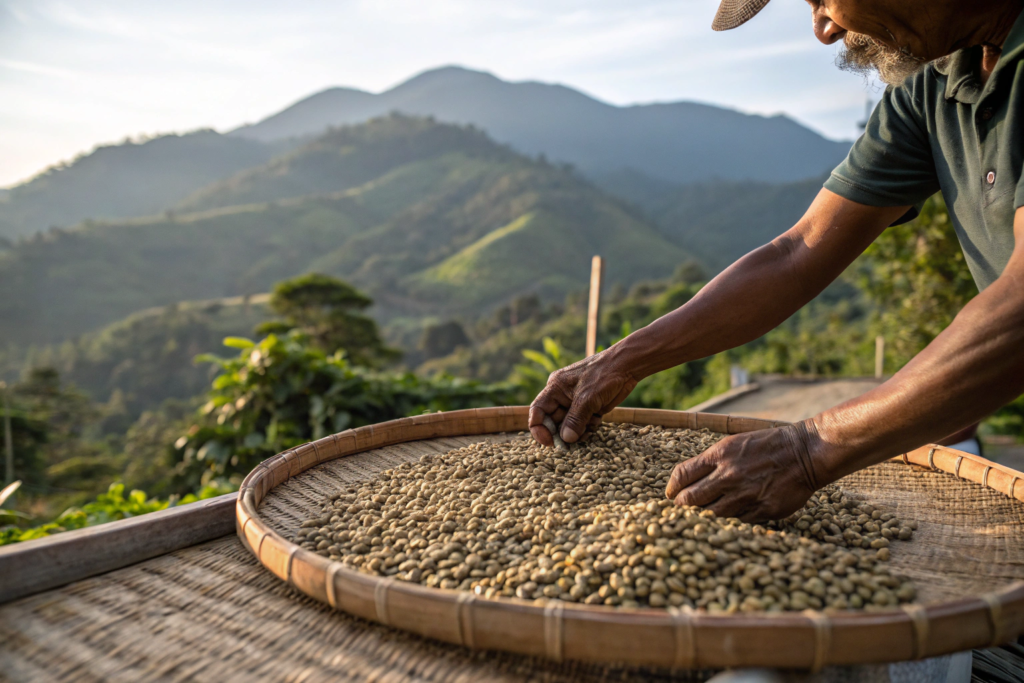
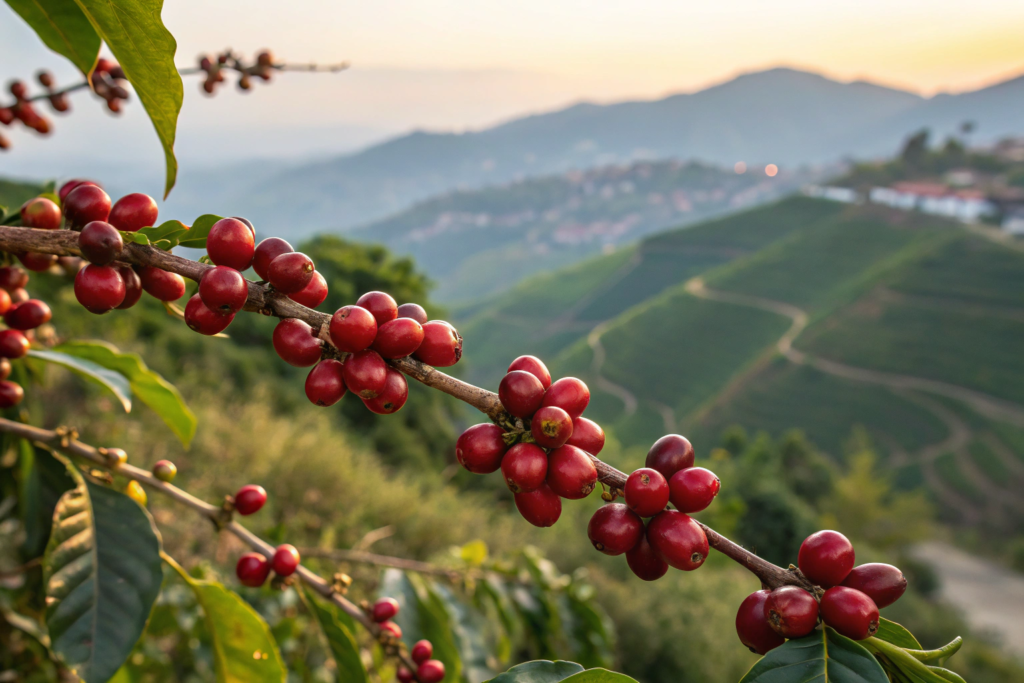
The dry season is the unsung hero of Yunnan coffee. Without it, slow drying would be impossible. With it, we can dry cherries for 15 to 20 days on raised beds, turning them by hand. That gentle process builds sweetness and keeps the cup clean. In wetter sub-regions, farmers often rush drying or use mechanical dryers, which can bake the beans and flatten the flavor. The International Coffee Organization has reports on how drying methods affect cup quality. I always tell buyers to ask about the drying time and method. If a supplier says "we dry it in three days," you should be suspicious. Good coffee takes time, and the dry season gives us that time.
How Do Soil and Latitude Shape Yunnan Arabica?
Yunnan sits at about 25 degrees north latitude. That is not the equator, but combined with high altitude, it creates a cool, stable climate. The red clay soil is acidic and mineral-rich. That combination produces coffee with moderate acidity and a sweet, rounded body. The World Coffee Research catalog explains how latitude and altitude influence the same variety in different locations. The National Coffee Association also has consumer research showing that moderate acidity and sweet notes are preferred by most US drinkers. Baoshan's latitude and soil give us exactly that profile. It is not the brightest coffee in the world, but it is one of the most approachable. For a chain or a roaster looking for a reliable base, that is a plus.
How to Source the Right Yunnan Sub-Region for Your Roastery?
Now that you know the differences, the question is which one fits your brand. Not every roaster needs a Baoshan lot. If you want a heavy body for espresso, a lower-altitude Dehong or Pu'er might work, but you need to cup carefully. If you want a clean, sweet single origin that pleases a broad audience, Baoshan is the safer choice.
The right Yunnan sub-region depends on your target cup profile, your price point, and your tolerance for inconsistency. Baoshan offers the best balance of quality and volume. Lincang can give you a brighter, more floral cup, but the supply is smaller. Pu'er and Dehong are usually cheaper, but the risk of earthy or ferment notes is higher. At BeanofCoffee, we focus on Baoshan because we own the land there and can control every step. That control translates into fewer surprises for you.
Dive deeper: I always tell buyers to cup at least three sub-regions before deciding. Do not fall in love with one sample. Ask the supplier for lots from different blocks and different altitudes. Then create a simple scorecard. Here is a decision table I share with new clients.
| Sub-Region | Best For | Price Level | Consistency Risk |
|---|---|---|---|
| Baoshan | Everyday specialty, blends, chains | Mid | Low |
| Lincang | Bright single origin, filter | Mid-high | Medium |
| Pu'er | Dark roast, price-sensitive blends | Low | High |
| Dehong | Heavy body, experimental | Low | High |
What Questions Should Buyers Ask About Yunnan Sub-Region Lots?
Do not just ask "Is this Yunnan?" Ask "Which county? What altitude? What was the drying method? Can I see the cupping report for this exact lot?" Those four questions will separate the professionals from the pretenders. The Trade.gov China country commercial guide gives an overview of how Chinese exporters operate. The International Trade Centre has practical checklists for coffee importers. I have had buyers thank me for being able to answer all four in one email. If a supplier stumbles on any of them, that is a sign they are buying from a middleman, not the farm.
How Can You Verify a Supplier's Sub-Region Claims?
Ask for proof. A GPS pin of the farm, a photo of the drying beds, a lot code that you can trace back to a block. The USDA Agricultural Marketing Service offers resources on verifying agricultural product origins. Companies like Oritain use isotope testing to scientifically verify the region of origin. That might be overkill for a first sample, but for a container order, it is worth considering. I have no problem sharing our farm coordinates. I want you to trust the coffee, but I also want you to verify it. That is how a good partnership works: no blind faith, just facts.
Conclusion
Yunnan is not one coffee. It is a collection of sub-regions, each with its own voice. Baoshan speaks clean and sweet. Lincang speaks bright and floral. Pu'er speaks dark and earthy. Dehong speaks loud and heavy. If you are sourcing Chinese Arabica, your job is to figure out which voice your customers want to hear. Once you cup them side by side, the choice becomes easier. And if you want a partner who can help you navigate that choice, we are here.
At BeanofCoffee, we farm over 10,000 acres in Baoshan, Yunnan. We export Catimor, Arabica, and Robusta to North America, Europe, and Australia. We will send you samples from specific blocks, along with the cupping reports, altitude data, and drying logs. No vague claims. Just coffee you can trace and taste. Contact Cathy Cai at cathy@beanofcoffee.com. Tell her what cup profile you are chasing. She will reply within one business day with a recommendation and a next step. That is how sourcing should work.