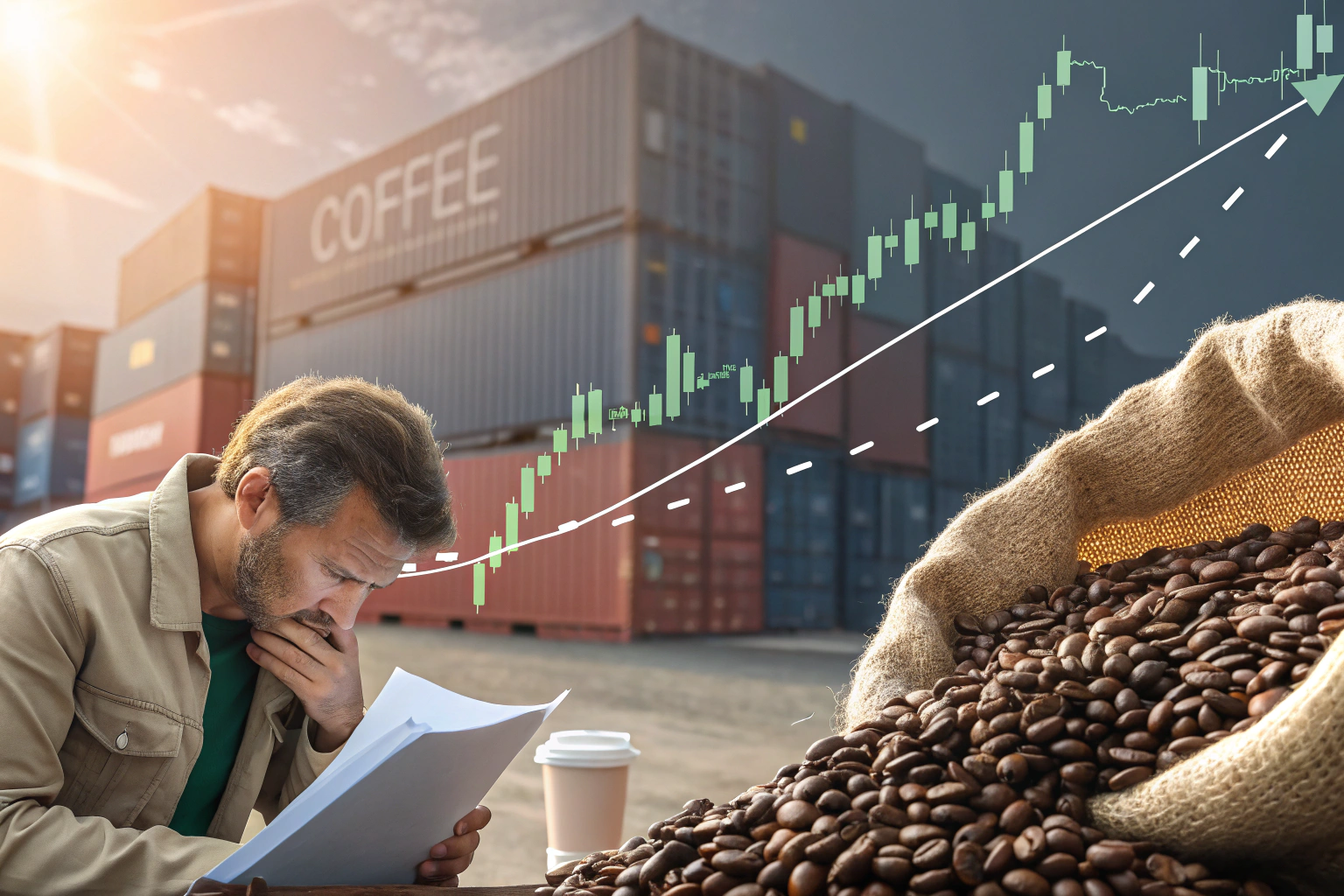
Let me tell you, the global coffee trade looks smooth from a distance—beans move from farm to port to roaster. But for you, the buyer or trader, it's a high-stakes game where a single misstep can turn a profitable deal into a loss. Currency values swing, shipping containers get delayed, quality can vary from one shipment to the next, and political decisions thousands of miles away can change your costs overnight. The risk is real, and it's multifaceted. If you've ever lost sleep over a shipment stuck at port or faced a surprise cost that wiped out your margin, you know exactly what I mean.
The solution isn't about eliminating risk—that's impossible. It's about systematic risk management. It's about building a supply chain with buffers, transparency, and reliable partners who share the burden. From our position as a major plantation owner and exporter at Shanghai Fumao, we see risk management not as your problem alone, but as a core part of our service. Managing risk means we both sleep better, and business grows steadily. It starts with identifying the big four: price volatility, logistical failure, quality inconsistency, and payment security.
So, if you feel like you're constantly putting out fires, you're managing reactively. The goal is to be proactive. Let's walk through the concrete strategies that can shield your business from the unpredictable storms of international trade.
How Can You Hedge Against Coffee Price Volatility?
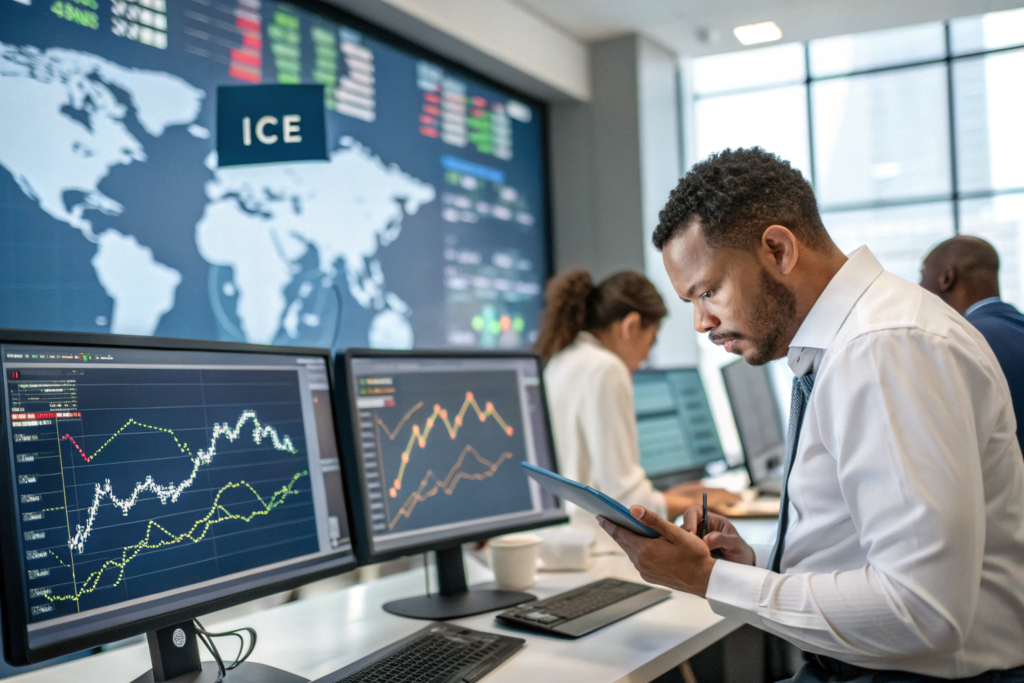
The price of green coffee is famously volatile. Weather in Brazil, speculative trading on the ICE exchange, even local news—it all sends ripples through the market. For a business planning its costs months in advance, this uncertainty is a nightmare. You can't control the global market, but you can definitely protect your business from its wild swings. The key tools here are forward contracts and strategic sourcing relationships, not gambling on the spot market.
A forward contract is your simplest shield. It's an agreement with your supplier to buy a set quantity at a fixed price for delivery on a future date. You lock in your cost, period. This gives you budget certainty. At BeanofCoffee, we actively offer this to our committed partners. Because we control the production from our own 10,000+ acres, we have the visibility and inventory to make reliable forward commitments. Another layer is diversification—sourcing from different regions. Our Yunnan Arabica and Catimor provide a stable, quality baseline that isn't subject to the same weather or political risks as, say, solely relying on South American origins. It's about not having all your beans in one basket.
What is the difference between hedging with futures and a forward contract?
This is a crucial distinction. Coffee futures on the ICE Exchange are standardized financial contracts traded by speculators and large corporations. They're complex, require a brokerage, and involve margin calls—they're a financial instrument. A forward contract with your supplier, on the other hand, is a physical trade agreement. You are contracting directly for the actual beans you will receive. It's simpler, more direct, and ties directly to your supply chain. For most importers, roasters, and brand owners, a well-negotiated forward contract with a trustworthy supplier is the most practical and effective hedge. It removes the abstract financial layer and gives you tangible security.
How does direct sourcing from a plantation reduce price risk?
It cuts out layers. Every intermediary between the farm and you adds a margin and buffers for their risk. When you source directly from an integrated exporter like us at Shanghai Fumao, you're dealing with the source. We have more control over our base cost, which allows for more stable and transparent pricing to you. More importantly, our large-scale operation provides supply security. A drought might wipe out a smallholder's crop, but across 10,000 acres, the impact is managed and volume is maintained. This inherent stability in our supply translates to less price shock for you. You're not just buying beans; you're buying into the resilience of a large, controlled asset.
What Logistics Strategies Prevent Shipping Delays and Loss?
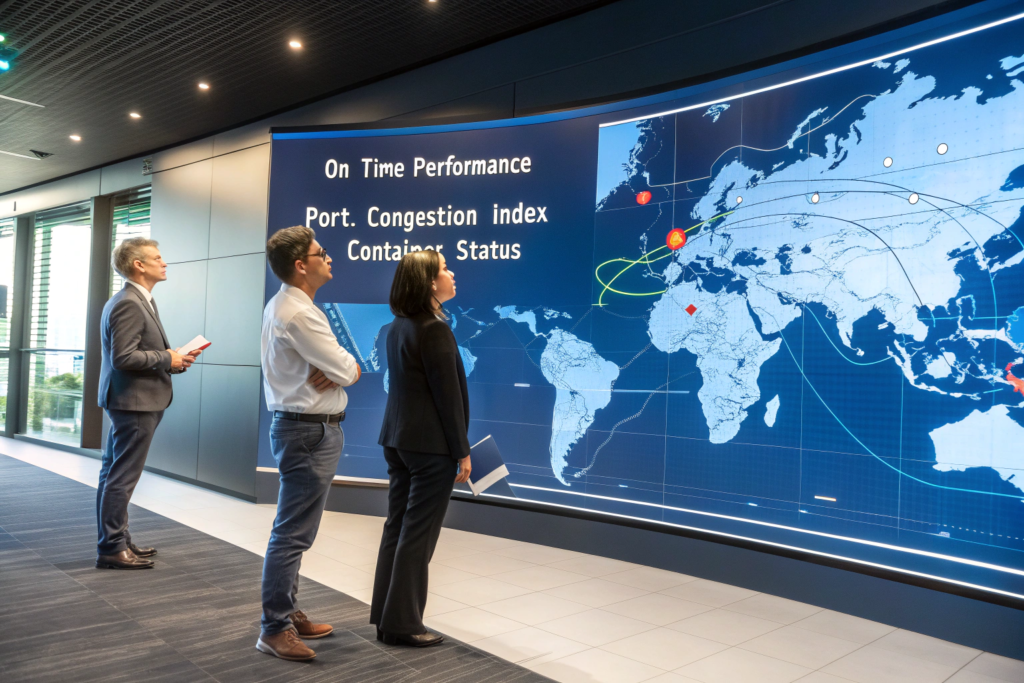
A delayed shipment is more than an inconvenience; it's a cash flow freeze and a potential stock-out disaster. The causes are many: port congestion, carrier schedule changes, customs holdups, or even simple documentation errors. Your timeliness depends on foresight and redundancy. The goal is to build a logistical plan that expects the unexpected and has answers ready.
First, Incoterms clarity is non-negotiable. As the buyer, you must know exactly where your responsibility begins and ends. For control, many of our experienced U.S. and EU clients choose FOB (Free On Board). This means we handle and pay for everything until the goods are loaded on the ship at the Chinese port; you take over the main sea freight and destination logistics. This gives you the power to choose your own freight forwarder and manage the ocean leg. We support this by providing all documents flawlessly and on time. Second, we always recommend adding a buffer to your lead time. If history says shipping takes 35 days, plan for 45. This simple habit prevents panic. Finally, for critical shipments, consider route diversification. Sometimes, shipping to a West Coast port like LA and using rail can be an alternative to a direct East Coast route that's congested.
Why is comprehensive insurance non-negotiable for coffee shipments?
It's the ultimate safety net. Marine Cargo Insurance protects you against physical loss or damage from external causes during transit—think storms, water damage, pilferage, or even a container lost overboard. The cost is a tiny percentage of the cargo value (often 0.1%-0.3%), but it covers 100% of your financial risk. Never assume the carrier's liability is enough; it's minimal by law. We facilitate this process by providing accurate shipment details and value for your insurance application. Honestly, viewing insurance as a cost is a mistake. It's a strategic investment in peace of mind. For a product as sensitive as coffee to moisture and odor, this is critical.
How can technology improve shipment visibility and risk management?
Gone are the days of calling a shipping line for updates. Now, technology gives you real-time control. At BeanofCoffee, we provide clients with track-and-trace capabilities from the moment the container is gated in at our port. You get the container number and can follow its journey. But it goes deeper. The best freight forwarders now offer platforms that integrate weather data, port delay forecasts, and automated alerting. If a storm is rerouting your ship, you know immediately. This visibility transforms you from a passive observer to an active manager. You can proactively inform your customers of delays or activate contingency plans. It turns uncertainty into a manageable variable.
How Do You Secure Quality and Authenticity Before Shipment?
Quality risk is twofold: the beans don't meet your specification, or worse, they aren't what you ordered at all (fraud). Stories of mixed grades or even adulteration exist in the commodity trade. For a brand buyer, this is an existential threat. The antidote is a rigorous, multi-step verification process that goes beyond a paper certificate. It requires boots on the ground and a culture of integrity at the source.
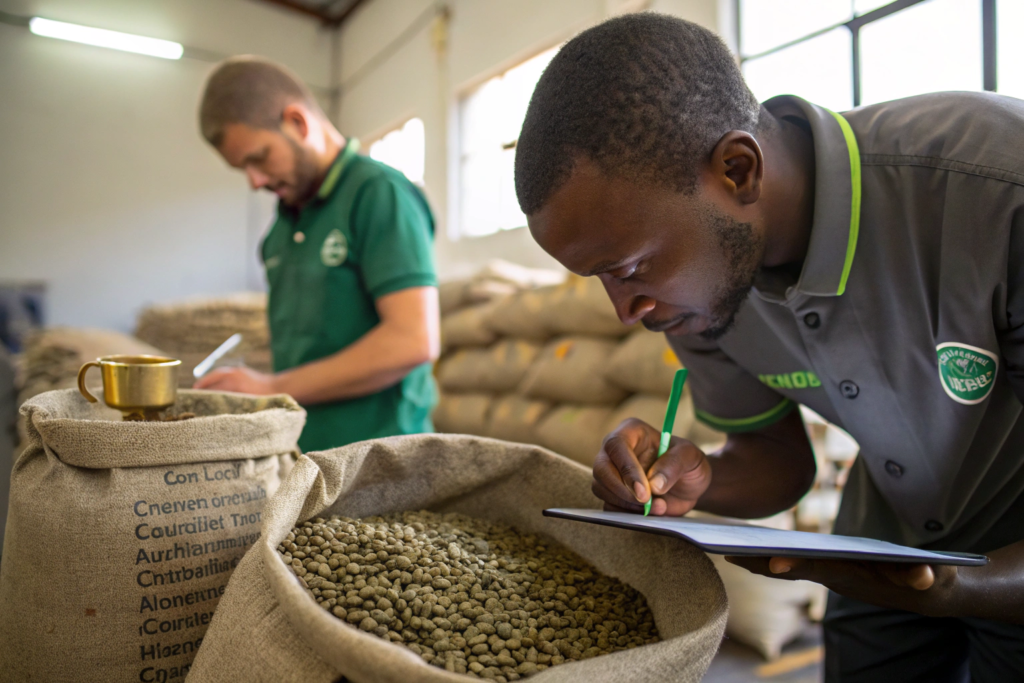
Our process at our Yunnan plantations is built for this. First, we have in-house Q-graders who cup every lot before it's even offered for sale. Then, we strongly encourage and facilitate pre-shipment inspections by third-party agencies like SGS or Bureau Veritas. You, the buyer, hire them to visit our warehouse, draw samples from the actual bags being loaded, and verify quantity, quality, packaging, and compliance. The cost is modest, and the report is your independent guarantee. Furthermore, as a direct plantation owner, our product is inherently traceable. You can request soil and water reports, see harvest dates, and know the processing method for your specific batch. This level of transparency is your strongest security against quality fraud.
What is the role of third-party inspection (SGS, BV) in mitigating risk?
It's the objective eye. Third-party inspectors act as your paid representatives on the ground. They don't care about the relationship or the sale; they care about the facts in their mandate. A standard pre-shipment inspection will check: Are the bags the correct count and in good condition? Does a random sampling confirm the agreed bean size, moisture content, and density? Are there visible defects? Does the labeling match the commercial invoice? Their report becomes a powerful document. If there's a discrepancy, you have evidence before payment is fully released. It shifts the risk of quality failure back to the supplier to make it right. For any new supplier or large order, it's essential.
How can blockchain and traceability systems protect your brand?
This is the future, and it's here. Blockchain technology creates an immutable, digital ledger for your coffee. Every step—harvesting at Plot #5 of our Baoshan farm, washing on October 26th, drying, milling, grading, bagging, and shipping—can be recorded in a secure, tamper-proof block. You, and even your end-consumer, can scan a QR code to see this journey. This does more than ensure authenticity; it tells a powerful story. It proves ethical sourcing, verifies organic claims, and builds immense consumer trust. For you, it eliminates the risk of substitution or fraud in the supply chain. We are investing in these systems because they represent the highest standard of security and transparency in the industry.
What Are the Safest International Payment and Contract Terms?
Money and contracts are where theoretical risk becomes real financial loss. Sending a large deposit to a new supplier feels risky. Signing a vague contract leaves you exposed. The right terms create a balanced, fair framework that protects both parties and ensures the deal completes smoothly. It's about aligning incentives so that both you and the supplier are focused on successful delivery.
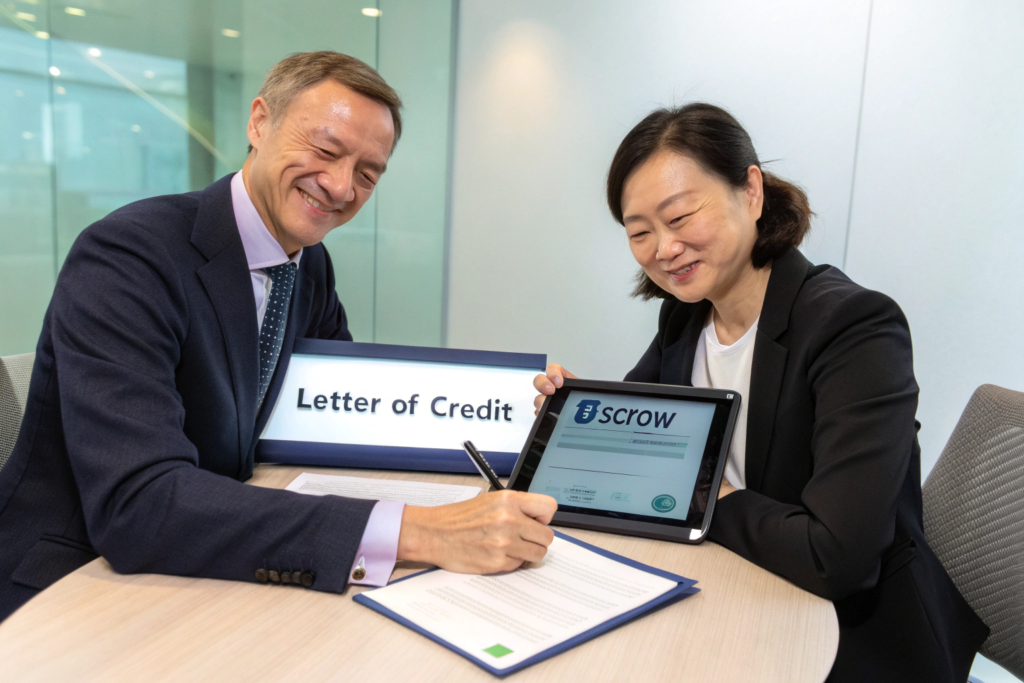
The golden rule is: never use a single, upfront 100% payment. That gives you zero leverage. Standard practice for established relationships is T/T: 30% deposit with order confirmation, and 70% balance against a copy of shipping documents (Bill of Lading). This shares the risk. For new relationships or very large orders, a Letter of Credit (L/C) is still king. The bank guarantees payment to us only when we present proof that we shipped exactly as agreed. It's secure but has bank fees. The contract itself must be detailed. It should specify quality standards (with reference to a physical sample or specific grading protocol), delivery window, Incoterms, payment schedule, and—critically—the process for handling disputes, rejections, or force majeure events.
Why is a detailed contract more important than a simple proforma invoice?
A Proforma Invoice (PI) is a commercial quote. A contract is a legally binding document that covers what happens if things go wrong. A good contract includes: Force Majeure clauses defining unforeseen events (like a pandemic or port strike). Governing Law stating which country's laws will settle disputes. Arbitration Agreement specifying a neutral venue (e.g., Singapore International Arbitration Centre) for resolving conflicts, which is faster and cheaper than international court. A simple PI lacks these protections. At Shanghai Fumao, we provide clear sales contracts that protect both parties. It's not about anticipating conflict; it's about having a fair rulebook if the unexpected occurs.
How do escrow services and trade assurance platforms work?
They act as a trusted referee. On platforms like Alibaba Trade Assurance, you pay the platform, not us. The money is held in escrow. We then ship the goods. Only after you confirm satisfactory receipt does the platform release the funds to us. This completely eliminates the risk of non-delivery or serious quality fraud. For direct deals, specialized trade finance companies offer similar escrow services. This model is incredibly powerful for building initial trust. It allows you to test a supplier's reliability with a lower risk threshold. For us, being verified on such platforms is a signal of our credibility and commitment to secure trading practices.
Conclusion
Managing risk in international coffee trading isn't a single action; it's a woven fabric of strategies. You hedge price with forward contracts and direct sourcing. You defend against logistics chaos with clear terms, insurance, and technology. You guarantee quality with third-party inspections and traceability systems. And you secure the transaction with balanced payment terms and solid contracts. The common thread in all this? The character and capability of your trading partner.
A supplier who is invested in your long-term success will proactively engage in these risk-mitigation practices with you. They will see it as building a resilient partnership, not just closing a sale. When your supplier is also the producer, like BeanofCoffee, the alignment is even stronger—our reputation is directly tied to the security and success of your supply chain.
If you're tired of navigating these risks alone and want a partner who builds security into every shipment, it's time to connect. Let's discuss how we can structure a secure, reliable supply chain for your business. Reach out to our partnership team led by Cathy Cai. You can email her at cathy@beanofcoffee.com to start building a more predictable and profitable trading relationship today.