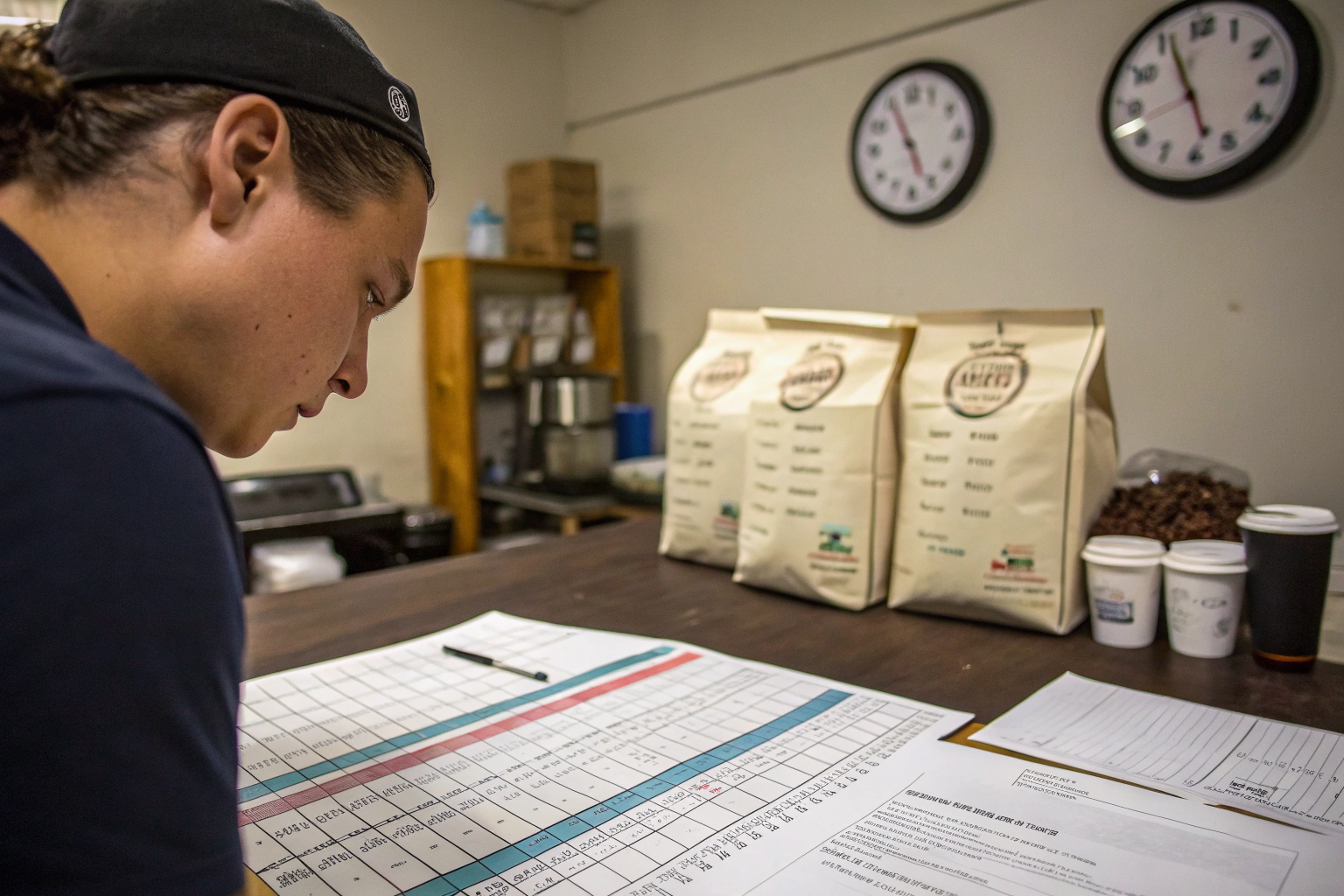
You stare at a spreadsheet. The numbers say you have three months of stock. But then your roast master tells you the Guatemalan lot you bought six months ago is fading. It tastes like paper. At the same time, you just got a call that your Ethiopian shipment is delayed by two weeks. You have orders to fill on Friday. The panic sets in. I've seen this movie play out with so many of my buyers. They either run out of coffee and idle their roaster, or they sit on a mountain of dead inventory, burning cash. Neither one is a good look for a CEO. If you're like Ron, worried about efficiency and price, a bad inventory setup isn't just annoying. It bleeds your margins dry.
Optimizing coffee bean inventory management is about syncing your buying schedule with the harvest calendar and using strict data tracking. You need to treat green coffee like fresh produce, not a dry good. For our partners at BeanofCoffee, we help structure delivery schedules and provide real-time storage data. This proactive system ensures you never roast old beans and never miss a delivery window.
So, what does a "smart" inventory system actually look like? It's not just having a big warehouse. It's about when you buy, how you store, and how you track the age of your beans. Let me walk you through the playbook I've seen work best for our clients, from small brands to big distributors.
How Should Roasters Calculate Their Ideal Par Levels for Green Beans?
This is the first mistake almost everyone makes. They guess. They look at the pile of bags in the corner and think, "Yeah, that looks like enough for a while." But a pile of bags isn't a number. And a number without a calendar is useless. You have to get surgical about your par levels.
Roasters should calculate par levels by multiplying their weekly roasting volume by the lead time needed for ocean freight from our Yunnan port, then adding a 25% safety stock buffer. This formula prevents the panic-buying that spikes your costs. With BeanofCoffee, I provide buyers with a transparent shipping timeline so you can set your par levels with confidence, not guesswork.
Think of it this way. Your inventory is a pipeline, not a tank. You want it to flow, not sit.
What Is the Formula for a Safety Stock Buffer in a Volatile Market?
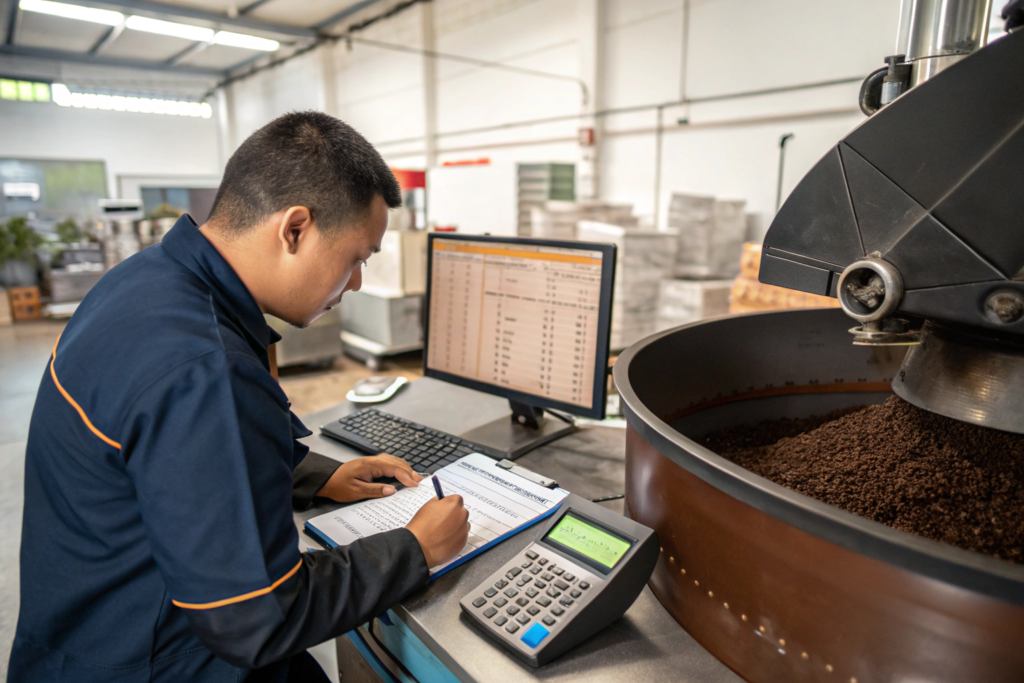
The old rule of thumb was two weeks of safety stock. That rule is dead now. With the shipping chaos and container shortages we talked about before, two weeks can vanish in a blink. I tell my clients to calculate their buffer based on the worst-case transit time they've experienced in the last 12 months. Don't use the average. Use the nightmare scenario. For a U.S. buyer, a standard transit from Shanghai to Los Angeles might be 18 days. But last year, you might have had a shipment that took 35 days because of port congestion. That 35-day window is your benchmark. Multiply your weekly green bean usage by 5 weeks. That's your safety stock. Yes, it ties up more cash. But it's cheaper than idling a $50,000 roaster and laying off staff. The cost of a stockout is invisible on a balance sheet until it hits. Then it's a sledgehammer. Also, this buffer lets you ride out price spikes. If the C-market shoots up for two weeks, you don't have to buy. You can sit tight and wait for the panic to settle. Your safety stock is your shield against bad decisions.
How Often Should You Audit Your Physical Inventory Against Roasting Logs?
Numbers lie if you don't check them. A bag might be there physically, but is it usable? I know a roaster who thought he had 2000 lbs of a washed Yunnan lot. He'd been counting the bags on his software. When he finally went to open them for a big order, he discovered the bottom three bags had been crushed by a forklift. Beans everywhere, mixed with dirt. His inventory count was off by 15%. You have to do a physical reconciliation at least once a month. Not just a visual scan. Weigh the bags. Check the GrainPro liners for tears. Match the lot numbers on the bag to your intake log. I also suggest marking the age of the lot on the bag with a big, obnoxious sticker. "Harvested: Jan 2025. Use by: Jan 2026." If a lot is getting close to its "best by" date, don't just leave it at the back of the shelf. Move it to the front. Promoted placement. Use it in your house blend where the acidity doesn't need to pop. The accounting team cares about the cost of the bean. The roasting team cares about the flavor. You, as the owner, have to bridge that gap with a monthly ritual of touching the bags and smelling the green. It's analog, but it works.
How to Reduce Waste by Mastering the Coffee Harvest Calendar?
A bag of green coffee is not a brick. It's a living seed. It breathes. It ages. The clock starts ticking the moment the cherry leaves the tree. A lot of roasters bleed money because they ignore the biological clock of their stock. They buy December delivery in July, but that coffee was harvested in November. It's already 8 months old when it lands.
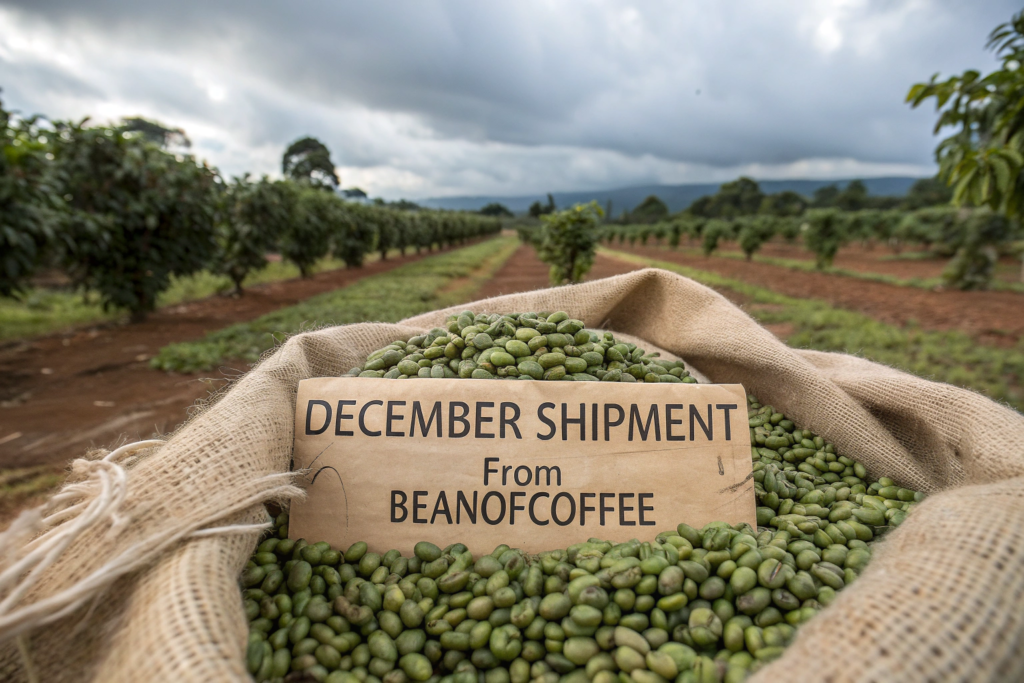
You reduce waste by matching your procurement contracts to the global harvest cycle. Yunnan's high-altitude Arabica harvest runs from October to February. If you buy a December shipment from BeanofCoffee, you're receiving fresh-crop coffee with a full year of stable cup life ahead. This eliminates the risk of buying old-crop bags that go flat before you can roast them.
Here's the simple rule. Fresh coffee tastes alive. Old coffee tastes like burlap and dust.
Why Does the "Past Crop" Discount Often Cost More in the Long Run?
I see it on the offer sheets all the time. "Colombia Supremo, Past Crop, $0.40 under the market." Looks like a bargain. A big company buyer might jump on it to save the budget. But let's do the math. That past crop coffee is 18 months old. The acidity has mostly degraded into a woody, flat note. You now have two choices. You can sell it as a lower-quality single-origin, which hurts your brand. Or you can use it in a blend. If you blend it, you need to add a bright, expensive fresh coffee to mask the flatness. You're spending the money you saved on the "bargain" to fix its defects. Plus, old coffee loses water. It's drier. You get fewer roasted pounds per green pound. The weight loss in roasting goes up. So you paid for water that isn't even there anymore. It's a false economy. I tell my clients, a fair price for a fresh-crop, clean Yunnan Catimor is a better deal than a cheap old-crop. Your cup score stays high. Your waste drops. You don't have to do acrobatics with your blends. Fresh coffee is just easier to work with.
How Can "Just-in-Time" Contracting Align with the Yunnan Harvest?
The Japanese perfected just-in-time manufacturing. We can do a version of it with coffee, but we have to sync with nature. You can't just order fresh Yunnan coffee in July. It doesn't exist. The harvest starts in October. So, the smart play is to set up a forward contract in August. You lock in the volume and the quality spec before the cherries are even picked. I take a deposit. You get a fixed price. Then, by January, the coffee is processed, milled, and ready to ship. It arrives at your roastery by March. That's "just-in-time" for the spring season. You didn't tie up your warehouse with inventory for months. You received it exactly when the coffee is at its peak—3 to 4 months post-harvest. That resting period is actually crucial. Fresh-milled coffee needs a few months to settle. It can taste grassy if you roast it too soon. So a March delivery from an October harvest is perfect. It's rested, it's fresh, and it hits your hopper right when you need it. This is the rhythm we try to teach our partners. Don't fight the seasons. Dance with them.
How to Use Data Logging to Prevent Green Coffee Degradation?
You have the beans. You bought them at the right time. Now they're sitting in your warehouse. What's happening inside that bag? Most roasters don't know until it's too late. They trust the roof over their heads. But a roof isn't a data point. It's a false sense of security.
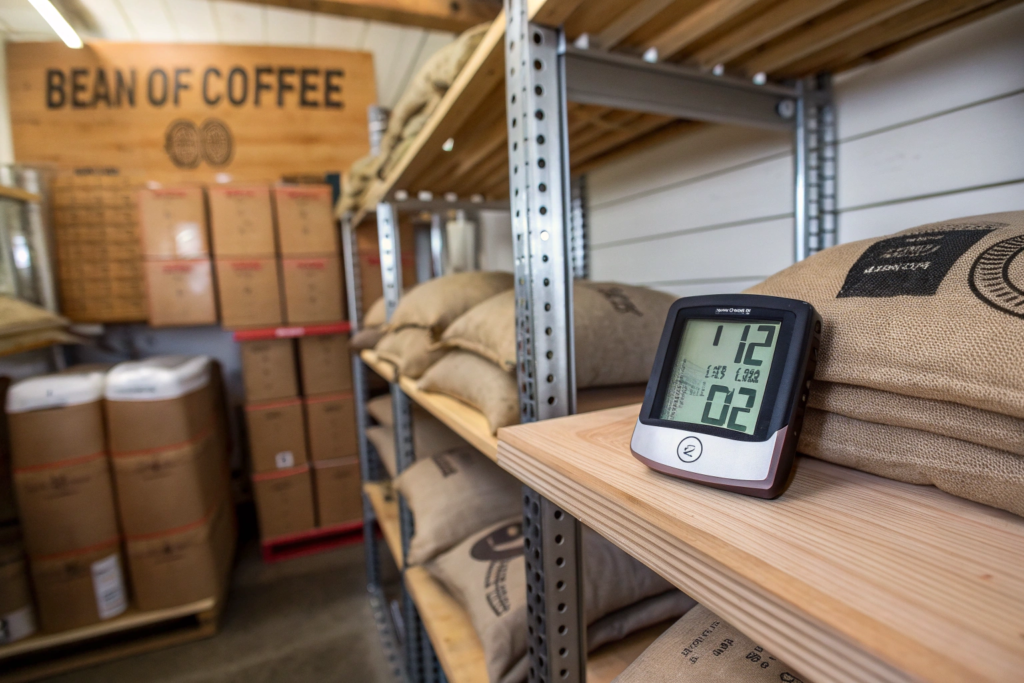
Data logging is the only way to prevent silent degradation. A spike in humidity or temperature inside your storage room can turn a specialty 86-point lot into a woody, baggy 80-point lot in weeks. We monitor our export lots at BeanofCoffee using digital hygrometers, and I recommend all my buyers install a simple Bluetooth sensor in their stock rooms. It costs less than a bag of coffee and saves your entire inventory.
The enemy is invisible. Water activity and heat. They team up to steal your quality.
What Is the Ideal Storage Environment for Green Arabica?
There is a standard answer. 60% relative humidity, 20 degrees Celsius. Stable. Dark. Clean. But a standard answer is a starting point, not a finish line. You need to think about the container the beans are in. GrainPro bags are a game changer. They create a hermetic barrier. So, even if your warehouse humidity jumps to 70% on a rainy Sunday, the beans inside the bag stay at their own equilibrium. I've measured the moisture content of beans stored in jute next to beans in GrainPro for six months. The jute beans went from 11.5% moisture to 13%. They started to develop a musty smell. The GrainPro beans? 11.6%. Almost no change. The investment in proper liners is microscopic compared to the value of the coffee. Also, keep the bags off the concrete floor. Concrete sweats. Use pallets. Create an air gap. It's a small detail, but heat and moisture transfer directly from the ground into the bottom bag. It's the bottom bag that always molds first. Another thing. Don't store green coffee near onions, spices, or cleaning chemicals. Coffee is a sponge. It absorbs odors. You'll end up with a garlic-tinged roast. It sounds stupid, but it happens all the time in shared warehouses.
How Do You Interpret a Water Activity Reading?
A moisture meter tells you how much water is in the bean. A Water Activity meter tells you how much of that water is available for bad things to grow. It's a different concept. You want the Water Activity, or Aw, below 0.53. Above that, molds can start to party, even if the bean doesn't feel wet. We measure Aw on every export lot. I send that number to the buyer. If you have a Bluetooth data logger in your bag, you can trend the Aw over the ocean journey. A rising trend is an early warning system. Maybe the container got a thermal shock passing through the tropics. You see the numbers creeping up on your phone app. You can plan to use that lot first when it arrives, before any mold has a chance to bloom. If you just put the bags away and check them three months later, you're walking into a potential disaster blind. The lot could be completely ruined, and the insurance claim is a nightmare. Technology makes this easy now. A $50 sensor linked to your phone saves you $50,000 in lost product. This is just good business. It's the kind of security a detail-oriented buyer like Ron needs.
How to Build a Resilient Coffee Supply Chain Through Supplier Partnership?
All the inventory tricks in the world won't save you if your supplier is unreliable. If they ship you a container with three different harvests mixed together, your stock rotation plan is useless. If they promise a quality spec and deliver something else, your par levels are based on a fantasy. The foundation of good inventory management is a solid partnership.
A resilient supply chain is built on direct communication with the farm. When you partner with BeanofCoffee, you don't just get a product list. You get a customized stocking program. We hold your contracted volume in our Baoshan warehouse under climate control and ship it to you on a fixed schedule. This vendor-managed inventory reduces your carrying costs and ensures the freshest possible rotation.
Think of us as your remote warehouse. We hold the stock. You pull it when you need it.
What Is a Vendor-Managed Inventory Program for Green Coffee?
Big corporations do this with steel and widgets. Coffee roasters should do it too. Here is how it works with us. You forecast your quarterly need. Say, one container of washed Arabica every three months. We set aside that volume for you in our finished goods warehouse in Kunming. We don't sell it to anyone else. It's yours. We monitor the moisture, the age, the pest control. You pay a deposit on the total contract. Then, every quarter, you release a shipping order. We load the container and send it. You pay the balance when it ships. You never have more than three months of inventory sitting in your roastery. That frees up your cash. You don't need to rent a bigger building. Yet, you have the security of knowing a full year's supply is locked in and waiting for you. This program works beautifully for our larger brand buyers. They can forecast their costs for the whole year. No price surprises. No quality surprises. Just a steady, rhythmic flow of beans. It turns inventory management from a reactive panic into a strategic rhythm.
How Does Shared Cupping Data Strengthen Inventory Trust?
Trust is built on shared reality. Our reality is the cup. Every lot we ship has a digital passport. I don't just mean a PDF certificate. I mean a shared Google Sheet or a link to our Cropster database. It has the full cupping report, the defect count, the screen size analysis, and the storage history. You can see the same data I see. Before the container leaves the port, you know the cupping score. You know the moisture content. You know the density. This transparency changes the game. When the container arrives, you pull a sample from the front, middle, and back of the container. You cup it. The scores should match our pre-shipment report within half a point. If they do, you have a partner for life. If a supplier won't give you this granular data, they're hiding something. Maybe the quality isn't consistent. Maybe their storage is bad. With us, there's no hidden mystery. This data integration allows you to plan your blends with surgical precision. You know exactly what flavor profile is hitting your loading dock in three weeks. No more guessing, no more cupping disasters, no more holding your breath. Just a quiet confidence that the inventory on the water will be the same inventory you paid for.
Conclusion
Coffee inventory management is a discipline, not a guessing game. It sits right at the intersection of finance, biology, and logistics. You can't just look at a pile of bags and feel safe. You need a formula for your safety stock that reflects the real chaos of ocean freight. You need to buy with the harvest calendar, so you're not stuck roasting flat, woody, past-crop beans and calling it specialty. You need data loggers in your storage room to catch the silent killer of humidity before it turns your investment into compost. And most of all, you need a supplier who acts like a partner—someone who holds your stock, shares their cupping data, and ships on a predictable, rhythmic schedule. This is how you turn inventory from a liability into a strategic asset. When you get this right, your roaster never idles, your blends stay bright, and your bank account breathes easier.
If you're tired of spreadsheet surprises and last-minute panic buying, let's build a stocking program that fits your roasting schedule. Reach out to me, Cathy Cai, at cathy@beanofcoffee.com. Tell me about your monthly volume and your biggest inventory headache. I'll help you design a direct-trade pipeline from our Yunnan farms that keeps your stock fresh, your quality high, and your costs predictable.