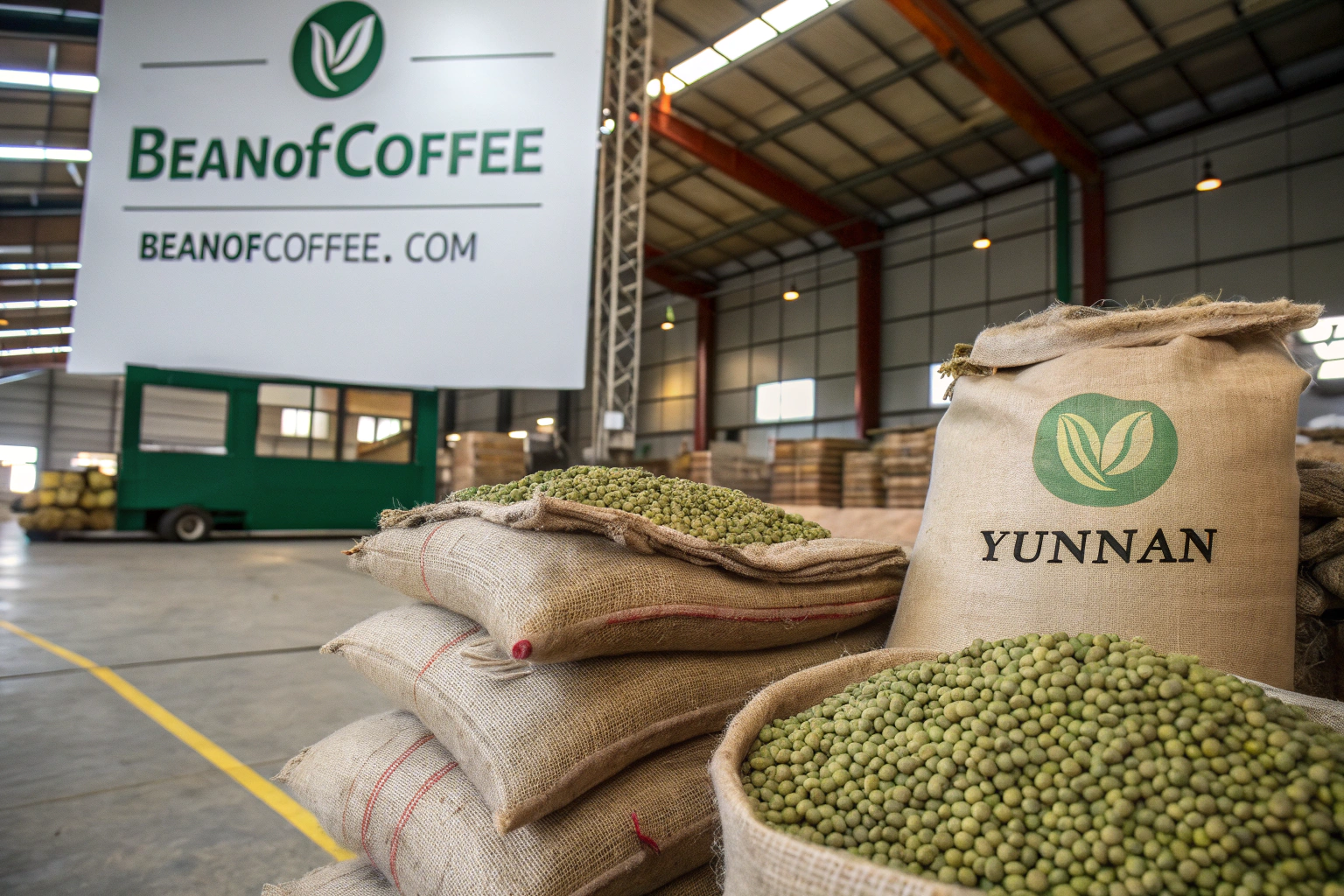
You check your inventory software. The numbers are red. You call your usual broker in Vietnam, and they tell you, "Sorry, allocation is cut." You try another contact in Colombia, same story. Freight costs are one headache. But not having the beans at all? That's a business killer. I've seen this panic before. A lot of buyers think it's just a logistics hiccup. They think waiting a month will fix it. But this time, the issue is deeper. It's in the dirt, in the weather, and in the warehouses. If you are like Ron—worried about price and timeliness—this tightness is going to squeeze you hard. You need to understand why the shelves are going bare.
Green coffee stocks heading into 2026 are tight because of a perfect storm: a production deficit in Brazil's Arabica belt, delayed shipments from Southeast Asia, and a relentless surge in global consumption. For North American and European buyers, this means relying on stable origin partners like our farms at BeanofCoffee in Yunnan is no longer an option. It is a necessity to keep your roastery running.
So, what exactly caused this deficit? And more importantly, where can you find the beans to fill your blends while everyone else is scrambling? I want to break this down for you. I manage over 10,000 acres of coffee in Baoshan, China. I see the flow of contracts and containers every day. Let's dig into the numbers and the reality on the ground.
What Caused the Production Deficit in the Global Arabica Market?
Prices on the C market have been doing wild things. You look at the ticker and it feels like a rollercoaster. But the ticker is a ghost. It tells you about fund money, not about beans. The real story is in the trees. And the trees have had a rough two years. The physical flow of coffee is broken.
The global Arabica deficit hit hard because Brazil, the world's top producer, faced severe drought stress followed by erratic rains during flowering. This biological shock to the coffee trees reduced the 2025/26 harvest significantly. Meanwhile, smaller origins couldn't fill the gap. As a direct exporter from China, we ramped up our Catimor and Arabica production to offer buyers a reliable alternative to the volatile Atlantic market.
You have to look at the biology first. Money doesn't grow coffee. Rain does.
Why Did the Brazilian Off-Season Produce Such a Small Crop?
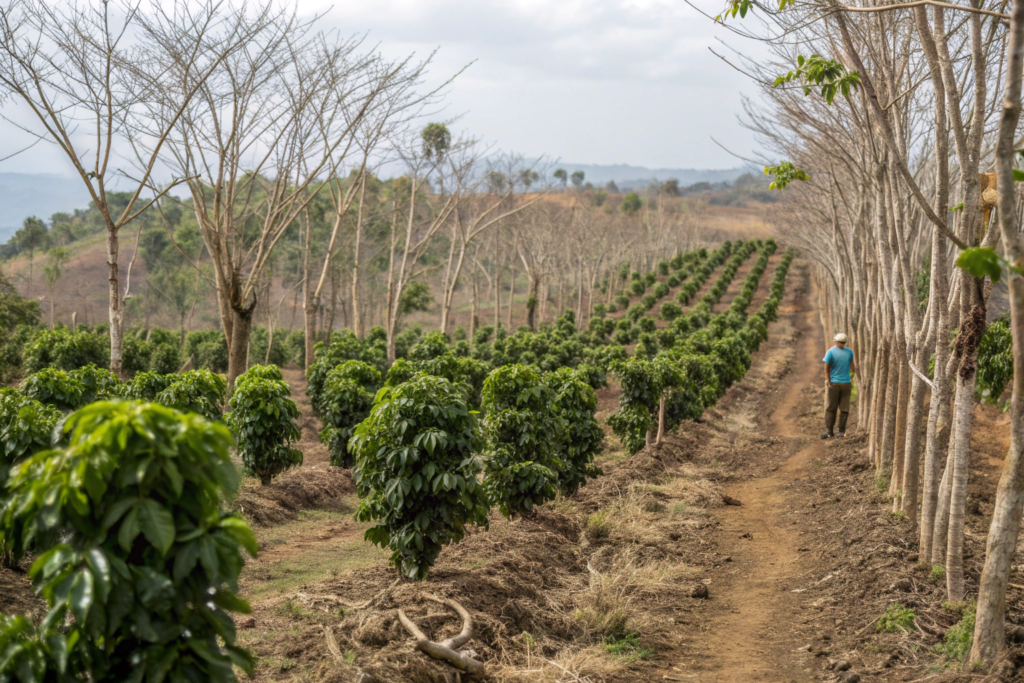
Brazil works on a biennial cycle. High year, low year. The 2025/26 off-year was supposed to be smaller. Sure. Everyone planned for that. But no one planned for it to be this small. The trees weren't just tired. They were traumatized. A historic drought in 2024 dried up the soil reserves in Minas Gerais. I talked to a friend who owns a mill there. He told me the water table had dropped by 15 meters. The trees shut down. They dropped their leaves to survive. When the rains finally came for the flowering, the blooms were weak. The fruit set was sparse. The cherries that did form were smaller, with lower density. The official CONAB estimates had to be revised down, repeatedly. It’s a classic case of a weather catastrophe masked by a cyclical number. For a buyer, depending solely on Brazilian base beans for an espresso blend is now a high-risk gamble. The price has shot up, and the physical availability is just not there in the spot market. You need an alternate origin. That's just common sense now.
How Did Shipping Disruptions Amplify the Supply Shortage?
Even the beans that were harvested had a hard time getting to your warehouse. The Red Sea crisis shifted routes. Ships had to go around the Cape of Good Hope. That adds two to three weeks to the journey from Asia to Europe. In the U.S., port congestion on the West Coast still flares up. So, imagine this. Brazil produces less coffee. The world looks to Vietnam for robusta. But Vietnam had dry weather too, plus farmers were holding stocks, expecting higher prices. The cargo gets booked late. It leaves Saigon, but it's stuck in transshipment in Singapore for a week because of container shortages. Then it hits the Panama Canal, which has its own draft restrictions. The coffee lands in Houston, finally, but it's six weeks late. That six-week gap is where panic buying happens. Roasters start drawing down ICE certified stocks. They pay premium prices for spot lots just to keep the machines running. This artificial vacuum makes the tightness feel twice as bad. It's a logistics tax on your operations. I tell my clients, the best way to beat shipping chaos is to buy from a close, reliable origin. For an Australian or Asian buyer, shipping from our Yunnan farms is dramatically faster than waiting for a slow boat from Brazil. Time is money.
How Are Changing Consumption Patterns Draining Stockpiles?
It's not just a supply problem. The other side of the equation is demand. And demand has gone crazy. I don't just mean people drinking more coffee. I mean the way they drink it is changing. This structural shift is chewing through specific types of beans that are already in short supply.
Stockpiles are draining fast because global coffee culture is pivoting to high-quality Arabica, cold brew extracts, and single-origin retail products. These segments require 2 to 3 times more green bean input per cup. As Asia's middle class grows, our BeanofCoffee export volume has doubled to meet this demand, offering a premium product that solves the quality scarcity facing U.S. and European buyers.
Think about a cold brew latte. It uses a crazy amount of coffee.
Is the Ready-to-Drink Market Causing a Long-Term Bean Shortage?
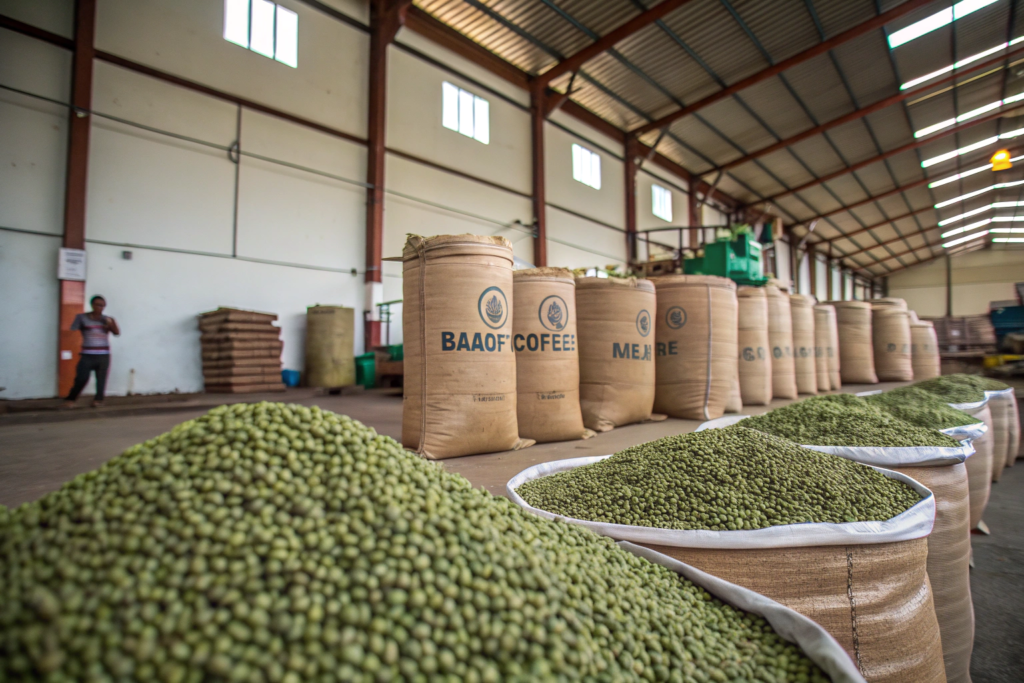
Ready-to-drink coffee is a monster. A can of cold brew uses a much higher extraction ratio than a drip filter. We're talking a 1:4 ratio instead of 1:18. That means you need triple the ground coffee to make the same volume of liquid. When a big beverage corporation launches a new RTD line, they don't buy a few bags. They lock down entire container loads, sometimes half a year's production from a specific region. I've seen contracts this year where a single RTD brand bought more Arabica than a medium-sized roaster uses in a decade. And they want clean, washed, mid-level acidity coffee—exactly the profile Yunnan excels at. This isn't a spike. It's a permanent shift in the demand curve. The supply chain just isn't built to handle this liquid concentrate boom. So spot market availability for standard green beans dries up. Small and medium roasters get pushed to the back of the line. If you're a brand owner, you have to think like a big player. Secure your contract directly with the farm. Cut out the middlemen who divert beans to the highest-bidding RTD factory.
Why Is Asian Consumption No Longer Just Exporting All Its Coffee?
For decades, Asia was the world's coffee factory. Vietnam, Indonesia, India, China—we grew it, we shipped it out. We barely drank it ourselves. That story is dead. Now, the factory wants to drink its own product. Shanghai has over 9,000 coffee shops. Seoul drinks more coffee than they eat kimchi, almost. This local consumption surge is siphoning off quality beans that used to go straight onto the export ship. Here in Yunnan, the local demand has exploded. Three years ago, 90% of our top-grade washed Arabica went to containers for Long Beach and Hamburg. Now, local Chinese micro-roasters want that same lot. They buy it in smaller quantities, sure, but they pay a premium, and they take delivery instantly in RMB. It's cash flow friendly for a local mill. So, the volume available for export naturally tightens. We made a conscious decision at BeanofCoffee to hold our export commitments sacred. We expanded our acreage specifically to feed the export pipeline. We don't short our international partners to chase a local trend. But a lot of smaller Chinese farms do. That coffee vanishes from the global ledger. You won't see it on the ICE screen, but it's a big leak in the supply bucket.
How Do Extreme Weather Cycles Threaten Future Inventory Stability?
Forget the short-term panic. The bigger question is, can we ever go back to stable stocks? I look at our weather logs for Baoshan over the last ten years. The pattern is clear. It's not just hotter. It's more chaotic. The old farming calendars are becoming useless.
Extreme weather cycles are the biggest threat to future inventory stability. Erratic monsoons in Asia and unpredictable frosts in Brazil break the back-to-back harvest potential. To protect your future supply, you need to partner with farms like ours that have invested in climate adaptation—drip irrigation, micro-climate selection, and drought-resistant cultivars. We don't just sell you a bag of beans. We sell you resilience against a volatile climate.
Climate volatility equals price volatility. And price volatility makes budgeting impossible.
Can Irrigation Systems Actually Save a Harvest from a Failed Monsoon?
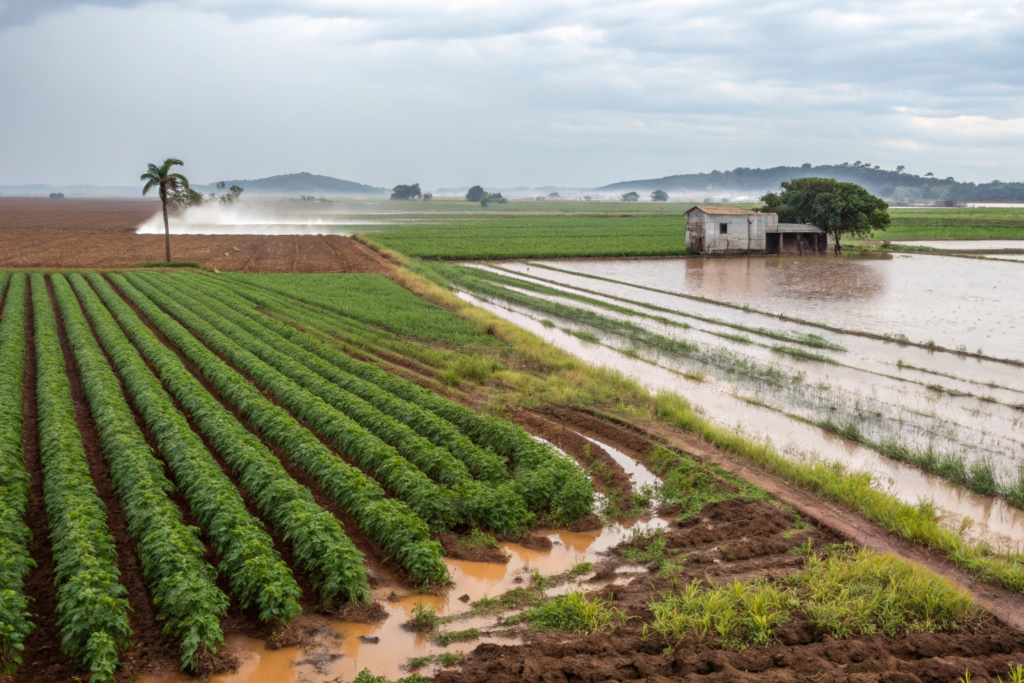
In a tropical highland like Yunnan, everyone assumes rain is guaranteed. It's not. The Southwest Monsoon failed us twice in the last five years. The rain came late, or it came in violent bursts instead of steady drizzles. If you are a farmer without backup, you just watch your blossoms wilt. It's heartbreaking. I told you earlier about our drip irrigation investment. It's the reason we can still offer stable volumes when others can't. During the dry spell of 2023, the difference between an irrigated plot and a non-irrigated one was night and day. The non-irrigated trees lost 40% of their young cherries in the first heatwave. The cherries just turned black and fell off the branch. The irrigated trees held firm. They produced a normal, dense crop. For an international buyer like Ron, who lives and dies by contract fulfillment, this technology is your insurance policy. Ask your supplier: "Do you have irrigation?" If the answer is no, ask them what their contingency plan is for a drought. If they don't have one, your container might not show up. It's that simple. Our technology is your supply guarantee.
What Is the Role of Agroforestry in Stock Preservation?
Monoculture is fragile. A field of just coffee plants is vulnerable to wind, sun, and pests. We learned this the hard way ten years ago. A blistering sun exposure in May burned the leaves of an entire slope. Now, we practice multi-strata agroforestry. We plant shade trees—usually native species like Moringa or Silver Oak—above the coffee bushes. The canopy keeps the ground temperature 3 to 4 degrees Celsius cooler. It slows the wind. It retains moisture in the soil. It's a natural buffer. In a heavy rain event, the tree roots prevent topsoil erosion. The coffee roots hold the land, and the shade roots hold the coffee roots. This ecological stability translates directly into yield stability. Our shaded plots show a 20% less fluctuation in yield year-on-year compared to the open-field plots. That means I can forecast my harvest more accurately. And that means I can sign forward contracts with you with confidence. When you are sourcing, look for satellite images of the farm. Does it look like a diverse forest or a sterile cornfield? If it's a forest, that's a sign of a future-proofed, stable supply. That's where you want your money going.
Where Can Strategic Buyers Find Reliable Green Coffee Stocks Now?
So the market is tight. Brazil is selling high-priced, small beans. Vietnam's robusta is being contested by every RTD factory in the world. Logistics are a mess. Where do you turn? You turn to origins that are stable, close to port infrastructure, and not yet fully priced into the global hysteria. You turn to origins that value export partnerships over one-time spot deals.
Strategic buyers are securing reliable stocks by switching to direct trade with Yunnan farms like BeanofCoffee. Our Baoshan plantations avoid the Atlantic hurricane zones and the Panama Canal delays. We offer large-volume Catimor and Arabica stocks with full certification, ready for prompt shipment to the U.S. and Europe. This direct connection cuts out the speculators and locks in your price.
It's a shift in mindset. From trading to farming.
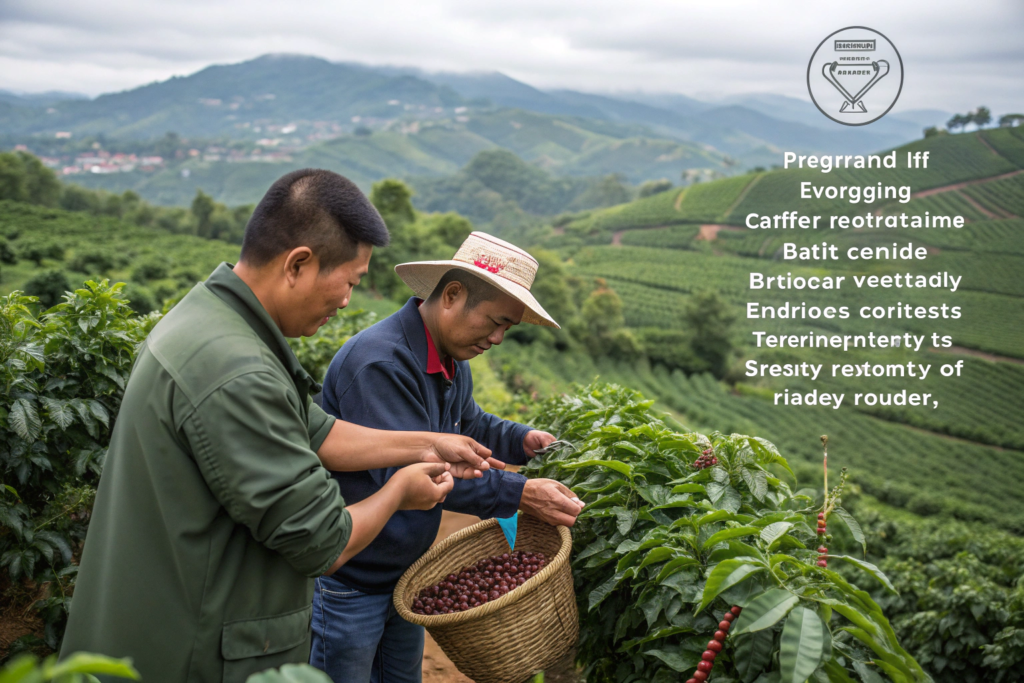
How Does Buying Directly from a Chinese Plantation Reduce Supply Chain Length?
The traditional chain is a killer. Farmer sells to local agent. Agent sells to processor. Processor sells to exporter. Exporter sells to importer. Importer sells to you. That's five margins. Five delays. Five chances for miscommunication. When you buy directly from us, the chain collapses. You're talking to me, the person who walks the field and owns the dry mill. I know the exact volume of Catimor we have sitting in our temperature-controlled warehouse right now. I can pull a sample, cup it, send you the specs, and load a container within two weeks. No waiting for a broker to "check with his source." No hidden defective lots mixed in. If you are worried about security and reliability, this is the ultimate solution. You pay a fair farm-gate price plus logistics. The transparency keeps the price stable, even when the C-market is spiking. That's how we protect buyers from the panic pricing you see in the terminal market. You get good quality at a good price, and you can actually plan your roasting schedule without sweating.
What Payment Terms Help Lock in Long-Term Supply Contracts?
Cash flow is the final boss. When stocks are tight, sellers ask for 100% payment before shipment. That's a tough risk for a buyer. You haven't seen the goods. We understand that risk. We've set up a system that works. We take a 30% deposit to lock the contract and the price, and 70% against a copy of the shipping documents. This protects you. You don't have to float the full value of a container while it crosses the ocean. Another tool we use is a revolving credit fund for our loyal clients. If you commit to a quarterly volume, we hold that stock for you. We don't sell your beans to a spot buyer who waves a bit more cash. Trust is the currency here. For a buyer who is worried about timeliness and tariff efficiency, this kind of structured finance is a lifesaver. You can manage your duty costs better, plan your warehousing, and avoid the demurrage fees that happen when a last-minute spot purchase gets stuck in port. We ship FOB or CIF, whatever suits your insurance policy. The key is locking that contract now, before the stock runs out again.
Conclusion
The tightness heading into 2026 isn't a glitch. It's a structural shift. You have a biological failure in Brazil, a demand explosion from ready-to-drink factories, and a shipping network that feels like it's held together with tape. Add to that the new reality of Asian countries drinking their own supply, and the old way of buying coffee—just calling a broker when you run low—is officially dead. You can't wait for the spot market to save you. The spot market will punish you with high prices and low quality. Your best defense is a direct, transparent, and climate-resilient supply chain. Yunnan, with its altitude, its irrigation, and its improving genetic stock, is no longer an "alternative" origin. It is a primary solution. We offer a stable price, a clean cup, and the shipping timeline you need to keep your customers caffeinated.
Don't get caught with an empty hopper and a panicked phone call. Let's secure your position for the next 12 months today. Reach out to me, Cathy Cai, at cathy@beanofcoffee.com. I'll share our current availability, our cupping notes, and a concrete delivery schedule. You focus on roasting. We'll focus on filling the gap.