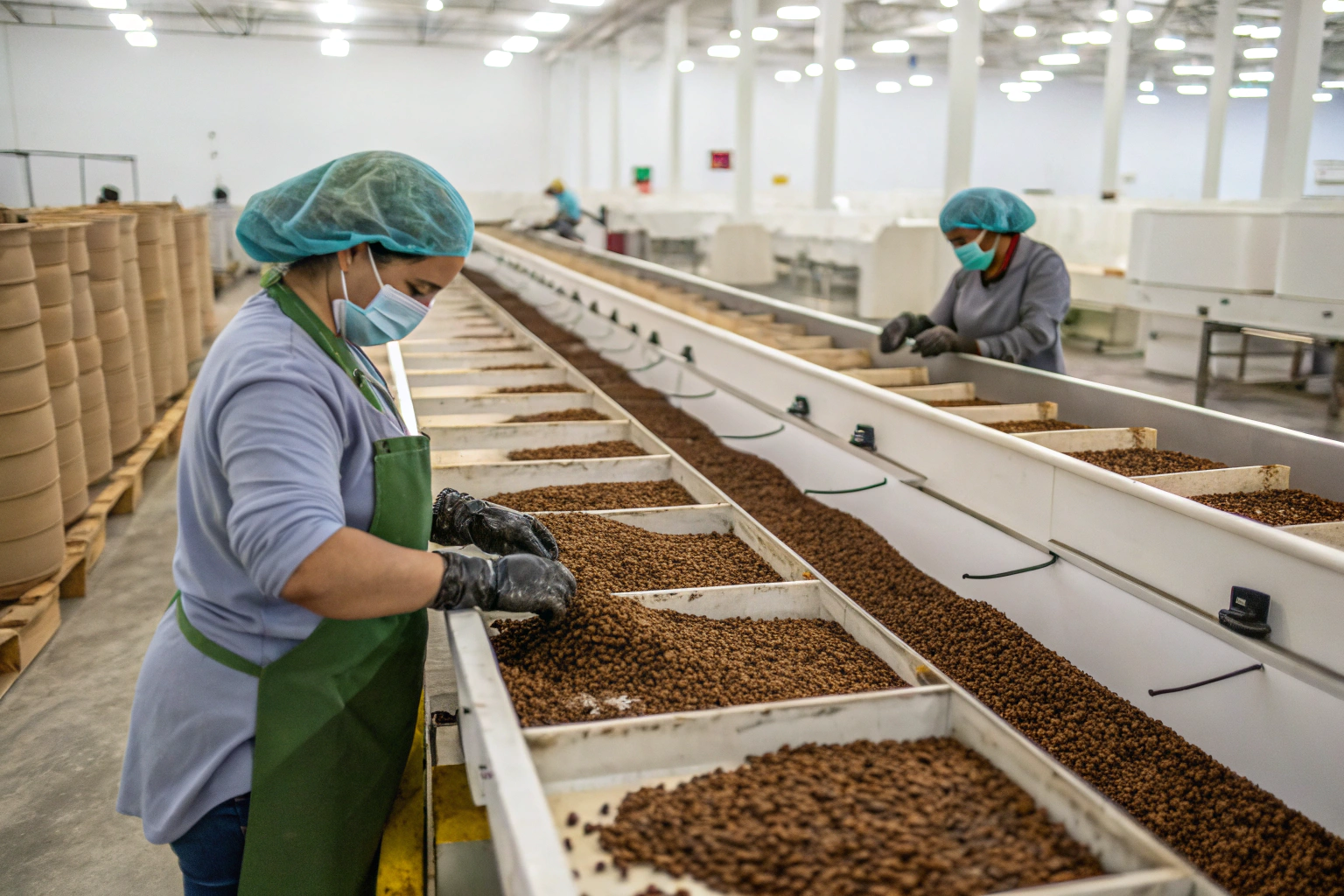
You find a stunning coffee. The cupping score is 87. It has notes of blueberry and dark chocolate. You contract a container. It arrives. You open the bag, roast a batch, and cup it. It tastes like fermented cabbage and dirt. The disappointment is physical. You think the supplier cheated you. Maybe they did. But often, the culprit isn't fraud. It's a processing method that went wrong. A washed coffee that fermented too long. A natural that molded in the drying phase. As a buyer focused on quality and safety, this is the hidden minefield. The processing method isn't just a flavor choice. It's a risk assessment.
The best post-harvest processing method depends entirely on the coffee variety, the local climate, and your target flavor profile. For our Catimor and Arabica at BeanofCoffee, washed processing guarantees a clean, stable, export-grade cup that meets the strict food safety standards of the U.S. and European markets. It is the safest bet for a reliable supply chain.
So, which method is right for your brand? And how do you know if the processor actually executed it well? You can't just look at the green bean and see the mistakes. You have to understand the invisible biology happening after the cherry leaves the tree. Let me take you into our mill in Baoshan and show you the three paths a cherry can take. I'll give you the real, unvarnished truth about each one.
Why Is the Washed Process the Safest Bet for Consistent Export Quality?
Cleanliness. Consistency. Shelf life. These are the pillars of an export business. When you ship a container across the ocean, it sits in a hot metal box for weeks. Any tiny fermentation defect left in the bean will bloom into a full-blown disaster by the time it reaches your port. The washed process is designed to strip away all risk. It's the surgical method.
The washed process removes all fruit material before drying, leaving only the pure seed. This drastically lowers the risk of mold, over-fermentation, and defect. For wholesale buyers like Ron, who cannot afford a rejected container, our fully washed Yunnan Arabica from BeanofCoffee offers the most trustworthy, stable quality profile shipment after shipment.
You sacrifice a bit of wild fruit flavor. But you gain peace of mind. It's a trade-off that makes sense for large-scale business.

How Does Fermentation Time Affect the Clean Cup Profile?
In the washed process, we pulp the cherry and put the sticky beans into a fermentation tank. This is where the magic, or the tragedy, happens. The mucilage needs to break down. We use clean water and let natural enzymes do the work. Timing is everything. In the cool mountain air of Baoshan, 1200 meters up, this takes about 18 to 24 hours. If we stop too early, the mucilage stays on. It dries into a sugary crust that attracts bacteria. If we go too long, say 36 hours, the bean absorbs sour, vinegary notes. It's over-fermented. You can't wash that taste away. At our mill, we don't use a clock. We use our fingers. A worker reaches into the tank every two hours. She rubs the beans. When they feel gritty, not slimy, they are ready. This is a low-tech, high-skill checkpoint. It guarantees that the resulting cup is clean. No ferment funk. Just a transparent canvas of jasmine and citrus. For a buyer blending for a specific profile, this predictability is gold. You get the same clean base bean, every time, every lot.
What Role Does Mechanical Drying Play in Washed Coffee Safety?
Sun drying is romantic. I see photos of it on every coffee bag in the supermarket. But relying solely on the sun is a massive risk for an export operation like ours. Yunnan has a monsoon season. The weather can turn from bright sun to heavy mist in an hour. If a batch of wet parchment sits damp for too long, mold creeps in. To control this, we invested in a large mechanical dryer, a Guardiola system. After the beans are washed, we spin them in a huge rotating drum with warm air at a steady 40 degrees Celsius. This brings the moisture down from 50% to 12% in a controlled, even way. There is no guesswork with the clouds. The temperature is logged every minute. This protects the safety of the bean. It stabilizes the water activity immediately. For a buyer worried about Ochratoxin A or mustiness, a mechanically dried washed coffee is the gold standard. You know the drying was fast and uniform. You won't find pockets of moisture inside the bag that trigger spoilage on the ship. It's engineering replacing luck.
When Does the Natural Dry Process Add Value Despite the Risks?
Now, let's talk about the wild child. The natural process. Here, we take the whole cherry, pulp and all, and lay it out to dry like a raisin. Nothing is removed. The bean soaks up all the sugars and flavors from the drying fruit for weeks. The result is a bomb of fruit flavor. Intense strawberry, mango, wine. But this intensity comes with a very sharp double-edged sword.
The natural process adds huge value in flavor complexity, but it multiplies the risk of mold and physical defects. For an export business, it demands obsessive attention to sorting. At BeanofCoffee, we only produce natural lots in small, controlled batches. These are reserved for high-end brand buyers who understand the taste-to-risk ratio and are willing to pay a premium for the fruit-forward result.
This is not a method for your safe, high-volume house blend. It's a specialty tool.
Why Is Cherry Selection More Critical for Naturals Than Washed?
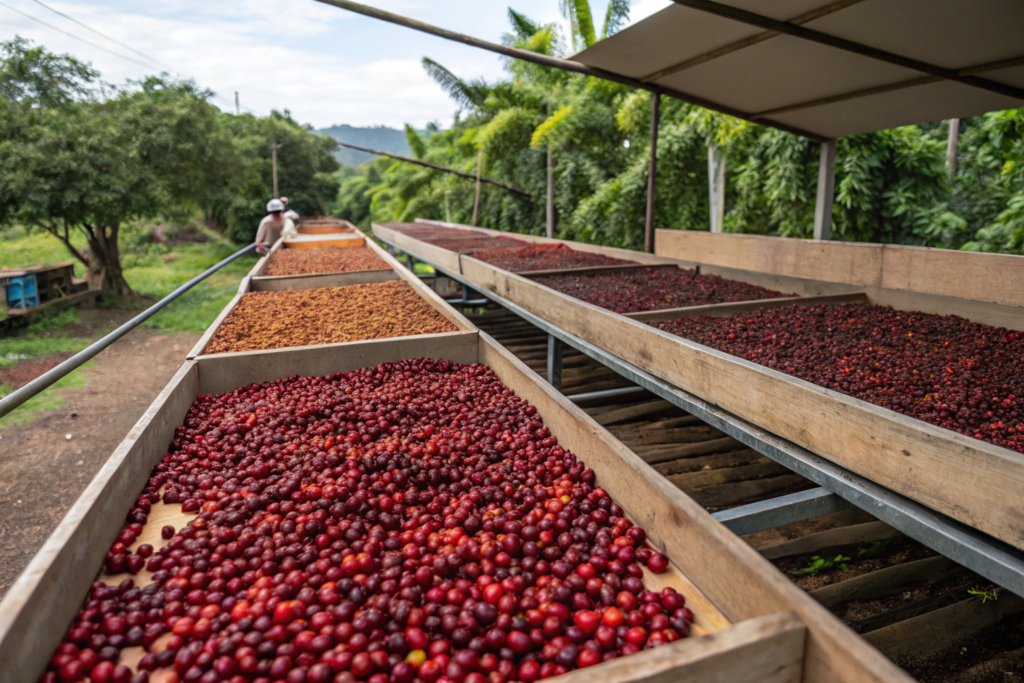
A washed coffee can forgive a few bad cherries. The water tank floats away the dead ones, and the pulping machine crushes the rest. A natural process cannot hide. If one rotten cherry gets into the drying bed, it infects the lot. The rot juice seeps onto the healthy cherries. You get a phenolic taste. Band-aid. Smoke. Our selection protocol for naturals is intense. We hand-pick only the ripe, red cherries. We float them. Then we spread them on raised African beds. The layer is thin, just one cherry deep. Workers turn them every 30 minutes for the first three days. This constant movement prevents mold from gaining a foothold. The drying takes 21 to 25 days. It is slow and deliberate. This labor cost is why a good natural costs more. You are paying for the human vigilance. For a brand buyer who wants a standout single-origin to win a competition, this meticulous process creates a product that no washed coffee can match. The mouthfeel is syrupy. The flavor lingers. It's a sensory experience. But if you just need consistent bulk coffee for a drip blend, this is the wrong tool. The risk of a defective batch is too high.
How Do You Certify a Natural Process Lot for Export Safety?
You can't just trust the smell. You need lab numbers. A natural lot destined for export must pass a strict water activity test. The inner bean dries much slower than the outer shell. Sometimes the cherry skin feels dry and brittle, but the bean inside is still at 15% moisture. That's a hidden danger. We drill down to test the core moisture. We also run an accelerated mold culture swab test. This checks for any latent spores. Before we pack a natural lot, we run it through an optical color sorter. This machine scans every single bean with a camera. It kicks out any bean that is too dark, too light, or has a UV fluorescence that suggests mold. It's a $100,000 piece of equipment. It's one of the things that separates a safe commercial processor from a risky backyard operation. For a buyer like Ron, who is worried about security, asking for this sorting report is your insurance. It proves the natural lot is clean and stable for the long sea journey ahead.
How Does the Honey Process Balance the Cost of Production and Cup Quality?
Somewhere between the clean precision of washed and the wild risk of natural sits the honey process. We pulp the cherry, but we leave the sticky mucilage on the bean and dry it directly. No fermentation tank. No water to wash it off. The result is a coffee with more body and sweetness than a washed, but with a cleaner finish than a natural. It's the diplomat of processing methods.
The honey process offers a clever middle ground. It boosts the body and caramel sweetness of Yunnan Arabica without the full ferment risk of a natural. For export buyers watching their margins, it uses less water and energy than washed coffee. Our honey-processed lots from BeanofCoffee deliver a value-added cup profile at a competitive price point.
It's a smart choice when you want to offer something special without breaking the bank.
What Is the Difference Between Yellow, Red, and Black Honey?
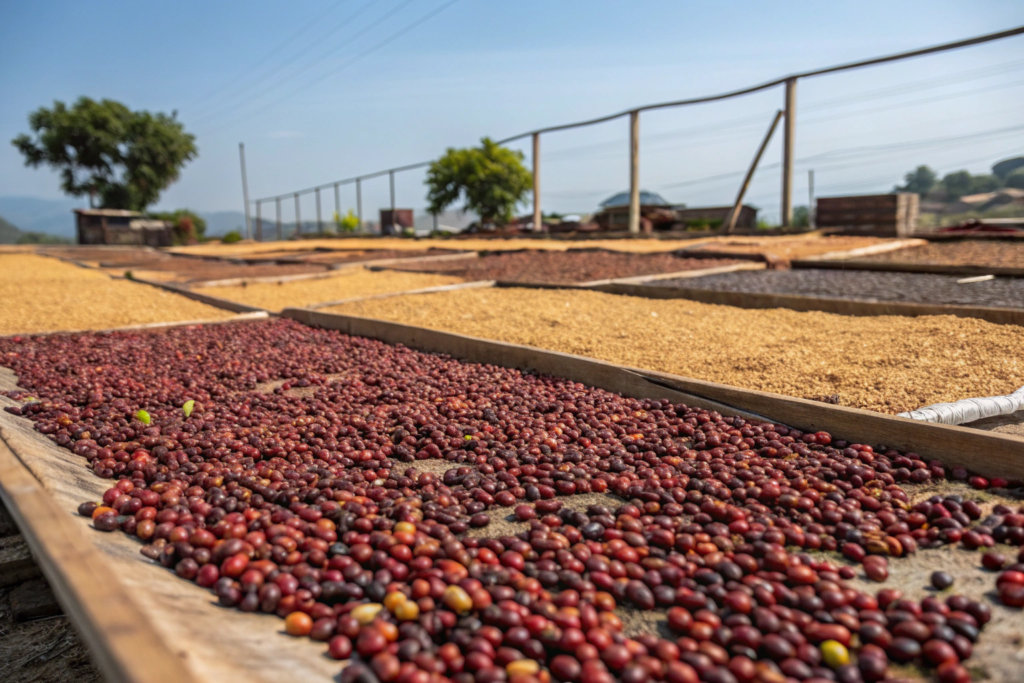
The color naming is confusing, but it simply refers to how much mucilage stays on the bean. Yellow honey has the least. We remove almost all of the fruit flesh, just leaving a thin film. It dries fast, in about 8 days, with a lot of direct sun. The cup is close to a washed coffee, just a bit sweeter. Red honey leaves more mucilage on. It dries slower, under shade, for about 12 to 15 days. The cup gets a richer, jammy note. Black honey is the extreme. We leave the maximum amount of sticky fruit on the bean. We dry it in deep shade, on beds piled a bit thicker. It takes up to 25 days. The cup is wild, like a toned-down natural, with heavy brown sugar and dried fruit. The risk also goes up with each level. Yellow is safe. Black is risky. As a buyer, you should match the honey color to your risk tolerance. If you're testing the market, start with a Red honey. It gives a noticeable flavor upgrade without the full anxiety of a Black.
How Does Honey Processing Reduce Water Usage and Cost?
This is a big deal. The washed process uses a lot of water. Up to 40 liters for every kilogram of green coffee. Here in Yunnan, we are careful about our mountain springs. The honey process uses virtually zero water. We pulp the cherry mechanically, and the sticky bean goes straight to the drying bed. This slashes the variable cost. It's a more sustainable practice, which matters for branding. It also changes the texture. The sugars caramelize on the bean surface during drying. This creates a darker, uneven bean color. A lot of commercial graders would call that a defect. They're wrong. That color is flavor. When you roast it, those caramelized sugars create a Maillard reaction that gives you a rich, bready, toffee-like note. You get a "processed" flavor enhancement without any artificial additives. For a cost-conscious buyer who needs a clean label, honey coffee delivers. It provides a natural sweetness boost that helps cheaper base coffees taste better. It's efficiency in the water bill and magic in the cup.
How Can Buyers Match the Processing Method to Their Target Market?
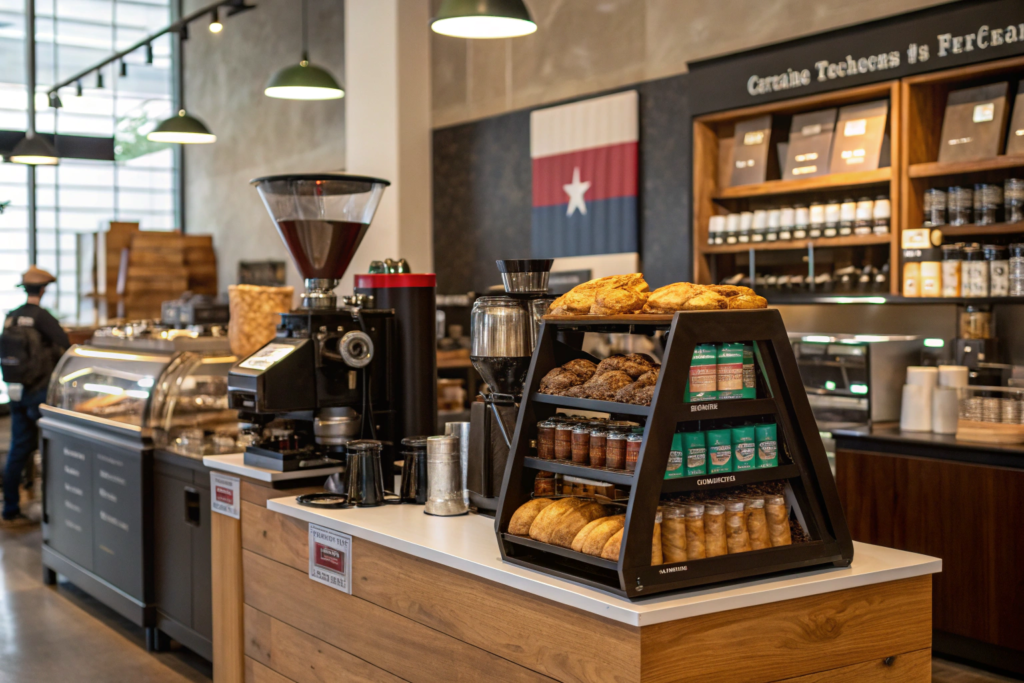
You can't just buy what you like personally. You have to buy what your customers demand. A specialty cafe in Melbourne wants something different from a grocery store chain in Texas. The processing method is your main lever to adjust flavor, stability, and cost. You have to think backward from the consumer's cup.
Matching the processing method to your market is a strategic decision. Washed coffees suit high-volume, high-speed espresso blends where consistency is king. Naturals and honeys belong in single-origin bags and slow-bar pour-overs where the story and the flavor punch matter. We help our BeanofCoffee clients segment their inventory by processing method to hit different retail price points.
One method fits the masses. The other fits the margins. Don't mix them up.
Which Method Is Best for a High-Volume Espresso Blend?
You need a workhorse. A component that won't rebel against pressure profiling. A washed Catimor from Yunnan is your answer. It's dense. It's clean. It takes a dark roast beautifully without turning acrid. When a barista pulls 200 shots a day, she needs every shot to taste identical. A natural coffee in a blend is a diva. Its flavor shifts as it ages. One week it tastes like berries, the next week it tastes like booze. A washed coffee is stable. It sits in the hopper and minds its own business. The acidity is bright but predictable. It cuts through milk perfectly. This is the volume driver. For a buyer selling to offices and restaurants, this is where the bulk of your inventory should sit. It's the safe, reliable, profitable base.
What Processing Story Sells Best for a Single-Origin Retail Bag?
When someone picks up a $18 bag of coffee, they want an experience. They want to read the label and feel something. A Black Honey or a carefully done Natural tells a story. The label can say, "Dried slowly in the thin mountain air of Baoshan." The customer opens the bag and smells blueberry. They are hooked. They become a repeat buyer. The processing method becomes part of your brand equity. For this segment, you should work with a supplier who does micro-lots. You buy a small quantity, maybe 50 bags. You sell it as a limited edition. The high cost per pound is offset by the high retail price tag. The risk of a defect is lower because you sell it quickly. It doesn't sit in your inventory for a year. This is the margin driver. It's the treat that keeps your brand exciting. A savvy CEO mixes these two strategies. The washed workhorse pays the bills. The honey or natural star brings in the new customers.
Conclusion
Processing is where the farmer's work meets the roaster's art. It's the bridge, and it's a fragile one. The washed method is your safety net. It scrubs the bean clean, dries it with machine precision, and delivers a consistent, stable product that won't betray you in the container. It's the logical choice for high-volume, low-risk supply chains. The natural method is a high-wire act. The fermentation of the whole fruit creates a flavor bomb, but it demands fanatical sorting and lab testing to make it safe for export. It's the choice for special occasions. The honey method sits in the sweet spot. It uses less water, costs less to produce than natural, and adds a rich sweetness that upgrades a blend without going full wild-ferment. Yellow, Red, Black—they're just dials you turn to adjust the risk and the reward. The smartest buyers don't pick one method and marry it. They build a portfolio. They anchor their inventory with washed for the daily grind and layer in honeys and naturals for the brand story and the premium shelf.
Let's figure out which process fits your roastery's DNA. Reach out to me, Cathy Cai, at cathy@beanofcoffee.com. Tell me about your core blends, your customer base, and the flavor profiles that move the needle for you. I'll walk you through our washed, honey, and micro-lot natural options from our Baoshan farms. We'll build a processing strategy that minimizes your risk and maximizes your flavor.