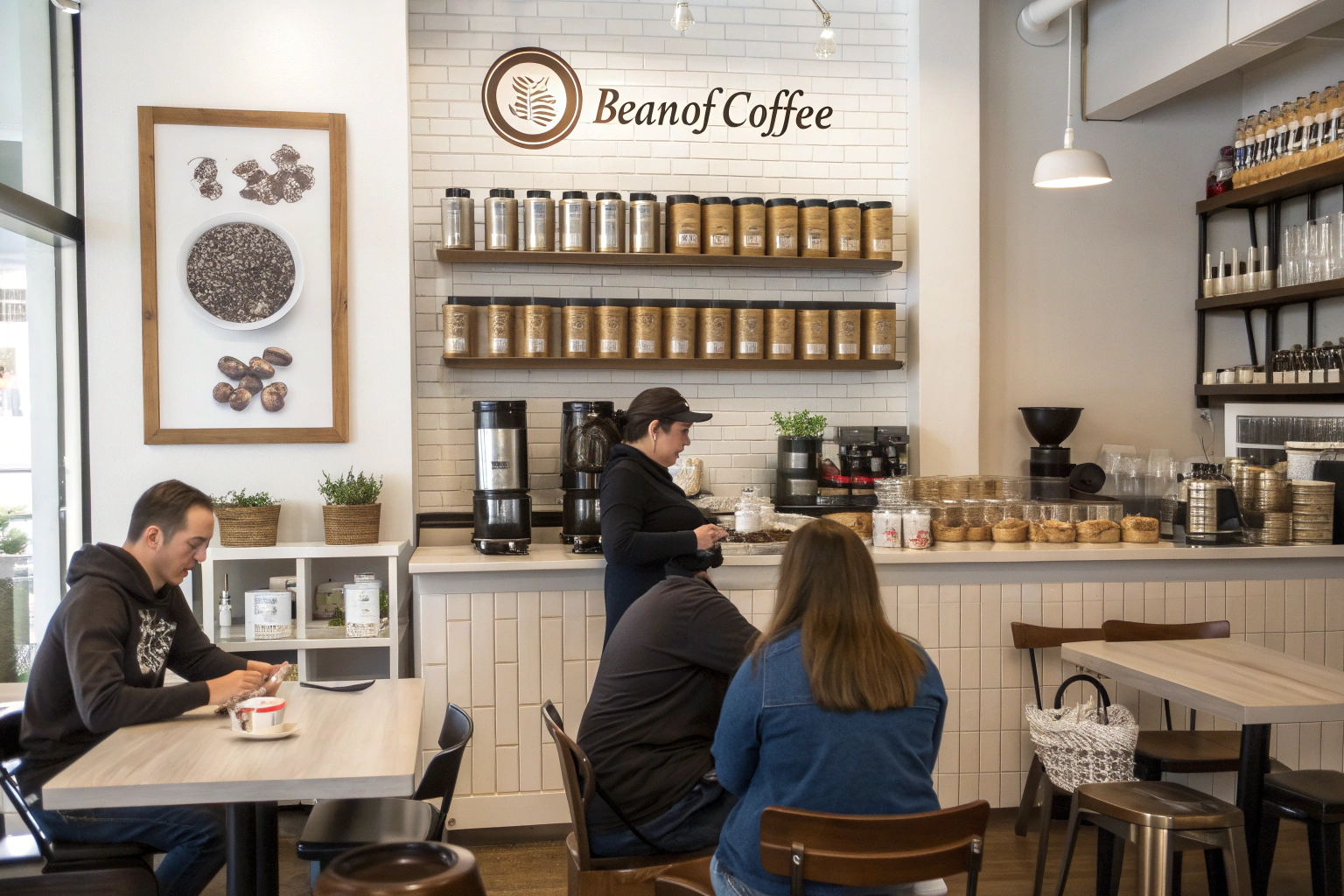
A roaster from Austin called me last month. Beautiful website. Great photography. Compelling stories. But sales were flat. "People visit, they look around, they leave," he said. "I don't know why."
Optimizing a coffee website for sales requires attention to product presentation, user experience, trust signals, mobile responsiveness, and conversion funnel design. Great coffee means nothing if customers can't find it, can't trust it, or can't buy it easily. At BeanofCoffee, we've learned what works—and what doesn't.
Let me walk you through how to turn your website from a brochure into a selling machine.
What Makes Coffee Websites Convert Visitors to Buyers?
Coffee is emotional. People buy with their senses. Your website must convey what they can't taste or smell. That's the challenge—and the opportunity.
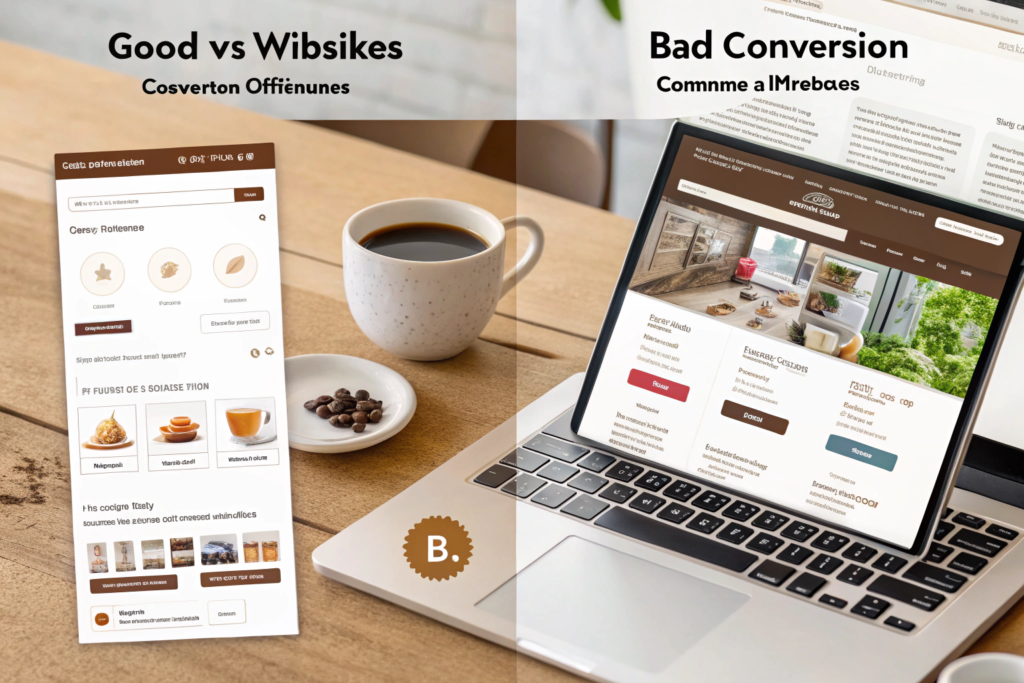
Converting coffee websites combine: professional product photography that makes coffee look delicious, clear flavor descriptions using accessible language, transparent origin and producer stories, easy navigation to find specific coffees, prominent trust signals (reviews, certifications, guarantees), and frictionless checkout. Each element builds confidence toward purchase.
What visual elements drive coffee sales?
High-quality photos of beans, brewing, and lifestyle moments. Show the coffee itself—close-ups that reveal bean quality. Show it being enjoyed—context that creates desire.
Video helps enormously. Short clips of farm visits, roasting, brewing. Customers feel connected. Check coffee photography best practices for professional examples.
How important are product descriptions?
Crucial. But not coffee jargon. "Bright acidity" means nothing to most buyers. "Crisp and clean with notes of lemon" works better. "Complex floral notes" becomes "tastes like jasmine tea."
Use language your customers actually use. Test descriptions with non-coffee people. Working with Shanghai Fumao provides authentic origin details that enrich your descriptions.
How Should You Structure Your Coffee Product Pages?
Product pages are where decisions happen. Structure them to answer questions, overcome objections, and make buying easy.
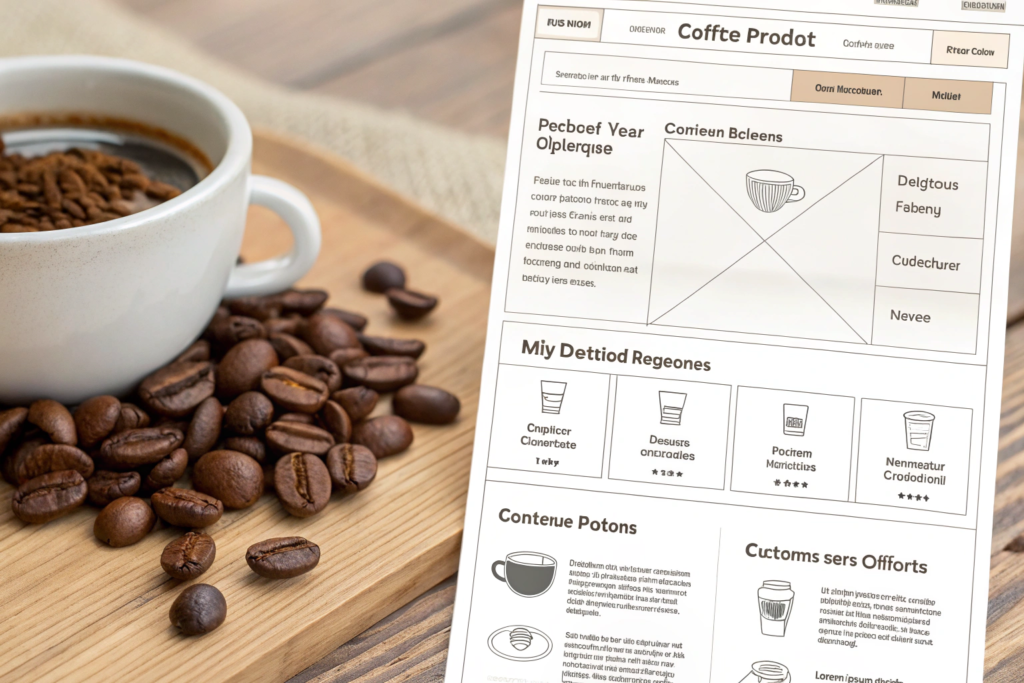
Effective coffee product pages include: multiple high-quality product images, clear product name and roast level, concise flavor description with 3-5 specific notes, brewing recommendations, origin and producer story, customer reviews, certifications, and prominent add-to-cart button. Organize information hierarchically—most important first.
What information belongs above the fold?
Product name, price, primary image, add-to-cart button, and key differentiator (organic, single-origin, award-winning). Everything else can scroll.
Don't hide the buy button. Make it visible immediately. Visit coffee e-commerce page examples for inspiration.
How do you handle multiple purchase options?
Whole bean vs ground? Single bag vs subscription? Multiple sizes? Present choices clearly without overwhelming.
Use tabs or dropdowns. Default to most popular option. Make switching easy. Working with partners like Shanghai Fumao helps you offer options while maintaining simplicity.
What Role Does Storytelling Play in Coffee Sales?
Facts inform. Stories persuade. Coffee's emotional appeal comes from its human connections.
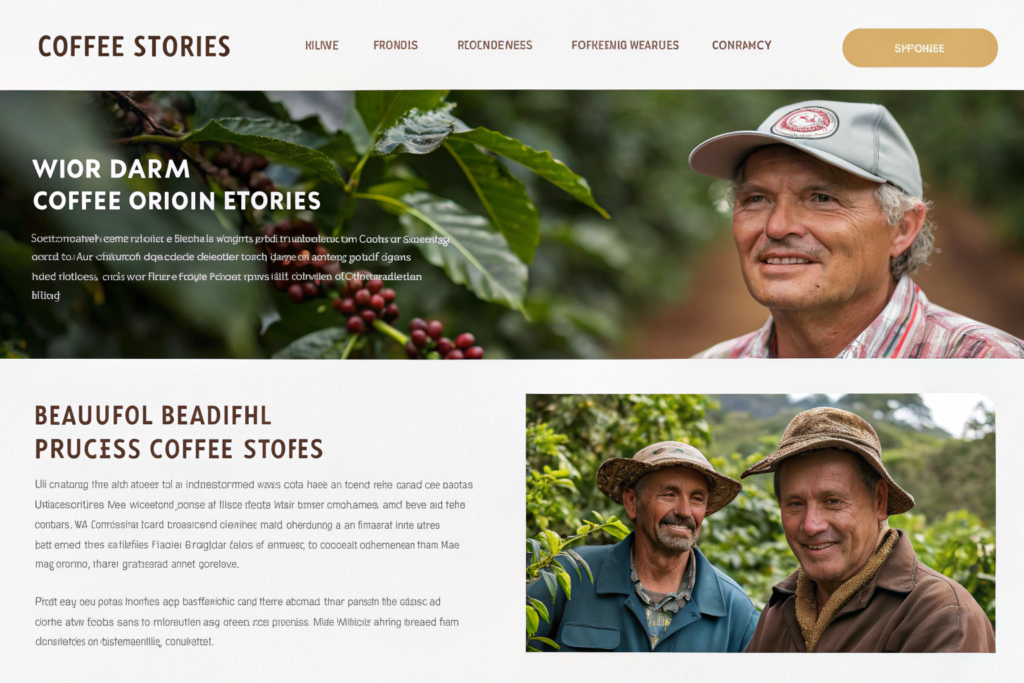
Effective coffee storytelling includes: farmer profiles with real names and faces, origin descriptions that transport readers, processing explanations that build appreciation, and your own brand story—why you do what you do. Stories differentiate you from competitors selling similar beans.
How much story is too much?
Balance is key. A paragraph on product page. Link to full story for interested readers. Don't overwhelm shoppers who just want to buy.
Stories should support sales, not block them. Check coffee brand storytelling for examples of effective narrative integration.
Should every coffee have its own story?
Yes—even blends. Blend stories focus on how components combine, what inspired the combination, what experience you're creating.
Generic coffee gets generic response. Specific stories build specific connection. Working with Shanghai Fumao provides authentic material for every origin's story.
How Does Mobile Optimization Affect Coffee Sales?
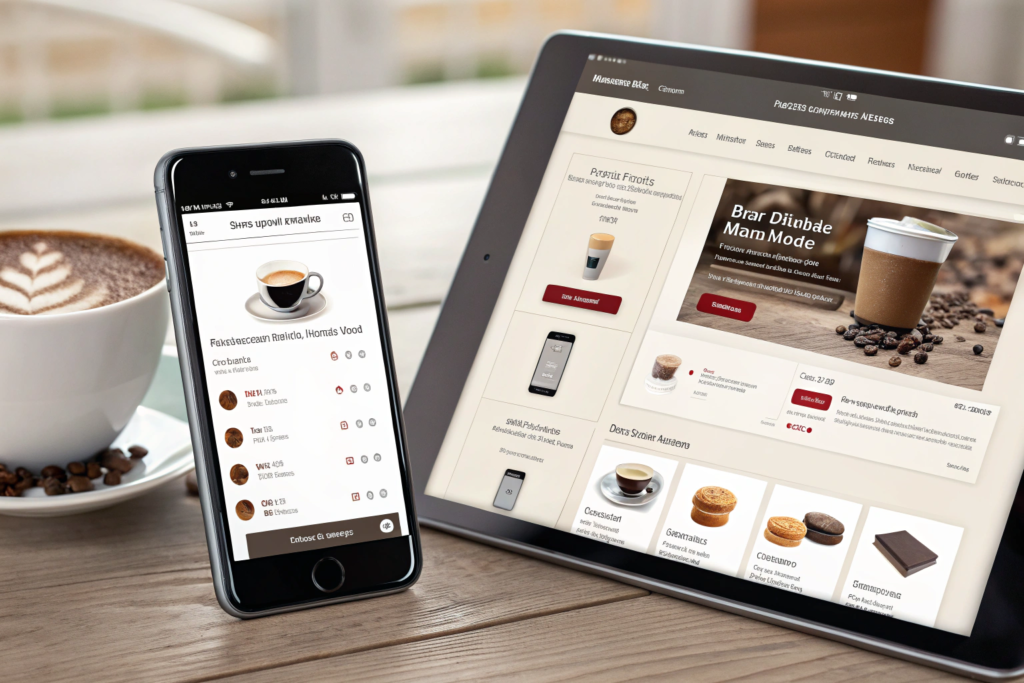
More than half of coffee purchases happen on mobile. If your site doesn't work perfectly on phones, you're losing customers.
Mobile optimization requires: responsive design that adapts to any screen, touch-friendly buttons large enough to tap, simplified navigation, fast loading times, and mobile-optimized checkout. Test on actual devices, not just emulators.
What mobile-specific features matter?
One-click purchasing options. Apple Pay, Google Pay integration. Simplified forms. Progress indicators during checkout.
Mobile users are impatient. Every extra click loses customers. Check mobile e-commerce best practices for coffee-specific recommendations.
How fast should your site load?
Under 3 seconds. Every second beyond that drops conversion. Compress images. Minimize code. Use fast hosting.
Test regularly. Slow sites kill sales. Working with Shanghai Fumao ensures your site's content loads quickly for customers worldwide.
What Analytics Reveal Optimization Opportunities?
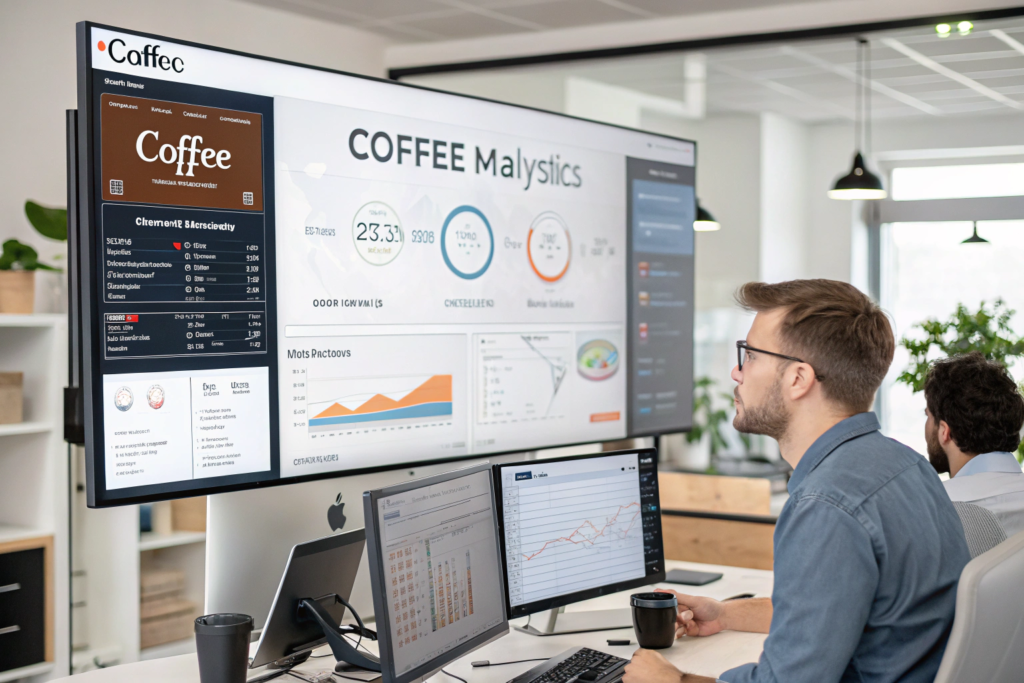
You can't improve what you don't measure. Analytics reveal where customers get stuck, where they leave, what they ignore.
Key metrics to track: traffic sources, bounce rate, time on site, product page views, add-to-cart rate, checkout abandonment rate, conversion rate. Identify pages with high traffic but low conversion—those need optimization.
What tools should you use?
Google Analytics (free, powerful). Hotjar or similar for heatmaps and session recordings. E-commerce platform analytics (Shopify, WooCommerce, etc.).
Heatmaps show where users click, scroll, get confused. Invaluable for optimization. Visit coffee e-commerce analytics for setup guides.
How often should you review analytics?
Weekly for key metrics. Monthly for deeper analysis. Quarterly for strategic reviews.
Set up dashboards that highlight changes. Respond quickly to problems. Working with partners like Shanghai Fumao frees time to focus on your website performance.
Conclusion
Optimizing your coffee website isn't one thing—it's many things working together. Great product pages. Compelling stories. Trust signals. Mobile optimization. Analytics-driven improvement. Each element contributes to the whole.
The best coffee in the world won't sell if your website doesn't work. Conversely, good coffee with great website outsells great coffee with poor website.
At Shanghai Fumao, we help our buyers succeed online by providing the content they need: professional photos, authentic stories, quality certifications, and reliable supply. Your website's success matters to us.
If you're ready to improve your coffee website, contact our export manager, Cathy Cai. She'll share our media library, story resources, and tips from successful buyers. Email her at cathy@beanofcoffee.com. Tell her about your current website and what you want to improve. She'll respond within 24 hours with ideas that might transform your online sales.