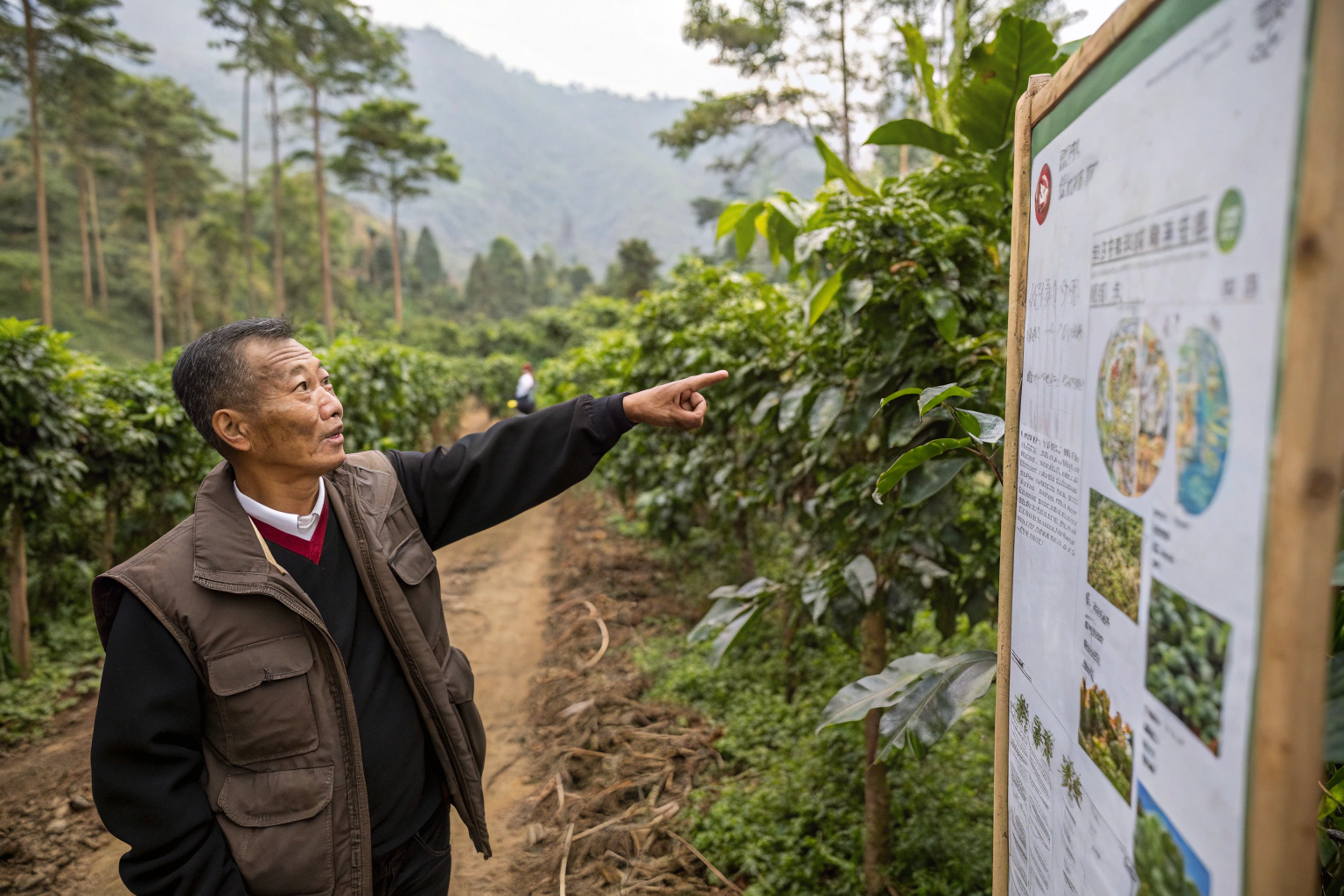
A buyer from Stockholm called me last year. He'd heard rumors about Chinese coffee—that farmers used heavy pesticides, that residues were a problem, that European buyers should be careful. "Is any of this true?" he asked. "Can I source from China safely?"
Yes, pesticides are used in Chinese coffee plantations, as they are in every coffee-growing country. But responsible farmers use integrated pest management, minimize chemical inputs, and follow strict safety standards. At BeanofCoffee, we prioritize sustainable practices and regular testing to ensure our coffee meets international safety requirements.
Let me walk you through the reality of pest management in Yunnan. Because the truth is more nuanced than rumors suggest—and transparency matters.
What Pests Threaten Chinese Coffee Plants?
Coffee plants face threats everywhere. Yunnan is no different. Understanding these challenges explains why pest management is necessary.
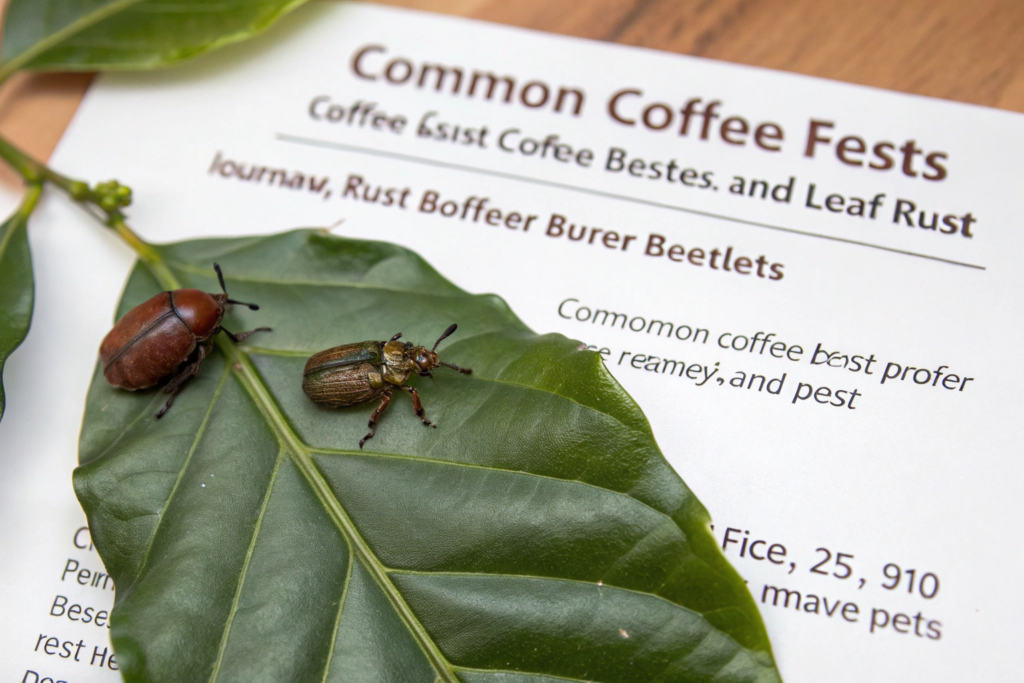
Coffee borer beetle is the most serious pest—tiny insects that bore into cherries, destroying beans from inside. Leaf rust (fungus) threatens plantations during humid periods. Other pests include leaf miners, scale insects, and nematodes. Without management, these can devastate crops.
How does coffee borer beetle damage coffee?
Females bore into cherries, lay eggs inside. Larvae feed on the bean, destroying it completely. One infested cherry can ruin an entire batch if not removed.
Control requires monitoring, trapping, and sometimes targeted spraying. Left unchecked, infestation spreads rapidly. Check coffee borer beetle management for global best practices.
What about fungal diseases?
Leaf rust is the biggest fungal threat. Orange spots appear on leaves, photosynthesis reduces, plant weakens, yield drops. In severe cases, plants die.
Humid conditions during rainy season increase risk. Resistant varieties (like Catimor) help. But monitoring and treatment remain important. Working with Shanghai Fumao ensures you source from farms that manage these risks responsibly.
What Pest Management Practices Do Chinese Farmers Use?
Responsible farmers don't just spray chemicals. They use multiple strategies, minimizing inputs while protecting crops.
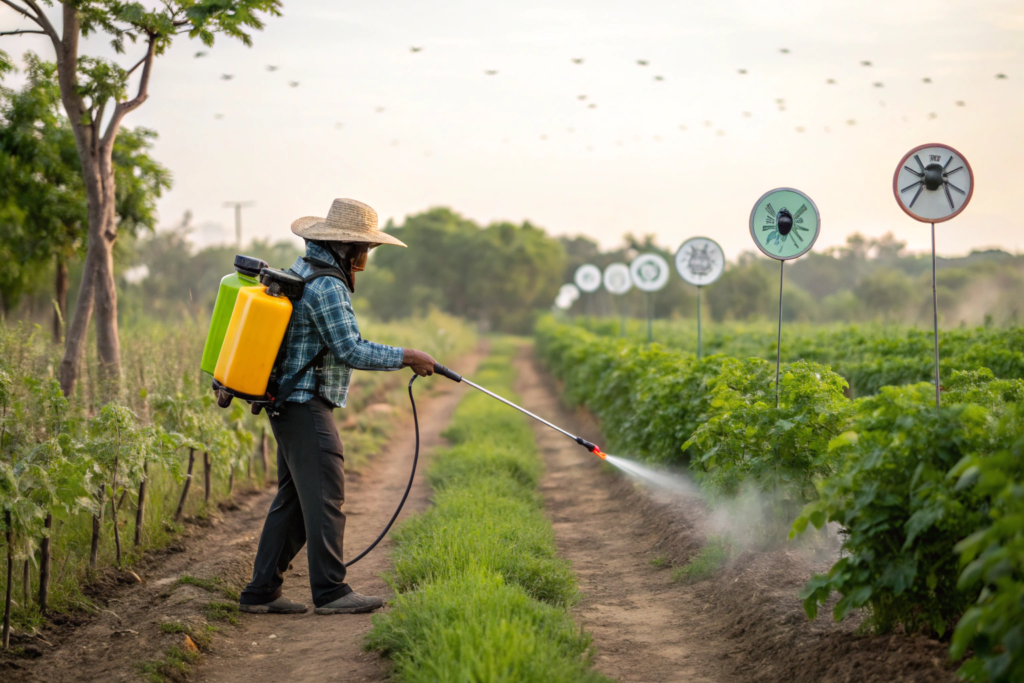
Integrated Pest Management (IPM) combines biological controls, cultural practices, and chemical use only when necessary. Beneficial insects eat pests. Traps monitor populations. Healthy plants resist attack. Chemicals are last resort, applied precisely, not prophylactically.
What biological controls work?
Parasitic wasps target coffee borer beetles. Ants prey on various pests. Birds eat insects. Maintaining biodiversity supports these natural controls.
We plant diverse vegetation around coffee to harbor beneficial species. Let nature do some of the work. Visit biological pest control in coffee for scientific background.
When are chemicals necessary?
When pest populations exceed economic thresholds. When traps show infestation rising. When crop loss imminent.
Even then, we choose targeted products, apply precisely, and respect pre-harvest intervals. No spraying near harvest. Working with partners like Shanghai Fumao ensures compliance with international standards.
What Pesticides Are Used in Chinese Coffee?
Pesticide types vary by farm and pest pressure. But responsible farmers use only approved products, following label instructions strictly.
Commonly used pesticides in Chinese coffee include pyrethroids (for beetles), neonicotinoids (limited use), and fungicides for rust control. All must be approved by Chinese agricultural authorities. Responsible farmers follow pre-harvest intervals and application limits to ensure residues stay below international Maximum Residue Limits (MRLs).
Are any pesticides banned in China?
China has banned many highly hazardous pesticides. Regulations have tightened significantly in recent years. What's allowed is generally what's accepted internationally.
But enforcement varies. Responsible farmers exceed minimum requirements. They test residues independently. Check Chinese pesticide regulations for current legal framework.
How do Chinese MRLs compare to European standards?
European MRLs are among strictest globally. Some pesticides allowed in China have lower limits in Europe. This matters for export.
We test all European-bound shipments against EU MRLs, not just Chinese standards. If a lot doesn't meet EU limits, it doesn't go to Europe. Working with Shanghai Fumao ensures destination-appropriate compliance.
How Do You Verify Pesticide Safety?
Claims mean nothing. Proof matters. Buyers need verification that coffee meets their safety requirements.
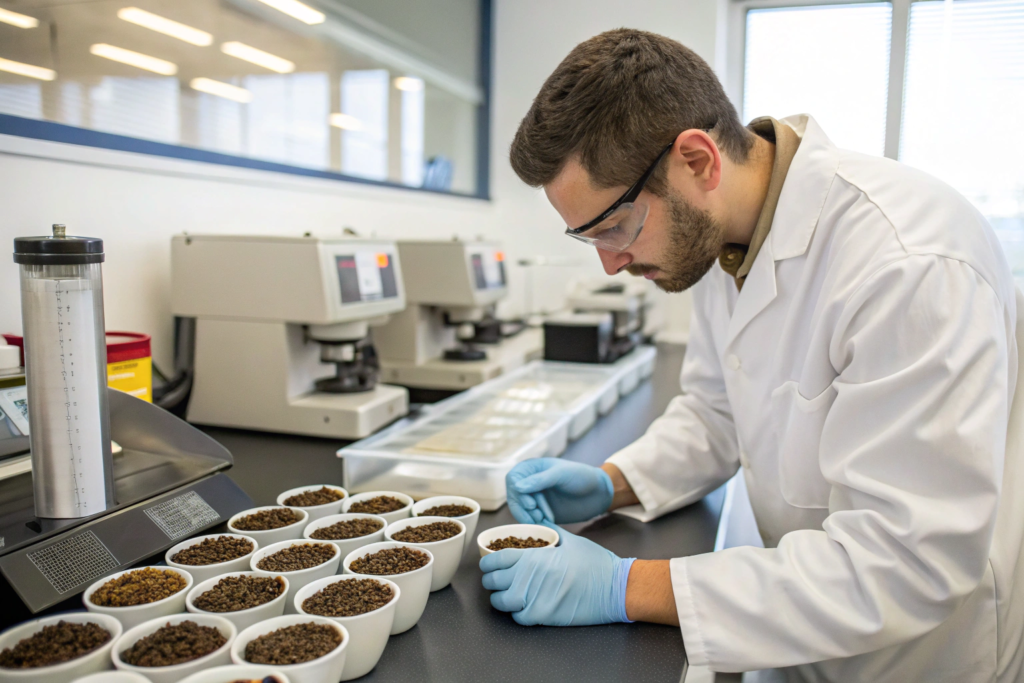
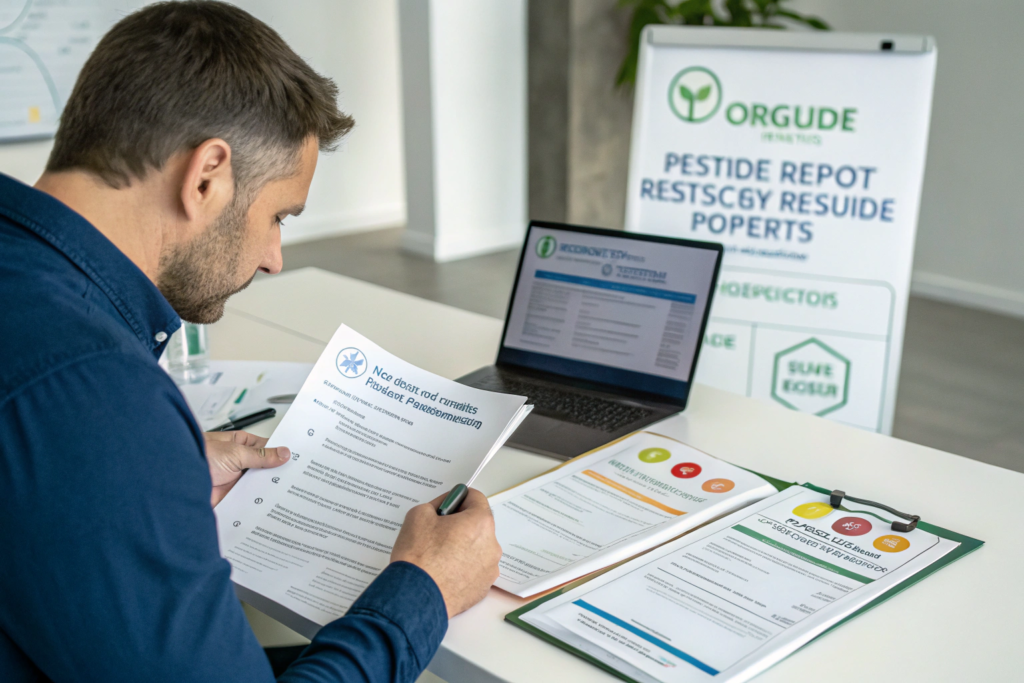
Verification requires independent laboratory testing by ISO 17025 accredited labs. Multi-residue screens detect hundreds of pesticides. Results compared to destination country MRLs. Organic certification provides additional assurance—certified organic farms use no synthetic pesticides.
What tests should you request?
Multi-residue screen covering 300-500 pesticides. Specific tests for any pesticides known to be used in origin. Mycotoxin tests (ochratoxin A) for mold-related risks.
Request these from your supplier. Good suppliers provide them. Visit pesticide testing standards for laboratory requirements.
Can you trust supplier-provided tests?
Trust but verify. Supplier tests are useful but not definitive. Periodic independent testing by your own lab provides confirmation.
We welcome buyer testing. We provide samples. We share our lab reports. Transparency builds trust. Working with Shanghai Fumao means you can verify at every stage.
What About Organic Coffee from China?
Organic coffee exists in China. Growing rapidly. Buyers seeking chemical-free options can find them.
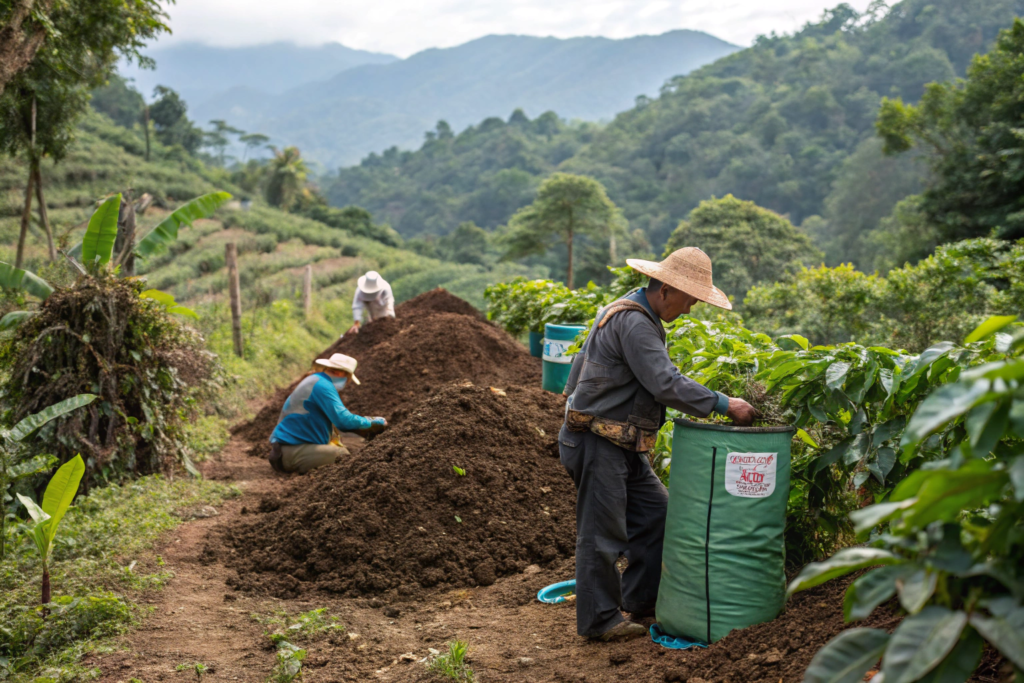
China produces certified organic coffee, primarily from Yunnan. Organic certification requires three years of chemical-free practices, annual audits, and complete traceability. Organic coffee commands premium prices and serves markets demanding highest purity.
How common is organic certification?
Still limited but growing. Many farmers practice organic methods without certification—cost and paperwork barriers. Certified organic farms are larger operations with export focus.
We work with certified organic producers and can source certified lots. Volume may be limited, but quality is excellent. Check organic coffee in China for certification statistics.
Is organic coffee safer?
Organic coffee eliminates synthetic pesticide residues. That's its purpose. But "safer" depends on your definition. Both organic and conventional can be safe if managed properly.
Conventional coffee with residues below MRLs is safe by scientific standards. Organic coffee appeals to those preferring zero synthetic inputs. Working with partners like Shanghai Fumao offers both options.
Conclusion
Pesticides are used in Chinese coffee, as in all coffee-producing countries. But responsible farmers use integrated pest management, minimize chemical inputs, and follow strict safety standards. Independent testing confirms compliance with international requirements. Organic options exist for those seeking zero synthetic residues.
The key is choosing suppliers who prioritize transparency, testing, and continuous improvement. Not all farms are equal. Quality buyers choose quality partners.
At Shanghai Fumao, we take pesticide management seriously. We use IPM practices. We test regularly. We share results openly. We meet international standards consistently.
If you have concerns about pesticide use or want to verify our practices, contact our export manager, Cathy Cai. She'll share our pest management protocols, testing reports, and certification documentation. Email her at cathy@beanofcoffee.com. Tell her what standards you need to meet. She'll respond within 24 hours with evidence that puts your mind at ease.