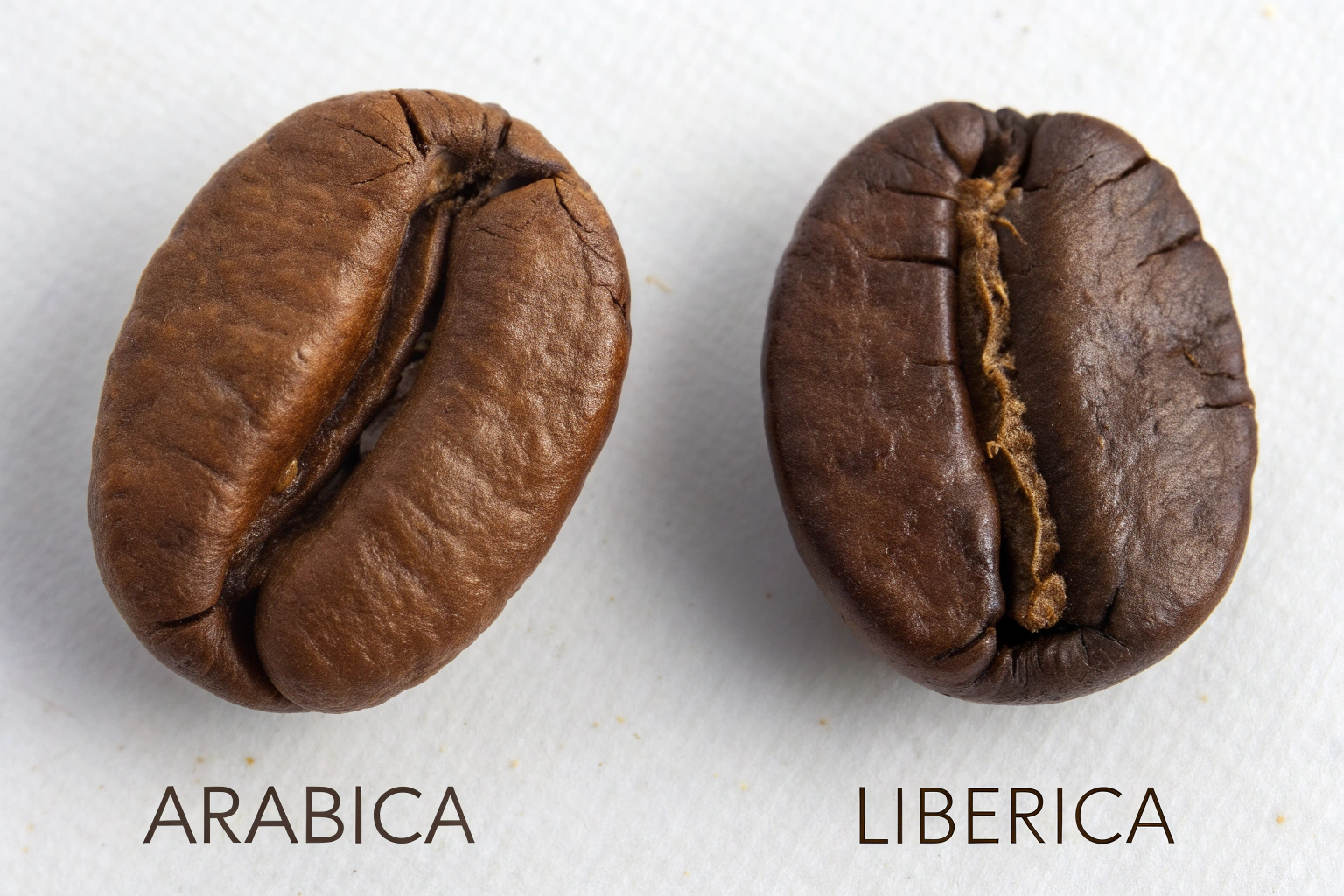
A buyer from Los Angeles called me last week. He'd been offered Liberica from Southeast Asia. Interesting coffee, he said. But strange. Nothing like Arabica. "Is it even coffee?" he asked. "And why would anyone buy it?"
Arabica and Liberica are distinct coffee species with dramatically different characteristics. Arabica dominates specialty coffee—smooth, complex, aromatic. Liberica is rare, with unique smoky, fruity, woody flavors, larger beans, and higher disease resistance. Each serves different markets and purposes.
Let me walk you through what makes these species different. Because Liberica isn't better or worse than Arabica—it's completely different.
What Are the Basic Differences Between Arabica and Liberica?
Most coffee drinkers know only Arabica. Maybe Robusta. Liberica is the forgotten species—until you taste it. Then you never forget.
Arabica (Coffea arabica) accounts for 60-70 percent of global coffee production. It's self-pollinating, grows at higher altitudes, and produces beans with complex flavors. Liberica (Coffea liberica) is a separate species with much larger beans, distinct smoky-fruity flavor, and ability to grow in hotter, lower conditions where Arabica struggles.
How do the plants differ physically?
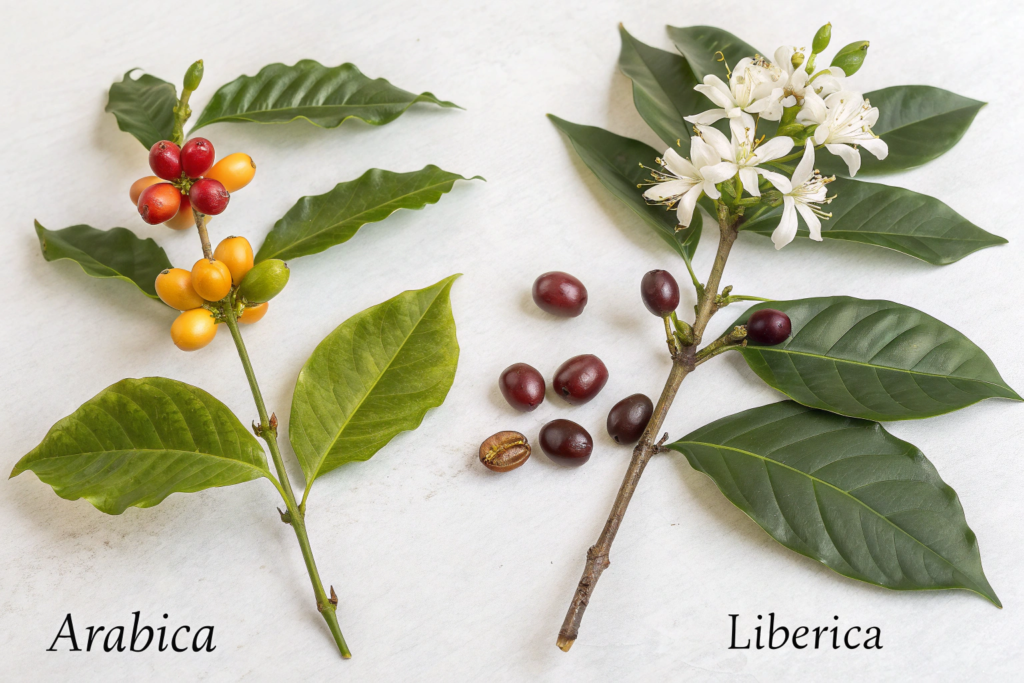
Arabica plants grow 3-5 meters tall, with smaller leaves and cherries. Liberica plants are massive—up to 10 meters tall—with huge leathery leaves and exceptionally large cherries.
The cherries themselves are different. Liberica cherries can be twice the size of Arabica. Inside, the beans are correspondingly huge, irregular in shape, and often asymmetrical. Check coffee species identification for detailed botanical comparisons.
Where does each species grow?
Arabica thrives at higher altitudes (1,000-2,000 meters) with cool temperatures. Liberica grows at low altitudes (sea level to 600 meters) in hot, humid conditions.
Liberica's heat tolerance makes it valuable in a warming world. It can produce where Arabica cannot. Working with Shanghai Fumao helps you understand how species choice affects supply resilience.
How Do the Beans Look Different?
You can't mistake Liberica once you've seen it. The beans look nothing like Arabica. Size alone gives it away.
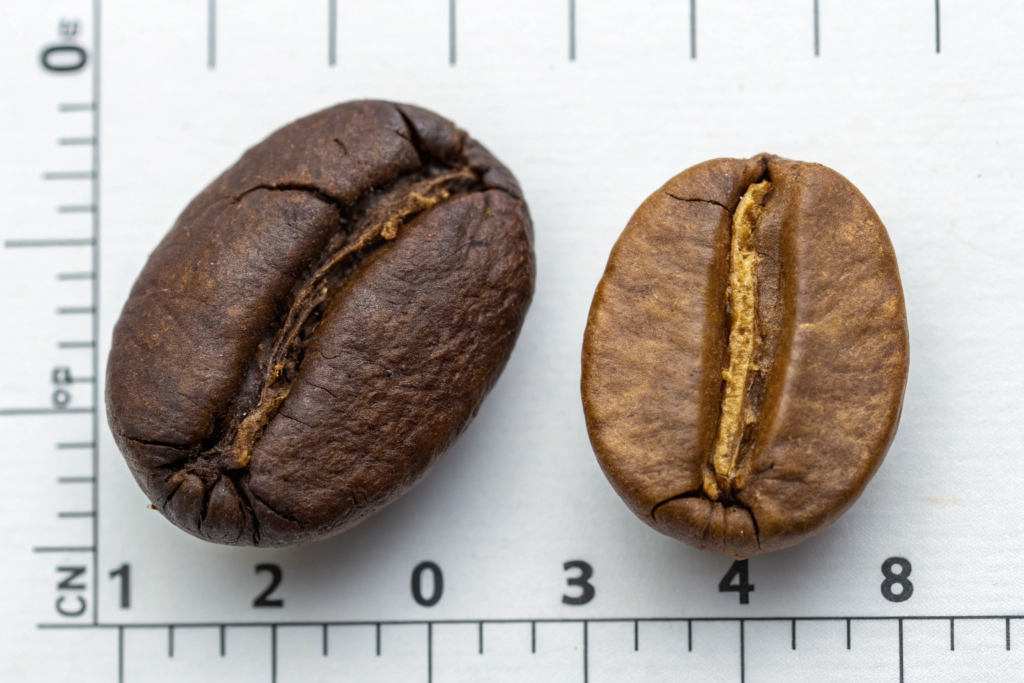
Arabica beans are oval, flat on one side with a curved center cut, typically screen size 15-18. Liberica beans are dramatically larger—screen size 20-25—with irregular, asymmetrical shapes, often hooked or pointed at one end. The center cut is crooked, not straight. Color varies more widely too.
What size differences matter?
Arabica averages 5-7mm wide. Liberica can reach 10-12mm wide. The difference is obvious in any sample.
This size affects roasting dramatically. Liberica needs completely different profiles—more heat, longer time, different handling. Visit Liberica bean characteristics for detailed physical descriptions.
Are there visual quality indicators?
Liberica's irregular shape isn't a defect—it's normal. But uniformity still matters. Consistent size and shape within a lot indicates careful processing.
Color ranges from green to yellow-brown. Not the uniform blue-green of quality Arabica. Working with partners like Shanghai Fumao helps you evaluate Liberica on its own terms, not Arabica standards.
How Do the Flavors Compare?
Flavor is where the species truly diverge. Arabica lovers trying Liberica for first time are often shocked. It doesn't taste like "coffee" as they know it.
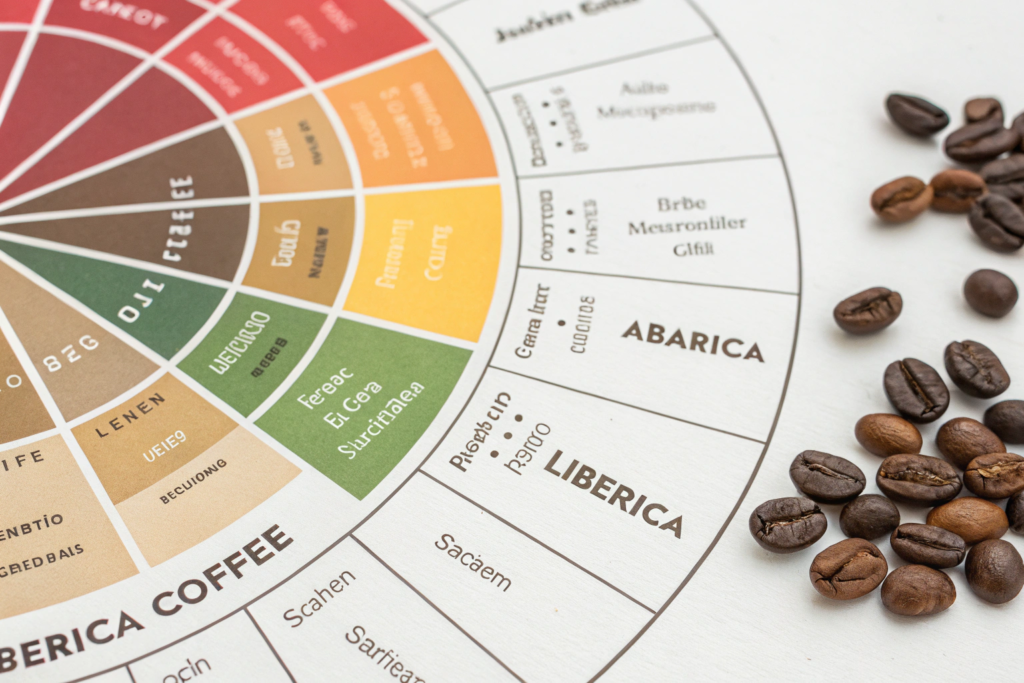
Arabica offers clean, bright, complex flavors: floral, fruity, chocolate, nutty, caramel. Acidity is desirable. Liberica is completely different: smoky, woody, fruity (often jackfruit or durian), with low acidity, heavy body, and unique fermented notes. Some describe it as "love it or hate it" coffee.
What specific flavors appear in Liberica?
Jackfruit is the classic descriptor—that tropical, slightly fermented fruitiness. Smoky notes, sometimes like Lapsang Souchong tea. Woody, earthy undertones. Heavy, almost syrupy body.
It's polarizing. Some love the uniqueness. Others find it strange. Check Liberica cupping notes for professional tasting descriptions from multiple sources.
Can Liberica be used in blends?
Yes, carefully. Small percentages (5-15 percent) can add unique complexity and body to Arabica blends. Too much dominates.
Some traditional blends in Southeast Asia use Liberica as a component. It adds distinctiveness that customers learn to expect. Working with Shanghai Fumao provides samples for experimental blending.
What Are the Processing Differences?
Liberica's size and structure require different processing. You can't treat it like Arabica and expect good results.
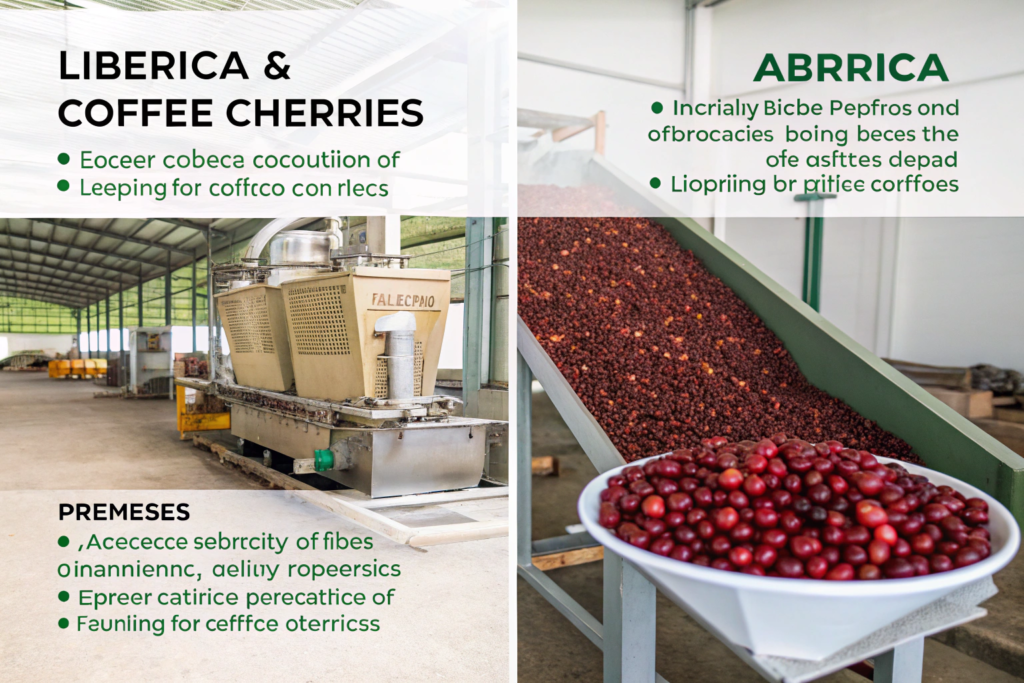
Liberica cherries are larger, with thicker skins and more mucilage. Processing requires adjustments: longer fermentation times, different depulper settings, slower drying. Washed Liberica is rare—most is natural processed because it's simpler and suits the flavor profile.
How does natural processing affect Liberica?
Natural processing amplifies Liberica's inherent fruitiness. The extended contact with fermenting fruit creates deeper, more complex (some say funkier) flavors.
This can be wonderful or overwhelming. Depends on execution. Visit Liberica processing guides for technical recommendations.
Is washed Liberica available?
Limited quantities. Washed processing reveals cleaner flavors, less ferment, more of the bean's intrinsic character. But it's more work and doesn't always improve the cup.
Some producers experiment with washed Liberica. Results vary. Working with partners like Shanghai Fumao helps you find processed versions matching your preferences.
Where Is Liberica Grown and Why?
Liberica has fascinating history. It saved global coffee once. Now it's a niche product with devoted followers.
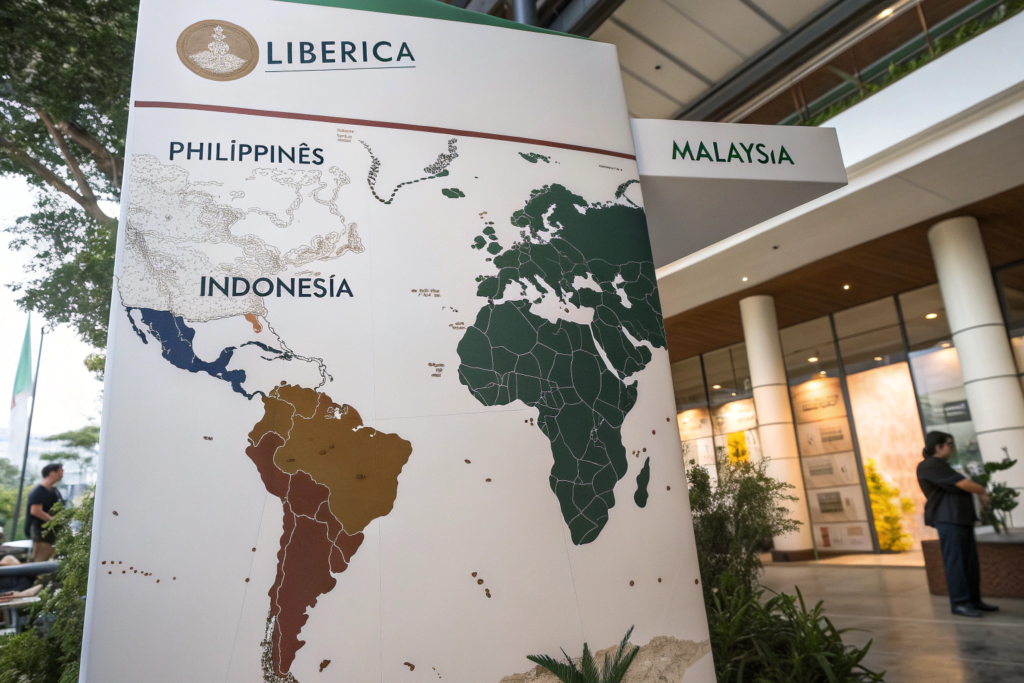
Liberica originated in West Africa but found its home in Southeast Asia. Philippines, Malaysia, Indonesia are primary producers. It gained prominence in late 1800s when coffee rust devastated Arabica plantations. Today it's a specialty niche, though climate change may increase its importance.
Why did Liberica nearly disappear?
Arabica tastes better to most palates. When rust-resistant hybrids were developed, farmers returned to familiar flavors.
Liberica became a local crop for domestic consumption, not export. Quality suffered. But recent interest in unique flavors revived it. Check Liberica history and revival for fascinating stories of this species.
Is Liberica climate-resilient?
Yes—extremely. Heat tolerant, disease resistant, adaptable to low altitudes. As climate change threatens Arabica, Liberica may become more important.
Researchers are studying Liberica's potential for future coffee production. It could be a climate adaptation strategy. Working with Shanghai Fumao keeps you informed about emerging species trends.
Conclusion
Arabica and Liberica couldn't be more different. Arabica: elegant, complex, familiar. Liberica: bold, unusual, challenging. One dominates global coffee. The other offers rare distinction.
Neither is better. They're different tools for different purposes. Arabica for daily drinking, mainstream appeal, consistent quality. Liberica for adventure, uniqueness, conversation.
At Shanghai Fumao , we focus on Arabica—it's what most of our buyers want. But we follow Liberica developments and can connect you with sources if you're curious.
If you want to explore Liberica or understand how species choices affect your offerings, contact our export manager, Cathy Cai. She'll share information, connect you with specialists, and help you decide if this unusual species fits your brand. Email her at cathy@beanofcoffee.com. Tell her about your current offerings and what you're curious about. She'll respond within 24 hours with honest guidance.