The ship has docked. The container is off the vessel. You get the arrival notice from your forwarder. Suddenly, a cold panic hits. Do you have enough pallet racks? Is the forklift serviced? Where is that customs broker's phone number? The container is sitting on the pier, and the free storage clock is already ticking. Every day of delay costs you demurrage. Every hour of confusion risks a damaged relationship with your trucker. I have shipped thousands of containers from our Baoshan mill. I know the rhythm of a container arrival intimately. The roasters who handle it smoothly are not the ones who react fast. They are the ones who started their preparation weeks before the ship even left Shanghai.
Preparing for a container arrival means having your space, your equipment, your paperwork, and your quality control checklist ready before the vessel docks. It is a 4-week orchestration, not a same-day scramble. At BeanofCoffee, I send my buyers a detailed pre-arrival timeline and documentation package so that when the doors of that 20-foot box swing open, your team works like a well-rehearsed pit crew.
You do not just receive a container. You execute a landing. Let us walk through the entire sequence, from the empty warehouse to the green bean resting on your shelf.
How to Organize Your Warehouse Space Weeks Before the Ship Docks?
One week before arrival is too late. You might find your warehouse is a mess. Pallets of last season's dregs. Cardboard boxes everywhere. A broken forklift tucked in a corner. The new container needs a clean, dedicated, climate-appropriate space. You need to create a landing zone.
You should clear, clean, and condition your receiving zone at least three weeks before the vessel arrives. This means measuring the floor space, checking the concrete for moisture, and setting up isolated pallet positions. I advise my clients at BeanofCoffee to treat the container arrival as a "new harvest day" and give the green beans the same respect they give their roasted inventory.
Green coffee is alive. Your warehouse is its new home. Make it welcoming.
What Is the Ideal Floor Plan for a Green Coffee Container Receiving?
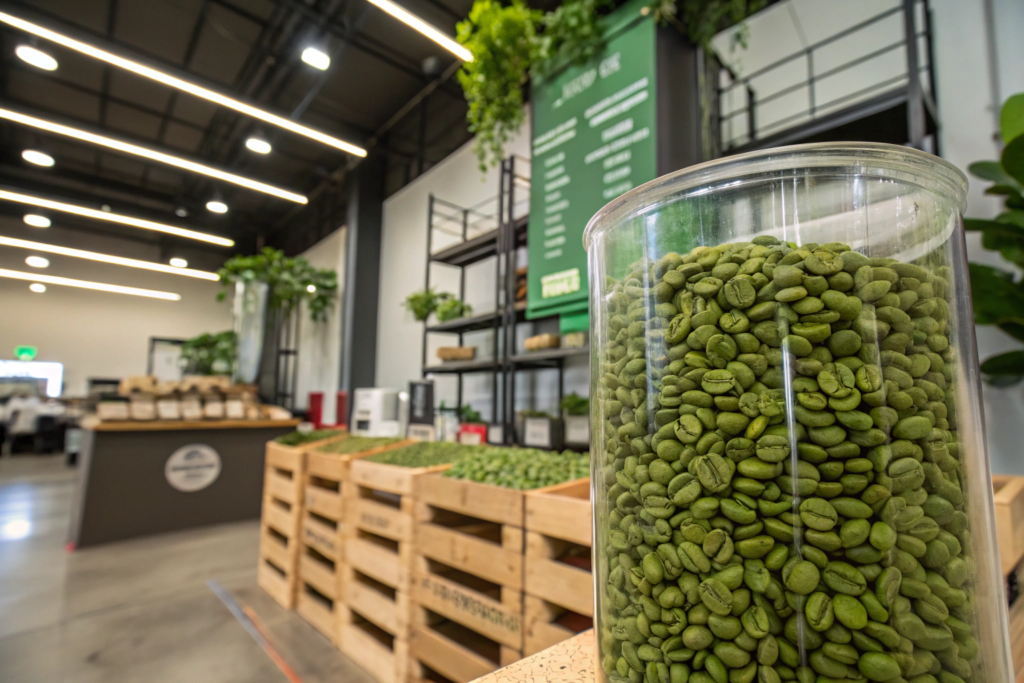
A standard 20-foot container holds 20 pallets. That is about 320 bags of 60-kilo jute or GrainPro. The container will sit in your yard or on a loading dock. The forklift will pull the pallets out one by one. You need a staging area right behind the container. This staging area should be at least 20 feet by 20 feet. Just enough to hold 4 or 5 pallets as they come off, without blocking the forklift path. From the staging area, the pallets move to their assigned racking. Do not stack green coffee pallets directly on concrete. I have said this before. Concrete sweats. Use plastic slip sheets or wooden pallet spacers. Position the racks away from walls. External walls fluctuate in temperature. They can create condensation pockets. Leave an 18-inch gap between the back of the pallet and the wall. Air needs to circulate. Also, map out the FIFO lane. First In, First Out. The oldest stock comes to the front. The new container goes to the back. Physically label the lanes with the origin and the delivery date. A piece of tape and a Sharpie marker will save you from accidentally using fresh coffee before finishing the old crop.
How to Pre-Condition the Storage Environment for Incoming Beans?
The beans have traveled across the Pacific. They have experienced thermal swings. They need stability. A week before arrival, put a digital hygrometer in the receiving area. Record the temperature and relative humidity at three different times of day. You want the conditions to be stable. The ideal is around 20 degrees Celsius and 60 percent relative humidity. If your warehouse is too dry, below 40 percent, the beans can lose moisture too fast. The cellulose can become brittle. If it is too humid, above 70 percent, you are inviting mold. If the environment is way off, do not just open the GrainPro bags immediately. Let the sealed pallets acclimate for 24 hours. The beans need to slowly adjust to the ambient temperature. A sudden opening in a hot, humid room can cause flash condensation on the cold bean surface. This is a tiny detail. But tiny details cause mold. Condition the room. Then condition the sealed pallet. Then open the bag.
What Documentation Must Be Ready for the Customs Clearance Process?
The physical container is one thing. The paper container is another. If the paper container is stuck, the physical container sits at the port. And you pay for every hour it sits. The arrival notice triggers the final phase of a paperwork relay that started when we shipped the container.
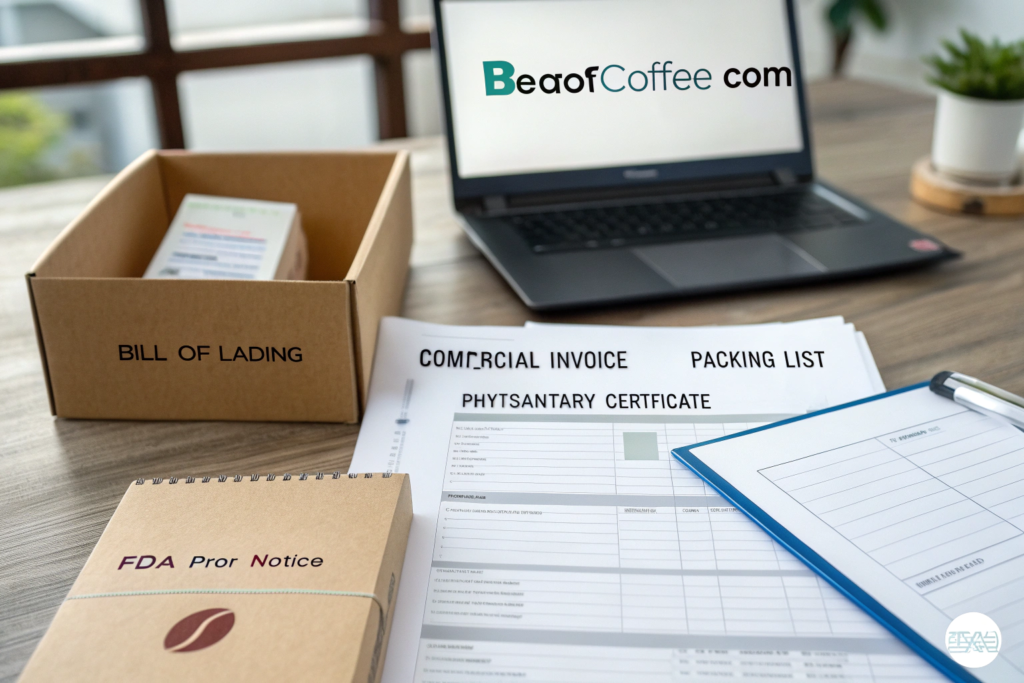
You need the original Bill of Lading, the commercial invoice, the packing list, the phytosanitary certificate, and the FDA Prior Notice confirmation. At BeanofCoffee, I courier the original documents to your broker via express mail the moment the vessel sails. This two-week head start is what allows a 24-hour clearance upon arrival.
Documents are time. Earlier documents equal fewer port storage fees.
What Is the Role of the Delivery Order in Releasing the Container?
When the ship arrives, the ocean carrier releases the container to the party named on the Bill of Lading. But you cannot just show up with a copy. Your customs broker must obtain a Delivery Order from the carrier's local agent. The Delivery Order is the permission slip. It requires the original Bill of Lading to be surrendered, or a Telex Release if we used express release. You must pay the terminal handling charges at this moment. The broker then presents the Delivery Order, along with the customs entry and the FDA release, to the marine terminal. Only then can your trucker get an appointment to pick up the container. This is the chain of custody. If one link is missing, the trucker gets turned away at the gate. Confirm with your broker that they have the Delivery Order and a firm pickup appointment before you dispatch the truck. A wasted trip costs you a "dry run" fee, usually a few hundred dollars.
How to Pre-File the FDA Prior Notice for Coffee Shipments?
Coffee is food. The FDA requires a Prior Notice for every food shipment. This must be filed electronically and confirmed before the coffee arrives at the U.S. port. We provide all the necessary data. The manufacturer registration. Our Baoshan mill address. The 21 A 99 product code. Your broker submits this. The confirmation number must be on the entry summary. If the Prior Notice is not confirmed, the container is held in an FDA hold area. This can add days. The key is timing. Pre-file the notice as soon as the vessel is about 5 days from shore. If you file too early, the system might flag it for review as stale. Too late, and you risk a hold. A professional broker knows this rhythm. Give them our documents early. Trust their timing. At BeanofCoffee, my logistics team is available to speak directly with your broker. We fix data mismatches in minutes, not days.
How to Inspect and Sample a Container Immediately Upon Arrival?
The doors open. You smell it. Does it smell like clean, green, vegetal coffee? Or does it smell like mold, diesel, or rotten fruit? The first five seconds of a container opening tell you more than a hundred pages of certificates. This moment is your chance to catch a problem before you accept the cargo.
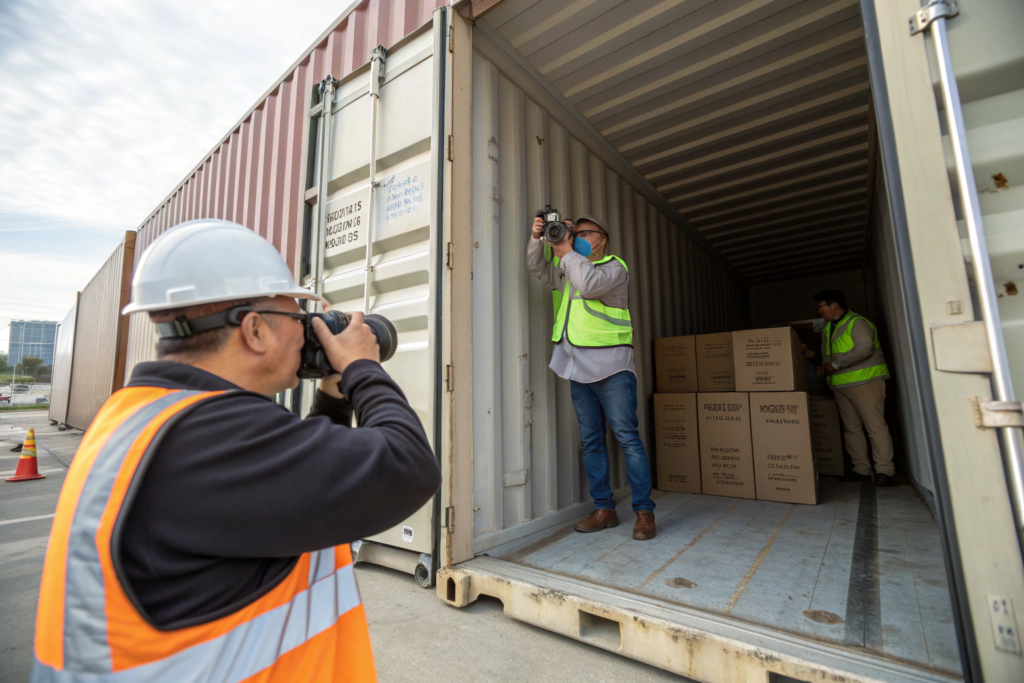
Inspection upon arrival is a non-negotiable ritual. You should photograph the container seal before cutting it. Then sample the front, middle, and back pallets immediately. I guide my buyers at BeanofCoffee through a standardized 15-minute container inspection checklist that protects their claim rights.
If something is wrong, the clock on a claim is ticking. Act fast.
What Is a Container Seal Verification and Why Is It Critical?
Every FCL container I ship has a bolt seal with a unique number. That number is on the Bill of Lading. Before anyone cuts the seal, you or your designated receiver must verify that the seal number on the physical seal matches the seal number on the document. Photograph the seal on the closed door. Photograph it again after cutting it, showing it intact. If the seal is broken, missing, or has a different number, the chain of custody is broken. This is evidence. This is your insurance claim foundation. Do not open the doors until you have documented the seal. If the seal is intact, you know the container was not tampered with in transit. Any damage inside is either a loading problem, a moisture problem, or a handling problem at origin. That narrows the liability.
How to Pull a Representative Sample for Quality Verification?
Do not just open the front pallet and cup it. A container is a long, dark tunnel. The pallets at the door have experienced different conditions than the pallets deep inside. The ones at the back were closer to the engine. Maybe they were warmer. You need a composite sample. Pull three bags. One from the front pallet, near the door. One from the middle of the container. One from the last pallet, against the back wall. Use a trier, the long brass probe, to take a core sample from the middle of each bag. Mix these three samples together. Now roast and cup this composite. This represents the average quality of the container. If the composite cups clean, you can accept the lot. If it does not, cup each of the three samples separately. This tells you if the damage is isolated. Perhaps only the back pallet got too hot. In that case, you can file a claim for a partial loss, not a total rejection. This forensic cupping approach saves your supplier from a blanket rejection and saves you from throwing away good coffee.
How to Manage the Unloading and Inventory System Integration?
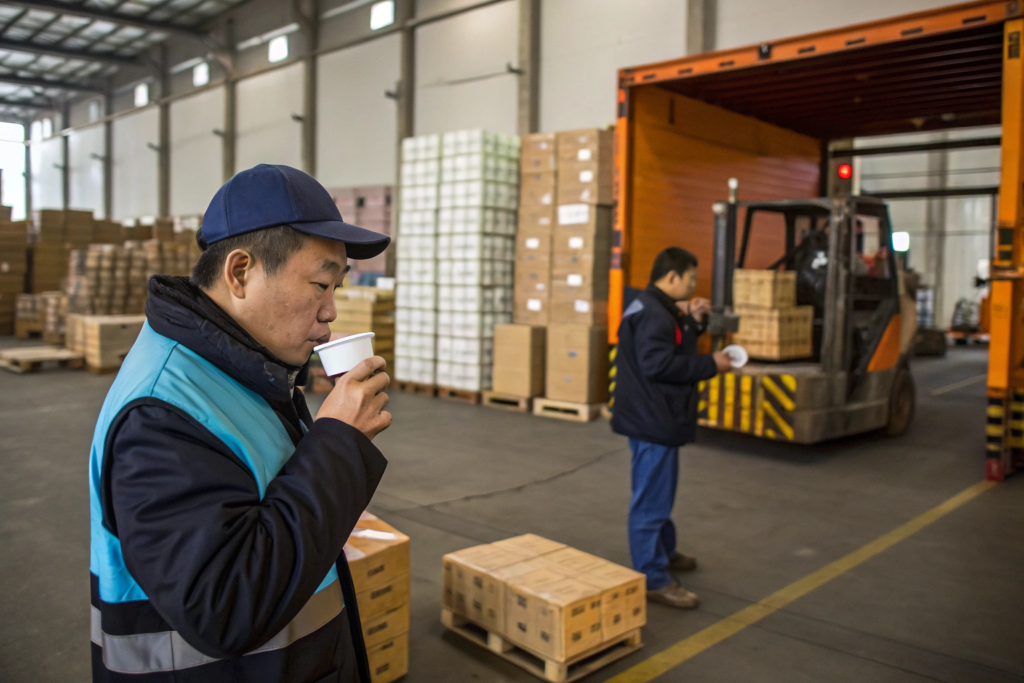
The inspection is done. The coffee smells good. Now the physical work begins. This is a bottleneck. If unloading takes too long, the trucker charges detention. If the pallets are put away without logging, your inventory system is corrupted from day one.
Efficient unloading and instant inventory sync are the final steps. You should have a dedicated team of two or three people, a calibrated floor scale, and a barcode scanner ready. At BeanofCoffee, I provide pallet-level barcode labels that link directly to the digital lot passport, making your warehouse entry a simple scan-and-weigh operation.
Sweat the logistics of the last 50 feet. This is where invisible losses happen.
How to Cross-Check the Physical Count Against the Packing List?
The packing list I send tells you exactly what is in each pallet. Pallet 1: 16 bags, 960 kilos gross. Your unloading team must verify this. As each pallet comes off, place it on the floor scale. Record the actual weight. Mark the pallet with a number. Tick it off the packing list. Look for discrepancies. A bag that is 5 kilos lighter than its neighbors might have a tear and spilled beans. A pallet with an extra bag could be a packing error. Document everything. Take photos of any damage. If you sign the trucker's delivery receipt without noting exceptions, you are legally accepting the cargo as "in good order." Any damage you find later will be blamed on your own warehouse handling. Note exceptions clearly. "Pallet 12, one bag torn, approximately 2 kilos spilled." Sign and date it. This protects your right to claim against the carrier's insurance.
How to Digitize the Lot Entry into Your Inventory Management Software?
The coffee is on the shelf. Now it needs a brain. It needs to enter your digital world. Each lot from BeanofCoffee comes with a QR code on the pallet label. Scan it. The code pulls up the lot number, the crop year, the processing method, the screen size, and the moisture content. Your warehouse management system should ingest this data automatically. Create a new inventory entry. The key fields are Lot ID, Supplier, Origin, Date Received, Weight Received, Warehouse Location, and Best By Date. The Best By Date is generally 12 months from the date of milling. Set an automatic reminder in your system for 9 months. This gives you a 3-month warning to use the coffee before it starts to fade. This digital hygiene step feels bureaucratic. But it prevents the classic "lost lot" tragedy where a pallet of beautiful 86-point coffee gets pushed behind a pallet of Robusta and discovered two years later, flat and woody. Your inventory software is the memory your warehouse does not have.
Conclusion
A container arrival is not a surprise party. It is a scheduled symphony. The baton lifts when the vessel leaves Shanghai, not when it pulls into Long Beach. You prepare your warehouse space and pre-condition the environment so the beans enter a stable home. You get your paperwork to your broker early so the customs clearance is a fast click, not a multi-day headache. You inspect the seal and pull a representative sample the moment the doors open so you have evidence and quality assurance in the first 15 minutes. You unload with precision, cross-checking weights and scanning barcodes, so your inventory system reflects reality, not a fantasy. When all these pieces move together, the container glides from ship to shelf without drama. No demurrage. No detention. No quality surprises. Just a smooth transfer of value from our farm to your roastery.
Make your next container arrival your smoothest one yet. Contact me, Cathy Cai, at cathy@beanofcoffee.com. I will provide you with our full pre-arrival checklist, sample container photos, and label templates. We can do a video walkthrough of our loading process so you know exactly what to expect. Let's turn that container arrival from a panic moment into a routine, confident operation.