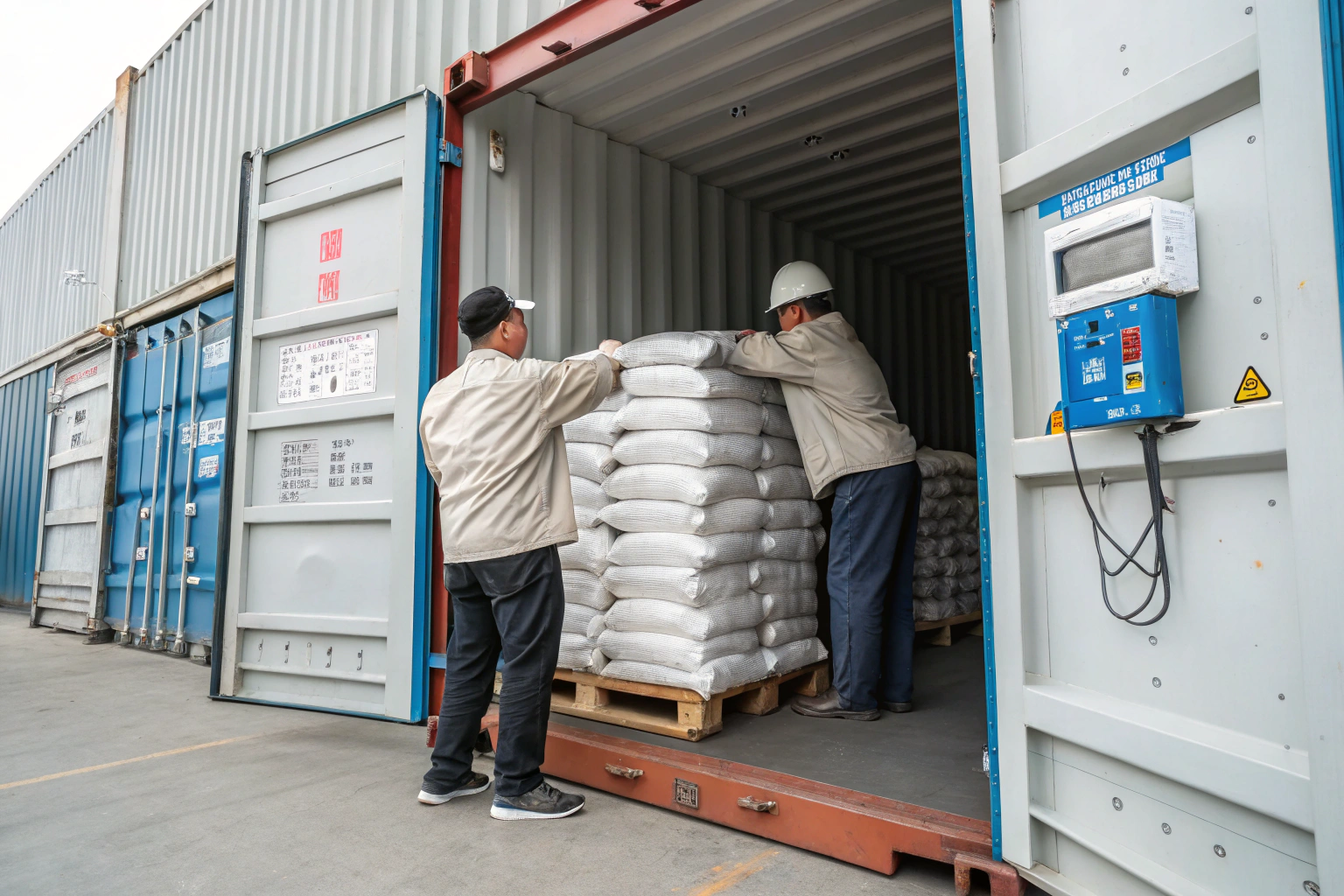
A container of our specialty Arabica arrived in Hamburg two summers ago with water dripping from the ceiling. The receiving roaster sent me photos. The top layer of bags was soaked. The coffee inside those bags had sprouted mold. We lost six bags. The rest of the container had a faint musty taint that downgraded the entire lot. The cause was not a leak. The container was sound. The cause was condensation. Warm, humid air trapped inside the box had condensed against the cold metal roof when the ship sailed into cooler North Atlantic waters. The damage cost thousands of dollars and strained a customer relationship.
Protecting coffee shipments from moisture damage requires a layered defense: hermetic packaging that isolates the beans from ambient humidity, desiccants that absorb trapped moisture inside the container, proper palletizing that prevents ground contact, and data loggers that record conditions during transit so problems can be identified before the container is opened.
Moisture is the enemy of green coffee. It activates mold spores. It accelerates staling. It ruins the hard work of everyone who grew, processed, and milled the beans. The ocean is a wet environment. A shipping container is not a climate-controlled room. It is a metal box that sweats. Defending against that sweat is a science and a discipline.
Why Is Condensation the Biggest Threat to Coffee in Transit?
Condensation is simple physics with expensive consequences. Warm air holds more water vapor than cold air. When warm, moist air contacts a cold surface, it cools rapidly. The water vapor it can no longer hold condenses into liquid droplets. This is the same process that fogs a bathroom mirror.
Condensation is the biggest threat to coffee in transit because a shipping container acts as a sealed microclimate where temperature swings between tropical days and cool nights, or between warm origin ports and cold destination waters, cause the air inside to release its moisture as liquid water that drips onto the cargo.
The container itself does not leak. The water comes from the air inside, and from the coffee beans themselves. Green coffee contains about 11% moisture. During a long voyage, the beans respire and release water vapor. The container air becomes humid. When the ship enters a cooler climate, the container walls cool. The ceiling is especially vulnerable because the metal roof is directly exposed to outside air. Condensation forms on the ceiling and rains down on the top layer of bags. This is called "container rain." It is the single most common cause of moisture damage in coffee shipments.
How Does Temperature Fluctuation Create "Container Sweat"?
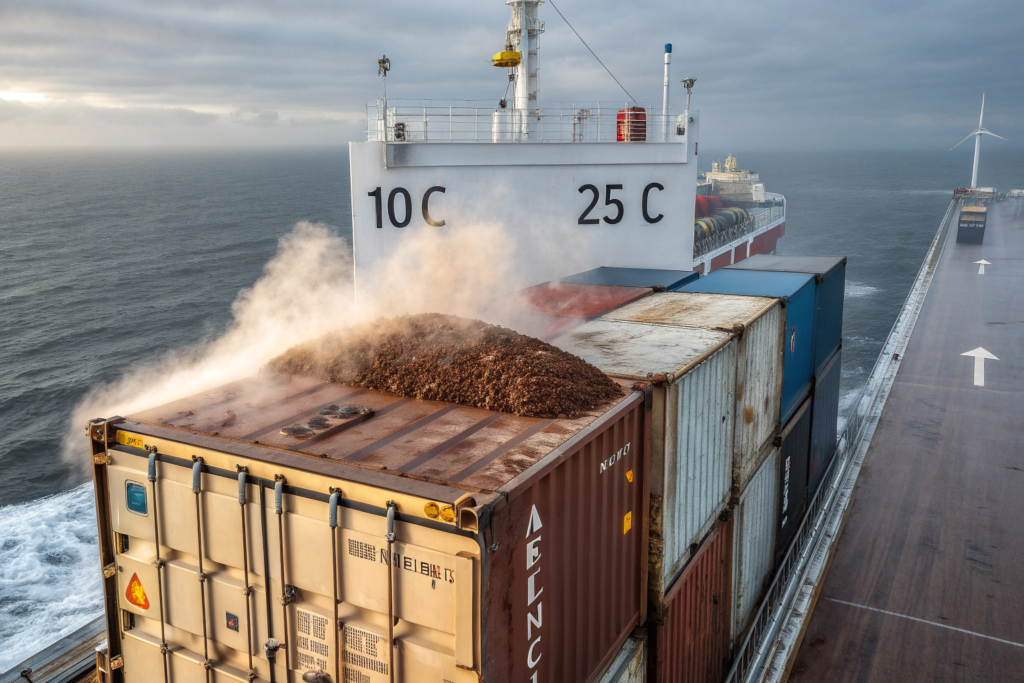
Container sweat is the industry term for condensation inside a shipping box. It happens most dramatically when a container loaded in a hot, humid port sails into a cooler region. The air inside, saturated with moisture from the tropical loading environment, hits a cold wall and dumps its water.
The daily temperature cycle also causes sweat. A container sitting on a ship's deck bakes in the sun during the day. The internal temperature climbs to 40°C or more. The air expands and absorbs more moisture from the coffee. At night, the temperature drops. The air contracts. The moisture condenses on the cooler metal surfaces. This daily cycle acts like a pump, moving moisture from the coffee into the container air and then depositing it on the walls and ceiling. Over a 30-day voyage, the cumulative effect can saturate jute bags and initiate mold growth.
What Parts of the Container Are Most Vulnerable to Moisture?
The ceiling is the worst. Condensation forms there first and drips downward. The top layer of coffee bags is always the highest risk. Any bag directly contacting the ceiling or top rail is a candidate for water damage.
The floor is the second vulnerability. Even though container floors have small ventilation gaps, moisture can wick upward from the wood or metal if the container sits in a puddle of rain at the port. The walls are the third zone. Bags stacked against the walls touch the cold metal and can experience localized condensation, especially if the container is stowed on the outer row of the ship where the walls are exposed to cold sea air and spray. The safest bags are in the center of the container, insulated by the surrounding cargo.
What Packaging Materials Block Moisture During Shipping?
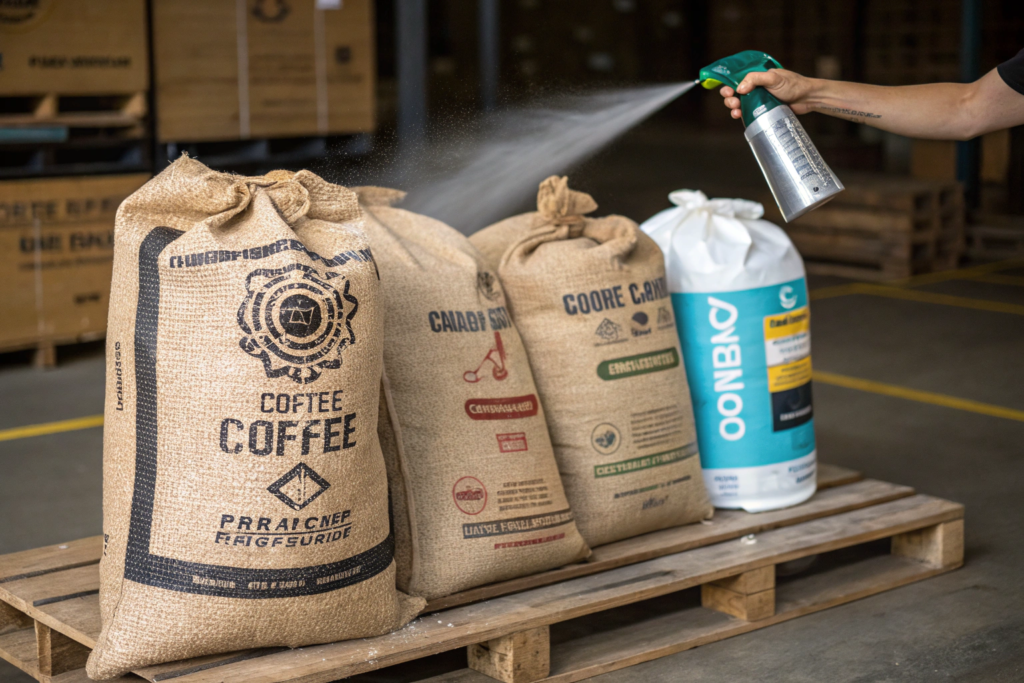
Packaging is the first line of defense. A naked jute sack is almost no defense at all. It breathes. It absorbs water from humid air and wicks it directly to the beans. A coffee buyer relying on jute sacks alone is gambling.
The most effective packaging for blocking moisture during shipping is the multi-layer hermetic bag, typically made of polyethylene with an ethylene vinyl alcohol barrier layer. This material is impermeable to water vapor and liquid water, creating a sealed microenvironment that isolates the beans from the container's humidity swings.
We use GrainPro bags inside traditional jute sacks for all our export shipments. The jute provides mechanical strength and protects the hermetic liner from punctures. The GrainPro provides the moisture barrier. Once sealed, the beans are protected from external moisture. The only way water can enter is through a physical puncture or an improperly sealed zipper. The packaging cost is higher than jute alone, but it is far cheaper than a rejected container.
How Do Hermetic Bags Compare to Vacuum-Sealed Packaging for Moisture?
Hermetic bags and vacuum-sealed bags both block moisture, but they work differently. A hermetic bag simply seals the beans inside a moisture-proof barrier. The beans continue to respire, consuming oxygen and releasing carbon dioxide. The internal humidity stabilizes at a level determined by the beans' own moisture content.
A vacuum-sealed bag removes the air entirely, pulling a tight vacuum around the beans. This also blocks moisture because there is no air to carry water vapor. The disadvantage of vacuum sealing is vulnerability to punctures. A small hole breaks the vacuum and allows moist air to rush in. The buyer, believing the vacuum is intact, may not prioritize using the coffee quickly. A hermetic bag with a pinprick leak is less catastrophic because the beans have already created their own modified atmosphere. For sea freight, I prefer the robustness of a well-sealed hermetic bag.
What Is the Role of Plastic Container Liners?
A container liner is a large sheet of plastic or aluminum foil that lines the entire interior of the shipping container before loading. It creates a secondary barrier between the cargo and the container's metal walls and ceiling.
The liner catches condensation droplets that form on the ceiling, preventing them from falling directly onto the coffee bags. The water runs down the liner and pools harmlessly on the floor, away from the palletized cargo. Liners also provide a small amount of thermal insulation, slightly reducing the temperature swings that drive condensation. They are not a substitute for hermetic bags, but they add a valuable layer of protection, especially for long voyages through tropical zones.
How Do Desiccants and Moisture Absorbers Work in Coffee Containers?
If moisture is the enemy, desiccants are the soldiers that fight it. A desiccant is a material that absorbs water vapor from the air. It lowers the relative humidity inside the container, reducing the amount of water available to condense when the temperature drops.
Desiccants protect coffee shipments by actively removing water vapor from the container air. Common types include silica gel, which adsorbs moisture onto its surface, and calcium chloride, which absorbs moisture and turns into a gel. Strategically placed desiccants can prevent the humidity from reaching the dew point where condensation occurs.
We place desiccant packs in every container we ship. The packs are positioned on top of the pallets, near the ceiling where condensation is most likely. We also mount desiccant strips on the container walls. The total cost is modest, perhaps $30 to $80 per container. The protection they provide is worth far more.
Where Should Desiccants Be Placed for Maximum Effectiveness?
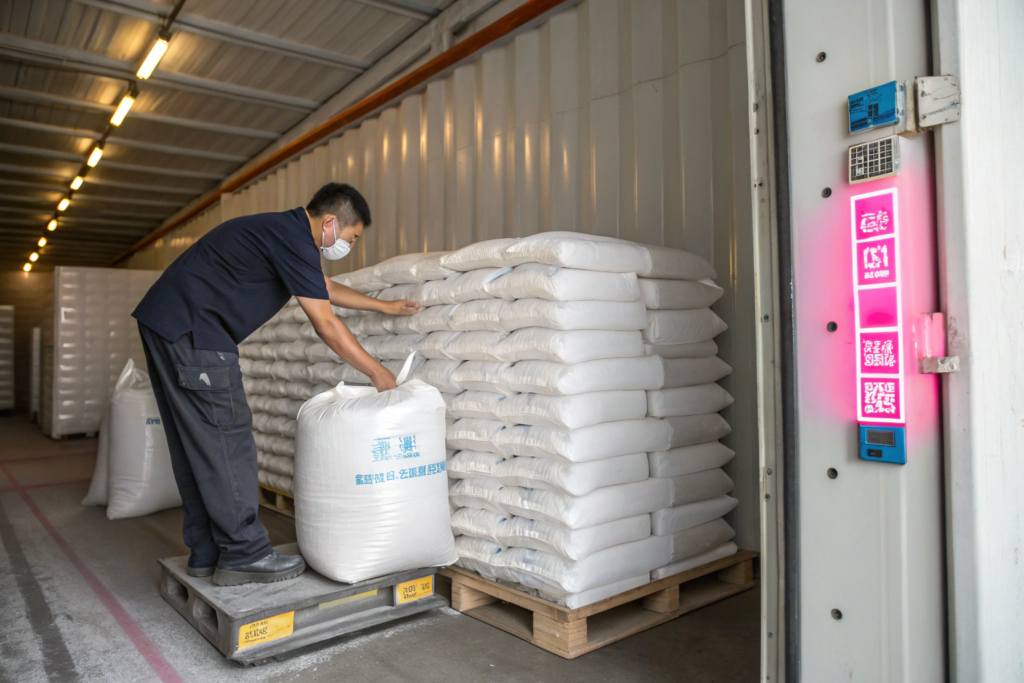
Placement matters. Desiccants work where the moisture is. The ceiling zone is the highest priority because that is where warm, moist air rises and where condensation first forms. Place large capacity packs directly on top of the uppermost pallets.
The floor zone is the second priority. Moisture can enter through the wooden flooring or pool from condensation runoff. Placing desiccant packs under the pallets, or using desiccant floor mats, captures this ground-level moisture. The walls are the third zone. Adhesive-backed desiccant strips attached to the side walls capture moisture that condenses on the metal. The container doors are the fourth zone. Door seals can leak humid outside air. A desiccant pack near the doors catches this incoming moisture before it reaches the cargo.
How Much Desiccant Is Enough for a Coffee Container?
The quantity depends on the voyage length, the climate zones crossed, and the moisture content of the coffee. A standard 20-foot container of green coffee on a 30-day voyage typically needs 4 to 6 kilograms of calcium chloride desiccant, or 10 to 15 kilograms of silica gel.
A voyage that crosses the equator, where the container experiences extreme heat and humidity, requires more. A voyage in cooler northern latitudes requires less. The calculation should be done by the exporter or freight forwarder based on the specific route. Under-dosing is a false economy. A few extra dollars spent on desiccant is insurance against thousands of dollars in cargo damage.
What Loading and Stowage Practices Reduce Moisture Risk?
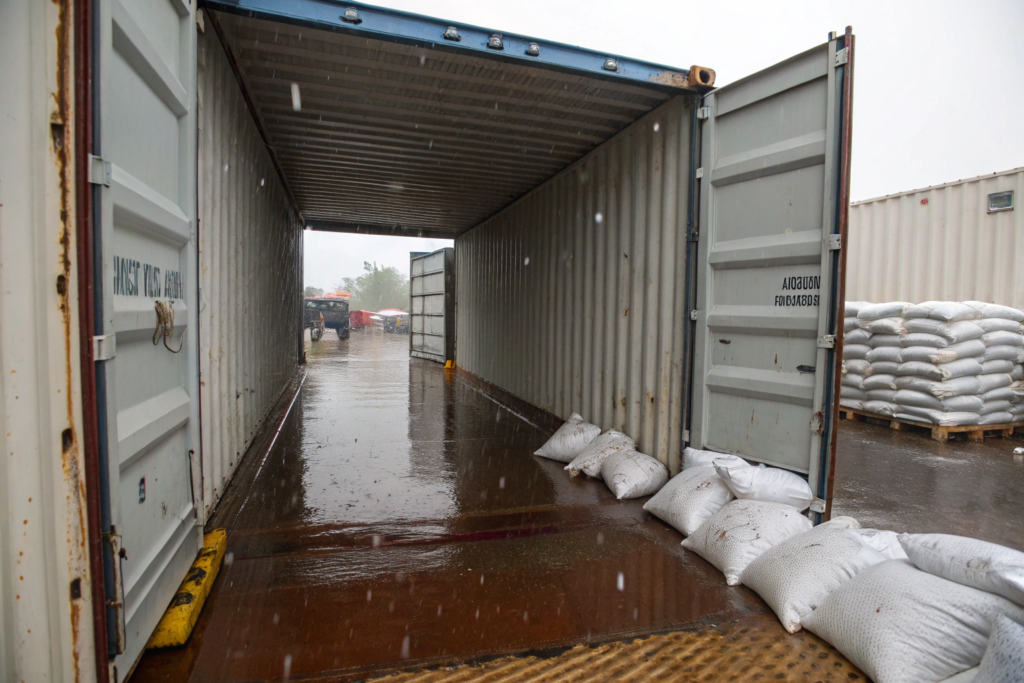
How a container is loaded is as important as what is loaded into it. Moisture damage often begins with a simple mistake at the stuffing stage. The container was loaded in the rain. The floor was damp. The bags were stacked against the walls. These errors are invisible when the doors close, but they reveal themselves at the destination.
Effective loading practices to reduce moisture risk include stuffing the container only in dry weather, using pallets to elevate bags off the floor, leaving air gaps between the cargo and the container walls, and conducting a pre-loading inspection to ensure the container is clean and dry with intact door seals.
A container should never be loaded while it is raining. The humid air trapped inside during loading will condense later. If loading must occur in humid conditions, the doors should be closed immediately after stuffing to minimize moisture ingress. The container floor should be inspected and confirmed dry.
Why Should Coffee Bags Never Touch the Container Floor?
The floor of a shipping container is a moisture source. Even a container that looks dry may have absorbed moisture from previous cargo or from sitting in a rainy port yard. Wooden floors wick water upward. Metal floors conduct cold and can cause condensation.
Pallets create an air gap. The air gap allows ventilation under the cargo. It prevents moisture from wicking into the bottom bags. It also protects against any small amount of water that pools on the floor during the voyage. We palletize all our export coffee and insist that our freight forwarders verify pallet placement before sealing the container. A bag sitting directly on the floor is a bag at high risk.
How Does Stowage Position on the Ship Affect Moisture Exposure?
Where the container sits on the ship matters. Containers stowed on the top deck row are exposed to direct sun, which heats the metal and drives temperature swings. They also catch the full force of rain and sea spray, though this should not penetrate a sound container.
Containers stowed below deck, in the ship's hold, experience much smaller temperature fluctuations. They are insulated from sun and cold wind. The temperature stays relatively stable. The condensation risk is dramatically lower. Below-deck stowage is sometimes available as a premium service. For high-value specialty lots, the extra cost is a good investment. Containers stowed on the outer row of the deck are exposed to cold sea winds on one side, which can create a temperature gradient inside the container that drives condensation on the cold wall.
How Can Buyers Monitor Moisture Conditions During Transit?
The ocean voyage has historically been a black box. The container disappears at the origin port and reappears at the destination weeks later. What happened in between was unknown. That has changed. Technology now makes the voyage transparent.
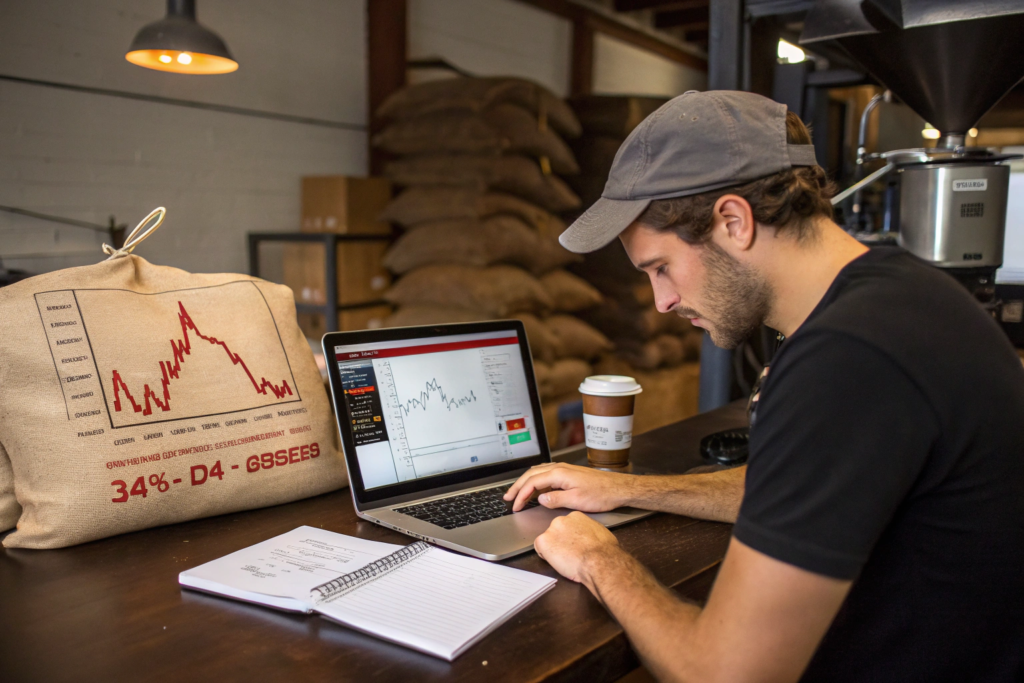
Buyers can monitor moisture conditions during transit by placing digital data loggers inside the container that record temperature and relative humidity at set intervals throughout the voyage. When the container arrives, the logger data reveals whether the coffee experienced conditions likely to cause moisture damage.
A USB temperature and humidity logger costs about $30. It is a small device, the size of a matchbox. We tape one inside every container we ship, usually to the top pallet near the ceiling where condensation risk is highest. The logger records data continuously. When the container arrives, the buyer retrieves the logger, plugs it into a computer, and downloads a graph of the entire voyage.
What Do Temperature and Humidity Graphs Reveal About Cargo Health?
The graph tells a story. A flat, stable line at 20°C and 55% relative humidity is a boring, beautiful story. The coffee traveled well. A jagged line with spikes to 38°C and 90% humidity tells a different story. The coffee suffered.
A humidity spike above 80% sustained for more than a day or two is a warning sign. Condensation likely occurred. The buyer should prioritize inspecting the top bags and cupping samples from the ceiling zone. A temperature spike above 40°C indicates the container was in extreme heat, which accelerates aging but does not directly cause moisture damage unless accompanied by high humidity. The combination of high heat and high humidity is the worst case.
How Should Arrival Inspections Check for Moisture Damage?
The container doors should be opened in dry weather if possible. The first thing to do is look up. Is there condensation on the ceiling? Does the air inside feel humid or smell musty? A healthy container air smells clean and slightly grassy. A musty smell is a red flag.
Next, check the data logger. If it shows humidity spikes, prioritize inspection of the corresponding zones. Pull sample bags from the top layer first, then the walls, then the floor, then the center. Check the outside of the bags for dampness. Check the GrainPro seal integrity. Open suspect bags and feel the beans. They should be cool and dry to the touch. A clumpy or sticky feel indicates moisture damage. Measure the moisture content with a meter. Compare to the pre-shipment certificate. A rise of more than 1% indicates moisture ingress. Cup samples from the suspect bags against the retained pre-shipment sample. A musty, baggy, or flat cup confirms moisture damage.
Conclusion
Moisture damage is one of the most common and most preventable causes of coffee quality loss during shipping. The defense is not a single magic solution. It is a layered system. Hermetic bags isolate the beans. Desiccants capture the ambient moisture. Container liners catch the ceiling drips. Pallets lift the cargo off the floor. Data loggers record the truth of the voyage. Below-deck stowage minimizes temperature swings.
A roaster who buys excellent coffee and then ignores these shipping protections is like a chef who buys prime steak and leaves it on a hot car dashboard. The quality was there at origin. Whether it arrives is a matter of attention and investment.
If you want a supply partner who treats shipping protection as seriously as growing and processing, we are ready. Every container we export uses GrainPro hermetic bags, calcium chloride desiccants, container liners, palletized loading, and USB data loggers. We document our loading process and share the logger data with you upon arrival. Contact Cathy Cai at cathy@beanofcoffee.com to discuss your shipping lane and our moisture protection protocols. We will help ensure your coffee arrives as dry and fresh as the day it left the mill.