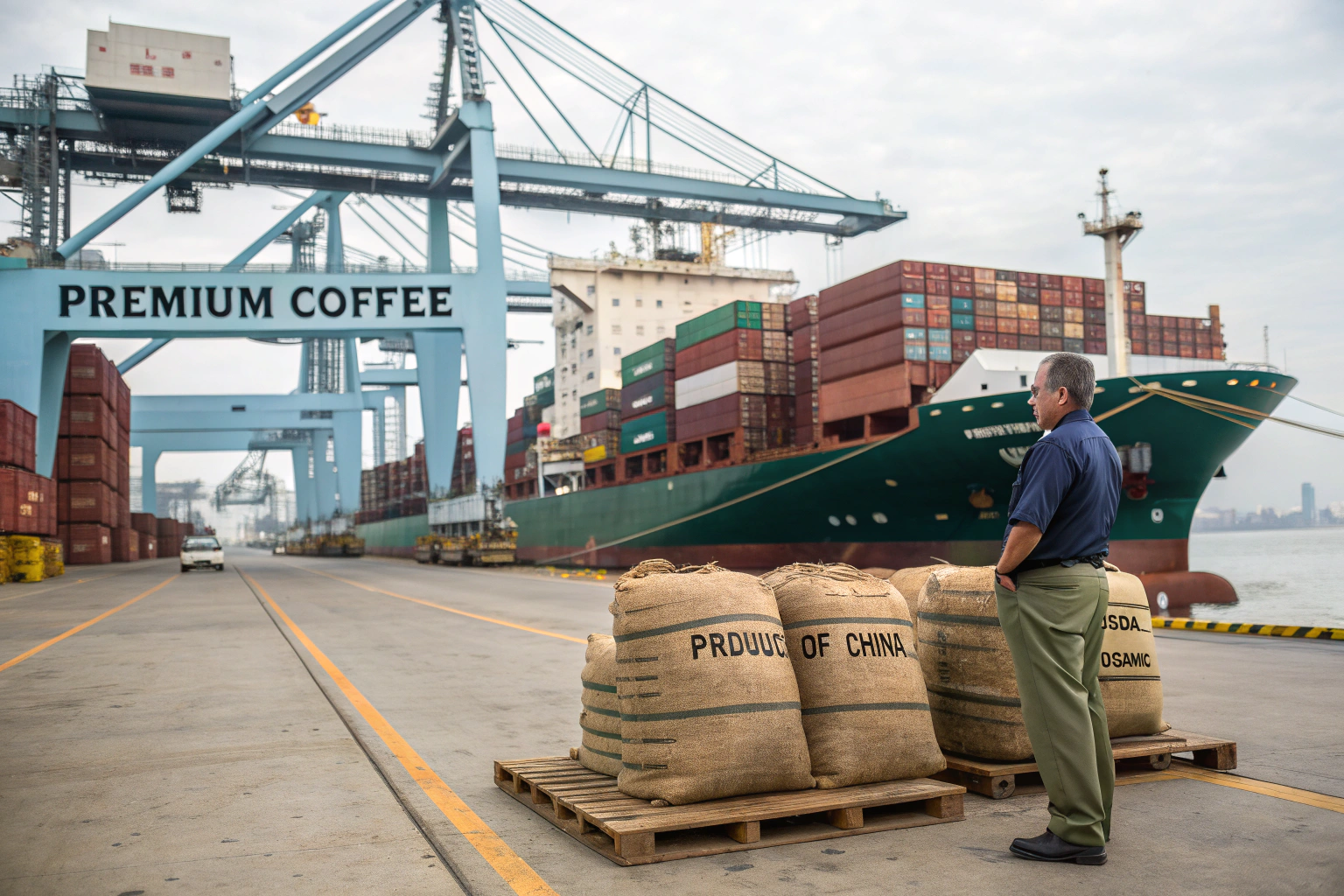
Look, I’ve been in your shoes—staring at a screen, trying to figure out if a container of green beans from Yunnan will actually clear US customs without a nightmare of fees and delays. You find a supplier with a solid price, decent samples, and then the doubt creeps in. Will it get stuck? Will hidden tariffs eat my margin? That anxiety, that feeling you’re missing a critical piece of the puzzle, is exactly what keeps buyers like you up at night. The rules feel like a moving target, and one mistake can cost you a season’s profit.
The core truth is this: the United States has almost zero tariffs on raw green coffee beans, but the real gatekeepers are the FDA and USDA regulations on food safety, pests, and cleanliness. Get those right, and you’re golden. Mess up the paperwork or the phytosanitary standards, and your shipment is as good as rejected.
So, what I want to do here is walk you through this. Not as some abstract consultant, but as a grower and exporter from China, from my company BeanofCoffee. I’ve spent years shipping our Yunnan Catimor and Arabica to the States. I know the knots you need to untie. We’re not just talking theory; we’re talking about what happens on the dock, in the warehouse, and on your balance sheet. Let’s break down the exact steps so you can source with confidence.
How Can US Buyers Ensure Green Coffee Quality from China?
The first question I always get from a client like you, Ron, isn’t about paperwork. It’s about trust. "These beans are traveling 7,000 miles. How do I know they won’t arrive looking like a bag of dirt and twigs?" It’s a fair question. The fear of opening a container and finding mold, insect damage, or inconsistent screen sizes is very real. That kind of discovery doesn't just ruin a batch; it damages your brand’s reputation with roasters.
The way we solve this—and the way any serious US buyer should solve it—is by turning that invisible process across the ocean into a transparent, data-driven chain of evidence, long before the coffee hits the ship.
What does that actually look like on the ground? It’s a mix of hard standards and constant communication. You cannot just hope for the best.
How do moisture and density specs keep a container safe at sea?
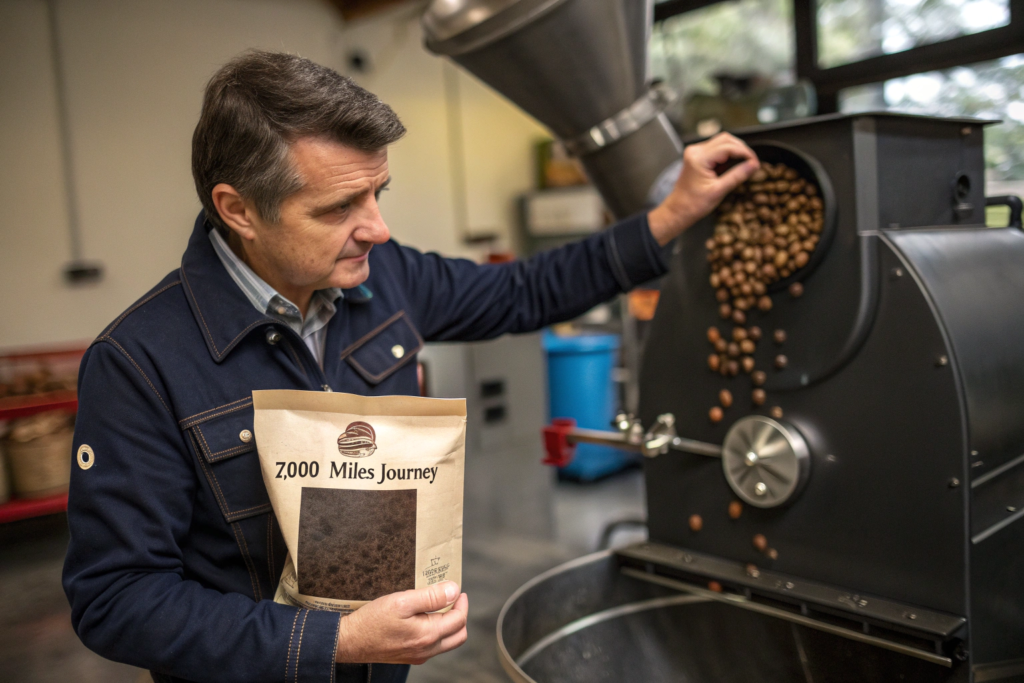
You know, a lot of new buyers laser-focus on price per pound and forget that water activity is the real enemy during transit. We test our beans after processing at our Baoshan facility using a calibrated moisture meter. For our export-grade Arabica beans, we target a moisture content between 10.5% and 11.5%. Why? If it’s higher, say 13%, and that container sits in a hot zone near the equator for two weeks, you’ve just created a sauna. Mold grows. The cup flavor turns flat and woody. On the flip side, if the beans are too dry, below 9%, the seed coat becomes brittle and the cup loses its vibrancy. Density matters just as much. We use a density sorter to ensure our beans are heavy and well-developed. A bean with high density, typically a hard bean grown at our higher altitudes in Yunnan, handles the pressure changes and rough handling of ocean freight much better than a soft, low-density bean. We share these spec sheets with you before the container seals, so it’s not a mystery.
What's the exact protocol when a sample lands in a US cupping lab?
When your sample lands at your lab, don’t just cut the bag open and smell it. There’s a systematic approach. First, take a representative sample using a trier from multiple spots in the sack. Let the beans rest for a day to acclimate to your ambient temperature and humidity. Then, roast that sample with a standardized profile. Over at BeanofCoffee, we ship with our own roast sample from that very lot, but a smart buyer like you confirms it independently. The next morning, you do a blind cupping. You’re not just checking for the "Yunnan signature" of caramel and nutty notes. You’re checking for uniformity. You’re checking for a clean finish. Honestly, a tiny detail: if you detect even a hint of a ferment or phenol note, that’s a red flag for storage conditions at our end, and you should request a re-test immediately. Do not pass a lot with a "slight baggy" taste—it will not age well at your warehouse.
How to Save on Logistics When Shipping Coffee from China to the US?
You mentioned timeliness and price, Ron, and I get it. The difference between a comfortable margin and a loss often sits right there in the logistics costs. People think the price of the bean is the main event. But for us, importing from China, the real chess game is played with shipping lines, tariffs, and that slow, painful crawl through US Customs at the port. If you nail the logistics strategy, you don’t just cut costs—you buy certainty. You know exactly when your roaster can schedule their production. That’s worth a lot.
Is it better to book FOB or CIF when importing from Yunnan right now?
Another way to look at this is: who controls the freight, and who bears the risk? I usually advise new clients to start with CIF, even though it looks more expensive on the invoice. With CIF, I, as the seller, arrange the vessel and the insurance until it hits your chosen US port. You don’t have to sweat finding a freight forwarder who knows the Kunming logistics corridor. I manage the tricky inland trucking from Baoshan to the main port, which can be a bottleneck. But. There’s a flip side. A sharp, high-volume buyer like you might eventually prefer FOB. Once you build a relationship with a US-based freight forwarder who offers a better contract rate for the trans-Pacific leg than what I can get, you take control at origin. What’s a detail often overlooked? Negotiate "FOB with an extendable booking clause." Sometimes, Yunnan’s weather delays trucking, and you want the flexibility to push your container to the next vessel without a massive cancellation fee. A simple thing, but it saves cash.
How can small coffee importers consolidate shipments to lower freight rates?
So, what if you don’t fill a whole 20-foot container? Don't ship a less-than-container load (LCL) and pay a premium. A smarter move for many small roasters is consolidation. I’ve seen US buying groups form just for this. You and two other small roasting companies buy a mixed container. You take 100 bags of washed Arabica, your colleague takes 80 bags of natural Catimor, and another takes 70. We pack and palletize your lots separately at our facility, tagging each with a distinct mark. You receive one container, but pay one ocean freight charge, split three ways. The trick is to find a consolidator you can trust to repalletize if needed, or better, work directly with a company like BeanofCoffee that offers this split-container packing directly from our own dry mill. This way, we ensure that those high-quality green beans for your single-origin offering never get mixed up with another client’s commodity-grade lot. The per-bag freight cost drops dramatically.
What Are the Key US Certifications for Chinese Coffee Beans?
You know this already, but it’s worth saying plain: certifications are not just wall decorations. They are a powerful shortcut to a higher price point and a deeper trust with your audience. But they can also be a trap. Some certificates are a must-have just to get you through the FDA’s Prior Notice screen. Others are a marketing goldmine that lets your retail price jump by 30%. The key is knowing which ones provide real value for green coffee coming specifically from China, and which ones just burn money on an auditor’s travel expenses.
Which third-party certification truly matters for a premium US audience?
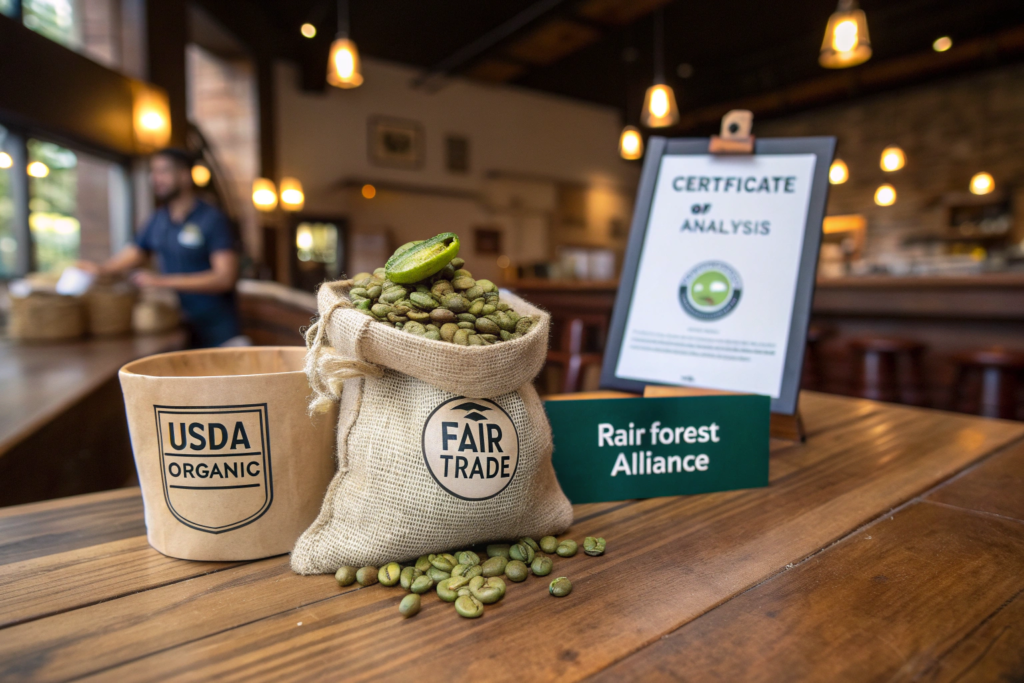
Honestly, the answer depends completely on your shelf. If you’re fighting for a spot in a mid-tier grocery chain, a generic Fair Trade logo helps. But I’ve found that with the specialty, high-end client in the US, it's the Rainforest Alliance certification that really moves the needle. Why? It’s specific. It carries a story about biodiversity and farm management, which fits our high-altitude Yunnan farms perfectly. We’re not just growing coffee here in Baoshan; we’re growing it under a canopy, protecting water sources. That’s a tangible story for a roaster. Another one to seriously consider for our region is the USDA Organic certification. Getting organic certified in Yunnan is tough, rigorous, but the premium is substantial. One thing we’ve noticed: a certificate of origin from the local Chamber of Commerce in Yunnan is mandatory for tariff advantages, but it's the combo pack—Rainforest Alliance plus a direct-trade audit—that makes a US roaster’s marketing team genuinely happy. It gives them beautiful assets to share.
How do I verify a Chinese supplier's food safety compliance for real?
Don’t trust a PDF. I’m a supplier, and I’m telling you: verify, verify, verify. You, as Ron, should ask for the Foreign Supplier Verification Program number, but that’s just the start. Push deeper. Ask us for the results of the last three mycotoxin tests done by a third-party lab like Eurofins or SGS, not our in-house quick strip test. We send samples to SGS annually and share the full report, not just the cover page. Look at the specific numbers for Ochratoxin A and Aflatoxin. The EU and Japan can be stricter than the US on this, but a clean bill from an ISO 17025 lab tells you the supply chain is honest. Another practical step: hire a China-based inspection service yourself. Have them visit our dry mill unannounced. I welcome that. It’s a one-day check that costs a few hundred dollars and can save a $30,000 container deal. They’ll look at our magnets, our density tables, our warehouse cleanliness. They’ll see we aren’t just polishing a reject pile for you. That physical verification is worth more than any paper certificate.
What Are the Top Payment Terms to Secure a Coffee Deal with China?
So, we get to the part that makes everyone’s pulse quicken—the money. You’re a savvy business owner, Ron, and you’re right to focus here. Wiring a big deposit to a supplier on the other side of the world based on a few photos and a sample bag takes guts. The feeling of exposure is real. I’ve seen deals fall apart simply because the seller and buyer couldn’t find a payment structure that made both sides feel safe. The good news? There are established, mature ways to handle this so you’re never the one carrying all the risk, and I’m not financing your business out of pocket either.
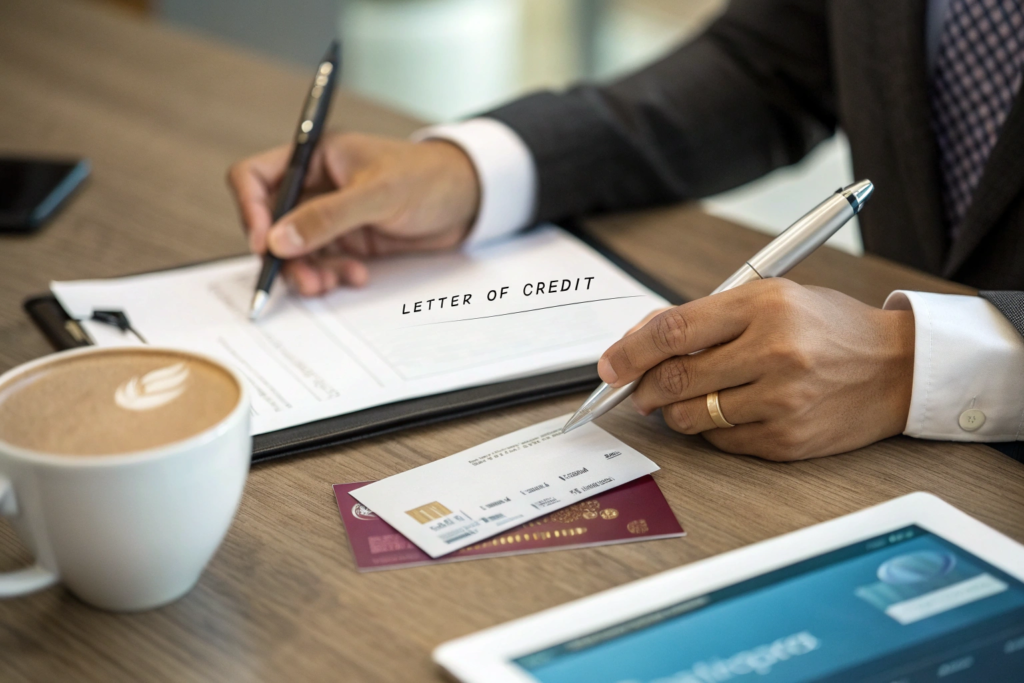
Should a first-time green coffee buyer use T/T payment or an L/C?
Another way to look at this is the balance of trust and time. Most of my regulars eventually move to a simple T/T, say 30% deposit and 70% against a scanned copy of the bill of lading. It’s fast, the bank fees are low. But. The keyword for a first-timer is “irrevocable.” You need a payment tool that is independent of my promise. A Letter of Credit (L/C) at sight is the gold standard for a first deal. You open an L/C with your bank, and my bank guarantees the payment only when we present perfectly compliant shipping documents. It forces everything to be exact. Is the description "Yunnan Arabica Grade 1" exactly? Is the bill of lading marked "Clean on Board"? One discrepancy, and I don’t get paid. It’s a hassle, yes. The paperwork is like doing taxes. But it protects your deposit. A small note from my experience: even with an L/C, never skip the pre-shipment inspection. The L/C looks at documents, not beans, and a dirty document set can pass while a dirty container gets loaded, so you still need those boots on the ground.
How can US importers use escrow or trade assurance to test a new supplier?
For sampling orders or your first small pallet, I honestly think a Letter of Credit is overkill. The bank fees will eat your profit. This is where platforms like Alibaba’s Trade Assurance shine. When you work with BeanofCoffee through a platform that supports escrow, you’re adding a layer of third-party arbitration. The terms are simple: the shipment must meet the product specs agreed upon, and it must ship by a specific date. If those conditions fail, your money comes back. What’s the catch? Don’t just fill in "Good Quality" in the contract. You need to be hyper-specific. We upload a lab analysis referencing a specific lot number, a detailed moisture spec, and the agreed shipping date into the Trade Assurance order itself. That platform contract becomes the referee. For a $5,000 sample purchase, this gives you 100% confidence. It’s a cheaper way to see if our Yunnan supply chain is steady before you commit to a $100,000 L/C-based container program. A practical step: I often propose a hybrid. We start with Trade Assurance for the first two micro-lots, and then once that trust bridge is built, we switch to a direct, lower-cost T/T arrangement for your annual volume.
Conclusion
We’ve walked through a lot of ground here, from the moment a bean sample hits your cupping table in America, back through the complex logistics maze, the hard truths about certification audits, and right up to the critical moment where you actually send the money. It’s a chain, and as you can see, a weak link in any one of these areas—misreading a moisture report, choosing the wrong Incoterm, or blindly trusting a lab result—can stop a great product dead in its tracks. But here’s the other side of it: when all these pieces click, shipping direct from Yunnan to the US is not just workable, it’s a genuine strategic advantage. You get a stable supply, a unique origin story, and a price point that your competitors often can't touch.
If you’re looking at your sourcing map and thinking it’s time to de-risk or explore what a truly direct relationship with a large-scale Yunnan grower looks like, let’s talk specifics. Not a sales pitch, just a conversation about your volume, your quality ceiling, and your timeline. Reach out directly to me here at BeanofCoffee. You can email our team at cathy@beanofcoffee.com, and we’ll get you a breakdown of current stock, shipping windows, and samples within the week.