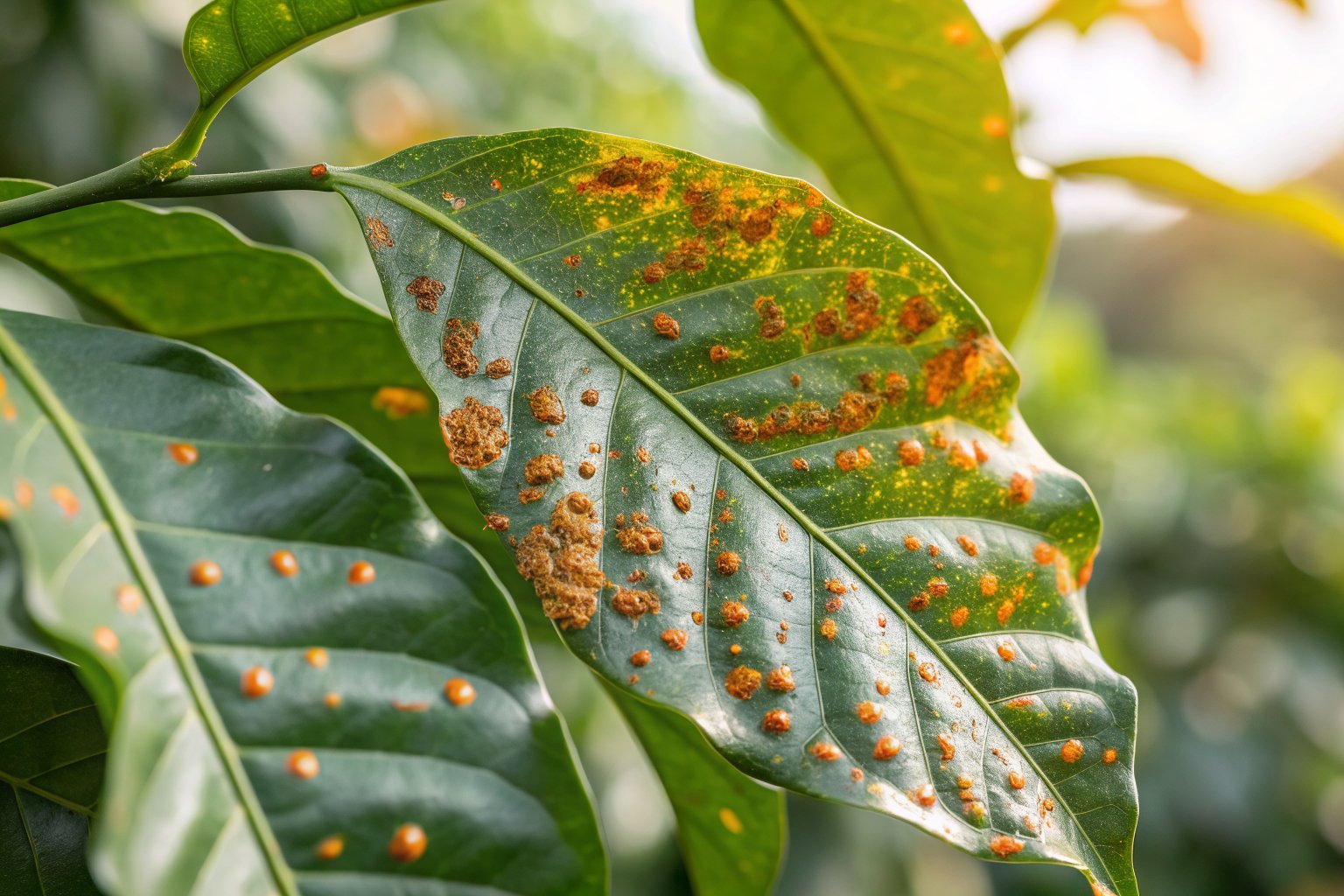
A buyer from a Scandinavian roastery asked me for the latest coffee leaf rust report from Yunnan before placing his annual contract. He had been burned before — a supplier in Central America sold him coffee from a farm hit by rust, and the cup quality was terrible. Leaf rust is the most serious disease threatening Arabica coffee worldwide, and Yunnan is not immune. Understanding how to read a rust report helps you evaluate the risk of buying from a specific region or supplier. Let me walk you through what the reports mean and how to use them.
What Is Coffee Leaf Rust and Why Should Buyers Care?
Coffee leaf rust is a fungal disease caused by Hemileia vastatrix. It attacks the leaves of the coffee plant, causing them to drop prematurely. When a plant loses its leaves, it cannot photosynthesize effectively, which reduces the next season's cherry production and can permanently weaken the tree. For buyers, rust infection in a source region means reduced supply, higher prices, and potentially lower quality from stressed trees.
How Does Leaf Rust Affect Coffee Quality and Price?
Coffee from rust-affected farms often has a thinner body and less acidity. The stressed plant produces fewer sugars and flavor precursors. In severe outbreaks, farmers may harvest cherries prematurely to salvage some value before the tree dies, which further reduces quality. The price premium for coffee from rust-free regions can be 20 to 40 cents per pound. The World Coffee Research rust impact study found that coffee from farms with rust infection rates above 30 percent scored an average of 2.5 points lower on SCA cupping than coffee from the same region with rust rates below 10 percent. At Shanghai Fumao, we monitor rust levels across our partner farms and divert any lots from affected areas to commercial-grade channels.
Is Yunnan at High Risk for Coffee Leaf Rust?
Yunnan has a lower rust risk than Central America or Colombia because of two factors. First, the dominant variety in Yunnan is Catimor, which has natural rust resistance bred into it from the Robusta parent. Second, Yunnan's pronounced dry season from December to April limits the spread of rust spores, which require moisture to germinate. The International Coffee Organization's regional rust risk assessment rates Yunnan as low to moderate risk, compared to high risk for Central America and moderate to high risk for Colombia. The rust incidence in Yunnan is typically 5 to 15 percent, compared to 30 to 60 percent in the worst-affected Central American regions.
How Do You Read a Coffee Leaf Rust Report?
Rust reports follow a standardized format that provides actionable information if you know how to interpret it.
What Are the Key Data Points in a Rust Report?
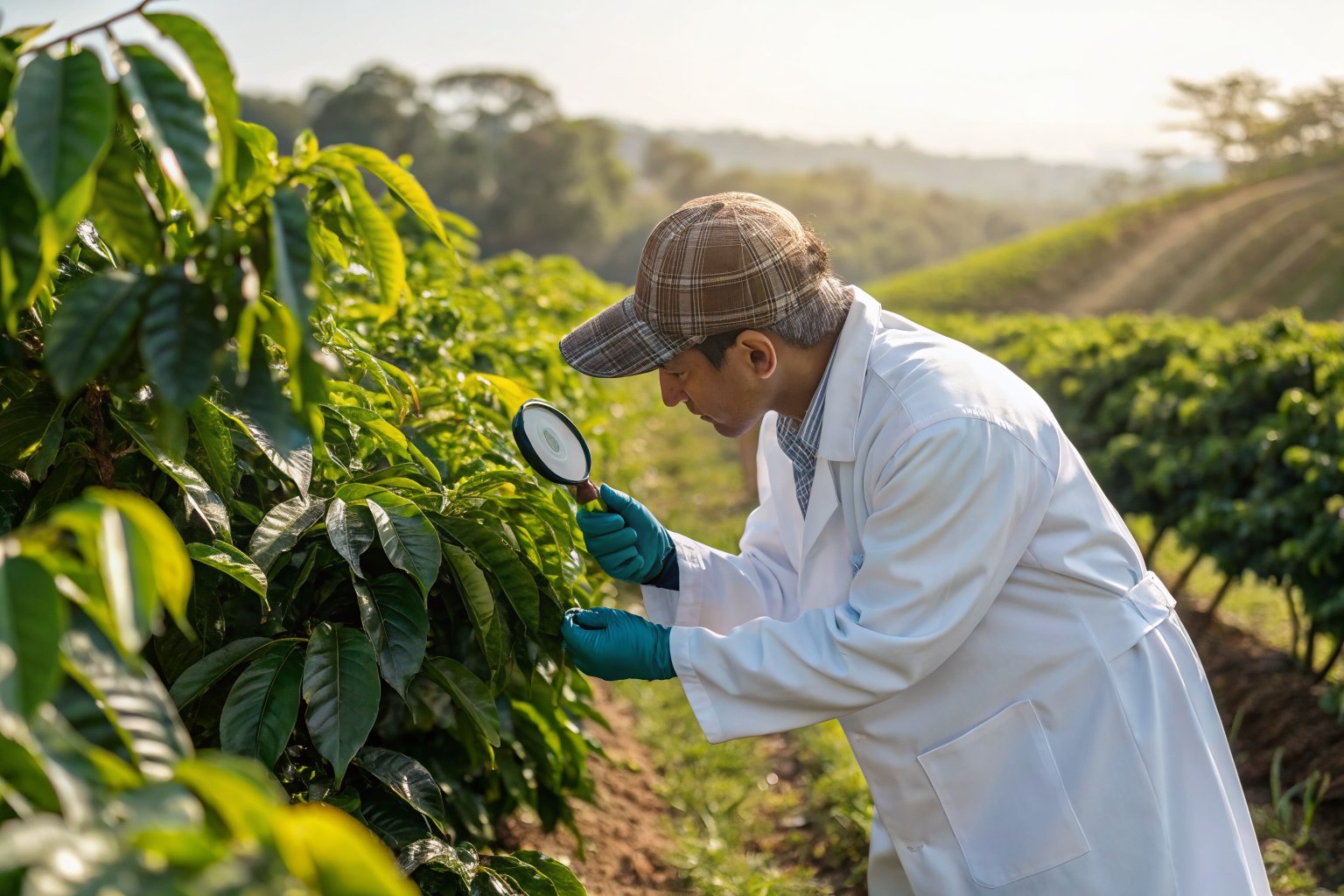
The most important number is the incidence rate — the percentage of leaves showing rust symptoms. Below 10 percent is considered low. Ten to 30 percent is moderate. Above 30 percent is severe and will significantly affect the next harvest. The report should also include the severity score, which measures how much of each infected leaf is covered by rust pustules, and the date of the survey. The Coffee Quality Institute's rust reporting standard requires that surveys be conducted during the peak rust season, which is typically October to December in Yunnan. A report from outside this window may understate the true infection level. At Shanghai Fumao, we conduct monthly rust surveys from September through January and share the data with buyers who request it.
How Do You Interpret Rust Reports from Different Regions?
Compare the rust report to the historical baseline for that region. A 15 percent rust incidence in Yunnan is normal. The same number in Guatemala would be a cause for concern because the historical baseline there is lower due to different growing conditions. Always ask for the multi-year trend, not just the current season's number. The Specialty Coffee Association's rust report interpretation guide recommends requesting at least three years of rust data to establish a meaningful trend. A region with rising rust incidence over three years is at risk of a severe outbreak, while stable or declining incidence indicates good disease management.
How Do You Assess a Supplier's Rust Management Program?
The presence of rust does not automatically mean poor quality. What matters is how the farm manages the disease.
What Rust Management Practices Indicate a Quality-Conscious Supplier?
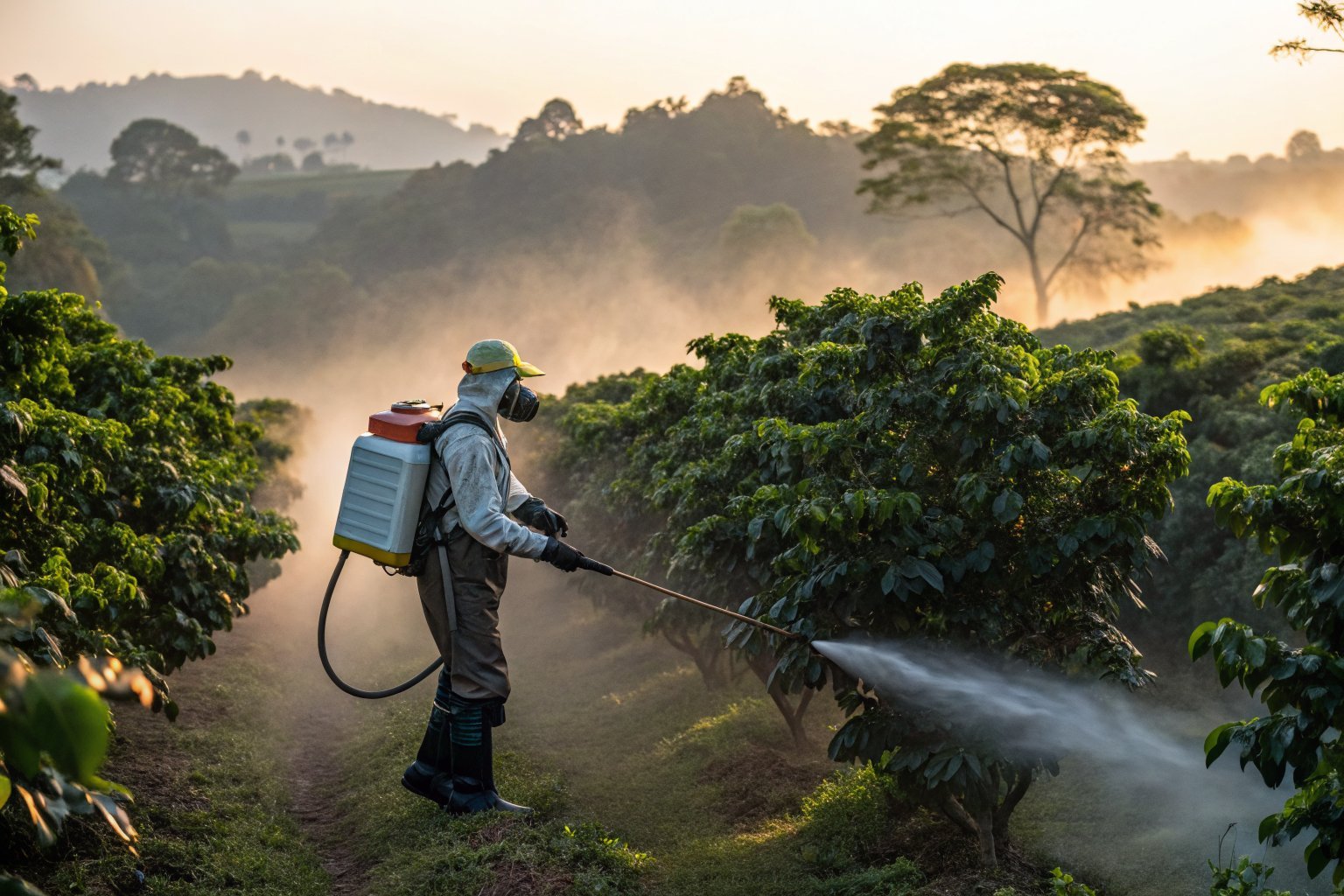
The best indicator is the use of rust-resistant varieties like Catimir, Sarchimor, or Castillo. The second indicator is a documented fungicide spraying program with the number of applications per season and the products used. The third indicator is the presence of shade trees — shade reduces rust severity by limiting leaf wetness duration. The World Coffee Research rust management best practices recommend that farms in moderate-risk regions apply fungicide 4 to 6 times per season, alternating between systemic and contact fungicides to prevent resistance. At Shanghai Fumao, our partner farms use Catimor varieties that require only 2 to 3 fungicide applications per season, reducing both costs and chemical usage.
What Are the Red Flags in a Supplier's Rust Report?
Red flags include a sudden spike in rust incidence from the previous year without a corresponding increase in fungicide applications. Another red flag is a rust report that covers the entire farm as a single data point — rust is rarely uniform across a farm, and the report should break down incidence by elevation block. A third red flag is the absence of any rust data at all. A professional coffee supplier in any origin should be monitoring rust and able to provide the data. If a supplier cannot provide a basic rust report, it suggests they are not managing disease proactively.
How Do You Use Rust Data to Guide Your Buying Decisions?
Rust data is one of several factors that should inform your sourcing decisions, alongside cupping scores, physical quality, and price.

Should You Avoid Regions with High Rust Incidence?
Not necessarily. High rust incidence does not automatically mean poor quality. Well-managed farms in high-rust regions can produce excellent coffee by using resistant varieties, aggressive fungicide programs, and selective harvesting. The key is knowing which farms manage rust well and which do not. The Green Coffee Association's rust-based sourcing guide recommends that buyers maintain relationships with multiple suppliers in different rust-risk zones. If one region has a severe outbreak, you can shift volume to another region without disrupting your supply chain.
How Do You Contract for Rust Risk?
Include a rust clause in your supply contract that allows for quality testing and potential rejection if the coffee shows signs of rust stress in the cup. The clause should specify that coffee from farms with rust incidence above 30 percent in the previous season is subject to additional cupping evaluation before acceptance. At Shanghai Fumao, we are happy to include rust data and quality guarantees in our contracts. Our Yunnan Catimor is naturally rust-resistant, and our rust incidence rates are consistently below 15 percent. For buyers who need certainty, we can provide rust survey data for every lot.
Conclusion
Coffee leaf rust is a serious threat to Arabica production globally, but Yunnan's risk is lower due to Catimor's natural resistance and the dry winter season. A rust report with incidence below 10 percent is excellent, 10 to 30 percent is moderate and manageable, and above 30 percent requires careful evaluation. Assess your supplier's rust management program — resistant varieties, fungicide applications, and shade management — and include rust-related clauses in your supply contracts. At BeanofCoffee, we monitor rust levels across all our partner farms and share the data transparently with buyers. Our naturally rust-resistant Catimor gives you confidence that your supply will be stable regardless of regional disease pressure. Contact Person: Cathy Cai Email: cathy@beanofcoffee.com Website: https://beanofcoffee.com/