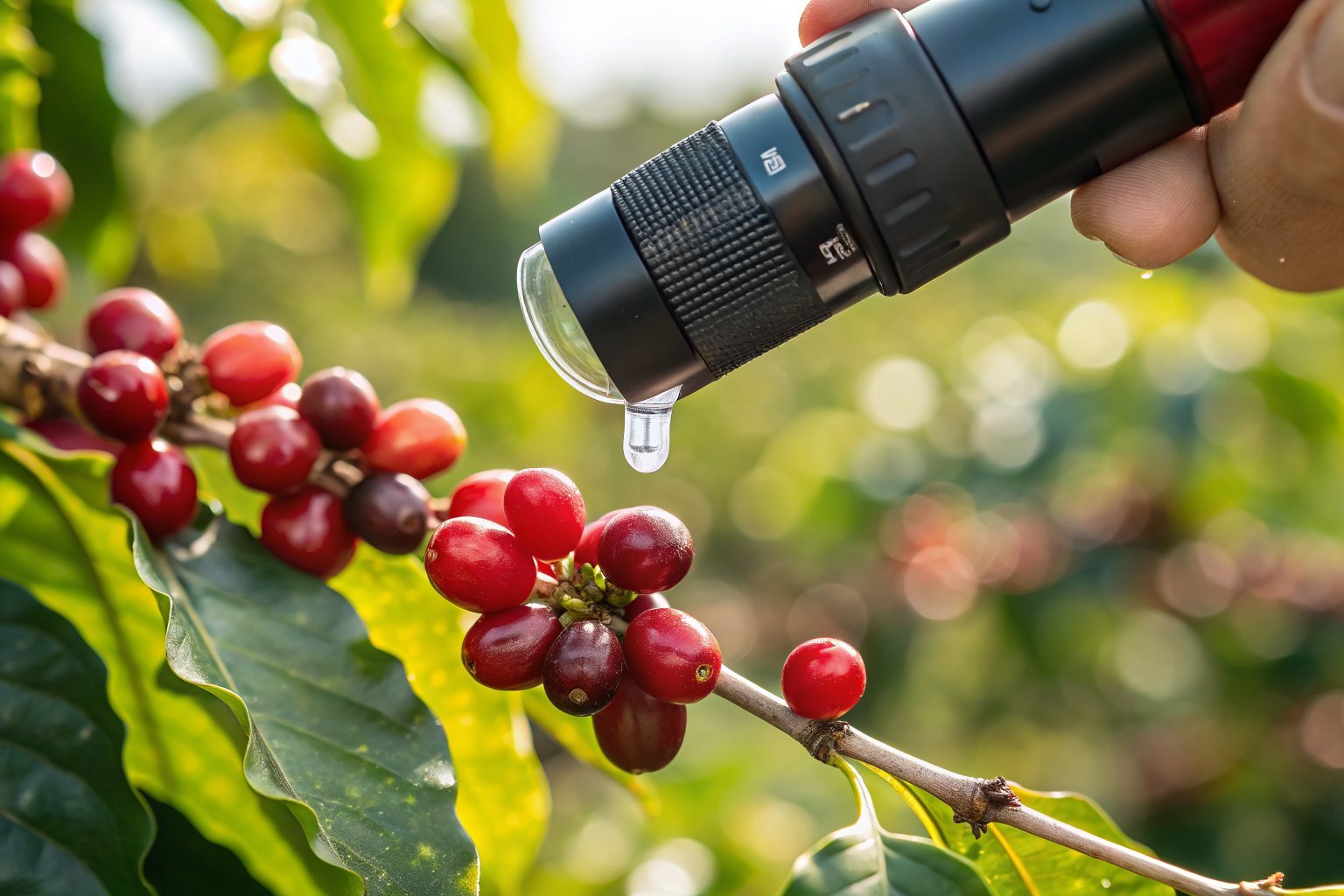
A buyer from a Japanese specialty roaster visited our Yunnan plantation during harvest season last year. He walked into the field with a handheld refractometer and started testing cherry after cherry. The farm manager was confused. The Japanese buyer explained that he only wanted cherries with a Brix reading above 22 percent — anything below that, he said, would not produce the cup quality he expected. The Brix level of coffee cherry juice at harvest is one of the most reliable predictors of final cup quality. If you are serious about sourcing exceptional coffee, understanding Brix levels helps you select the best lots before they are even processed. Let me walk you through the numbers.
What Is Brix and Why Does It Matter for Coffee Quality?
Brix is a measure of the sugar content in a liquid, expressed as degrees Brix. One degree Brix equals 1 gram of sucrose per 100 grams of solution. In coffee cherries, the Brix reading reflects the concentration of sugars — primarily sucrose, glucose, and fructose — that will become the raw material for flavor development during roasting.
How Does Brix Correlate with Final Cup Quality?
The correlation between cherry Brix at harvest and final cupping score is one of the strongest in coffee quality science. Higher Brix means more sugar in the cherry, which means more material for the Maillard reaction and caramelization during roasting. Coffee from high-Brix cherries consistently scores higher on sweetness, body, and overall flavor. The World Coffee Research Brix-quality study analyzed over 1,000 coffee samples across 12 origins. The correlation between cherry Brix at harvest and cupping score was 0.74, which is higher than the correlation with altitude, variety, or processing method individually. For every 1 degree Brix increase above 18 percent, the average cupping score rose by 1.8 points.
What Is the Target Brix Range for Specialty Arabica?
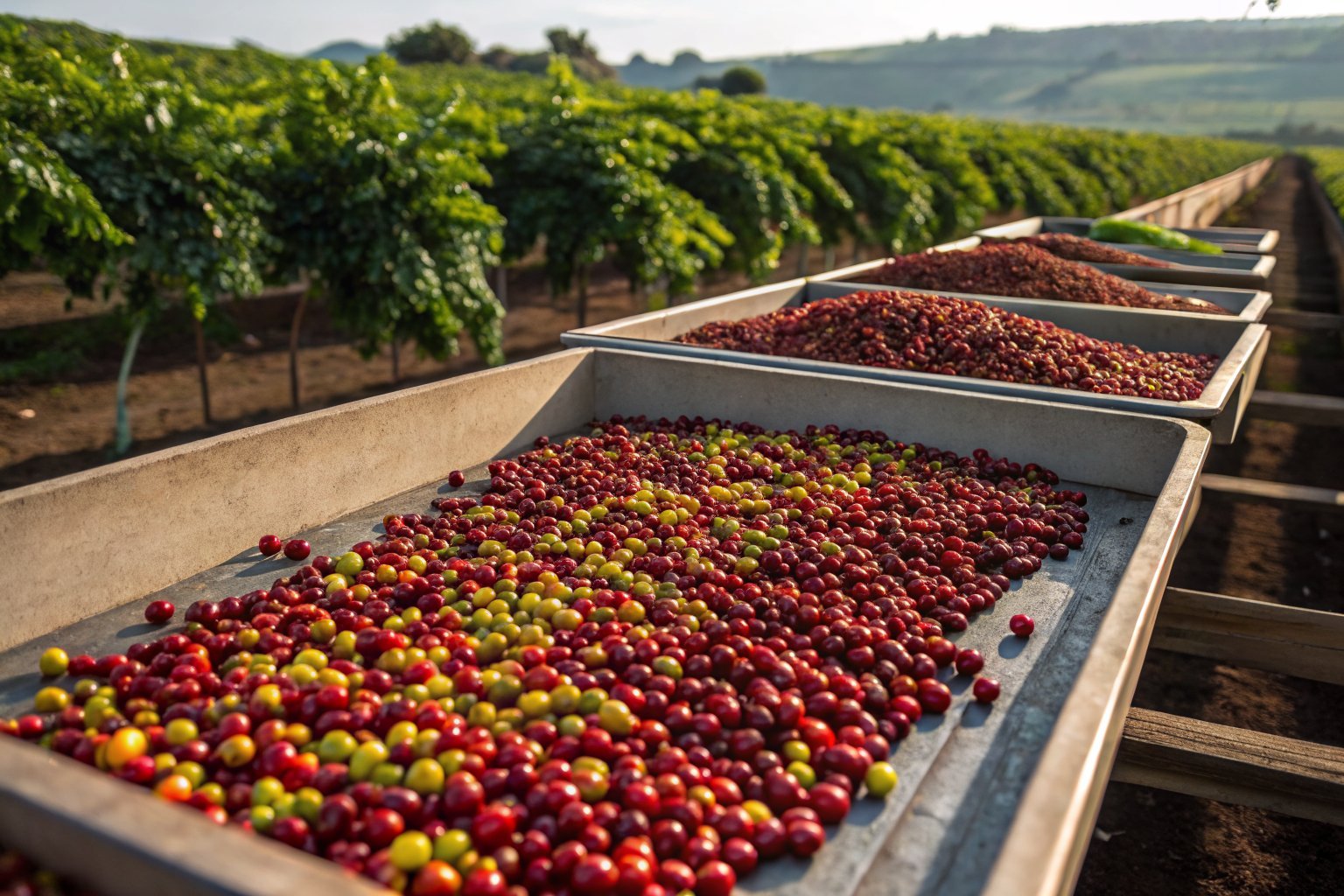
The target Brix range for fully ripe specialty-grade Arabica cherries is 20 to 24 percent. Cherries below 18 percent Brix are underripe and will produce beans with low sugar content and high Quaker risk. Cherries above 24 percent are exceptionally ripe and produce the highest quality coffee, but they are also more susceptible to over-fermentation during processing. At Shanghai Fumao, we target 21 to 23 percent Brix for our specialty-grade lots. Our high-grown Yunnan Catimor averages 21.5 percent at peak ripeness. We refuse to harvest any block where the average Brix is below 19 percent, regardless of how red the cherries look.
How Do You Measure Brix in the Field?
Measuring Brix in coffee cherries is simple if you have the right equipment and follow a consistent protocol.
What Equipment Do You Need for Field Brix Measurement?
You need a digital refractometer with a range of 0 to 32 percent Brix and an accuracy of plus or minus 0.2 percent. Analog refractometers work but are harder to read in bright outdoor light. A garlic press or small citrus press extracts juice from the cherry. You also need distilled water for calibration, a clean cloth, and a notebook. The Specialty Coffee Association's Brix measurement protocol recommends a digital refractometer with automatic temperature compensation, which costs 100 to 300 dollars. The ATC function is essential because field temperatures vary widely and Brix readings are temperature-dependent.
What Is the Correct Sampling Method for Reliable Results?
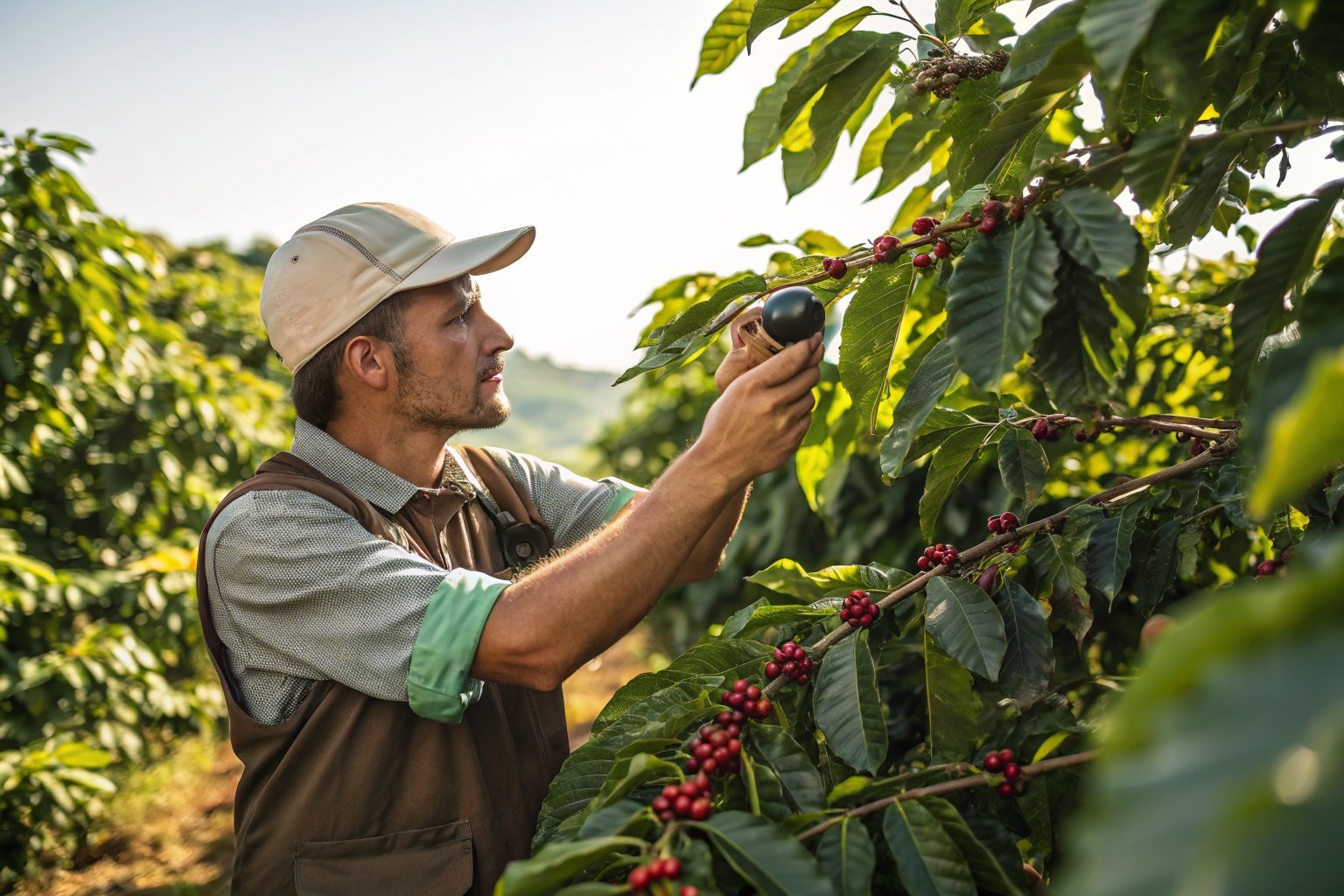
Sample at least 50 cherries from different trees within the same block. Pick only fully red cherries at the stage you would normally harvest. Squeeze a drop of juice from each cherry onto the refractometer prism and record the reading. Clean the prism between each sample. Average the readings from all 50 cherries to get the block average. The Coffee Quality Institute's field sampling protocol recommends sampling twice per week during the harvest window — once at the beginning of the harvest and again at peak ripeness. The Brix reading typically rises by 1 to 2 percent per week as the cherry ripens. Stop harvesting in any block where the Brix is not rising week over week, as this indicates the cherries have reached maximum ripeness.
How Does Brix Vary by Variety and Growing Conditions?
Not all coffee varieties achieve the same Brix level, even under identical growing conditions. Understanding these differences helps you set realistic expectations.
Which Varieties Naturally Achieve Higher Brix?
In general, Typica and Bourbon varieties achieve 1 to 2 points higher Brix than Catimor and Caturra at the same altitude. Ethiopian heirloom varieties are at the high end, often reaching 23 to 25 percent Brix. Catimor, which is the dominant variety in Yunnan, typically peaks at 20 to 22 percent Brix. The Coffee Quality Institute's variety Brix database provides reference ranges for 30 common Arabica varieties. At Shanghai Fumao, we accept that our Catimor will not reach the Brix levels of Ethiopian heirloom varieties. But our high-grown Catimor at 21.5 percent Brix produces a clean, sweet cup that buyers consistently score at 84 to 86 points.
Does Altitude Affect Brix Levels?
Yes, and the effect is significant. Every 300 meters of elevation gain above 1,000 meters increases the peak Brix by approximately 0.5 to 1.0 percent. A farm at 1,600 meters will typically achieve 1.5 to 2.0 points higher Brix than the same variety at 900 meters. The World Coffee Research altitude-Brix correlation found that altitude explains approximately 25 percent of the Brix variation between farms of the same variety. This is one of the reasons why high-altitude coffee consistently scores higher in cupping.
How Do You Use Brix Data in Your Sourcing Decisions?
Brix data is most useful when combined with other quality indicators and tracked across seasons.
What Brix Threshold Should You Use for Supplier Selection?
Set a minimum Brix threshold for every origin and variety you buy. For Catimor, a reasonable minimum is 20 percent average Brix at harvest. For Typica and Bourbon, set the threshold at 21 percent. If a supplier consistently delivers coffee below these thresholds, the coffee will likely underperform in the cup regardless of how well it is processed. The Green Coffee Association's Brix-based supplier evaluation recommends requesting Brix data from suppliers for the past three harvests before committing to a long-term contract. A supplier who measures and tracks Brix is a supplier who understands quality at the farm level.
How Do You Track Brix Trends Across Seasons and Farms?
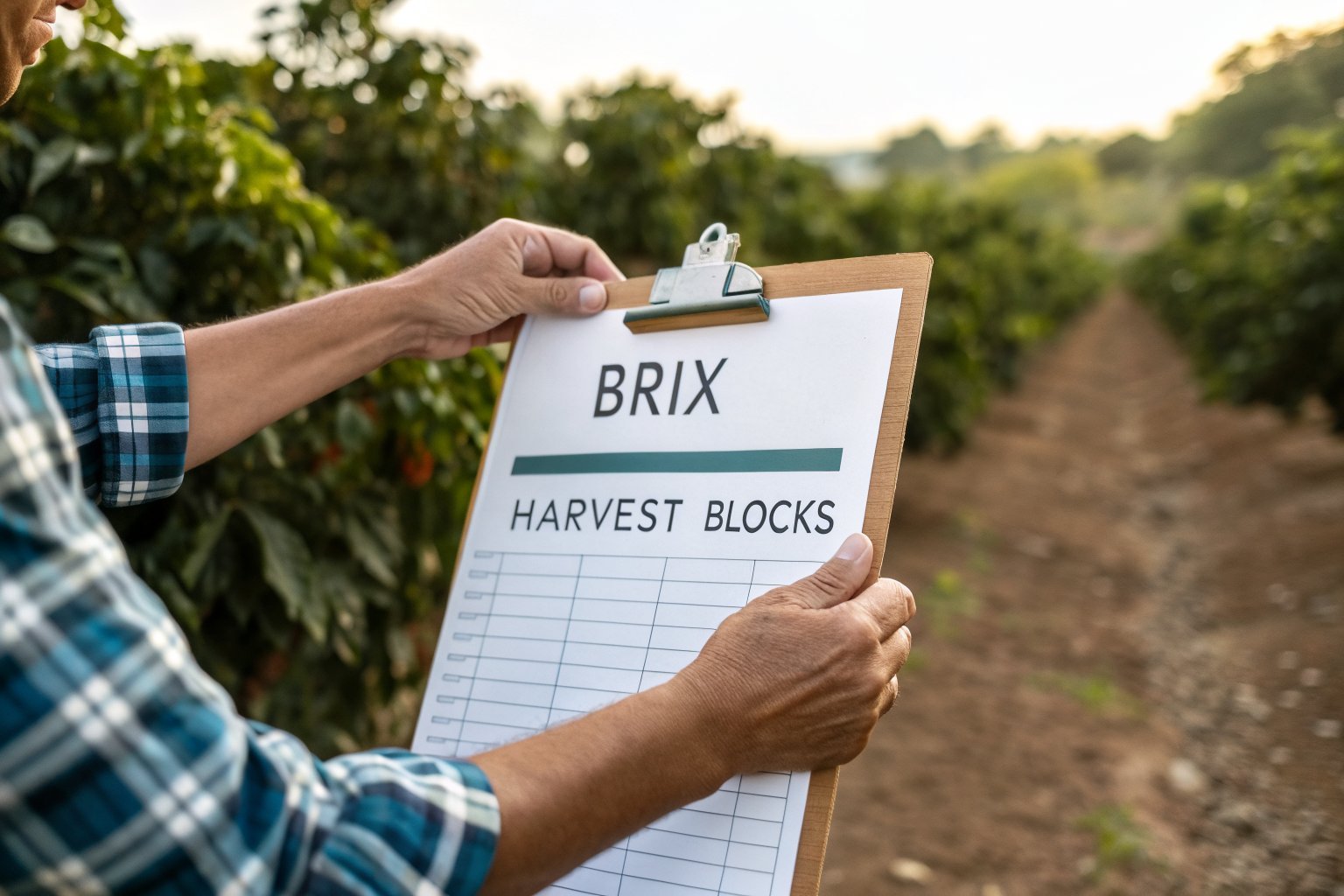
Create a simple database that records the average Brix from every farm you source from, along with the altitude, variety, and processing method. After three seasons, you will have a predictive model that tells you which farms consistently produce high-Brix coffee and which do not. At Shanghai Fumao, we track Brix for every block on every partner farm. The data helps us identify which blocks should be harvested first, which blocks need more time to ripen, and which farms are losing soil quality based on declining Brix trends.
Conclusion
Brix is the single best predictor of coffee cherry quality at harvest. The target range for specialty Arabica is 20 to 24 percent Brix, with Catimor peaking at 20 to 22 percent and Typica-Bourbon reaching 22 to 24 percent. Measure Brix with a digital refractometer using a 50-cherry sample, track the data across seasons, and use it to select suppliers who understand quality at the farm level. At BeanofCoffee, we measure Brix on every block before harvest and use the data to guide our picking schedule. When you buy from us, you can trust that the cherries were picked at their peak ripeness. Contact Person: Cathy Cai Email: cathy@beanofcoffee.com Website: https://beanofcoffee.com/