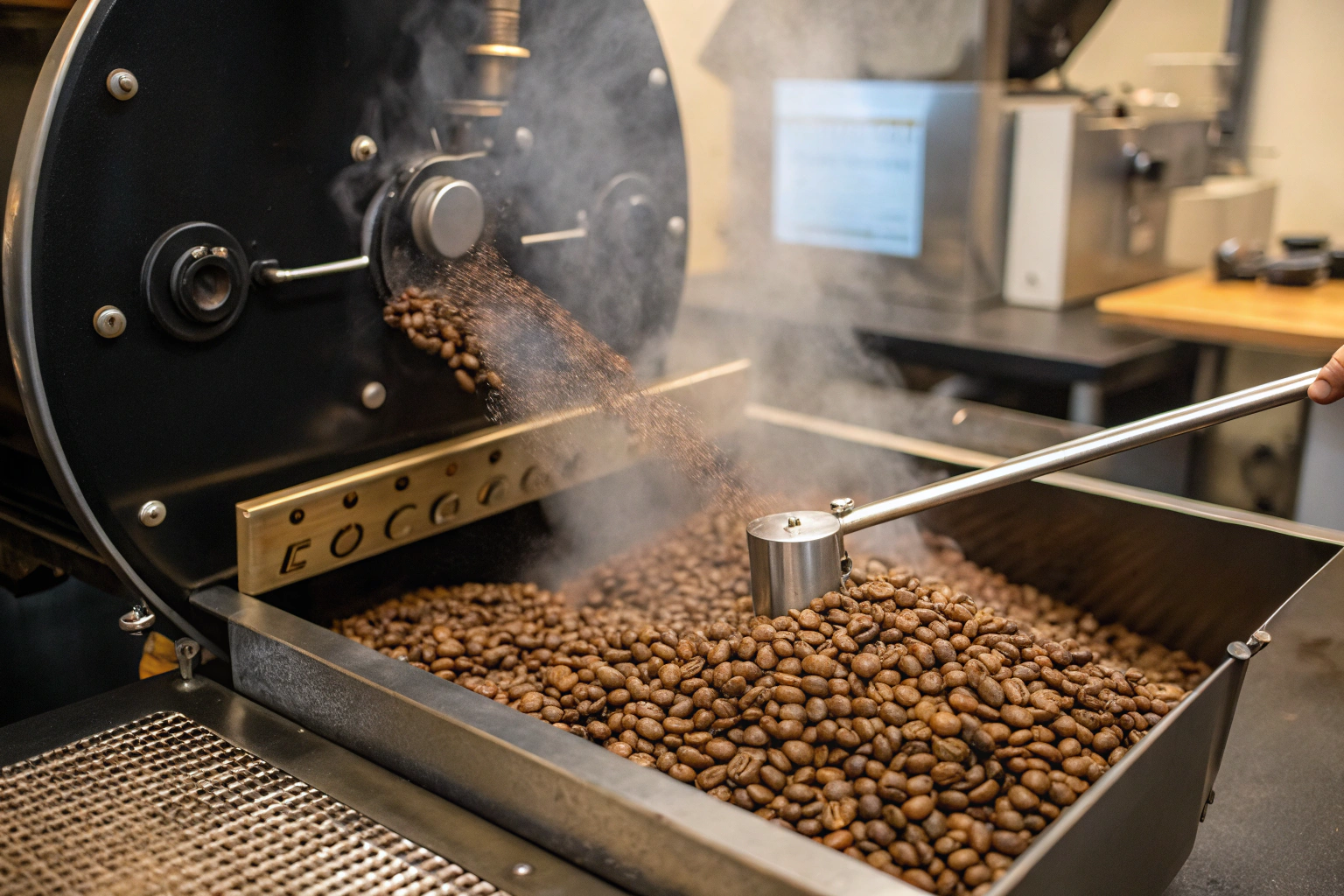
I used to be embarrassed by my Catimor. I'll admit it. For years, I treated it like a second-class citizen on my own farm. The Typica got the gentle handling, the careful fermentation, the prime drying beds. The Catimor got the standard commercial treatment. It was a volume play. A cash crop. Then, about five years ago, a roaster from Melbourne visited. He asked to cup my Catimor lots separately. I shrugged and poured the samples. He slurped. He paused. He looked at me over his glasses and said, "You're roasting this wrong. Not wrong in the cup, wrong in the drum. You're treating it like a fragile Arabica and it's not responding. It's tougher than that. It needs more heat, earlier. Stop babying it." He took a sample back to his roastery. A week later, he sent me a bag of my own Catimor, roasted his way. It tasted like dark chocolate, toasted hazelnut, and brown sugar. I almost didn't recognize it. The bean hadn't changed. The roast had.
To roast Yunnan Catimor for maximum flavor, you must respect its hybrid genetics. It is not a delicate Typica. It is not a harsh Robusta. It is a dense, hardy bean with a unique combination of high sugar content and thick cell walls, inherited from its Timor Hybrid lineage. The optimal roast profile requires a higher charge temperature to penetrate the dense bean structure, an aggressive heat application in the early drying phase to drive the Maillard reaction effectively, and a carefully managed development time after first crack to fully express its natural chocolate and nut flavors. The goal is not to mute the Catimor character, but to transform it into something rich, sweet, and remarkably smooth.
Catimor has a bad reputation in specialty circles. It's known for being earthy, astringent, and rough. But I've learned that reputation is often the result of poor farming, poor processing, and—critically—poor roasting. A well-grown, well-processed, and well-roasted Yunnan Catimor can be a revelation. Let me share what I've learned from my roaster partners around the world about how to unlock its potential.
What Is the Ideal Roast Profile for High-Density Catimor?
Catimor is not a typical Arabica. It's a hybrid with Robusta ancestry. This gives it a different physical structure. The beans are denser. The cell walls are thicker. The internal moisture is harder to drive out. If you apply the same gentle, slow-starting profile that works beautifully for a delicate washed Bourbon, you will under-develop the Catimor and end up with grassy, astringent, and earthy off-flavors.
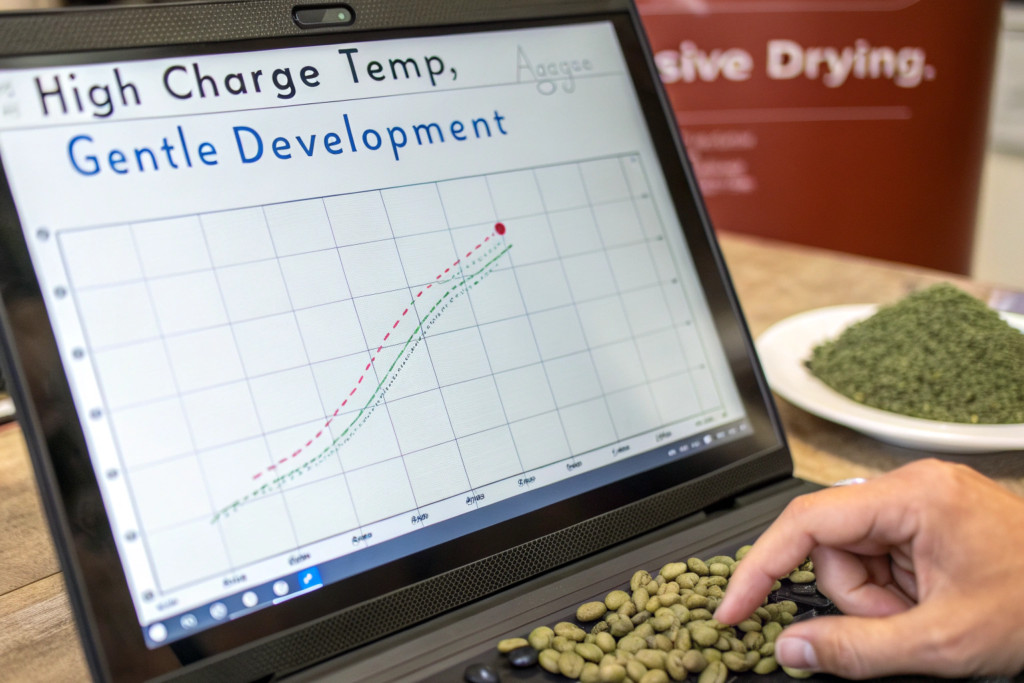
The ideal roast profile for high-density Yunnan Catimor begins with a significantly higher charge temperature than a pure Arabica—think 200°C to 210°C (392°F to 410°F) depending on your batch size. The drying phase should be aggressive but controlled, aiming to reach the yellowing point quickly without scorching the bean surface. The Maillard phase should be extended slightly to build body and chocolate notes. The development time after first crack should be generous—20% to 25% of the total roast time—to smooth out any remaining astringency. This is not a profile for light, filter-style acidity. It is a profile for body, sweetness, and deep, comforting flavors.
Why Does Catimor Need a Higher Charge Temperature?
The charge temperature is the temperature of the drum when you drop the green beans in. It determines how much thermal energy the beans absorb in the first critical seconds of the roast.
Catimor beans are dense. They have a compact cellular structure. If you drop them into a cool drum, the heat transfer is slow. The bean center remains cool while the surface warms up. This creates an uneven roast from the very beginning.
A higher charge temperature shocks the bean. It creates a rapid, uniform heat transfer that penetrates the dense structure. The moisture in the bean quickly turns to steam, expanding the cell walls from the inside. This sets the stage for even heat transfer throughout the rest of the roast.
I've seen roasters use charge temperatures of 215°C for high-grown Baoshan Catimor. It sounds extreme. But if the drum speed and airflow are managed correctly, the bean surface doesn't scorch. It just starts cooking, immediately and evenly.
How Should the Drying Phase Be Managed?
The drying phase, from charge to the yellowing point, is where moisture is driven off. For a delicate Arabica, a slow, gentle drying phase preserves volatile aromatics. For Catimor, a slow drying phase can trap moisture and create vegetal, grassy flavors.
An aggressive drying phase, with high initial heat and moderate airflow, pushes the moisture out quickly. This prevents the bean from "stewing" in its own moisture, which can create those unwanted earthy notes.
The goal is to reach the yellowing point, around 150°C bean temperature, in 4 to 5 minutes. This is faster than a typical specialty Arabica profile. Once the beans are yellow and the moisture is largely driven off, you can reduce the heat and ease into the Maillard phase. The key is to get through the drying phase with purpose, not to linger.
How Does Development Time Affect Catimor's Flavor?
Development time is the period after first crack. It's the phase where the sugars caramelize, the acids mellow, and the body builds. For Catimor, this is the phase that makes or breaks the cup. Under-develop it, and you get astringent, metallic, and vegetal notes. Over-develop it, and you lose the origin character to generic roast flavors. Hit it right, and magic happens.
Catimor requires a longer development time than a pure Arabica to fully express its flavor potential and shed its astringency. A development time ratio of 20% to 25% of the total roast time is a good starting point. This extended development allows the thick cell walls to fully break down, releasing trapped sugars and aromatic compounds. The longer time in the drum also allows volatile astringent compounds, which Catimor is naturally higher in, to evaporate. The result is a smoother, rounder cup with pronounced chocolate and caramel notes.
What Happens If Catimor Is Under-Developed?
Under-developed Catimor is what gives the variety its bad name. If you drop the roast too soon after first crack, the bean hasn't finished its chemical transformation.
The thick cell walls haven't fully fractured. The sugars haven't fully caramelized. The chlorogenic acids, which Catimor is relatively high in, haven't fully broken down. The result is a cup that is thin-bodied, astringent, and grassy. It might have a metallic, bitter edge that lingers unpleasantly on the back of the tongue.
This is the coffee that tasters describe as "earthy" or "rough." It's not the bean's fault. It's the roaster's. The bean needed more time, more heat, more development. It needed to be pushed past its natural resistance.
Can Catimor Handle a Darker Roast?
Yes, and in fact, it often shines there. Catimor's dense structure and high sugar content make it remarkably tolerant of darker roast levels.
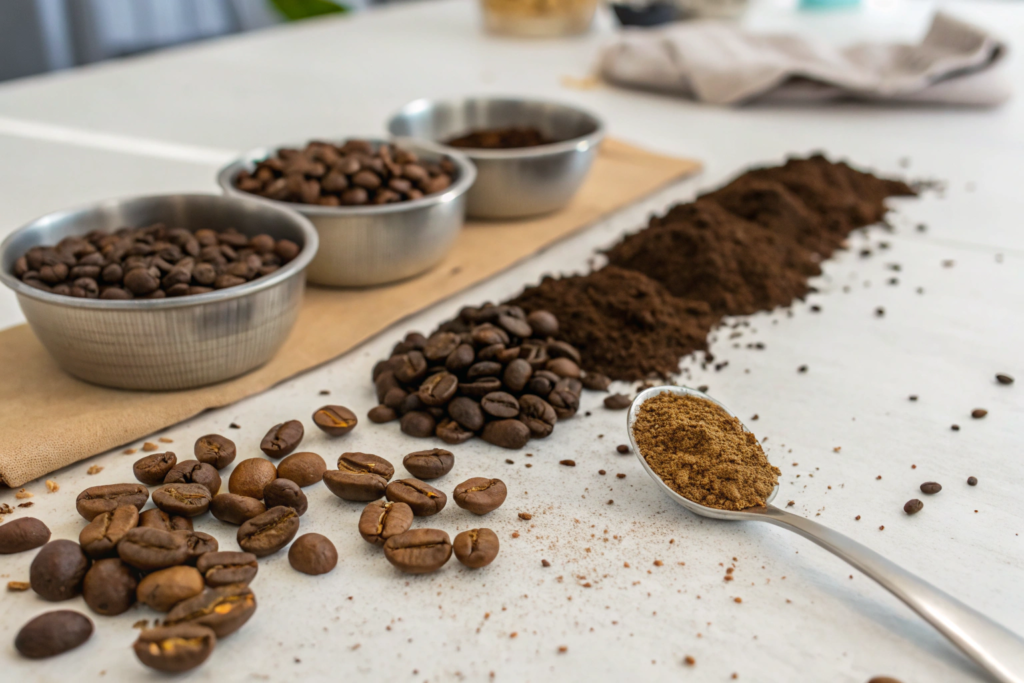
A medium-dark to dark roast, where the bean surface is smooth and a light sheen of oil is just beginning to appear, can be beautiful for Yunnan Catimor. The extended heat fully caramelizes the sugars, producing deep, bittersweet chocolate and roasted nut flavors. The body becomes heavy and syrupy.
This is an ideal profile for espresso blends. The Catimor provides a powerful, sweet, chocolatey base that cuts through milk beautifully. It also works well as a dark single-origin for those who appreciate a classic, bold cup without the ashy, carbony notes of an over-roasted commodity coffee.
What Are the Common Roasting Mistakes with Catimor?
I've seen the same mistakes repeated by roasters new to Catimor. They treat it like a washed Ethiopian. Or they over-compensate and burn it. Both approaches produce a disappointing cup. Understanding the specific pitfalls of this variety is the first step to avoiding them.
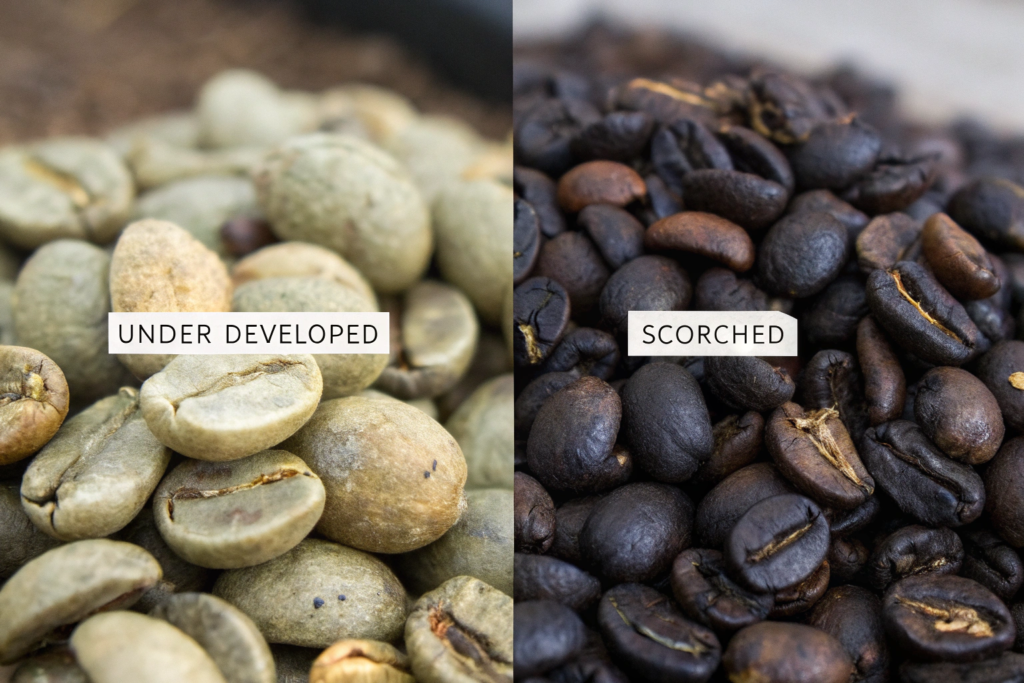
The most common roasting mistakes with Catimor are: charging too low, which leads to uneven heat penetration and a grassy, under-developed center; rushing the Maillard phase, which strips the coffee of its natural sweetness and leaves only astringency; and cutting the development time too short out of fear of burning. A secondary mistake is using too much airflow in the early stages, which can strip moisture too aggressively from the surface while leaving the core wet. The result is a bean that is scorched on the outside and raw on the inside.
Why Is "Charging Too Low" a Persistent Problem?
Specialty roasters are trained to protect delicate acidity. They use low charge temperatures and gentle heat application for high-altitude, washed Arabicas. This is excellent practice for a 90-point Geisha. It's terrible practice for a dense Catimor.
A low charge temperature on a Catimor results in a sluggish start. The bean core never reaches the same temperature as the surface. The roast progresses, but it's uneven. The surface develops while the core remains under-developed. The final cup tastes simultaneously baked and grassy—a confusing and unpleasant combination.
The solution is simple: unlearn the fear of heat. Respect the bean's density. Start hot.
How Does Rushing the Maillard Phase Ruin Sweetness?
The Maillard phase, between the yellowing point and first crack, is where sugars and amino acids react to create hundreds of flavor and color compounds. It's the sweetness factory.
Catimor has good sugar content, but those sugars need time to react. If the roaster pushes too hard through the Maillard phase, with excessive heat, the reactions don't complete. The sugars are not fully caramelized. The result is a coffee that is thin, astringent, and lacking the chocolatey, nutty sweetness that is Catimor's greatest asset.
A steady, moderate Maillard phase, lasting 3 to 4 minutes, gives the sugars the time they need to do their work. The reward is a cup with genuine sweetness and depth.
How Can You Source Roast-Ready Catimor from Yunnan?
The best roasting technique in the world cannot fix a bad green bean. The roast builds on the foundation laid at the farm and the mill. If the Catimor was strip-picked, poorly processed, and inconsistently dried, no amount of roasting skill can salvage it. Sourcing matters.
Sourcing roast-ready Catimor from Yunnan means looking for lots that are high-grown, hand-picked, and carefully processed. Key indicators include an altitude above 1,400 meters, a screen size of 16 or above, a moisture content of 11% to 12%, and a water activity below 0.60 aw. The processing method also matters: honey-processed and natural Catimors offer roasters more sweetness and body to work with, while fully washed lots provide a cleaner, more neutral canvas. Ask your supplier for the specific drying protocol and the harvest date.
What Certifications or Tests Should You Request?
A professional supplier will provide a detailed pre-shipment report. Ask for the defect count, broken down by primary and secondary defects. Ask for the moisture content and water activity. Ask for the screen size distribution.
If you plan to market the coffee with specific claims, ask for the relevant certificates: organic, Rainforest Alliance, or Fair Trade. Verify the certificate numbers online.
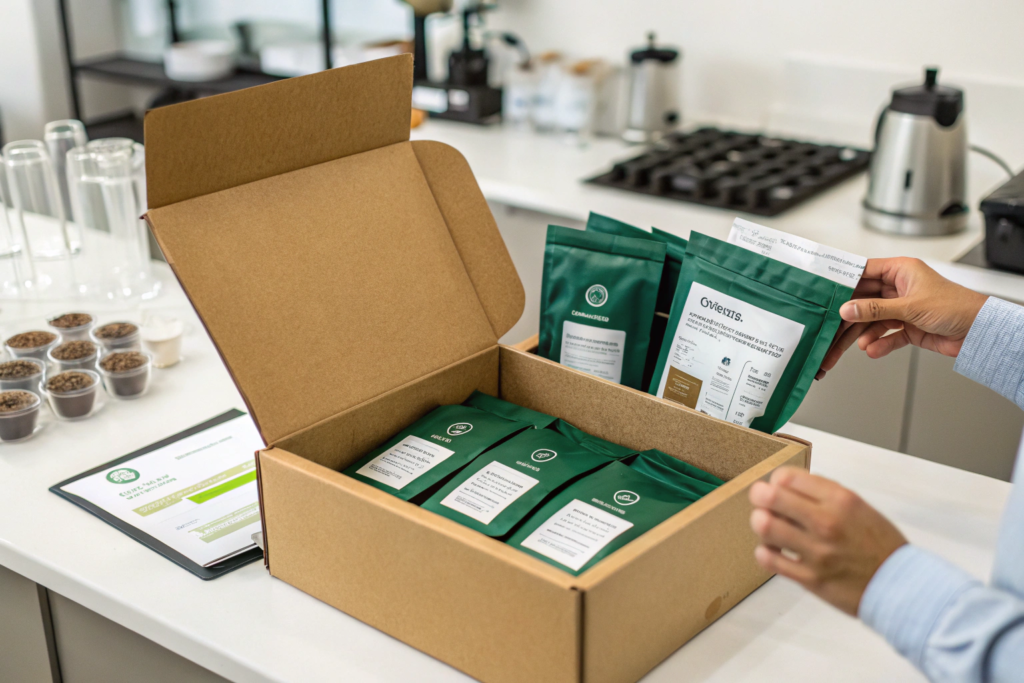
More importantly, ask for a roast recommendation. A supplier who knows their own coffee should be able to provide a suggested charge temperature range, a target development time ratio, and tasting notes for different roast levels. At BeanofCoffee, we provide a "Roaster's Guide" with every specialty Catimor lot. It includes all the physical data, a suggested profile, and cupping notes from our Q-grader.
Why Does Altitude Matter So Much for Catimor?
Altitude is the great filter. Catimor grown at 800 meters is a different bean from Catimor grown at 1,600 meters.
High-altitude Catimor is denser. It's sweeter. It's more complex. The cooler temperatures slow the cherry maturation, allowing more sugars to accumulate. The stress of the altitude concentrates the flavors.
Low-altitude Catimor is softer, lower in density, and tends toward earthy, vegetal flavors. It's fine for commercial blends, but it will never be specialty grade.
When sourcing Catimor, always ask for the altitude range. If the supplier can't provide it, the coffee is probably a mix of altitudes and qualities. Look for lots from specific high-altitude plots. Our best Catimor comes from our plots above 1,500 meters in the Gaoligong Mountain range.
Conclusion
Catimor is a misunderstood bean. It's been dismissed by specialty purists who associate it with the low-grade, commodity coffee of Yunnan's past. But that past is gone. The new generation of Yunnan Catimor, grown high, picked selectively, processed carefully, and roasted intelligently, deserves a place at the specialty table.
The key is the roast. Respect the density. Use a high charge temperature. Drive through the drying phase with purpose. Give it generous development time. Don't try to make it taste like a washed Ethiopian. Let it taste like what it is: a chocolatey, nutty, full-bodied coffee with a smooth, sweet finish. Roasted right, it's a beautiful espresso base and a comforting single-origin.
If you're a roaster curious about working with Yunnan Catimor, I invite you to try a sample. We'll send you a lot with full data and our recommended roast profile. Experiment with it. Push it. Find its sweet spot.
To request a sample of our high-grown Catimor, along with a Roaster's Guide and full physical analysis, reach out to Cathy Cai.
Email: cathy@beanofcoffee.com. Let's roast something remarkable together.