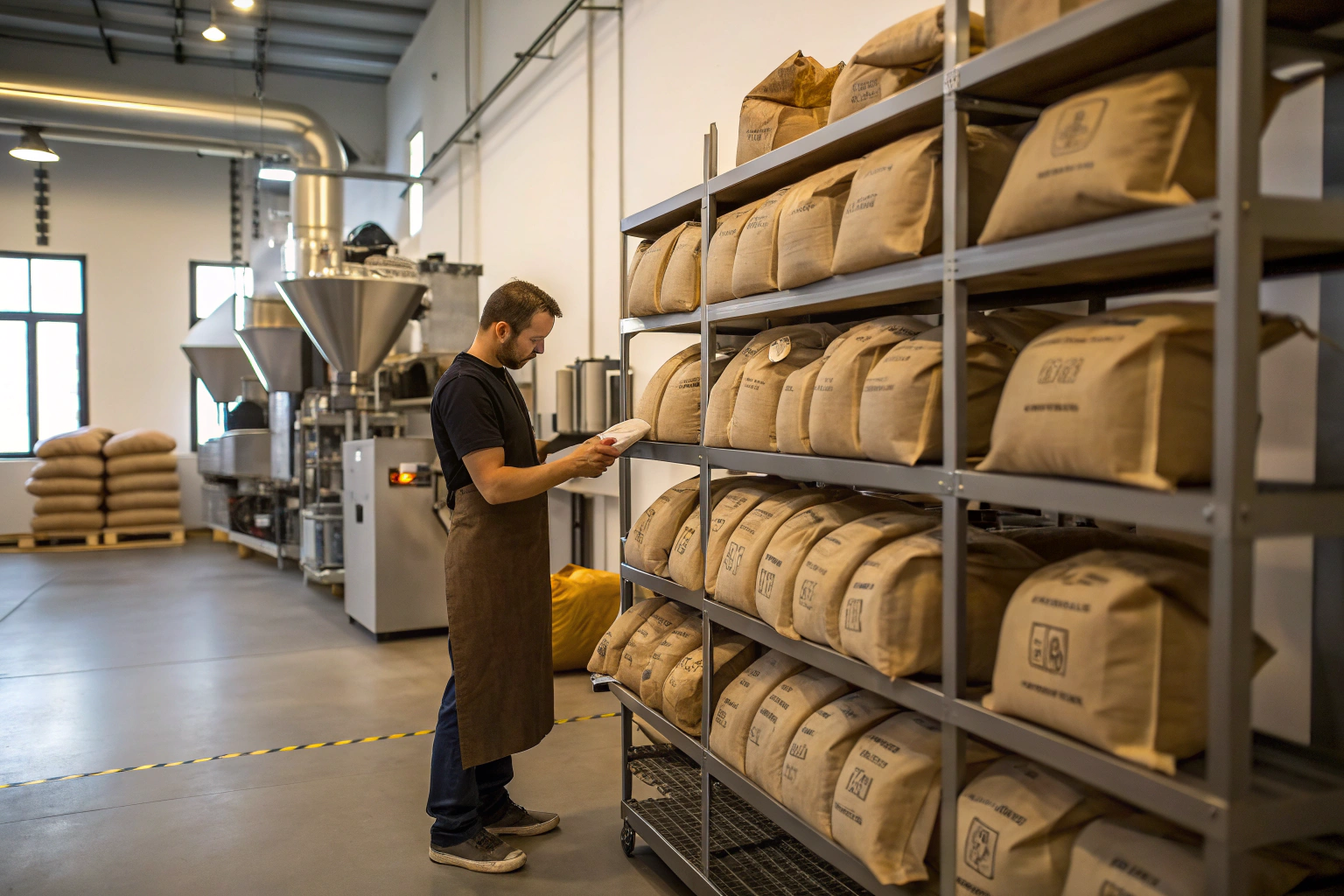
You have found the coffee. You have cupped it. Your customers love it. The initial order was a success. Now you face a new problem. You need this coffee, or a similar lot, on a regular schedule. Your customers expect the same quality, month after month. Your inventory needs to be replenished before it runs dry. You do not want to go through the entire sourcing, sampling, and negotiation process every six weeks. You want a system. You want a recurring wholesale order. This is the sign of a maturing business. It is the transition from sporadic buying to a managed supply chain. I have set up these recurring programs with many of my roaster clients. It is simpler than you think, and it transforms the stability of your business.
Setting up a recurring wholesale coffee order online involves establishing a clear contract with your supplier, defining the volume, frequency, and quality specifications, and then using a digital platform to manage the flow. At BeanofCoffee, I offer customized recurring order programs for my wholesale clients. We lock in the price, the volume, and the delivery schedule, so your coffee arrives like clockwork.
The goal is to remove the friction from your sourcing. You focus on roasting and selling. I focus on growing and shipping. The system does the rest. Let me show you how to build it.
What Are the Core Elements of a Recurring Coffee Contract?
The contract is the foundation. It is not a vague agreement to "send more coffee later." It is a precise, legally binding document that defines the terms of the ongoing relationship. It protects both you and the supplier. It turns a handshake into a system.
The core elements of a recurring contract are the product specification, the volume per shipment, the frequency of shipments, the price and price adjustment mechanism, and the delivery terms. At BeanofCoffee, I work with my clients to draft a contract that is clear, fair, and flexible enough to accommodate the realities of a growing business.
A good contract is not a cage. It is a framework for a stable partnership. It should anticipate the questions before they arise.

How to Define the Quality Specifications for Consistency Over Time?
The contract must specify the quality parameters you expect. This is not just "washed Arabica." It is the specific details. The variety. The screen size. The moisture content. The cupping score. The defect count. The processing method. At the start of the recurring program, you and I will cup a reference sample. This sample becomes the benchmark. The contract will state that all future shipments must be of "similar quality" to the reference sample. This is a standard practice in the specialty coffee trade. It gives you a legal basis to reject a shipment that falls short. The more precise the specification, the less room for ambiguity and dispute. I welcome this precision. It protects my reputation as much as it protects your product.
How to Structure a Price Adjustment Mechanism for a Year-Long Contract?
The price of coffee is not static. It fluctuates with the seasons, the currency, and the global market. A year-long contract cannot simply fix a price and ignore this reality. You need a price adjustment mechanism. This is a formula, agreed upon in advance, that adjusts the price if the underlying cost factors change. One common approach is to tie the price to the C-market, with a fixed differential. Another approach, which I prefer for my direct trade clients, is a cost-plus model. We agree on the cost of production plus a fair margin. If my production costs change, the price adjusts. If they stay the same, the price stays the same. This is transparent and fair. It aligns our interests. It removes the adversarial game of renegotiating the price every few months.
How to Use Digital Platforms to Manage Recurring Orders?
The days of faxing purchase orders are over. Modern wholesale coffee is managed through digital platforms. These platforms streamline the ordering, invoicing, and tracking process. They create a clear, auditable record of every transaction. They reduce errors and save time.
Digital platforms like email, shared spreadsheets, and specialized wholesale ordering portals are the tools of the modern coffee trade. At BeanofCoffee, I use a combination of digital tools to manage my recurring order clients. We share a live inventory spreadsheet, we confirm orders via email, and we track shipments with a shared logistics dashboard.
The platform is not the point. The point is the clarity and efficiency the platform enables. You should be able to see, at a glance, what is coming, when it is arriving, and what it costs.
What Should a Recurring Order Template Include?
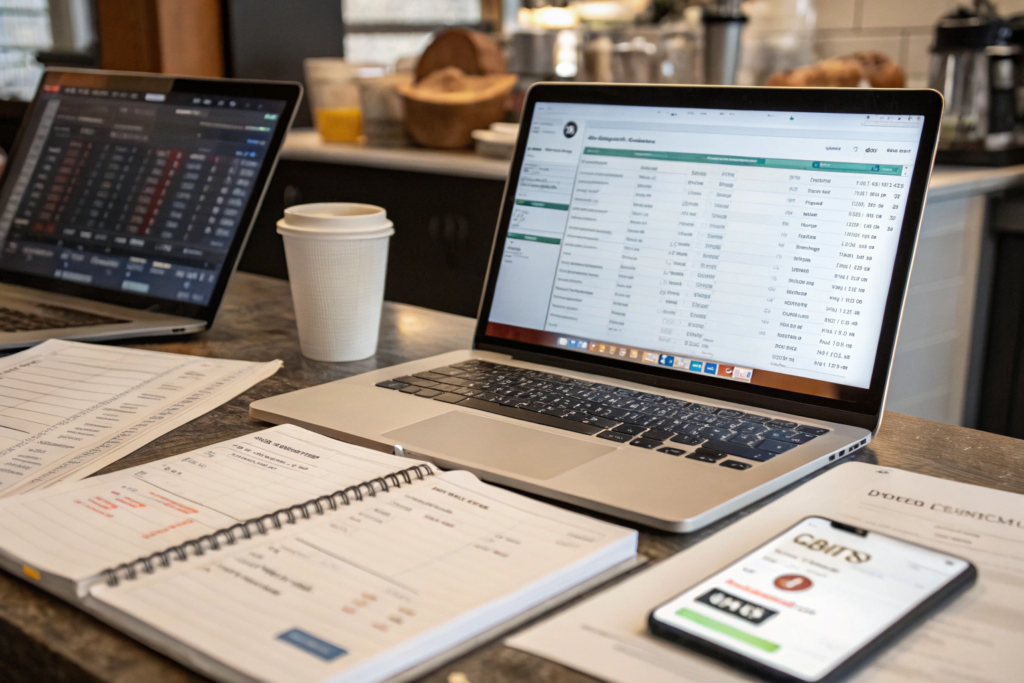
A simple, shared spreadsheet can be a powerful tool. The template should include several key fields. The client name. The product SKU or lot number. The contracted volume. The shipment frequency. The last shipment date. The next shipment date. The current inventory status. The agreed price. The payment terms. When the next shipment date arrives, you or your supplier simply confirm the order based on the template. This removes the need for a new email chain every time. It is a living document. It is the operational heart of the recurring program. I set up these templates for my clients. It takes an hour, and it saves countless hours over the course of a year.
How to Automate Reorder Reminders Based on Your Inventory Levels?
The smartest systems are proactive. They do not wait for you to remember that you are running low. They remind you. If we know your average weekly consumption, we can estimate when you will run out. A simple inventory formula in the spreadsheet can trigger an alert. "Based on your current rate, you will run out of this lot in 3 weeks. Shall we schedule the next shipment?" This is a service I provide to my recurring clients. It is not complicated. It is just a little bit of digital foresight. It prevents the panic of a stockout. It ensures that your roaster never idles. It is the difference between a supplier and a partner.
How to Coordinate Shipping Schedules with Your Supplier?
The coffee needs to move. The recurring contract defines the frequency, but the actual shipping dates need to be coordinated. This involves the vessel schedules, the port availability, and the lead times for documentation. It is a dance of logistics.
Coordinating shipping schedules requires open communication with your supplier's logistics team. At BeanofCoffee, I provide my recurring clients with a rolling 90-day shipping forecast. This allows us to book vessel space in advance, ensuring that your coffee sails on a predictable schedule, even during peak season.
You do not want your coffee to be a last-minute, panic booking. You want it to be a planned, routine part of the shipping calendar. This requires a forecast.

What Is a Rolling Shipping Forecast and Why Does It Matter?
A rolling shipping forecast is a simple document. It is a 90-day window that shows the planned shipments. It is updated every month. It lists the expected volumes, the target sailing dates, and the destination port. This forecast is shared with my freight forwarder. They use it to reserve space on the vessels. This is especially important during peak season, when space is scarce. A recurring client with a forecast is a priority client. The shipping line knows the volume is coming. They plan for it. This reliability is a competitive advantage. It means your coffee is less likely to be rolled or delayed. It means your inventory flow is predictable.
How Does a Recurring Schedule Reduce Your Freight Costs?
A predictable schedule allows you to plan more efficiently. You can consolidate your shipments. You can book further in advance, locking in lower freight rates. You can avoid the premium prices of last-minute bookings. You can also coordinate with the supplier to use a more efficient shipping route. At BeanofCoffee, I work with my recurring clients to optimize their freight. Because I know their schedule, I can consolidate their orders with other shipments, reducing the cost per container. The recurring model is a cost-saving model. It is not just about convenience. It is about money.
How to Build Flexibility into a Recurring Order Agreement?
A recurring order is a commitment. But life happens. Your demand might spike. Your demand might dip. A new competitor might enter your market. Your contract needs to accommodate this reality. It needs to be a living document, not a straitjacket.
Flexibility is essential in a recurring agreement. At BeanofCoffee, I build flexibility clauses into my contracts. Clients can adjust their volume with 60 days' notice. They can pause a shipment for a month if their inventory is overstocked. The goal is a partnership that adapts to your business, not a rigid schedule that breaks under pressure.
The supplier wants you to succeed. Your success is their success. A flexible contract reflects this alignment of interests.
How to Adjust Volume Up or Down with Notice?
The contract should specify a notification period for volume changes. For example, "Client may increase or decrease the volume of any single shipment by up to 20% with 30 days' written notice." This gives you the ability to respond to changes in your market without breaching the contract. It also gives the supplier enough time to adjust their production planning. This is a reasonable, practical clause. It is a sign of a mature, professional agreement. I encourage my clients to include it. It prevents the awkward situation of being forced to take coffee you do not need, or not having enough when you need it most.
How to Handle a Temporary Pause in the Schedule?
Sometimes you need to hit the pause button. Maybe your warehouse is full. Maybe your roaster is being repaired. Maybe you are launching a new product and need to free up cash. A good recurring contract allows for a temporary pause. The clause might state, "Client may pause the recurring schedule for one month per quarter, with 45 days' notice. The paused volume will be added to a later shipment, or the contract period will be extended accordingly." This is a safety valve. It gives you breathing room. It is not a cancellation. It is a deferral. The supplier is not left with unsold inventory. The relationship continues, just on a slightly adjusted timeline.
Conclusion
Setting up a recurring wholesale coffee order online is not a technical challenge. It is a strategic one. It is about building a system that replaces the chaos of sporadic buying with the calm of a managed supply chain. You need a clear contract that defines the quality and the price. You need a digital platform that streamlines the ordering and tracking. You need a coordinated shipping schedule that ensures your coffee arrives on time. And you need flexibility, so the system can adapt to the realities of your business. When these elements are in place, the result is a transformation. You stop worrying about sourcing. You start focusing on growing. Your supplier becomes a partner, not a vendor. This is the smart way to run a coffee business.
Let's build your recurring system. Contact me, Cathy Cai, at cathy@beanofcoffee.com. Tell me about your monthly volume, your preferred coffee profile, and your current inventory challenges. I will propose a recurring order program, complete with a contract template, a shared inventory spreadsheet, and a shipping forecast. Together, we will create a supply chain that runs like clockwork, so you can focus on what you do best: roasting exceptional coffee.