
You want more wholesale buyers. You start a blog. You write posts. But nobody reads them. Nobody emails. That is frustrating. You are wasting time. The problem is not blogging. The problem is your approach. You are writing for the wrong people. You are using the wrong words. You are missing the buyer's real questions.
You can start a coffee blog that attracts wholesale buyers by writing about their real problems, using search terms they type, sharing proof of quality, and making it easy to contact you. At BeanofCoffee, we use our blog to answer buyer questions about Yunnan coffee, shipping, and certifications. That approach brings in real inquiries.
Let me walk you through the steps. I will share what works for us. I will also show you the mistakes to avoid. So, what does this mean for your blog? It means you need a plan before you write.
Why Do Wholesale Buyers Read Coffee Blogs?
You may think wholesale buyers only read price sheets. They don't. They read to solve problems. They read to compare suppliers. They read to learn. So, your blog can be a sales tool.
Wholesale buyers read coffee blogs to find answers about quality, certifications, shipping, and pricing. They want proof that a supplier knows their business. A blog that answers these questions builds trust and brings inbound leads. At BeanofCoffee, we see this every week.
Another way to look at this is simple. Buyers are busy. They search Google for specific questions. If your blog answers them, you appear. If you only post recipes, you miss them. So, write for the buyer, not the barista. I use a table to show the difference between buyer content and consumer content.
| Buyer Content | Consumer Content |
|---|---|
| Moisture specs | Brewing tips |
| Shipping times | Latte art |
| Certification checks | Coffee history |
| Price breakdowns | Flavor notes |

What Questions Do Wholesale Buyers Ask Most?
Wholesale buyers ask about price, shipping, quality, and documents. They want to know the cost per kg. They want to know the sailing schedule. They want to know the moisture content. They want to know if the coffee is certified. They also ask about payment terms and minimum order quantity. I see these questions every day. So, I write posts that answer them. For example, a post about "how to verify Rainforest Alliance" gets traffic from buyers who need proof. The Specialty Coffee Association shares standards that help answer quality questions. The Coffee Review offers independent tasting notes that support flavor claims. When you answer these questions, you become a resource. Buyers remember resources. They come back. They email you. That is how a blog becomes a sales channel. So, do not guess what buyers want. Look at your inbox. The questions are there.
How Does a Blog Build Trust With Distributors?
A blog builds trust by showing your knowledge and your honesty. When you write about mold risk, you show you understand quality. When you write about holiday shipping, you show you understand logistics. When you share moisture reports, you show you are transparent. The Daily Coffee News covers trade issues that buyers care about. The Perfect Daily Grind explains processing details that affect flavor. I use these sources to support my posts. But the real trust comes from my own data. I share my farm numbers. I share my shipping times. I share my mistakes. That honesty makes buyers comfortable. They feel like they know me. So, they email me instead of a stranger. That is the power of a blog. It turns a cold lead into a warm conversation.
What Content Attracts Coffee Distributors?
You want distributors to read your blog. But they are not interested in your vacation photos. They want content that helps them make money. So, what should you write?
Content that attracts coffee distributors includes origin reports, shipping updates, certification guides, price trend analysis, and case studies. Distributors want data and proof. They want to see that you understand their margin. A blog that focuses on these topics will get shared and bookmarked. At BeanofCoffee, we write about Yunnan harvests, mold risk, and freight planning. Those posts bring in distributor inquiries.
I have tested many topics. Some get traffic but no leads. Others get fewer views but more emails. The difference is intent. A post about "coffee brewing" gets consumers. A post about "how to verify Rainforest Alliance" gets buyers. So, choose topics with commercial intent. I use a simple framework.
| Topic Type | Buyer Intent | Example |
|---|---|---|
| Origin report | High | Yunnan harvest 2026 |
| Certification | High | Rainforest Alliance check |
| Logistics | High | Holiday shipping plan |
| Recipe | Low | Cold brew at home |

Should You Write About Your Competitors?
Yes, you should. But do it fairly. A post like "Yunnan vs. Colombia: Which Origin Fits Your Blend?" helps buyers compare. It shows you know the market. It also shows you are confident. The Trade.gov website offers market guides that help with comparisons. The Alibaba platform shows how suppliers present their offers. I write comparison posts because buyers search for them. They want to know the pros and cons. If you only praise your own coffee, they do not trust you. If you explain the trade-offs, they respect you. So, write about competitors. Be honest. Point out where they are strong. Then explain where you fit. That honesty wins business. It also builds authority. Buyers see you as a guide, not just a seller.
How Often Should You Publish New Posts?
You should publish at least twice a month. Consistency matters more than frequency. A post every week is great. But a post every two weeks is fine. The key is to keep going. The LinkedIn network can help you share your posts with buyers. Forbes reports on content marketing trends that support regular publishing. I have found that a steady schedule builds an audience. Buyers start to expect your posts. They look forward to them. If you stop, they forget you. So, make a calendar. Stick to it. Write about topics that matter to buyers. Do not write for the sake of writing. Write to solve a problem. That is what keeps readers coming back.
How Do You Optimize a Coffee Blog for SEO?
You wrote a great post. But no one finds it. That is the problem. SEO is how buyers find you. You need to use the words they type. You need to structure your post. You need to build links.
You optimize a coffee blog for SEO by targeting long-tail keywords, using clear headings, adding internal and external links, and making the page load fast. Write for buyers, not for search engines. But use the words they use. For example, "green coffee moisture content" or "how to verify Rainforest Alliance" are buyer searches. At BeanofCoffee, we use these terms in our titles and headings.
Another way to look at this is simple. SEO is not magic. It is matching. You match your content to a search query. You match your structure to what Google likes. I use a checklist for every post.
| SEO Task | Why It Matters |
|---|---|
| Keyword in title | Helps ranking |
| H2 and H3 headings | Improves readability |
| Internal links | Keeps readers on site |
| External links | Builds authority |
| Fast loading | Reduces bounce |

Which Keywords Bring Wholesale Buyers?
Long-tail keywords bring wholesale buyers. These are specific phrases. "Bulk green coffee suppliers" is broad. "Yunnan Arabica wholesale price" is specific. "How to verify Rainforest Alliance certification" is specific. The Mordor Intelligence reports on coffee market trends that can inspire keywords. The Statista website offers data that supports keyword research. I use these tools to find what buyers search for. Then I write posts that answer those searches. I also look at my own site search. If visitors search for "mold risk," I write about mold risk. If they search for "shipping," I write about shipping. This is simple. But it works. So, do not chase big keywords. Chase the ones that bring buyers.
How Do You Build Links to a Coffee Blog?
You build links by creating useful content and sharing it. Guest posts on industry sites help. Partnerships with other blogs help. The Specialty Coffee Association website is a good place to learn about industry standards that attract links. The Daily Coffee News accepts news tips and guest contributions. I also link to other blogs from my posts. That builds relationships. When you link to others, they notice. Sometimes they link back. I also share my posts on LinkedIn and Facebook. That brings traffic. Links come later. The key is to be helpful. Write posts that people want to reference. A post with original data gets more links. A post with a clear guide gets more links. So, focus on quality. The links will follow.
Can a Coffee Blog Generate Wholesale Leads?
You may wonder if blogging is worth it. You spend hours writing. You get a few likes. But do you get orders? The answer is yes, but not overnight. You need a system.
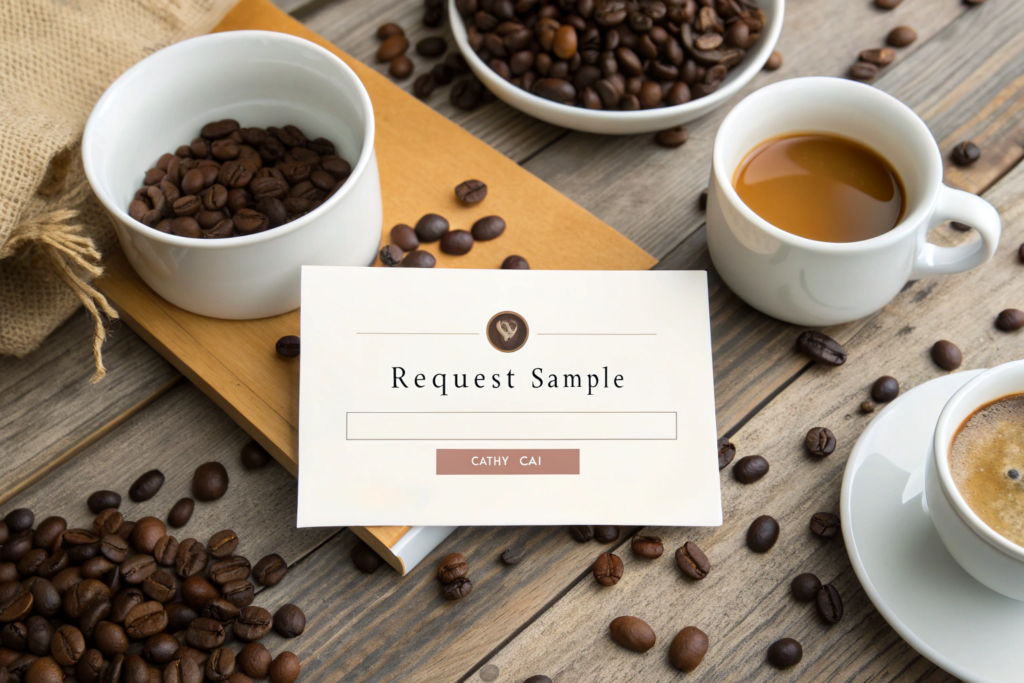
A coffee blog can generate wholesale leads if you include clear calls to action, offer a sample request form, and share your contact information. You also need to track which posts bring inquiries. At BeanofCoffee, we use our blog to answer common questions. Then we invite readers to email Cathy Cai for samples. That simple step turns readers into buyers.
I have seen this work. A post about "mold risk in green coffee" brought a distributor from Australia. He emailed us. He ordered a container. That one post paid for a year of blogging. So, yes, it works. But you need patience. You also need a way to capture leads. I use a simple table to track.
| Post Title | Views | Leads | Orders |
|---|---|---|---|
| Mold risk | 1200 | 3 | 1 |
| Holiday shipping | 800 | 2 | 0 |
| Certification | 1500 | 5 | 2 |
What Call to Action Works Best for Wholesale Buyers?
A clear call to action works best. "Request a sample" is simple. "Download our spec sheet" is good. "Email us for a price quote" is direct. The HubSpot blog shares CTA best practices. The Copyblogger website offers copywriting tips that help with CTAs. I use a simple button at the end of every post. It says "Contact Cathy for a free sample." That button gets clicks. I also add a link in the text. I do not hide my contact info. I make it easy. Buyers are busy. If they have to search for your email, they leave. So, make it simple. One click. One email. That is the goal.
How Do You Measure Blog Success?
You measure success with three numbers. First, traffic. How many people visit? Second, leads. How many people contact you? Third, orders. How many people buy? The Google Analytics tool tracks traffic and behavior. The Nielsen data shows audience trends that can inform your content. I check my analytics every week. I look at which posts get the most views. I look at which posts get the most emails. I also ask new buyers how they found me. Many say they read my blog first. That tells me the blog is working. So, do not just write. Measure. Then write more of what works.
Conclusion
Starting a coffee blog that attracts wholesale buyers takes time. But it is worth it. Write about buyer problems. Use their search terms. Share proof. Make it easy to contact you. Optimize for SEO. Track your leads. These steps will bring results. I have seen it work for my own business. It can work for yours.
If you want a supplier who understands wholesale buyers, contact us. BeanofCoffee owns over 10,000 acres in Baoshan, Yunnan. We export Catimor, Arabica, and Robusta to North America, Europe, and Australia. We can help you with samples, certifications, and shipping. For orders or questions, email Cathy Cai at cathy@beanofcoffee.com. She will help you find the right coffee for your buyers.