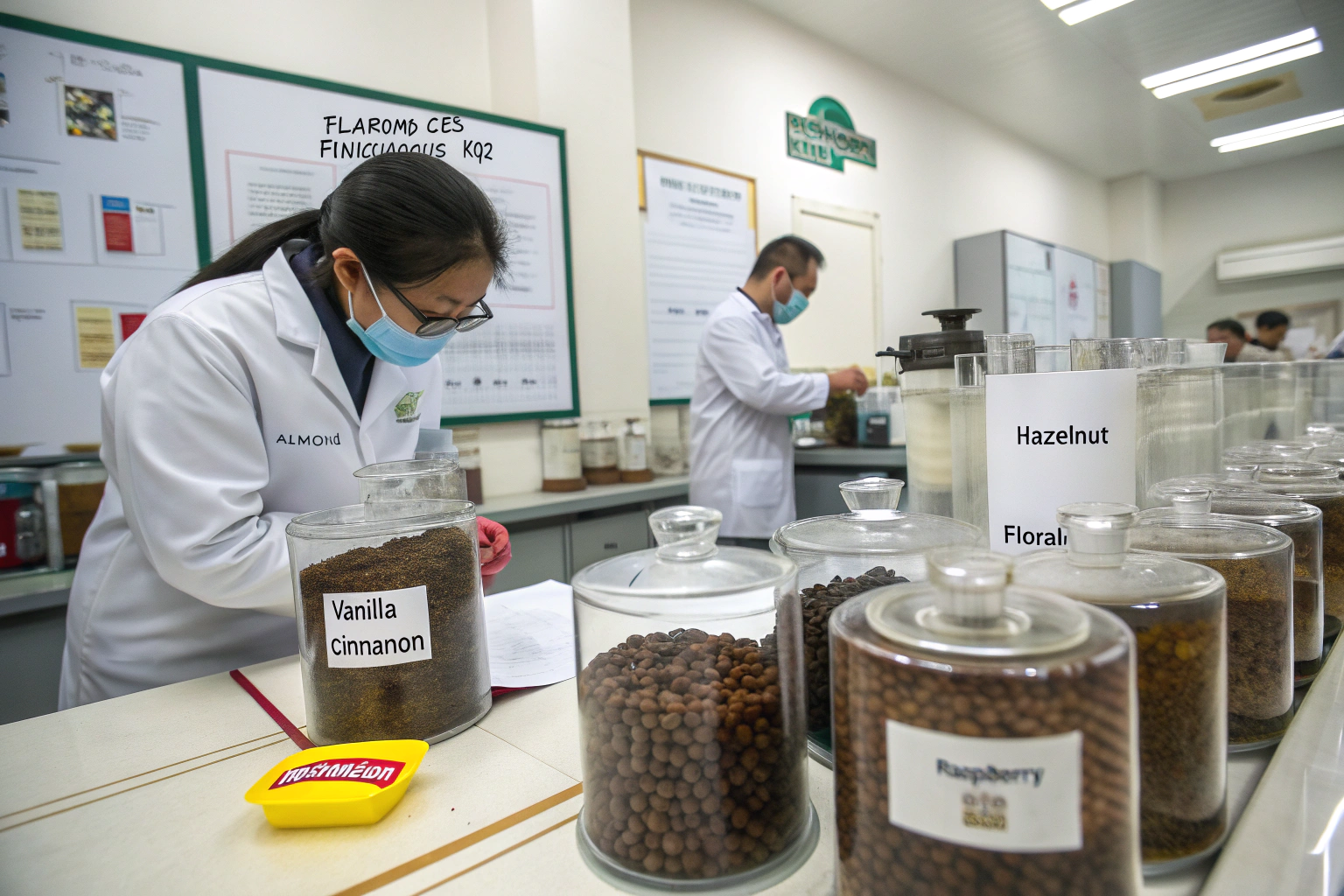
You have cupped Yunnan coffee before. Maybe it was clean but simple. Maybe it lacked the fruit and floral notes you find in Ethiopia or Colombia. That was the old story. Things have changed fast. Researchers and farmers in Yunnan are running fermentation experiments that create flavors nobody expected from Chinese coffee. Vanilla-cinnamon. Rose and lychee. Red wine and blood orange. These are not marketing words. They come from real science. And they matter for your buying decisions.
Fermentation experiments in Yunnan are creating new flavor profiles because researchers are using native microbes, controlled anaerobic conditions, and precision starter cultures to reshape the chemical makeup of coffee beans. A native fungus called Talaromyces funiculosus KQ2 raised sensory scores by 1.5 points and created vanilla-cinnamon notes. Anaerobic fermentation boosted hazelnut, almond, and floral flavors. Local yeasts like Pichia kluyveri added muskmelon-raspberry character. These experiments are moving Yunnan coffee from commodity to specialty. At BeanofCoffee, we follow this research closely because it changes what we can offer buyers in North America, Europe, and Australia.
So, what exactly is happening in these experiments? And why should you care as a buyer? Let me walk you through the science, the flavors, and the business impact. I have shipped Yunnan coffee for years. I have seen the cup quality jump. Let me show you why.
What Fermentation Methods Are Yunnan Researchers Testing?
You may think fermentation is just letting fruit sit. It is not. Modern fermentation is controlled science. Researchers in Yunnan are testing several methods. Each one targets a different flavor outcome. Let me break them down.
Yunnan researchers are testing four main fermentation methods: anaerobic fermentation, endophytic fungal inoculation, native yeast starter cultures, and kombucha-inoculated fermentation. Each method changes the bean's chemistry in different ways. Anaerobic fermentation boosts body and sweetness. Fungal inoculation adds vanilla-cinnamon notes. Yeast starters enhance fruitiness. Kombucha fermentation increases floral and fruity esters. Together, these methods give farmers new tools to create unique flavors.
Another way to look at this is simple. Traditional fermentation is like cooking without a recipe. You hope it tastes good. Precision fermentation is like cooking with a recipe. You know what you will get. That control is what buyers want. So, what does this mean for you? It means Yunnan coffee is no longer one flavor. It is many flavors. And you can choose the one that fits your brand.
| Method | Key Microbe | Flavor Result |
|---|---|---|
| Anaerobic fermentation | Natural microbes, no oxygen | Hazelnut, almond, floral |
| Endophytic fungal | Talaromyces funiculosus KQ2 | Vanilla, cinnamon |
| Native yeast starter | Pichia kluyveri | Muskmelon, raspberry |
| Kombucha inoculation | Yeast and bacteria consortium | Floral, fruity esters |
How Does Anaerobic Fermentation Change Coffee Flavor?
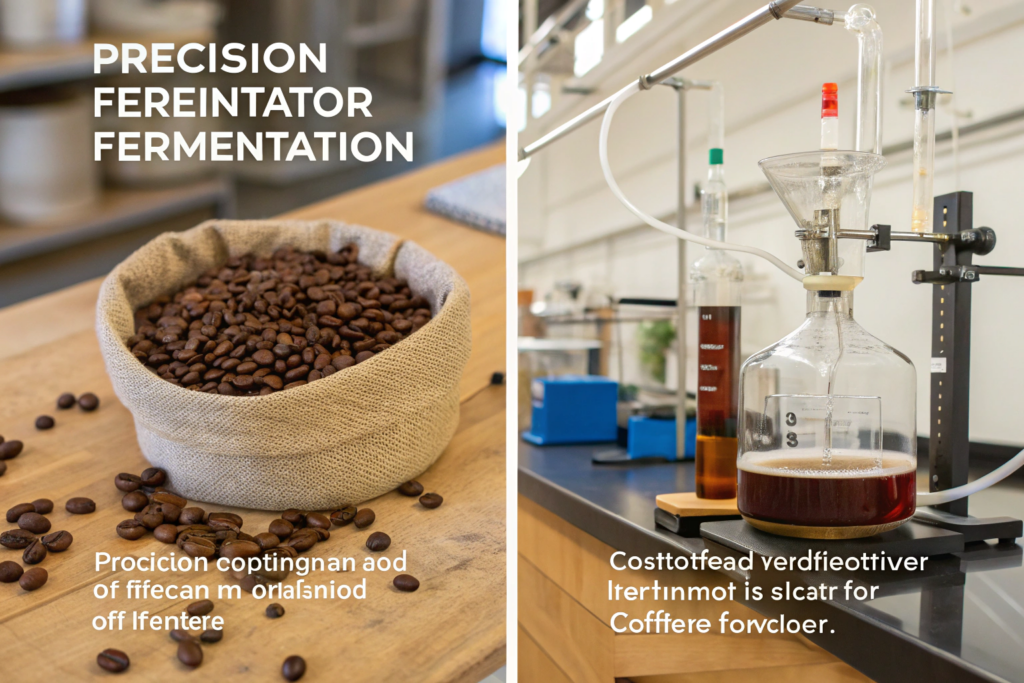
Anaerobic fermentation seals cherries in tanks or bags without oxygen. The microbes work differently without air. The results are striking. A 2025 study in the journal Science and Technology of Food Industry found that anaerobic fermentation decreased furan content from 46.88% to 32.5% and increased ester content from 6.34% to 15.38%. It significantly enhanced hazelnut, almond, and floral notes. The Specialty Coffee Association uses cupping protocols that capture these changes in the cup.
Another study published in Beverage Plant Research collected Catimor cherries from Baoshan, Yunnan, and compared four processing methods. The anaerobic fermentation dry-process group showed the strongest enrichment of flavor-related compounds, including amino acids, nucleotides, organic acids, flavonoids, and tannins. Five certified Q-Graders scored the anaerobically fermented coffees higher than conventional wet- and dry-process coffees across dry aroma, wet aroma, flavor, aftertaste, acidity, body, and balance. The Daily Coffee News covered this study and noted that anaerobic natural processing is lifting quality scores in China. So, what does this mean? It means the same Catimor bean from the same farm can taste completely different depending on fermentation. That is power.
What Is Endophytic Fungal Fermentation?
Endophytic fungi live inside healthy plant tissue. They are not added from outside. They are already part of the coffee cherry's natural ecosystem. A research team at the Kunming Institute of Botany, led by Qiu Minghua, isolated 655 fungal strains from five Yunnan Arabica cultivars across three ripeness stages. One strain stood out. Talaromyces funiculosus KQ2 elevated the sensory score by 1.5 points and pushed coffee above the 80-point specialty threshold. It also produced a distinctive vanilla-cinnamon aroma linked to 1,3-dimethoxybenzene accumulation. The sucrose content increased by 17.11%.
The China Daily reported that Qiu likened these fungi to “natural processing plants” inside coffee cherries. Compared with introduced strains, they show stronger enzyme activity and unique metabolic pathways. The World Coffee Research studies similar approaches to flavor improvement. So, what does this mean? It means Yunnan has its own microbial terroir. The local fungi create local flavors. That is a story buyers can sell. It is also a quality guarantee. A coffee scoring 1.5 points higher is worth more money in the specialty market.
How Do These Experiments Create New Flavor Profiles?
You may ask a simple question. How does fermentation create flavor? It is not magic. It is chemistry. Microbes break down compounds in the cherry. They produce new compounds. Those compounds become flavor after roasting. Let me explain in simple terms.
Fermentation experiments create new flavors by changing the chemical precursors in green coffee beans. Microbes produce enzymes that break down sugars, acids, and proteins. These broken-down compounds become volatile aromatics during roasting. Different microbes produce different precursors. That is why anaerobic fermentation boosts body and sweetness, while fungal fermentation adds vanilla and cinnamon notes. The key is controlling which microbes grow and how long they work.
I think of it like this. Green coffee is a blank canvas. Fermentation is the paint. Roasting is the brush. The final cup is the painting. If you use different paints, you get a different picture. So, what does this mean for buyers? It means you can ask for specific fermentation methods. You can request a lot with rose and lychee notes. You can request a lot with vanilla and cinnamon. The supplier can deliver it. That is a new level of customization.
What Specific Flavor Notes Are Appearing?
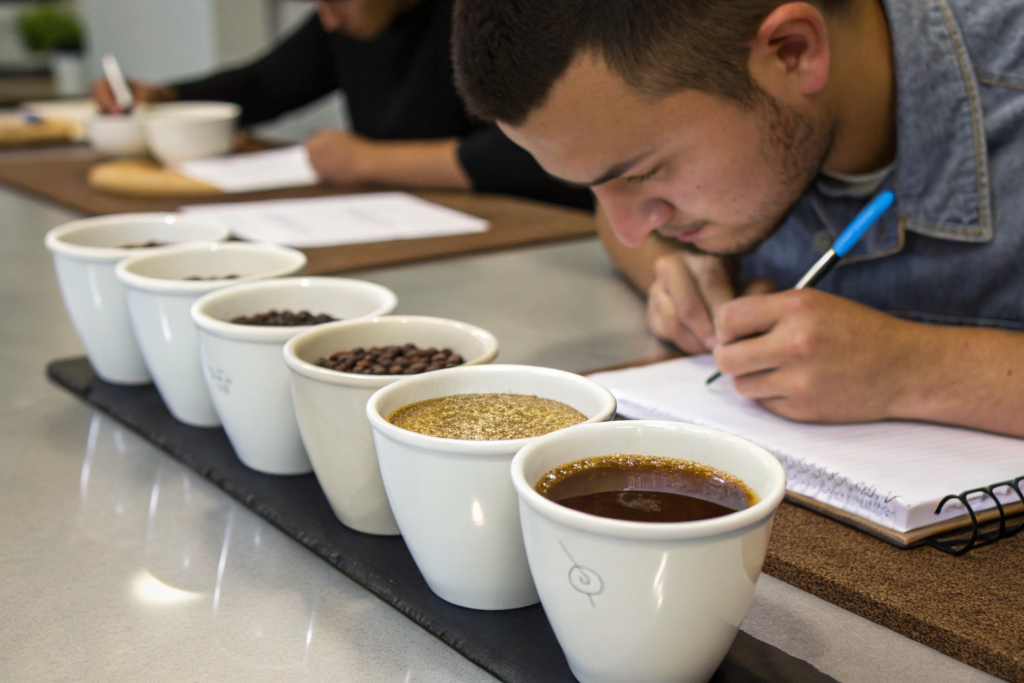
The flavor notes from Yunnan fermentation experiments are diverse. Here is what buyers are seeing in commercial lots.
| Coffee / Producer | Process | Flavor Notes | Score |
|---|---|---|---|
| Yunnan Red Sparrow, Baoshan | Anaerobic natural, 168 hours | Red wine, blood orange, cantaloupe | 87 |
| Yunyun Nannan, Dehong | Anaerobic yeast natural | Rose, lychee, honey, oolong tea | 87 |
| Red Dragon Estate, Yunnan | Anaerobic natural | Raspberry, macadamia, lapsang souchong | 87 |
| Yunnan Double Anaerobic | Double anaerobic natural | Dark chocolate, pineapple, mangosteen, strawberry | 88 |
| Yunnan Triple Fermentation | Triple anaerobic natural | Fruit sweetness, complex fermentation | 84+ |
The LOT61 roaster in Amsterdam describes their Yunnan Red Sparrow as having red wine, blood orange, and cantaloupe melon notes. TANAT Coffee in France describes a Yunnan anaerobic natural with rose, lychee, honey, and oolong tea. Perfect Daily Grind covers how these experimental profiles are reaching specialty markets. These are not mild changes. They are big shifts from the old Yunnan profile. They make Yunnan coffee competitive with top origins. So, if you are a buyer, these lots are worth cupping.
How Do Native Yeasts Shape the Cup?
Native yeasts are another tool. A study published in Food Research International identified Kurtzmaniella as the dominant genus during spontaneous fermentation. Among the isolated strains, Pichia kluyveri (J2) achieved a sensory score of 82.42 out of 100. It boosted sweetness and fruitiness. The flavor was driven by maltol production and a distinctive muskmelon-raspberry character. The study found that 48 hours was the optimal time for flavor precursor formation.
The Global Coffee Platform promotes these kinds of sustainable, quality-focused practices. So, what does this mean? It means local yeasts are adapted to local conditions. They work well with Yunnan beans. They create flavors that outside microbes cannot replicate. That is a unique selling point. You can tell your customers that this coffee has a microbial signature from Yunnan. Nobody else can copy it.
Can Yunnan Fermentation Experiments Scale for Export?
You may wonder if this is just lab work. Can farmers actually use it? Can exporters ship it? The answer is yes. The research is moving to the farm. The technology is scaling. And buyers are already paying premiums.
Yunnan fermentation experiments can scale for export because researchers are developing standardized protocols, local institutions are promoting precision fermentation, and farmers are adopting controlled fermentation tanks. The Yunnan Academy of Agricultural Sciences is already using constant-temperature fermentation tanks and spray-type anaerobic fermenters. Industry output has grown from less than 10 billion yuan to nearly 100 billion yuan in just three to four years. Specialty-grade coffee reached 31.6% of total output in 2024.
The China Daily reported that Wang Xianwen, director of the Technology and Industry Research Center at Baoshan Inspection and Testing Institute, is working to translate the research into industry standards. The goal is to promote standardized fermentation technologies and establish quality benchmarks. The Tea & Coffee Trade Journal also reports on processing innovation in coffee origins. So, what does this mean? It means the science is not stuck in a lab. It is moving to the mill. It is moving to the export container. It is moving to your cupping table.
How Are These Methods Being Standardized?
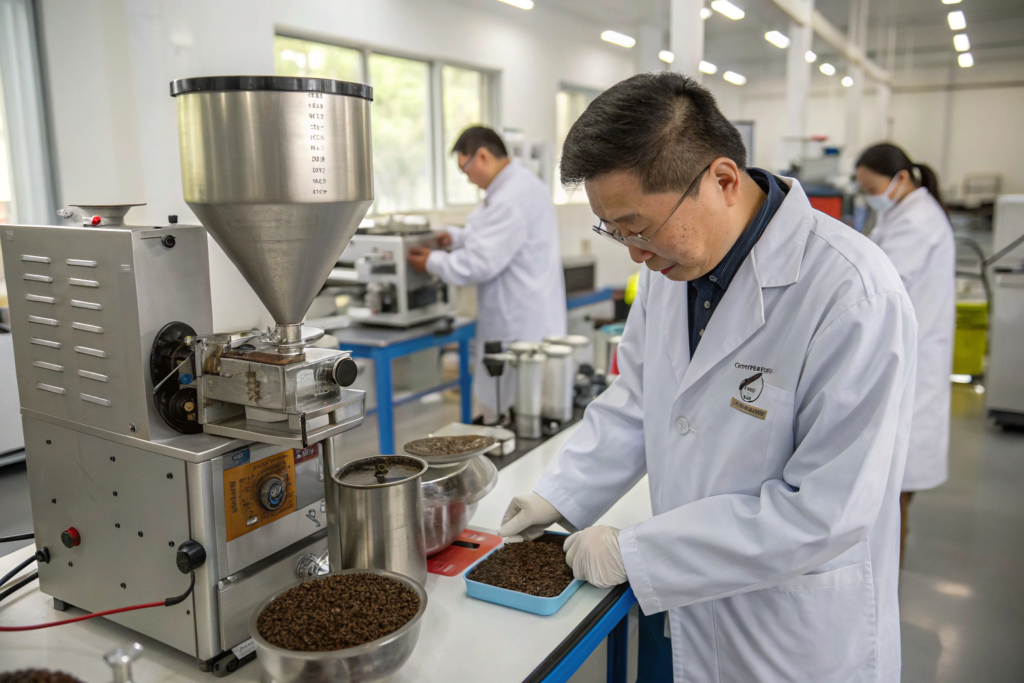
Standardization is key for export. A buyer needs consistency. They cannot accept a great lot one month and a flat lot the next month. The Yunnan Academy of Agricultural Sciences is developing standardized protocols. They use constant-temperature fermentation tanks. They use spray-type anaerobic fermenters. These tools make the process more stable. The fermentation cycle is shorter. The flavor is more consistent. The International Coffee Organization tracks trade standards that support this kind of quality control. So, what does this mean for you as a buyer? It means you can order Yunnan fermented coffee with confidence. You know what you will get. That consistency is worth a premium.
What Do These Experiments Mean for Yunnan's Coffee Industry?
These experiments mean a shift from volume to value. Yunnan has long been a supplier of cheap green beans. Now it is becoming a producer of specialty coffee. The province accounts for more than 40% of China's total coffee exports. Industry output has surged. Specialty-grade coffee reached 31.6% of total output in 2024. This is not a small trend. It is a transformation.
The Kunming Institute of Botany is leading the research. The Yunnan Academy of Agricultural Sciences is testing on farms. The Baoshan Inspection and Testing Institute is setting standards. This is a coordinated effort. It involves scientists, farmers, and exporters. The goal is to make Yunnan coffee known for quality, not just price. So, if you are a buyer, you should pay attention. The Yunnan coffee you buy in three years will taste different from the Yunnan coffee you buy today. It will be better.
Conclusion
Fermentation experiments in Yunnan are creating new flavor profiles that did not exist before. Anaerobic fermentation boosts body and sweetness. Endophytic fungi add vanilla and cinnamon. Native yeasts create muskmelon and raspberry notes. Commercial lots are scoring 87 to 88 points. The science is scaling. The industry is shifting from commodity to specialty. These changes matter for your coffee portfolio. They give you new options. They give you new stories. They give you new margins.
If you want to try fermented Yunnan coffee for your buyers, contact us. BeanofCoffee owns over 10,000 acres in Baoshan, Yunnan. We export Catimor, Arabica, and Robusta to North America, Europe, and Australia. We can share cupping notes, fermentation details, and sample lots. For orders or questions, email Cathy Cai at cathy@beanofcoffee.com. She will help you find the right fermentation profile for your market.