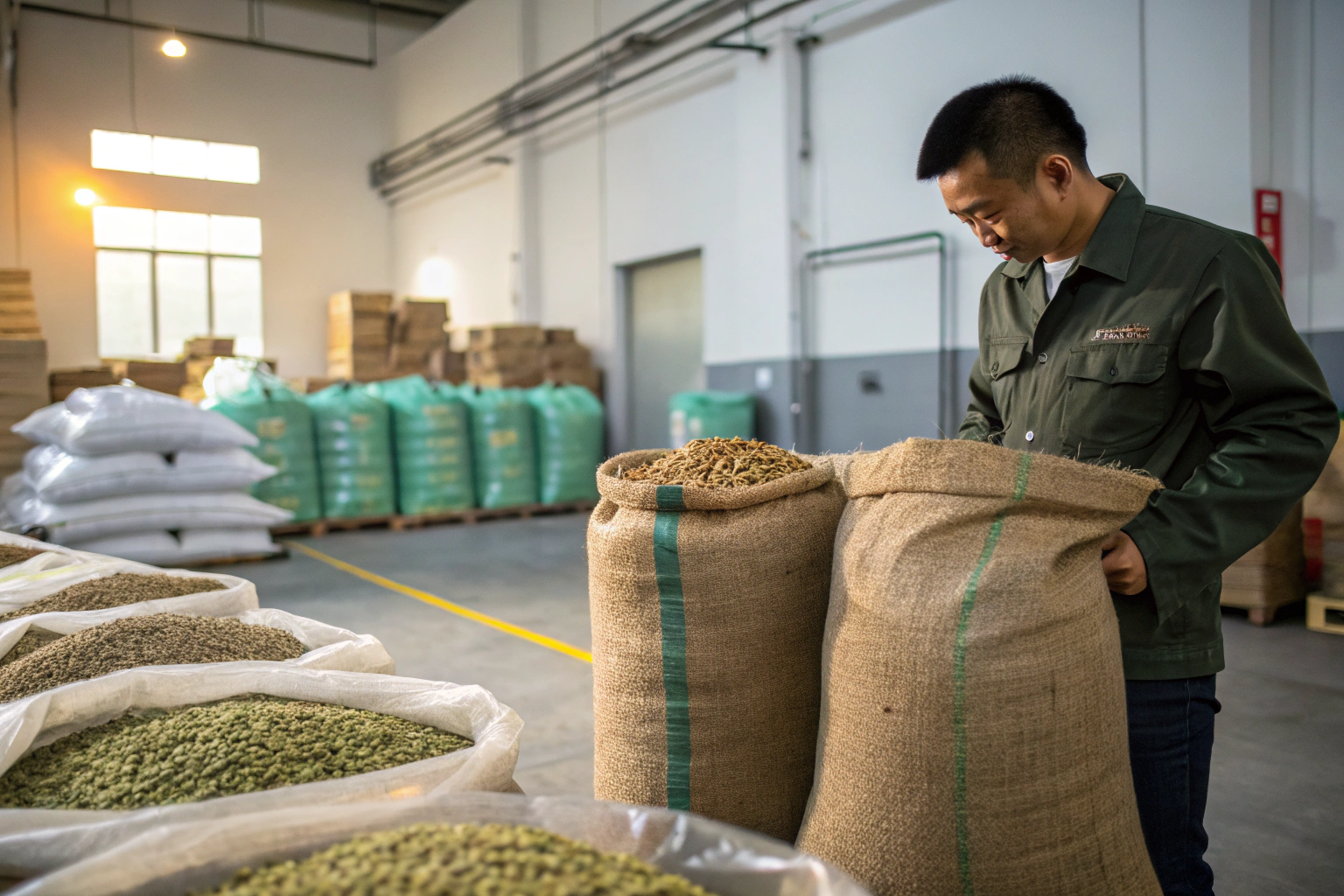
You ship green coffee across the ocean. The beans sit in a container for 30 to 45 days. Heat rises. Humidity changes. By the time the coffee arrives, the buyer cups it and says something is off. The flavor is flat. The aroma is gone. You lose the repeat order. That is the problem. Packaging is the first line of defense. And the industry is changing fast.
New green coffee packaging innovations for export include high-barrier hermetic liners, vacuum-sealed bags for micro-lots, recyclable mono-material films, compostable hermetic pouches, valve-free degassing technology, and reusable 10 kg lot bags. These solutions protect moisture, block oxygen, reduce weight loss, and meet new sustainability rules in Europe and North America. At BeanofCoffee, we test new packaging formats every season from our Yunnan warehouse.
So, what actually works? And what should you ask your supplier for? Let me walk you through the real options. I will share what I see on the ground.
Why Is Traditional Jute Packaging No Longer Enough?
You may still see jute bags everywhere. They are the classic image of coffee. They breathe. They stack well. They are cheap. But they have a problem. They let moisture in. They let oxygen in. They let pests in. Over a long sea voyage, that adds up.
Traditional jute packaging alone is no longer enough for specialty green coffee export because it allows moisture migration, oxidation, and weight loss during long transit. Studies show that green coffee can lose 0.5% to 1.0% of its weight in moisture during a 30 to 45 day sea voyage in standard jute bags. A 1% swing in moisture content can shift cupping scores by 1 to 2 points. That means real money lost.
Let me put this in simple terms. You pay for 300 bags of coffee. You receive 300 bags. But each bag weighs less. You paid for water that is no longer there. And the coffee tastes flatter. The Ethio Coffee packaging guide breaks down the costs clearly. A 300-bag container of Grade 1 coffee at $9.00 per kg has a cargo value of about $162,000. A two-point cupping score drop could cut the market value by $18,000 to $27,000. The cost of adding a GrainPro liner to all 300 bags is about $600 to $900. That math makes the decision easy.
So, what does this mean? It means jute alone is a risk. Jute plus a liner is a system. The liner does the protecting. The jute does the handling.
What Causes Green Coffee Quality Loss During Shipping?
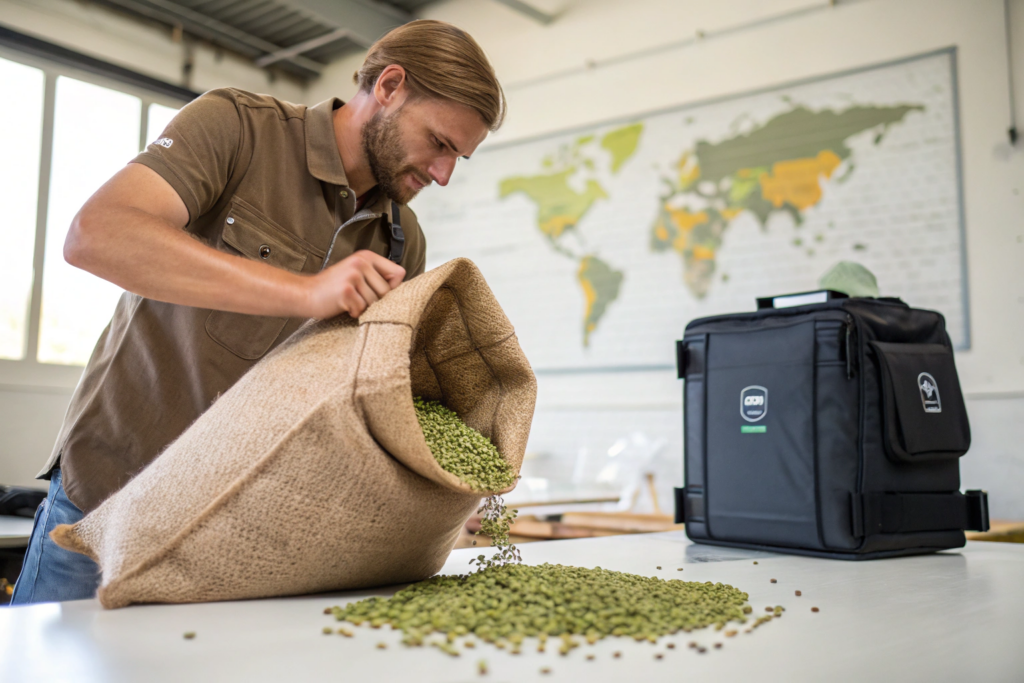
Three forces attack green coffee during transit. First, moisture migration. Green beans hold 10% to 12% internal moisture. If the air around them is more humid, they absorb water. If it is drier, they lose water. Either direction hurts the cup. Second, oxidation. When oils on the bean surface meet oxygen, they break down into papery, flat, and woody flavors. Specialty coffees lose their high-end notes fastest. Third, pest infiltration. Insects and mold spores can penetrate a jute bag and ruin a whole lot.
The MDPI packaging study confirms that jute sacks struggle to preserve the original chemical composition, sensory attributes, and color quality of coffee beans. They are not suitable for long-term storage of specialty coffee. Hermetic packaging is increasingly favored by specialty coffee traders.
How Do Hermetic Liners Solve the Moisture Problem?
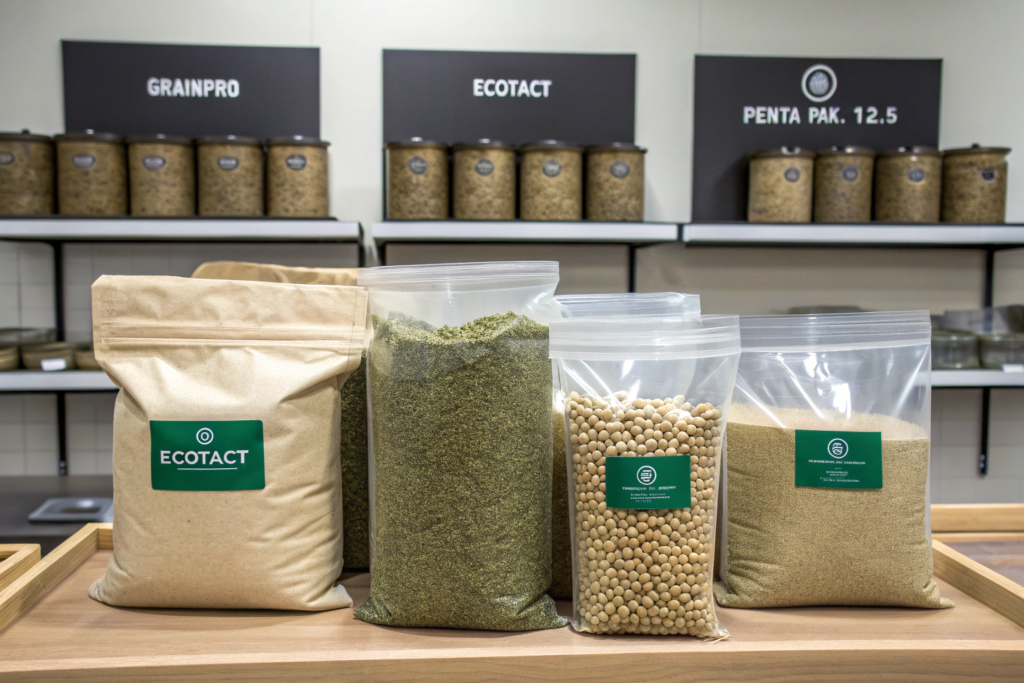
A hermetic liner is a sealed bag inside the jute sack. It blocks air and water. GrainPro and Ecotact are the two big names. The GrainPro system uses Ultra Hermetic technology. It protects crops against insect infestation, mold growth, and bad weather. The Ecotact Penta Pak uses a 9-layer high-barrier film that protects coffee for 365+ days.
These liners work because they stop the exchange of air and moisture. The coffee stays at its original moisture level. No weight loss. No flavor loss. I have shipped coffee with and without liners. The difference in the cup is clear. The lined coffee tastes brighter. It smells sweeter. The buyer notices.
What Are the Top Hermetic Packaging Options?
You walk into a trade show. You see many liner options. They all claim to protect coffee. Some cost more. Some cost less. Which one should you choose? That depends on your lot size, your shipping route, and your buyer's needs.
The top hermetic packaging options for green coffee export include GrainPro liners, Ecotact bags, vacuum-sealed bags, and the new Ecotact Penta Pak 12.5 for 10 kg lots. Each serves a different use case. GrainPro and Ecotact liners fit inside standard 60 kg jute bags. Vacuum bags work for micro-lots and samples. The Penta Pak 12.5 is designed for specialty lots in 10 kg volumes.
Let me break down the options with a simple comparison.
| Packaging Type | Best For | Protection Level | Cost Per Bag (est.) |
|---|---|---|---|
| Jute only | Short transit, commodity | Low | Lowest |
| Jute + GrainPro liner | Long sea freight, Grade 1-2 | High | $2.50-$5.00 |
| Jute + Ecotact liner | Long sea freight, specialty | High | $2.50-$5.00 |
| Vacuum-sealed bag | Micro-lots, samples | Very high | Higher |
| Penta Pak 12.5 | 10 kg specialty lots | Very high | Mid-range |
So, what does this mean? It means you should match the packaging to the value of the coffee. A cheap commodity lot may not need a premium liner. A high-scoring micro-lot always needs one. The Ethio Coffee guide states that hermetic liners are non-negotiable for Grade 1 and Grade 2 lots on long sea freight routes.
What Is the Ecotact Penta Pak 12.5?
Ecotact launched the Penta Pak 12.5 in late 2025. It is a 10 kg hermetic bag with a five-panel pentagonal shape and a flat base. That shape improves stability and allows more efficient stacking. It has a nine-layer high-barrier film that withstands temperatures from minus 30°C to plus 90°C. It is transparent, so you can see the beans. It has a zipper closure for repeated opening and resealing. It is reusable and recyclable.
The Penta Pak 12.5 is aimed at specialty coffee supply chains that need smaller, controlled lot sizes. It holds ISO 9001 and ISO 22000 certifications. It complies with FDA and EU food-contact rules.
I like this format for a specific reason. It lets exporters sell coffee in 10 kg lots directly to roasters. No repacking needed. The roaster opens the bag and roasts. The traceability is built in. The bag has a section for origin, varietal, process, and tasting notes. That is a strong selling point.
How Do Vacuum-Sealed Bags Protect Micro-Lots?
Vacuum-sealed bags take protection to the highest level. They remove all the air. No oxygen. No moisture. The MTPak vacuum bag guide explains that vacuum sealing eliminates oxidation and removes excess moisture that can cause mold. The coffee arrives exactly as the producer intended.
But vacuum bags have limits. They need special equipment. They cost more per unit. They can struggle with stackability unless packed in rigid outer containers. So, they are best for premium micro-lots and limited-edition coffees. Not for full container loads of commodity coffee.
I use vacuum bags for our best Yunnan lots. The ones that score 87 and above. The buyer pays a premium. The packaging protects that premium. That is a fair trade.
How Is Sustainability Changing Green Coffee Packaging?
You may not care about recycling rules. Your buyer might. The European Union has new packaging rules. They start in 2026. They affect imported coffee. If your packaging does not comply, your buyer cannot sell it. That is a problem you need to solve now.
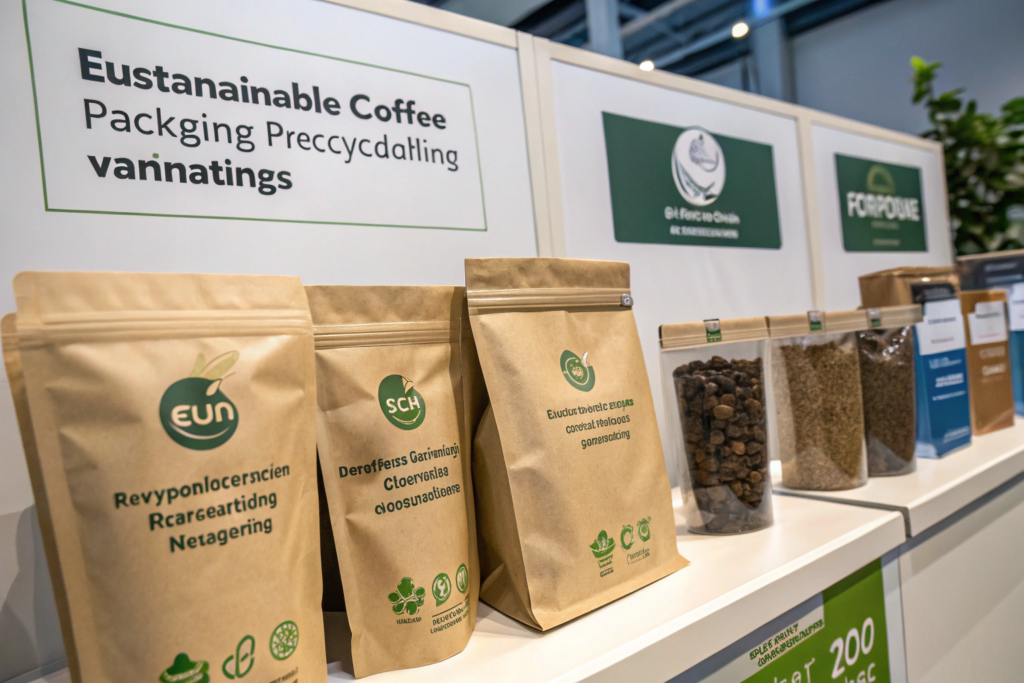
Sustainability is reshaping green coffee packaging through new EU regulations, recyclable mono-material films, compostable hermetic pouches, and valve-free degassing technology. The EU Packaging and Packaging Waste Regulation (PPWR) requires packaging to be reusable or recyclable by 2030. Exporters must now provide declarations of conformity and meet recycled-content targets.
The CZ app analysis explains that the PPWR applies to imported products. For coffee, the main challenge is replacing multi-layer plastic and aluminum packaging with alternatives that have greater recycling potential. The regulation also sets compostability requirements for tea and coffee bags.
So, what does this mean? It means sustainability is not optional anymore. It is a market access issue. If you export to Europe, you need to pay attention.
What Is the PPWR and Why Does It Matter?
The PPWR is the Packaging and Packaging Waste Regulation. It entered into force in August 2025. It sets rules for all packaging sold in the EU, including imports. The first phase requires exporters to submit a declaration of conformity. This includes technical details about packaging composition. By 2030, all packaging must be reusable or recyclable.
For coffee exporters, the biggest impact is on multi-layer plastic films. These films are hard to recycle. The industry is moving to mono-material films. These are made from a single plastic type, like polyethylene or polypropylene. They are easier to recycle. They also need an extra barrier layer to block oxygen. Companies use ethylene vinyl alcohol for this.
The SÜDPACK CarbonLite range is one example. It uses PP-based mono-materials that are more than 90% recyclable. The Mondi portfolio also includes mono-material SoftPack and VacuumPack formats in PP or PE.
What About Compostable Packaging?
Compostable packaging is another path. GrainPro launched a compostable hermetic pouch. It is made entirely of food-grade and renewable plant-based materials. It provides airtight and moisture-proof protection for 250 to 850 grams of coffee. It is 100% compostable and leaves no microplastics behind.
The SCA Best New Product Awards recognized this pouch. It is a strong option for sample shipments and small lots. It shows buyers that you care about the environment.
But compostable packaging has limits. It may not work for long sea voyages. It may not handle heavy stacking. It costs more. So, use it where it fits. Samples. Small lots. Brand-building shipments. Not full container loads.
What Is Valve-Free Degassing Technology?
Valves are a small but important part of coffee packaging. Roasted coffee releases CO2. Valves let the gas escape without letting oxygen in. But valves are plastic. They are hard to recycle. They add cost.
TiMELESS is a new technology that eliminates valves. It uses ultrasonic sealing to form micro-channels in the packaging film. CO2 escapes. Oxygen stays out. No plastic valve needed. The TiMELESS system eliminates about 6.47 billion plastic valves annually. It reduces packaging costs. It has been adopted by major coffee brands in Japan.
This technology is mostly for roasted coffee right now. But it shows where the industry is going. Valve-free, recyclable, simplified. Green coffee exporters should watch this space.
Can New Packaging Reduce Costs and Improve Efficiency?
You may think new packaging costs more. It does. A GrainPro liner adds $2.50 to $5.00 per bag. A vacuum bag costs more than jute. But cost is not the whole story. New packaging can save money in other ways. It can reduce weight loss. It can cut rejected shipments. It can open new markets.
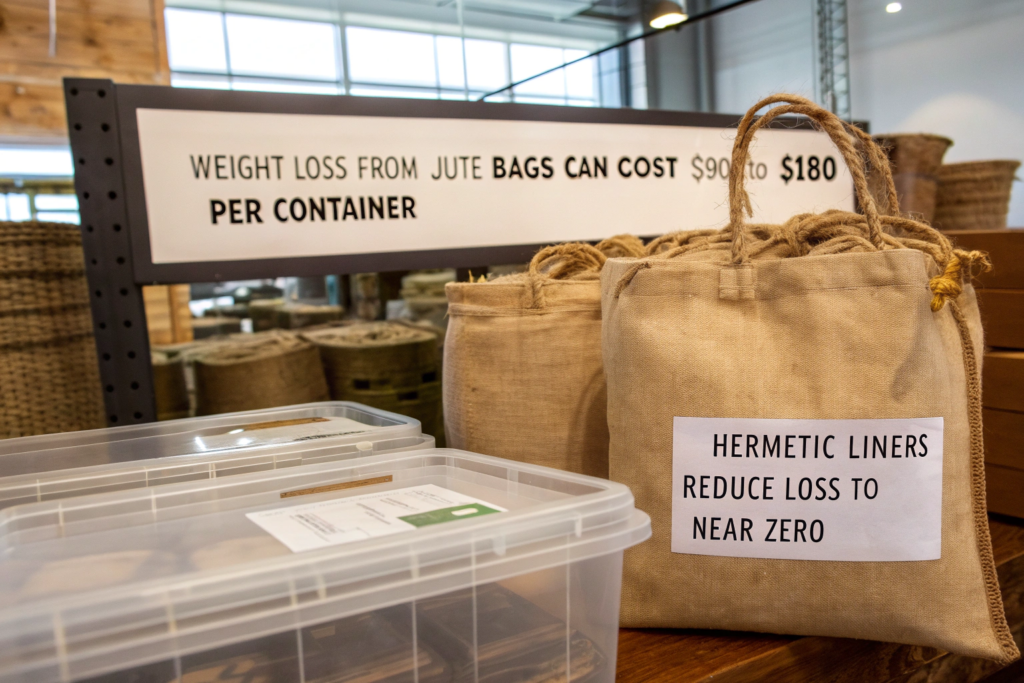
New packaging can reduce costs by preventing moisture weight loss, reducing rejected shipments, enabling smaller lot sizes for higher margins, and meeting buyer requirements for premium contracts. The weight loss alone from jute bags can cost $90 to $180 per container in lost product. Hermetic liners reduce that loss to near zero. The cost of the liner is often lower than the value of the lost coffee.
Let me give you a specific example. A 300-bag container of coffee loses 0.5% to 1.0% of its weight in moisture during transit. At 60 kg per bag, that is 90 to 180 kg of coffee you paid for but did not receive. At $5 per kg, that is $450 to $900 lost. A GrainPro liner for all 300 bags costs $600 to $900. So, the liner pays for itself in weight savings alone. And you get better cup quality. That is a clear return.
So, what does this mean? It means packaging is not just a cost. It is an investment. Treat it that way.
How Does Packaging Affect Landed Cost?
Packaging affects the landed cost in several ways. First, weight loss. Lined bags lose less weight. You receive more coffee. Second, rejection risk. Coffee that arrives in good condition passes inspection. Coffee that arrives moldy or flat gets rejected. A rejected container costs far more than a liner. Third, storage life. Lined coffee holds quality longer. You can sell it over a longer period. That reduces waste.
The Penta Pak 12.5 addresses these issues. It is designed to improve handling, storage, and transport efficiency. It holds 10 kg lots. That makes it easy to move and easy to sell in smaller quantities. Small lots often earn higher margins.
I have seen buyers pay a premium for coffee in Penta Pak bags. Why? Because they know the quality is protected. They know the traceability is clear. They know they can sell it in smaller units. That premium covers the packaging cost and more.
What Should Importers Specify in Their Purchase Contracts?
If you are an importer, you should specify packaging in your contract. Do not leave it to the exporter. The Ethio Coffee guide recommends specifying packaging type, bag weight, liner brand, pre-seal moisture content, and bag marking requirements.
Here is a simple checklist I use with my buyers:
| Contract Item | What to Specify |
|---|---|
| Bag type | Jute, vacuum, Penta Pak |
| Liner brand | GrainPro, Ecotact, or equivalent |
| Bag weight | 60 kg, 30 kg, 10 kg |
| Moisture content | Below 12.5% before sealing |
| Marking | Origin, lot number, crop year |
| Sustainability | Recyclable or compostable if required |
This checklist protects both sides. The buyer knows what to expect. The exporter knows what to deliver. No arguments. No surprises.
Conclusion
Green coffee packaging is changing fast. Jute alone is not enough for long sea voyages. Hermetic liners protect moisture and flavor. Vacuum bags serve premium micro-lots. The Penta Pak 12.5 brings reusable 10 kg lots to specialty traders. Recyclable mono-materials meet new EU rules. Compostable pouches offer a sustainable option for samples. Valve-free technology is coming. These innovations help exporters deliver better coffee at lower risk and lower cost.
If you want a supplier who uses the right packaging for your market, contact us. BeanofCoffee owns over 10,000 acres in Baoshan, Yunnan. We export Catimor, Arabica, and Robusta to North America, Europe, and Australia. We can ship in jute, GrainPro-lined jute, vacuum bags, or Penta Pak 12.5. We share moisture reports and packaging specs before every shipment. For orders or questions, email Cathy Cai at cathy@beanofcoffee.com. She will help you choose the best packaging for your coffee.