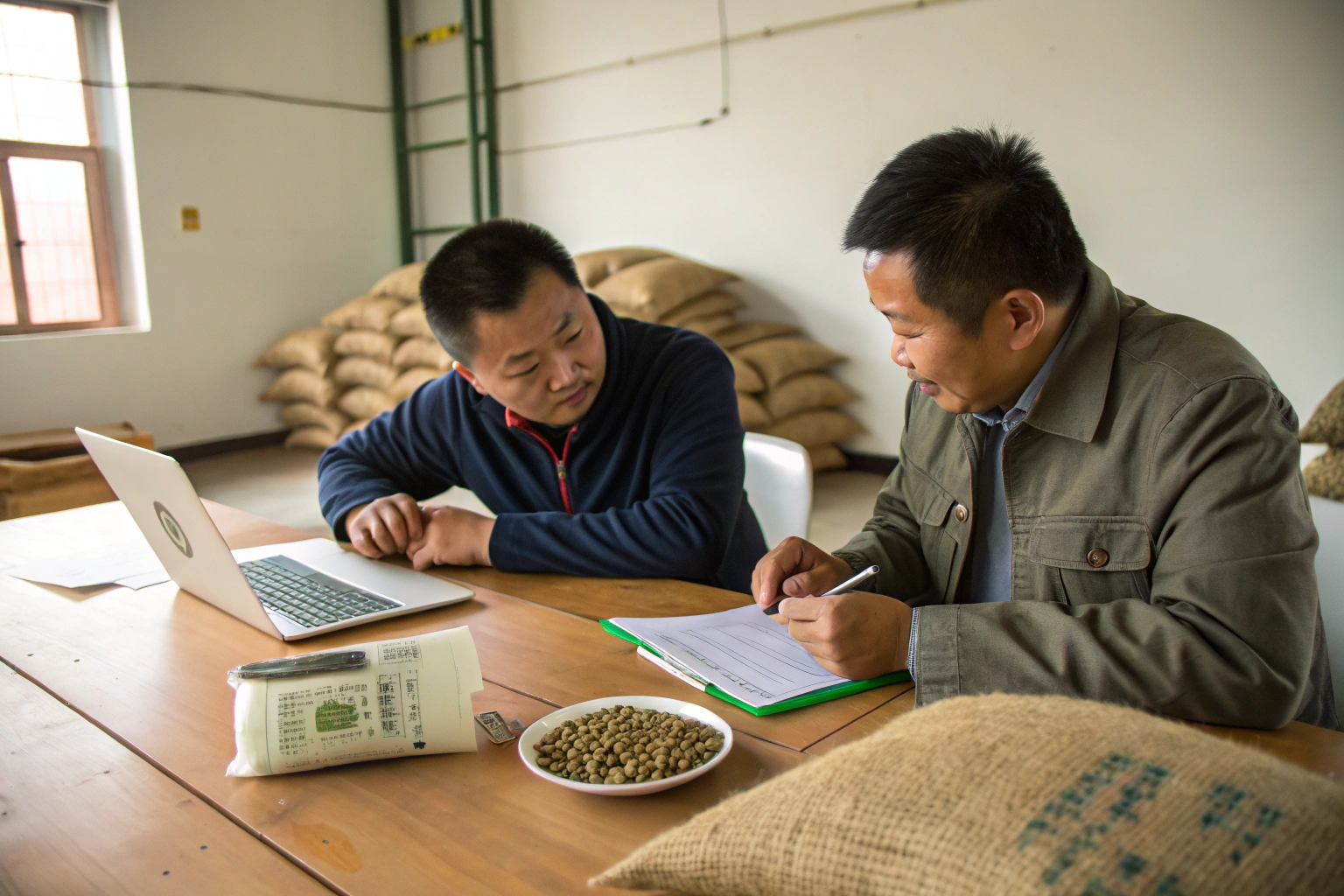
If you buy coffee beans from China, you may want a steady supplier. You may want a locked price. You may want priority during harvest. That sounds good. But an exclusive supply agreement can also trap you. Ron, I know you care about price, timeliness, quality, tariffs, and payment security. If the contract is weak, you lose leverage. If the contract is too tight, you lose flexibility. That is a real risk.
An exclusive supply agreement for beans is a contract where one seller agrees to supply coffee beans mainly to one buyer, and one buyer agrees to buy mainly from that seller. It should define exclusivity scope, volume, price, quality, delivery, payment, penalties, and exit rules. It must also fit coffee reality, because harvest, shipping, tariffs, and quality can change.
This article will show you how to structure it step by step. I will use my experience as a Chinese coffee exporter. I will also share how we handle these deals at BeanofCoffee. Then you can protect your margin and your supply.
Why Do You Need an Exclusive Supply Agreement?
You may ask why you need a contract at all. A handshake feels faster. An email feels simple. But coffee is a seasonal product. Prices move. Shipping moves. Quality moves. If you do not write the rules down, you may get less coffee than you planned. You may get a higher price. You may get a different bean. That hurts your brand.
You need an exclusive supply agreement when you want priority supply, stable pricing, and a close working relationship with one coffee exporter. It helps you plan roast schedules, cold brew production, and retail launches. It also helps the exporter plan farming, processing, and shipping. But exclusivity must be limited in time, volume, and territory.
At BeanofCoffee, we sign exclusive deals only when both sides are clear. We own over 10,000 acres of coffee bean plantations in Baoshan City, Yunnan Province. We export Catimor, Arabica, and Robusta. We also work with cooperatives. That mix gives us supply options. But exclusivity still needs limits. If a buyer asks for all our coffee forever, that is not a partnership. That is a takeover. So, we set clear boundaries.
| Exclusive Deal Point | Why It Matters |
|---|---|
| Time limit | Avoids being locked in forever |
| Volume range | Allows harvest ups and downs |
| Territory | Defines where you can sell |
| Product scope | Defines which beans are covered |
| Price method | Avoids fights when markets move |
| Exit plan | Protects both sides |

What Is an Exclusive Supply Agreement?
An exclusive supply agreement is a written contract. It says one party will supply goods mainly to the other. It also says the buyer will buy mainly from that supplier. In coffee, it may cover green beans, roasted beans, or packaged products. It may cover one origin, like Yunnan. It may cover one bean type, like Arabica. It may cover one market, like the United States. The Cornell Law School Wex explains basic contract rules. The U.S. Small Business Administration offers plain guidance on business contracts. I tell buyers to read both. Then ask a lawyer. A contract is not a mood. It is a tool. It should say who, what, when, where, how much, and what happens if something fails. If those points are missing, the deal is weak. If they are clear, the deal can work for years.
Why Is Exclusivity Risky for Buyers?
Exclusivity is risky for buyers because it limits choice. If your supplier fails, you may have no backup. If prices fall, you may pay above market. If quality drops, you may be stuck. The FTC Guide to Antitrust Laws and Cornell antitrust explain why exclusive dealing can raise competition concerns. I am not a lawyer. But I know business. A buyer should not sign away all freedom. You need a performance clause. You need a quality clause. You need an exit clause. For example, if the supplier misses two shipments in a row, you should be able to buy elsewhere. If the coffee fails cupping twice, you should be able to pause the deal. Exclusivity should reward good work. It should not punish you for someone else's bad work. So, keep it narrow. Keep it measurable. Keep it fair.
What Should an Exclusive Bean Contract Include?
You may now want a checklist. I like checklists. They keep talks clear. A coffee contract is not just a price and a date. It is a map of the whole deal. It should cover product, quality, volume, price, shipping, payment, and risk. If one part is vague, trouble starts later.
An exclusive bean contract should include the parties, product description, origin, harvest year, quality standard, sample approval, volume commitments, price formula, Incoterm, shipping schedule, payment terms, inspection rights, penalties, confidentiality, and exit rules. It should also state whether exclusivity covers green beans, roasted beans, or both.
At BeanofCoffee, we use a written spec sheet for every lot. It lists moisture, defect count, screen size, cup score, and processing method. Then we attach it to the contract. That stops arguments later. A bean is not just a bean. A "Yunnan Arabica" can mean many things. A spec sheet makes it real.
| Contract Section | Simple Question |
|---|---|
| Product | Which bean and which origin? |
| Quality | What score and what defects? |
| Volume | How many kilos per month? |
| Price | Fixed or formula based? |
| Shipping | FOB, CIF, or DDP? |
| Payment | Deposit, LC, or open account? |
| Penalty | What if one side fails? |
| Exit | How can either side leave? |
Which Clauses Matter Most in Coffee Contracts?
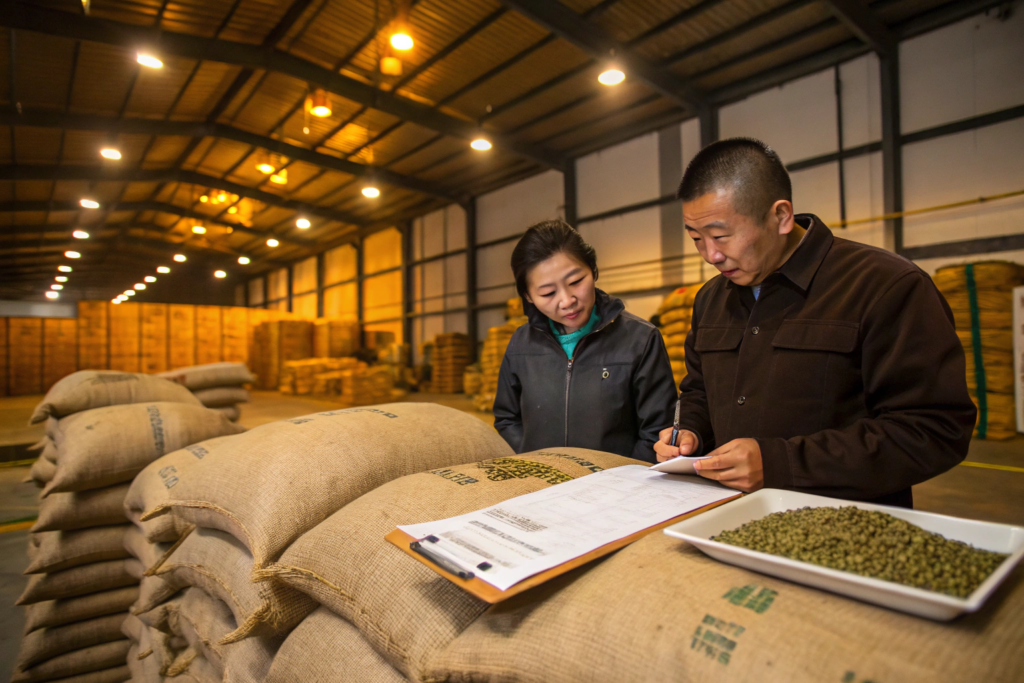
The clauses that matter most are quality, volume, price, shipping, payment, and exit. Quality clauses should name the cupping standard and the sample approval process. Volume clauses should give a range, not one fixed number. Coffee harvest can rise or fall. Price clauses should say when the price is set and what happens if the market moves. Shipping clauses should name the Incoterms rules and the port. Payment clauses should name the deposit, the balance date, and the bank fees. The Trade.gov Incoterms guide helps buyers understand delivery terms. I tell buyers to avoid vague words like "best quality" or "reasonable time." Those words cause fights. Use numbers. Use dates. Use clear steps. Then both sides know what to do.
How Do You Define Quality Standards?
You define quality standards with a written spec and a cupping protocol. Start with green bean data. Record moisture, water activity, defect count, screen size, and foreign matter. Then record the sample roast profile. Then cup the coffee blind. Use standards from the Coffee Quality Institute and the Specialty Coffee Association. Set a minimum score. Set a maximum defect count. Set a clear rejection rule. For example, if the cupping score drops below 82, the buyer can reject the lot. If moisture is above 12.5%, the lot must be re-dried. These numbers protect both sides. They also make shipping smoother. A customs broker may ask for food safety records. A roaster may ask for moisture data. If the contract already defines these points, everyone saves time. So, quality is not a soft topic. It is a hard clause. Write it down.
How Do You Set Price and Volume Terms?
You may want a fixed price. That feels safe. But coffee prices move. Shipping costs move. Tariffs move. Currency moves. A fixed price for a full year can hurt one side. If the market rises, the seller loses. If the market falls, the buyer overpays. So, you need a fair method. You also need a volume plan that matches harvest and shipping.
You set price and volume terms with a formula, a review window, and a volume range. A common method links the green bean price to a market index plus a fixed processing and export fee. Volume should be a monthly range, not one rigid number. The contract should also say what happens if the harvest is short or the buyer needs more coffee.
At BeanofCoffee, we prefer a base price plus a quality premium. If the cup score is higher, the price can rise. If the defect count is low, the price can rise. If the harvest is weak, we agree on a smaller shipment. That keeps the deal alive. A dead contract helps no one.
| Pricing Method | Best Use |
|---|---|
| Fixed price | Short deals with stable costs |
| Formula price | Long deals with market moves |
| Base plus premium | Quality-focused deals |
| Floor and ceiling | Shared risk deals |
| Seasonal review | Harvest-based deals |
How Do You Set a Fair Price Formula?
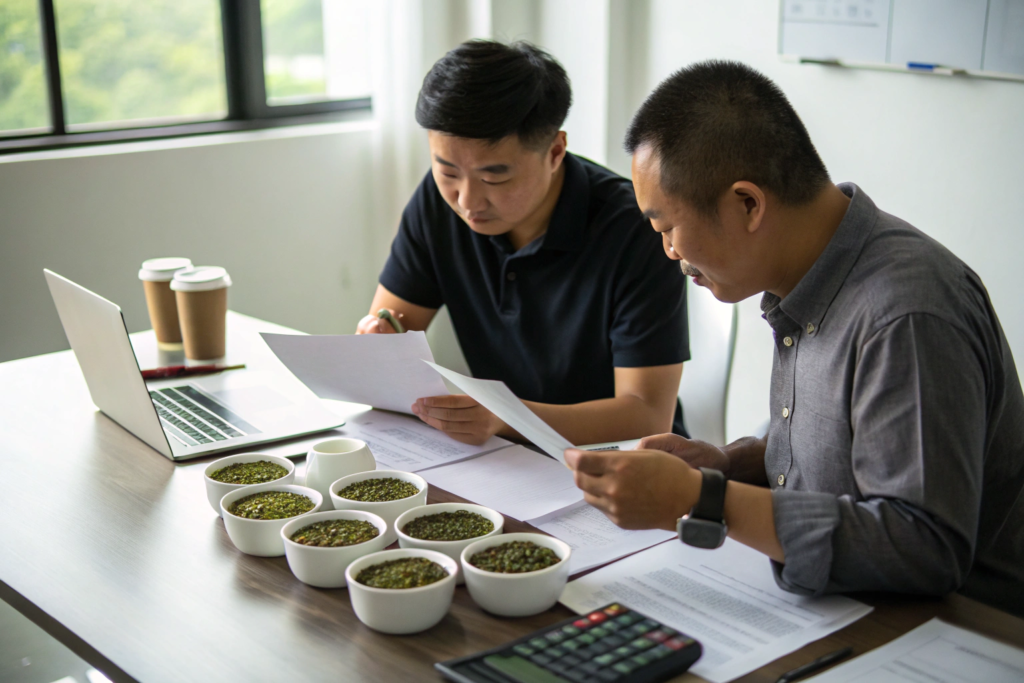
You set a fair price formula by naming the base, the premium, and the fees. The base can come from a public coffee index. The International Coffee Organization publishes market data. The FAO coffee page gives broad trade context. Then add a processing fee. Add a packing fee. Add an export fee. Add a quality premium. The contract should say when the price is locked. It should say which currency is used. It should say who pays bank fees. It should say what happens if freight jumps. I tell buyers to review the formula every quarter. That is not too often. It is enough to stay fair. A good formula is simple. If it needs a spreadsheet with 50 tabs, it is too complex. Keep it clear. Keep it testable. Keep it tied to real data.
What Volume Commitments Should You Make?
Volume commitments should be a range, not a single number. For example, the buyer agrees to buy 20 to 30 tons per month. The seller agrees to reserve that range. If the harvest is good, the buyer can take more. If the harvest is weak, the seller can ship less. The contract should also set a minimum and a maximum. It should say how much notice is needed for changes. It should say what happens if the buyer cancels. It should say what happens if the seller cannot fill. Shipping capacity matters too. You can check Freightos and Maersk for route and capacity signals. A volume promise without shipping space is just a wish. So, link volume to sailing schedules. Then both sides can plan. That is how you avoid dead stock and empty containers.
How Do You Protect Quality and Delivery?
You may have a good price and a good volume plan. But quality and delivery can still fail. A late ship can miss your launch. A wet bag can ruin your roast. A missing document can stop customs. So, you need protection. You need checks before, during, and after shipment.
You protect quality and delivery with sample approval, production roast approval, third-party inspection, packing rules, shipping buffers, clear Incoterms, and document checks. The contract should also state penalties, cure periods, and replacement rules. This keeps small problems from becoming big losses.
At BeanofCoffee, we share photos and batch records before shipment. We also plan buffer time for ocean freight. That helps buyers in North America, Europe, and Australia. It also helps us avoid demurrage and storage fees.
| Protection Tool | What It Does |
|---|---|
| Sample approval | Sets the taste target |
| Production check | Confirms batch match |
| Third-party inspection | Adds independent proof |
| Packing rule | Protects beans in transit |
| Shipping buffer | Reduces delay risk |
| Document check | Avoids customs holds |

How Do You Protect Delivery and Shipping?
You protect delivery and shipping with clear terms and early planning. Name the Incoterm. Name the port. Name the sailing window. Name the documents. Use Flexport and U.S. Customs and Border Protection as resources for logistics and customs. The contract should say who books the space. It should say who pays demurrage. It should say what happens if a sailing is blank. It should also say how much notice the seller must give. I tell buyers to add a two-week buffer. It is not perfect. But it helps. If the coffee is for a holiday launch, add more. A late container can cost more than the coffee itself. So, delivery is not just a shipping task. It is a profit task. Write it into the deal. Then track it every week.
What Happens If Quality or Delivery Fails?
If quality or delivery fails, the contract should give a clear path. First, the buyer should notify the seller in writing. Second, both sides should check the samples and records. Third, the seller should get a cure period. Fourth, if the problem continues, the buyer should get a remedy. Remedies can include a discount, a replacement lot, or a right to buy elsewhere. Food safety rules from the FDA and export services from USDA AMS matter here. If a lot fails food safety, it cannot be sold. So, the contract should say who pays for testing and disposal. It should also say how fast the seller must respond. I have seen deals break because no one wrote down the fix. Do not let that happen. Write the fix before you need it. Then both sides can stay calm.
Conclusion
An exclusive supply agreement for beans can be a strong tool. It can lock in supply. It can stabilize price. It can build trust. But it can also trap you if it is vague. So, define the scope. Limit the time. Set a volume range. Use a fair price formula. Write clear quality standards. Plan shipping and documents. Add penalties and exit rules. Then test the deal with small lots before you scale. This process protects your margin and your brand. If you want a reliable coffee bean partner in China, please contact us at BeanofCoffee. We own over 10,000 acres of coffee bean plantations in Baoshan City, Yunnan Province. We export Catimor, Arabica, and Robusta. We support raw beans and processed, packaged products. For orders, samples, and export details, please contact Cathy Cai at cathy@beanofcoffee.com.