If you bought Yunnan Arabica five years ago, you may think you know the taste. Nutty. Mild. Simple. That memory is now outdated. Ron, I know you care about price, quality, shipping time, tariffs, and trust. A shifting flavor profile can feel like a risk. You may worry that next season will taste different again. That worry is real. But the change is also a chance to stand out.
The tasting notes of Chinese Arabica are evolving rapidly because of new coffee varieties, better water quality at washing stations, coffee competitions that reward quality, and buyer feedback that pushes farms to improve. Yunnan farmers now grow Bourbon, Typica, Geisha, and local hybrids alongside Catimor. They also control fermentation, drying, and sorting with more skill. The result is a wider range of flavors, from clean citrus and floral notes to rich berry, cocoa, and tea-like cups.
This article will explain what is changing and why. I will share what I see as a Chinese coffee exporter. I will also show how buyers can work with these changes at BeanofCoffee. Then you can plan your next order with more confidence.
How Are New Coffee Varieties Changing Yunnan Flavor?
You may think Catimor is all that Yunnan grows. That was true for many years. Catimor is strong. It resists disease. It gives good yield. But it often tastes simple. Farmers and buyers both wanted more. So, new varieties entered the scene. That changed the cup.
New coffee varieties are changing Yunnan flavor because Bourbon, Typica, Geisha, and Pacamara bring different sugar, acid, and aroma profiles. These varieties often cup with more sweetness, brighter acidity, and clearer fruit or floral notes. Farmers plant them at higher altitudes and process them with more care. That raises quality and price.
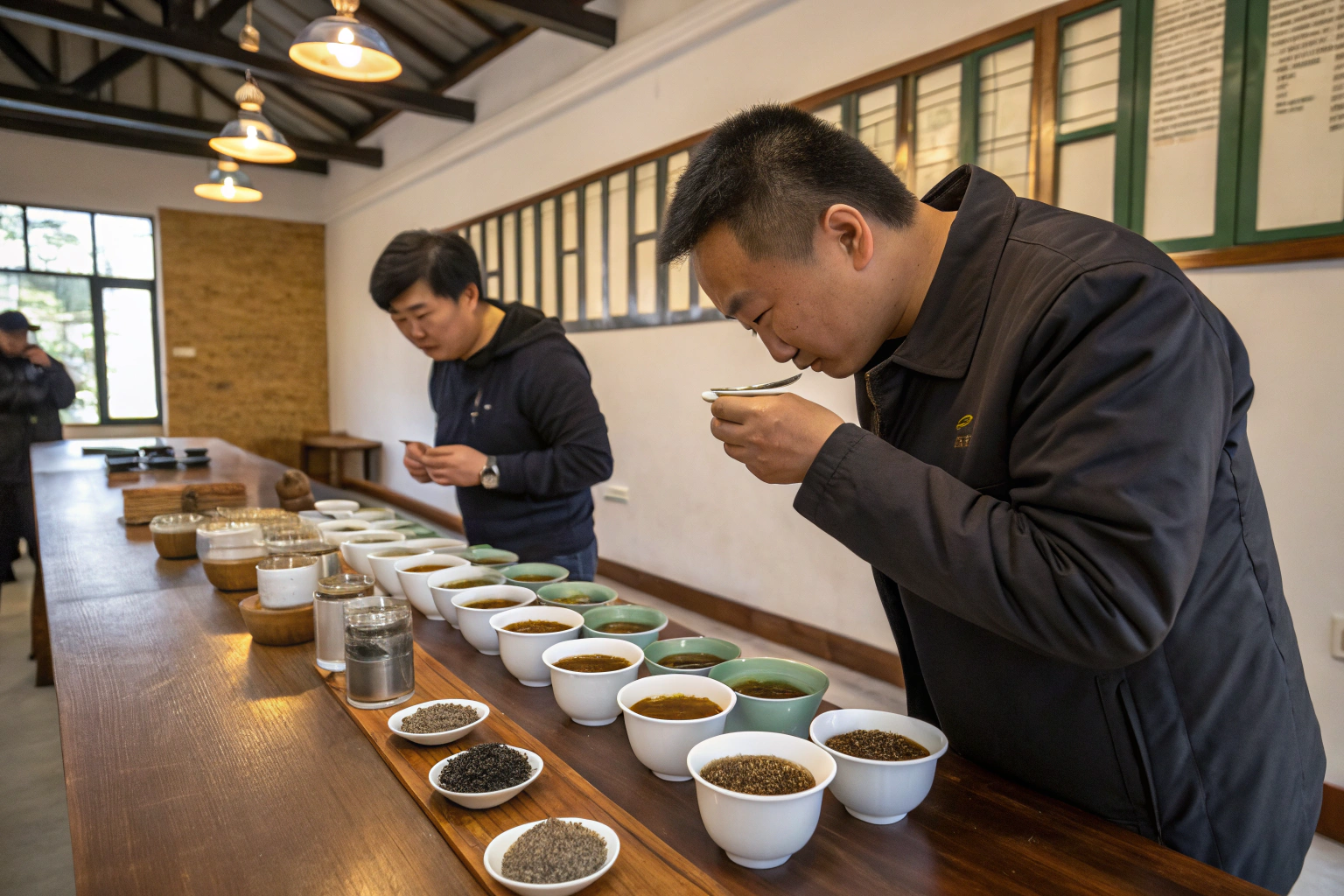
At BeanofCoffee, we test several varieties each season. We cup them side by side. The difference is easy to taste. A Bourbon lot may show red apple and caramel. A Geisha lot may show jasmine and citrus. A Typica lot may show clean sweetness and tea-like body. These notes were rare in Yunnan ten years ago. Today, they are growing.
| Variety | Common Flavor Notes |
|---|---|
| Catimor | Nutty, chocolate, simple |
| Bourbon | Red fruit, caramel, sweet |
| Typica | Clean, tea-like, mild |
| Geisha | Floral, citrus, tea |
| Pacamara | Stone fruit, cocoa, bold |
How Do New Varieties Enter Yunnan Farms?
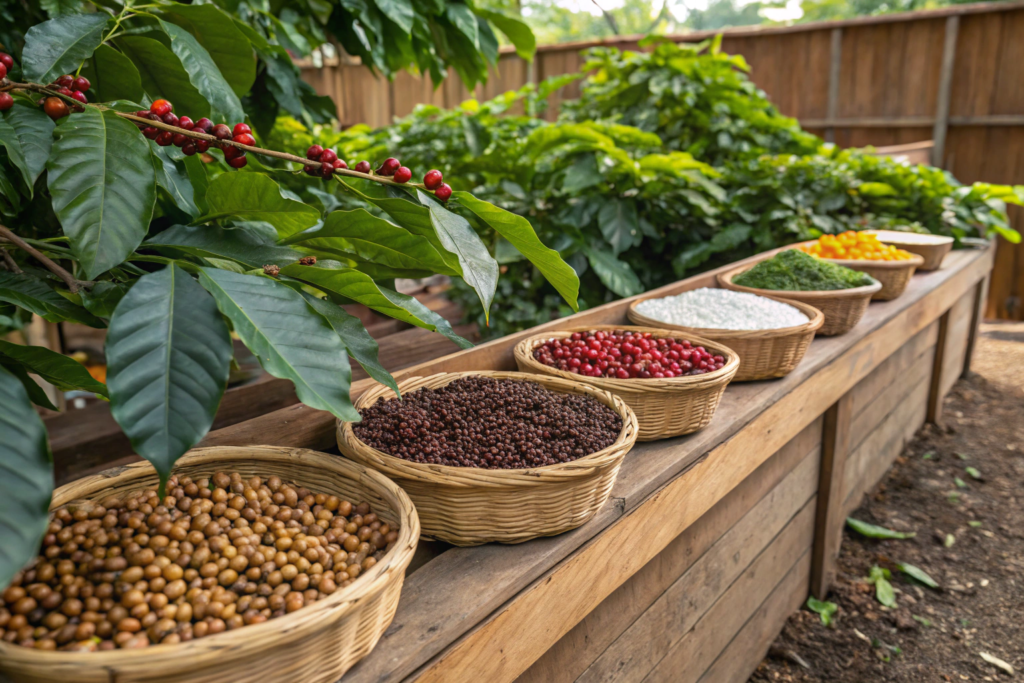
New varieties enter Yunnan farms through research stations, cooperatives, and buyer demand. Groups like World Coffee Research study which varieties fit which climate. The FAO coffee page tracks global coffee production and trade. In Yunnan, the local agriculture bureau and coffee companies also test new plants. A farm may start with a small plot. If the cup scores high, they plant more. If the market pays more, neighbors follow. I have seen this happen in Baoshan. One farm planted Geisha on a small hill. The next year, three neighbors asked for seeds. That is how change spreads. It is slow at first. Then it moves fast. Buyers should ask which variety they are buying. Then cup it. Do not assume all Yunnan Arabica tastes the same.
What Flavors Do New Varieties Bring?
New varieties bring several new flavors. Bourbon often adds red fruit and caramel. Typica adds clean sweetness and a light body. Geisha adds floral and citrus notes. Pacamara adds stone fruit and cocoa. These flavors come from genetics, but also from farming and processing. A Geisha grown at low altitude may taste flat. A Geisha grown at high altitude with careful processing may taste bright and complex. The Coffee Review and Perfect Daily Grind have tracked these variety-driven shifts. I tell buyers to cup varieties blind. Then compare them with their market. A filter roaster may love Geisha. A cold brew brand may prefer Bourbon or Pacamara. A blend may need Catimor for body. So, variety choice is a business choice. It affects price, flavor, and story. Use it well.
What Role Do Coffee Competitions Play in Flavor Change?
You may not follow coffee competitions. That is fine. But they matter more than you think. They set a target. They reward quality. They push farmers to improve. A win can change a farm's future. It can also change a whole region.
Coffee competitions play a big role in flavor change because they reward clean, sweet, complex cups. Farmers learn what judges want. They adjust picking, fermentation, drying, and sorting. A high score can raise farm income and attract buyers. It also pushes neighbors to copy the winning methods. This cycle lifts the whole origin.
Groups like the Cup of Excellence and the Specialty Coffee Association run or support these events. In China, local competitions are growing. I have seen farmers change their processing after one competition. They taste the winning lots. They ask questions. Then they try new methods at home. That is how quality spreads.
| Competition Effect | Farm Result |
|---|---|
| High score | Higher price |
| Judge feedback | Clear quality goals |
| Buyer attention | New contracts |
| Media coverage | Origin fame |
| Neighbor copying | Regional quality rise |
How Do Coffee Competitions Work?
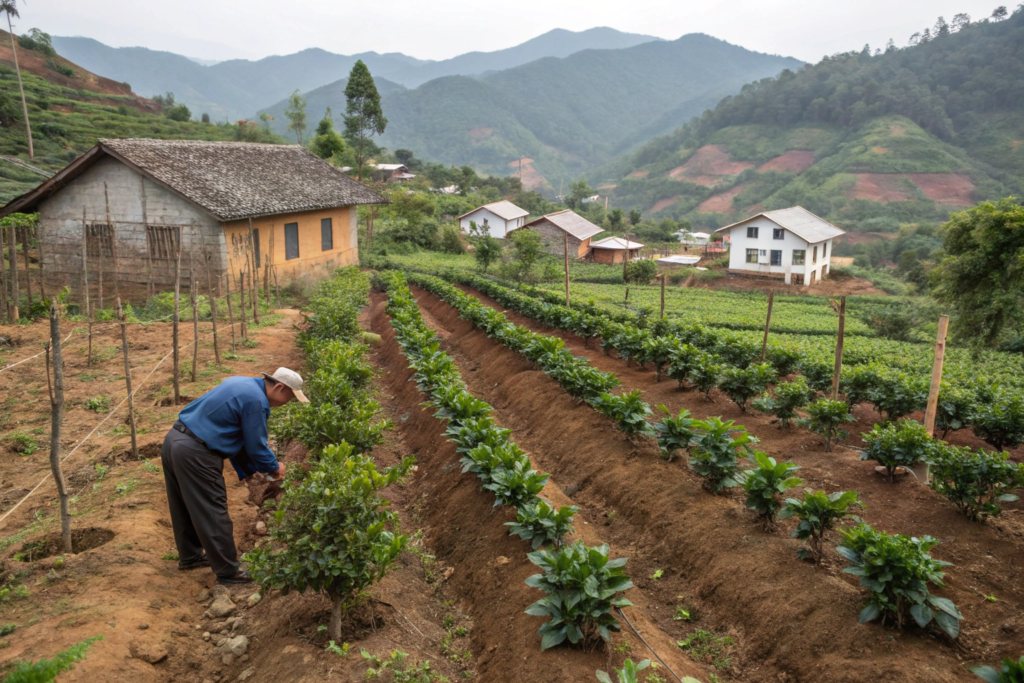
Coffee competitions work in stages. First, farms submit samples. Second, judges cup them blind. Third, the top lots move to national or international rounds. Fourth, the best lots are auctioned. Judges score sweetness, acidity, body, aftertaste, and defects. They also check for clean flavor. A single defect can drop a score. A clean, sweet cup can win. The Coffee Quality Institute and Daily Coffee News explain these formats. I tell buyers to look at competition results. A winning lot shows what the origin can do. It also shows which farms are serious about quality. That data helps you find good suppliers. It also helps you set your own quality target.
What Do Competition Wins Mean for Buyers?
Competition wins mean several things for buyers. First, they show a farm can produce top quality. Second, they show the farm has good records. Third, they show the farm can handle attention and orders. Fourth, they often raise the price. A winning lot may cost much more than a standard lot. That is fair. But it may not fit every buyer. A cold brew brand may not need a 90-point Geisha. A filter roaster may want it. So, match the lot to your market. You can also use competition results to find up-and-coming farms before prices jump. The Global Coffee Platform and Fairtrade support this kind of long-term sourcing. I tell buyers to build relationships with farms that score well but have not won yet. That is where value lives.
How Does Water Quality Shape Chinese Arabica Taste?
You may focus on variety and roast. But water is a hidden factor. It touches every step. It washes the cherries. It runs through the tanks. It affects fermentation. It can add flavor. It can also add problems. Many buyers never ask about water. That is a mistake.
Water quality shapes Chinese Arabica taste because it affects fermentation, washing, and microbial activity. Clean, mineral-balanced water helps produce clean, sweet cups. Dirty water or water with too much iron or chlorine can create off-flavors, uneven fermentation, and defects. As Yunnan farms improve water systems, cup quality rises.
At BeanofCoffee, we check water sources at our washing stations. We also work with nearby farms to improve water handling. Clean water is not expensive. But it must be managed. A simple filter or settling tank can make a big difference.
| Water Factor | Cup Effect |
|---|---|
| Clean source | Clean, sweet flavor |
| Iron or chlorine | Metallic or chemical notes |
| Good minerals | Balanced fermentation |
| Dirty tanks | Off-flavors, defects |
| Low oxygen | Slow, uneven fermentation |
How Does Water Quality Affect Fermentation?
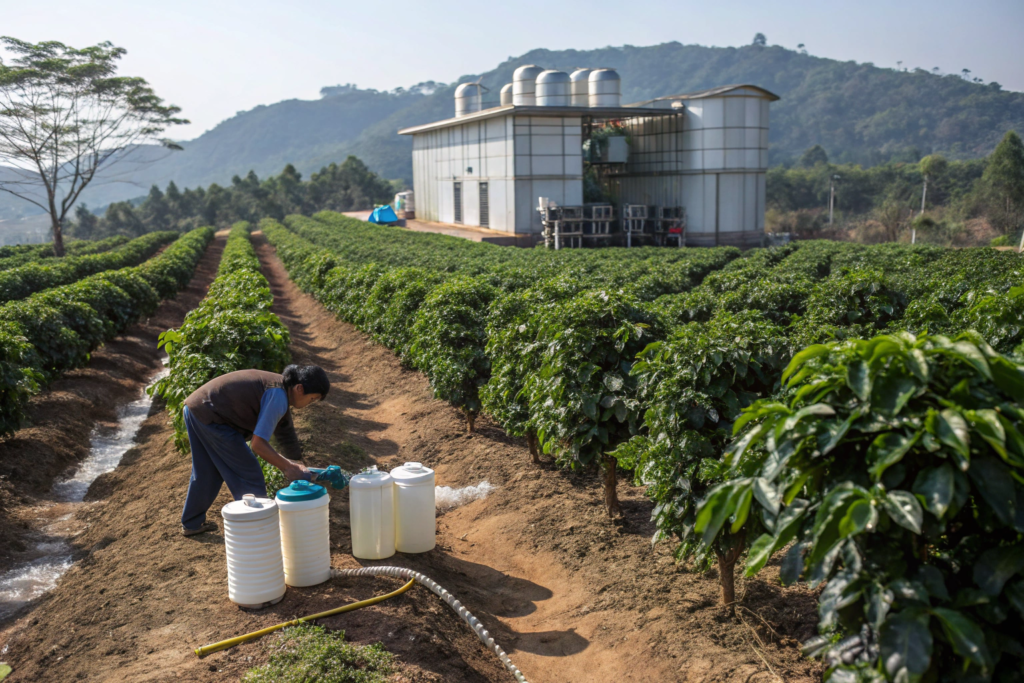
Water quality affects fermentation in direct ways. Fermentation depends on microbes. Those microbes live in water and on the cherry. If the water is dirty, bad microbes can grow. That creates vinegar, alcohol, or moldy notes. If the water has too much chlorine, it can stop fermentation. That leaves grassy or flat notes. If the water has good minerals, fermentation moves at a steady pace. That builds sweetness and clarity. The Coffee Chemistry and Barista Hustle explain these interactions. I tell buyers to ask about water treatment. A farm that filters water and cleans tanks is a farm that cares about quality. That care shows up in the cup. So, water is not a small detail. It is a core quality tool.
What Can Farmers Do to Improve Water?
Farmers can improve water in several ways. First, protect the source. Keep animals and chemicals away. Second, use settling tanks. Let solids drop out. Third, filter the water. Remove iron, chlorine, and dirt. Fourth, clean tanks between lots. Fifth, control temperature. Warm water ferments faster. Cold water ferments slower. Sixth, test pH and minerals. Groups like the Rainforest Alliance and TechnoServe support these steps. I have seen a farm raise its cup score by two points after fixing its water. That is a big jump. It also raised income. So, water is a smart investment. Buyers should ask about it. Then reward the farms that do it well.
Why Do Roasters Need to Adapt to Evolving Yunnan Coffee?
You may now have a new lot. It tastes different from last year. Your old roast profile may not work. That can be frustrating. But it is also normal. Coffee changes. Farms change. You must change too. A good roaster adapts. A great roaster plans for it.
Roasters need to adapt to evolving Yunnan coffee because new varieties, processing methods, and harvest conditions change bean density, moisture, and sugar content. A profile that worked for Catimor may not work for Bourbon or Geisha. Roasters should test each lot, adjust charge temperature, airflow, and development time, and cup the result. This keeps the cup balanced and consistent.
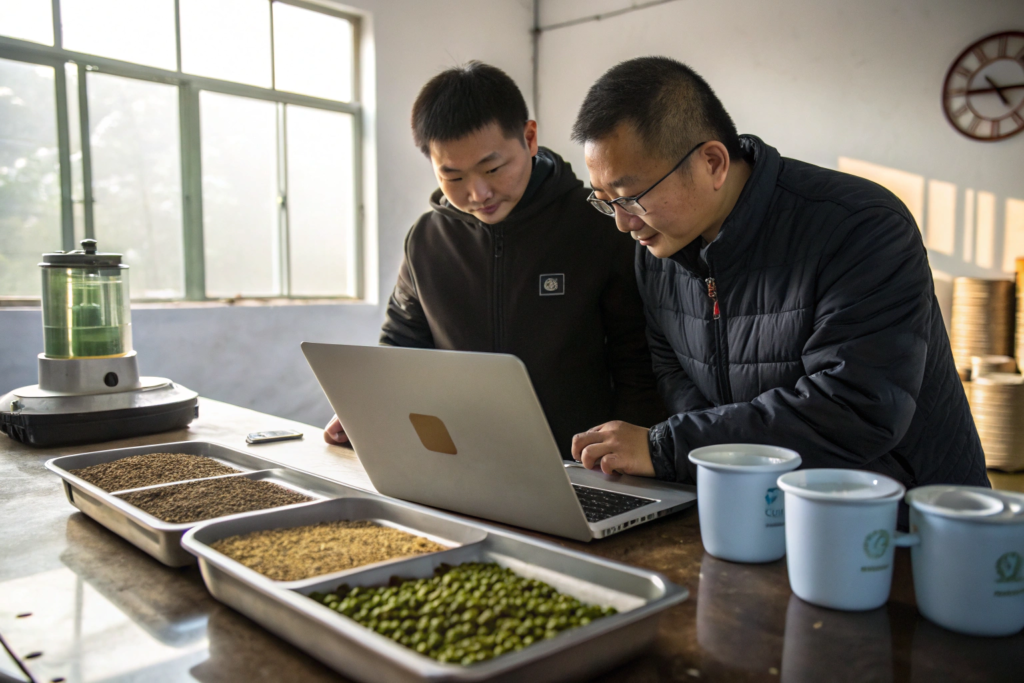
At BeanofCoffee, we share green bean data with buyers before shipment. We include moisture, density, screen size, and processing method. That helps roasters plan. It also helps them avoid surprises. A small change in the profile can make a big difference in the cup.
| Bean Change | Roast Adjustment |
|---|---|
| Higher density | More heat at start |
| Higher moisture | Longer drying phase |
| Natural process | Lower heat, longer development |
| Washed process | Higher heat, shorter development |
| Geisha variety | Gentle profile, light roast |
How Should Roasters Adjust Their Profiles?
Roasters should adjust profiles with data and cupping. Start with a sample roast. Test three profiles. Cup them side by side. Then pick the best. For dense beans, use more heat at the start. For high moisture, extend the drying phase. For natural coffee, use lower heat and longer development. For washed coffee, use higher heat and a shorter development. The Roastmasters and Coffee Review share useful roast guidance. I also tell roasters to keep notes. Write down charge temperature, first crack time, development time, and drop temperature. Then compare. Over time, you build a profile library. That library helps you handle new lots fast. It also helps you train new staff. So, adaptation is not a one-time task. It is a habit.
What Data Helps Roasters Plan?
Several data points help roasters plan. First, moisture and water activity. Second, density and screen size. Third, processing method. Fourth, variety. Fifth, harvest date. Sixth, cupping score and notes. The International Coffee Organization and National Coffee Association track market and quality trends. I tell buyers to ask for this data before the coffee ships. Then share it with the roaster. The roaster can prepare profiles in advance. That saves time and reduces waste. It also improves consistency. A roaster who knows the bean before it arrives can roast better from day one. That is a real advantage. So, data is not just for buyers. It is for the whole team. Use it well.
Conclusion
Chinese Arabica is changing fast. New varieties add sweetness and complexity. Competitions push quality higher. Better water improves fermentation. Roasters must adapt to new lots. These changes can feel risky. But they also offer a chance to stand out. Buyers should track variety, processing, water, and harvest data. They should cup every season. They should work with suppliers who share information. That way, they can use the trend instead of fearing it. If you want a reliable coffee bean partner in China, please contact us at BeanofCoffee. We own over 10,000 acres of coffee bean plantations in Baoshan City, Yunnan Province. We export Catimor, Arabica, and Robusta. We support raw beans and processed, packaged products. For orders, samples, and export details, please contact Cathy Cai at cathy@beanofcoffee.com.