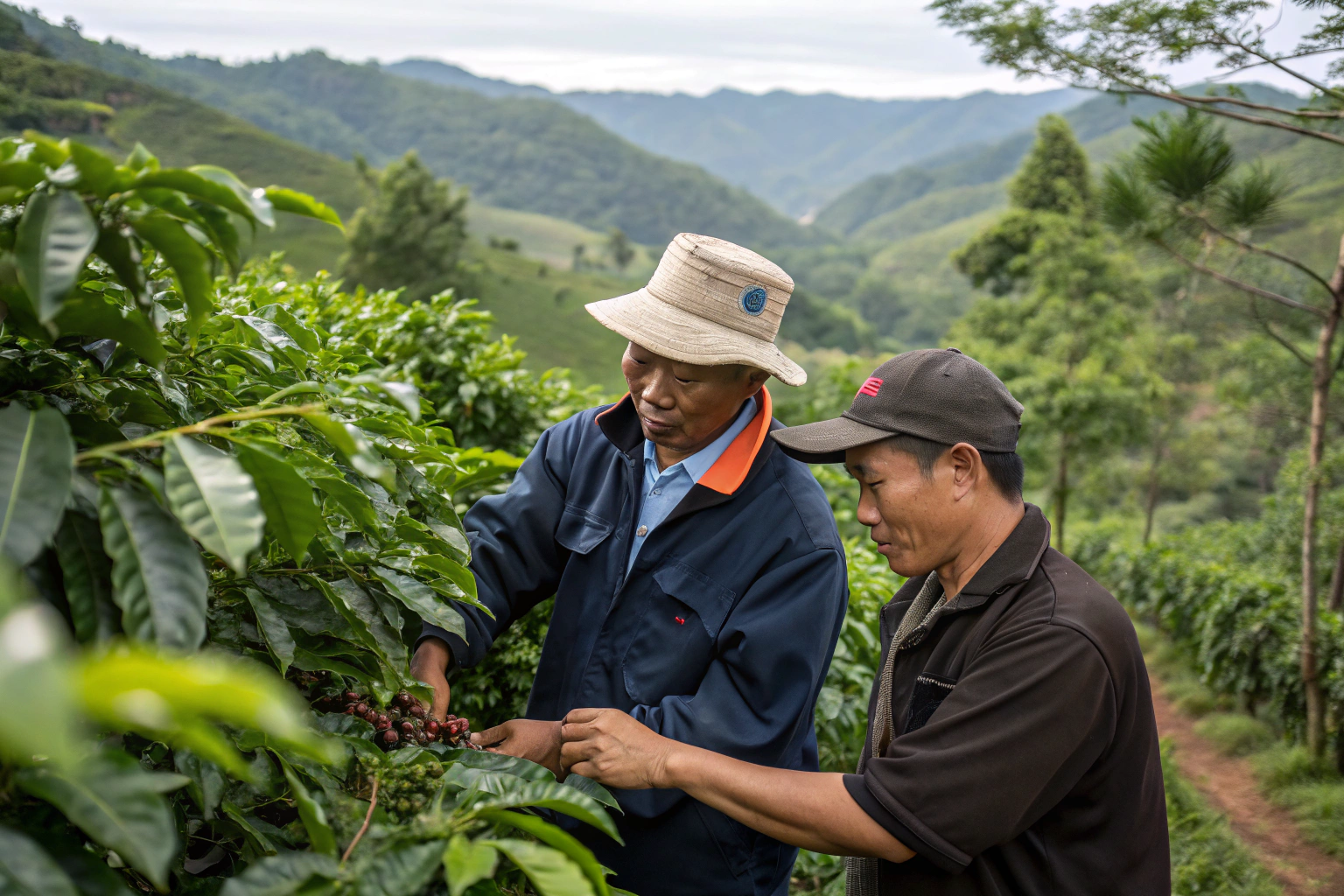
I run BeanofCoffee, a coffee exporter in Yunnan, China. We own more than 10,000 acres in Baoshan City. We sell Catimor, Arabica, and Robusta. Buyers like Ron ask me about price, quality, and shipping. They ask about certifications and logistics. But they rarely ask about the people who pick the cherries. That is a mistake. The people matter. In Yunnan, many coffee farms are worked by ethnic minority communities. They have lived on these mountains for generations. They know the soil. They know the rain. They know when a cherry is ready. Their knowledge is not a small detail. It is the foundation of great coffee.
Ethnic minorities in Yunnan hold the key to great coffee because they bring generations of local knowledge, careful hand-picking, shade growing, and strong community networks. They farm high-altitude land that many others cannot use. They pick cherries by hand. They protect old trees. They share labor across villages. These practices create denser beans, cleaner cups, and more stable harvests. Modern technology can help, but it cannot replace this local wisdom. The key to great Yunnan coffee is not only in the lab. It is in the hands of the people on the mountain.
So, what does this mean for a buyer? It means you should look beyond the price sheet. You should ask who grows the coffee. You should ask how the community works. You should ask what support they need. At BeanofCoffee, we work with ethnic minority farmers in Baoshan. We buy their cherries. We share data. We plan long term. That relationship is not charity. It is good business. Let me show you why.
Who Are the Ethnic Minority Coffee Farmers in Yunnan?
Yunnan is not one culture. It is many. The province is home to more than 25 ethnic minority groups. Some live in the coffee-growing mountains. The Wa, the Lahu, the Dai, the Hani, the Yi, and the Bulang are among them. Each group has its own language, dress, and farming traditions. But they share one thing. They live close to the land. That closeness shows in the coffee. I have walked through these villages. I have shared meals with farmers. I have learned from them. Their knowledge is deep. It is not written in books. It is passed down by hand.
The ethnic minority coffee farmers in Yunnan include the Wa, Lahu, Dai, Hani, Yi, and Bulang people, among others. They live in the mountains of Baoshan, Pu'er, Lincang, and Dehong. Many grow Arabica and Catimor on small plots. They often work together through village networks. They use traditional methods like hand-picking and shade growing. These methods are not old-fashioned. They are proven. They help create the clean, sweet cup that buyers want. Their role in Yunnan coffee is central, not marginal.
Another way to look at this is to compare a coffee farm to a garden. A garden cared for by a family for generations produces better fruit than a garden managed by strangers. The family knows the soil. They know the seasons. They know which tree needs help. The same is true here. The ethnic minority farmers know their land. That knowledge is an asset. It is also a story. And buyers love a real story.
Which Ethnic Groups Grow Coffee in Yunnan?
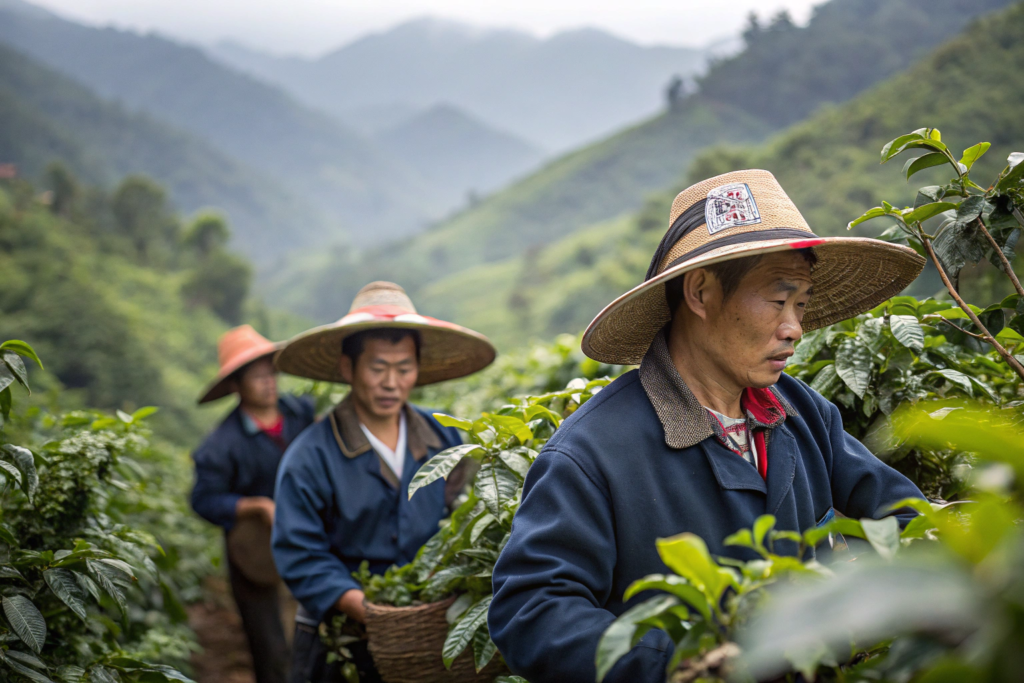
Several groups grow coffee in Yunnan. The Wa people live in the mountains near the Myanmar border. The Lahu people live in highland villages. The Dai people live in warmer valleys. The Hani people are known for terraced farming. The Yi people live across many counties. The Bulang people are one of the oldest tea and coffee cultures in the region. The International Coffee Organization tracks coffee production by origin. The Specialty Coffee Association shares research on coffee quality and farming. I use these sources to explain the region to buyers. Each group has its own strengths. Together, they form the backbone of Yunnan coffee.
These groups do not all farm the same way. Some use full sun. Some use shade. Some ferment in tanks. Some ferment in bags. These differences create different cups. A buyer can find bright, floral lots and heavier, sweeter lots from the same province. That variety is a strength. It gives roasters more options. It also gives buyers more ways to build a blend. So the ethnic mix is not a side note. It is a source of flavor diversity.
Why Do They Live in the Best Coffee Altitudes?
They live in the best altitudes because history put them there. Many ethnic minority groups moved to the highlands generations ago. The land was available. The soil was good. The climate was cool. Arabica coffee loves cool highlands. It grows slowly. It develops more sugar. It produces denser beans. That density shows in the cup. The Perfect Daily Grind explains how altitude affects coffee flavor. The Daily Coffee News covers origin news and farming trends. I use these to help buyers understand why Yunnan coffee can taste so good. The altitude is not a coincidence. It is a gift. And the people who live there know how to use it.
So, what does this mean for you? It means the best Yunnan coffee may come from small villages, not large estates. It may come from a family plot on a steep slope. It may come from a community that has farmed the same land for generations. That is not a weakness. It is a strength. So look for suppliers who work with these communities. Look for traceability. Look for real relationships. That is where the quality lives.
How Do Their Farming Traditions Improve Coffee Quality?
Farming traditions are not just culture. They are quality control. I have seen this in our own supply chain. A farmer who picks only ripe cherries produces a cleaner cup. A farmer who dries beans slowly produces a more stable bean. A farmer who uses shade produces a denser bean. These are not modern inventions. They are old habits. And they work. That is why I respect them. That is why I pay for them.
Their farming traditions improve coffee quality through selective hand-picking, shade growing, slow drying, and community labor sharing. Hand-picking removes unripe and damaged cherries. Shade growing slows ripening and builds density. Slow drying prevents mold and protects flavor. Community labor sharing speeds up harvest and reduces waste. These practices are simple, but they are effective. They create cleaner, sweeter, and more consistent coffee. Modern machines can help, but they cannot fully replace these methods.
Another way to look at this is to compare coffee to wine. Great wine comes from careful picking and careful handling. Great coffee works the same way. The best lots are not rushed. They are handled with care. The ethnic minority farmers in Yunnan understand this. They have done it for generations. That is why their coffee can compete with coffee from anywhere in the world.
How Does Traditional Hand-Picking Help Cup Quality?
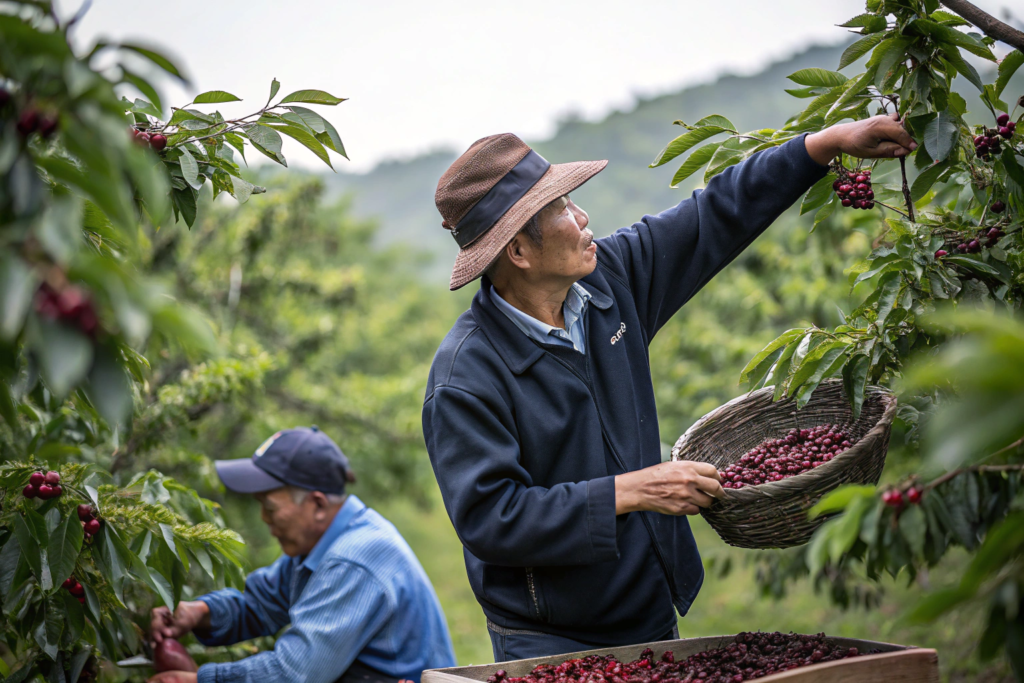
Hand-picking helps cup quality because it removes defects before they reach the mill. A machine may pick everything. It may pick green cherries. It may pick damaged cherries. It may pick leaves and sticks. A human hand can choose. A human hand can leave the unripe fruit on the tree. That single choice improves the cup. The Coffee Institute shares research on coffee quality and processing. The National Coffee Association provides consumer and industry data. I use these to explain quality to buyers. A clean pick means a clean cup. It is that simple.
Hand-picking also supports the farmer. It takes more time. It takes more labor. But it can earn a higher price. A higher price supports the family. It supports the village. It supports the next harvest. So hand-picking is not just a quality choice. It is an economic choice. It is a choice that builds a better supply chain. That is why we pay more for hand-picked lots. It is worth it.
What Role Does Shade Growing Play in Bean Density?
Shade growing plays a big role in bean density. When coffee grows under shade, it ripens more slowly. Slow ripening builds more sugar and more density. Dense beans roast better. They cup better. They hold their flavor longer. The Rainforest Alliance explains sustainable coffee farming. The Fairtrade website explains fair trade certification. These programs often support shade growing. I have seen the difference in our own cupping lab. Shade-grown lots are often sweeter and more complex. They are worth the wait.
Shade growing also helps the environment. Trees provide habitat. They hold soil. They store carbon. They cool the farm. So shade growing is good for the cup and good for the land. That is a rare combination. It is also a selling point. Buyers who care about sustainability like shade-grown coffee. So the tradition is not just old. It is modern. It fits the market. It fits the future.
What Challenges Do These Communities Face Today?
The traditions are strong. But the communities face real problems. I have seen them. Young people leave for the city. The climate changes. The prices swing. The rules change. These problems are not small. They threaten the supply of great coffee. If the farmers cannot make a living, they will stop farming. If they stop farming, the coffee will disappear. So the challenges matter to every buyer. They matter to Ron. They matter to me. They should matter to you.
The challenges these communities face include youth migration, climate change, price volatility, water scarcity, and limited market access. Young people often leave for city jobs. Climate change brings unpredictable rain and heat. Price swings make planning hard. Water scarcity limits processing. Limited market access means farmers may sell cheap to middlemen. These challenges can reduce quality and supply. They can also push farmers to leave coffee for other crops. Solving them requires long-term partnerships, fair prices, and technical support.
So, what does this mean for you? It means you should not treat the farmer as a nameless supplier. You should treat them as a partner. You should ask about their challenges. You should ask how you can help. At BeanofCoffee, we ask these questions. We do not have all the answers. But we ask. That is the first step. The next step is action. Long-term contracts. Fair prices. Training. That is how we keep the supply alive.
Are Young People Leaving the Coffee Villages?
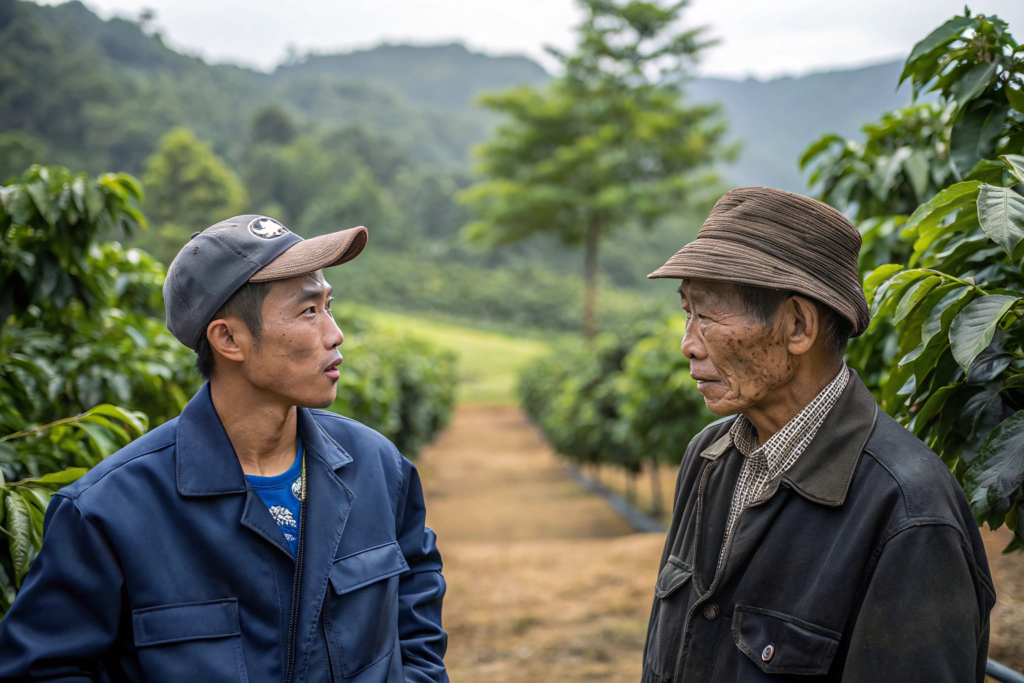
Yes, many are leaving. They go to cities like Kunming or Shenzhen. They want better pay. They want easier work. They want modern life. Coffee farming is hard. It is seasonal. It is uncertain. So young people leave. That leaves older farmers to do the work. It also leaves a knowledge gap. The FAO Land & Water shares global agriculture and water data. The Global Coffee Platform shares sustainable coffee practices. I use these to understand the trend. The trend is not only in China. It is global. But it hits Yunnan hard. If the young leave, the future of coffee is at risk.
So, what can be done? Make coffee farming more profitable. Make it more modern. Give young people a reason to stay. That means better prices. It means training. It means technology. It means a clear path to a better life. At BeanofCoffee, we support training programs. We share market data. We pay on time. These steps help. They are not enough alone. But they are a start. A real start.
How Does Climate Change Affect Their Harvest?
Climate change affects the harvest in several ways. It brings more rain in some seasons. It brings drought in others. It brings warmer nights. Warmer nights can reduce bean quality. They can also move pests and diseases to new areas. The World Wildlife Fund coffee page explains coffee and climate risks. The Conservation International shares conservation and supply chain work. I use these to plan for the future. We are testing new varieties. We are testing shade systems. We are testing water storage. These tests take time. But they are necessary. Without them, the harvest may shrink. With them, it may survive.
A buyer can help by buying from farmers who adapt. A buyer can also support long-term contracts. A long-term contract gives a farmer the confidence to invest. It gives them a reason to plant new trees. It gives them a reason to save water. So the contract is not just a price. It is a tool for resilience. That tool helps everyone. So use it.
How Can Buyers Support Ethnic Minority Coffee Farmers?
Support is not a donation. It is a business choice. A buyer can support farmers by paying a fair price. By signing a long-term contract. By visiting the farm. By sharing knowledge. By telling the story. These steps build trust. They build quality. They build supply. I have seen this work. I have seen a village improve its coffee because a buyer cared. That buyer was not a charity. It was a roaster who wanted better coffee. That roaster got better coffee. So support is not soft. It is smart.
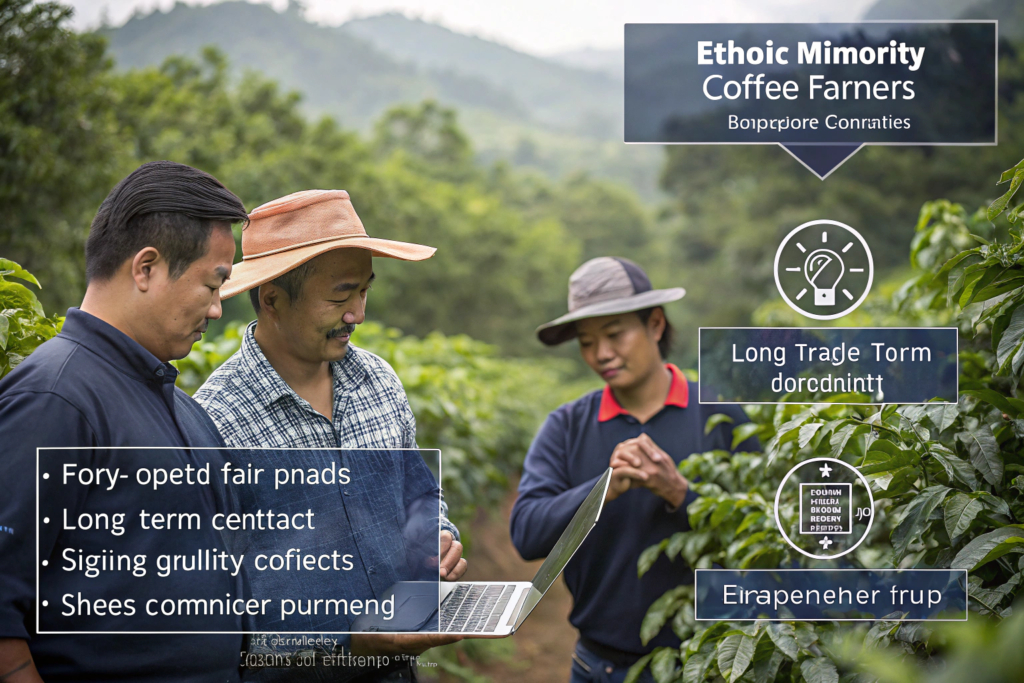
Buyers can support ethnic minority coffee farmers by paying fair prices, signing long-term contracts, providing technical training, sharing market data, and telling the farmers' story to consumers. These actions improve quality, build trust, and secure supply. They also create a better product for the buyer. A fair price is not a cost. It is an investment in quality. A long-term contract is not a risk. It is a shield against volatility. So support is not charity. It is good business.
So, what should you do? Start with a conversation. Ask your supplier about the farmers. Ask about their challenges. Ask how you can help. Then take one step. Maybe it is a longer contract. Maybe it is a higher price for a better lot. Maybe it is a visit. One step is enough to start. Then build from there. That is how a supply chain becomes a partnership.
What Certifications Support Ethnic Minority Coffee?
Several certifications can support ethnic minority coffee. Fairtrade supports fair prices and community development. Rainforest Alliance supports sustainability and shade growing. Organic certification supports healthy soil and clean water. These programs can help farmers access better markets. The SGS coffee inspection and Intertek coffee pages show third-party verification options. I use these when I prepare our export files. A certification is not a magic answer. But it can open doors. It can also provide training and support. So it is worth considering. For buyers, it is proof. For farmers, it is a tool. Both sides win.
A certification also tells a story. It tells consumers that the coffee was grown with care. It tells them that the farmer was treated fairly. That story sells. It builds loyalty. So certification is not just a label. It is a bridge. It connects the farmer to the buyer. It connects the buyer to the consumer. That bridge is valuable. So use it. But do not rely on it alone. Real relationships matter more.
How Do Long-Term Contracts Help These Farmers?
Long-term contracts help farmers in many ways. They provide a stable price. They provide a clear volume. They provide a reason to invest. A farmer with a three-year contract can buy better seedlings. They can build a drying bed. They can save water. They can plan for the future. The Trade.gov website offers export and import guidance. The Alibaba platform offers trade protection tools. I use these when I structure contracts. A long-term contract is not a burden. It is a foundation. It supports the farmer. It supports the supply. It supports the buyer. Everyone wins. So consider a longer contract for your best lots. It is a small change with a big impact.
I have seen this in our own work. We sign multi-year agreements with farmer groups in Baoshan. We agree on volume and quality. We agree on a price range. Then we work together. The farmers know what to expect. We know what to expect. The coffee improves. The relationship grows. That is the power of a long-term contract. It turns a transaction into a partnership. That partnership is the key to great coffee.
Conclusion
Ethnic minorities in Yunnan hold the key to great coffee. They bring local knowledge, careful hand-picking, shade growing, and strong community networks. They farm high-altitude land with skill and patience. They face real challenges, including youth migration, climate change, and price swings. But they also offer real quality. Buyers can support them by paying fair prices, signing long-term contracts, and telling their story. That support is not charity. It is smart business. It protects the supply. It improves the cup. It builds a better future for everyone.
At BeanofCoffee, we work with ethnic minority farmers in Baoshan City, Yunnan. We own more than 10,000 acres. We export Catimor, Arabica, and Robusta. We work with large buyers, brand owners, distributors, and trading companies. We can share samples, test reports, and farm stories. If you want to support ethnic minority coffee farmers and get great coffee, please contact Cathy Cai at cathy@beanofcoffee.com. She will help you with samples, pricing, specifications, and shipping plans. You can also visit BeanofCoffee to learn more. Let us build a better coffee supply together.