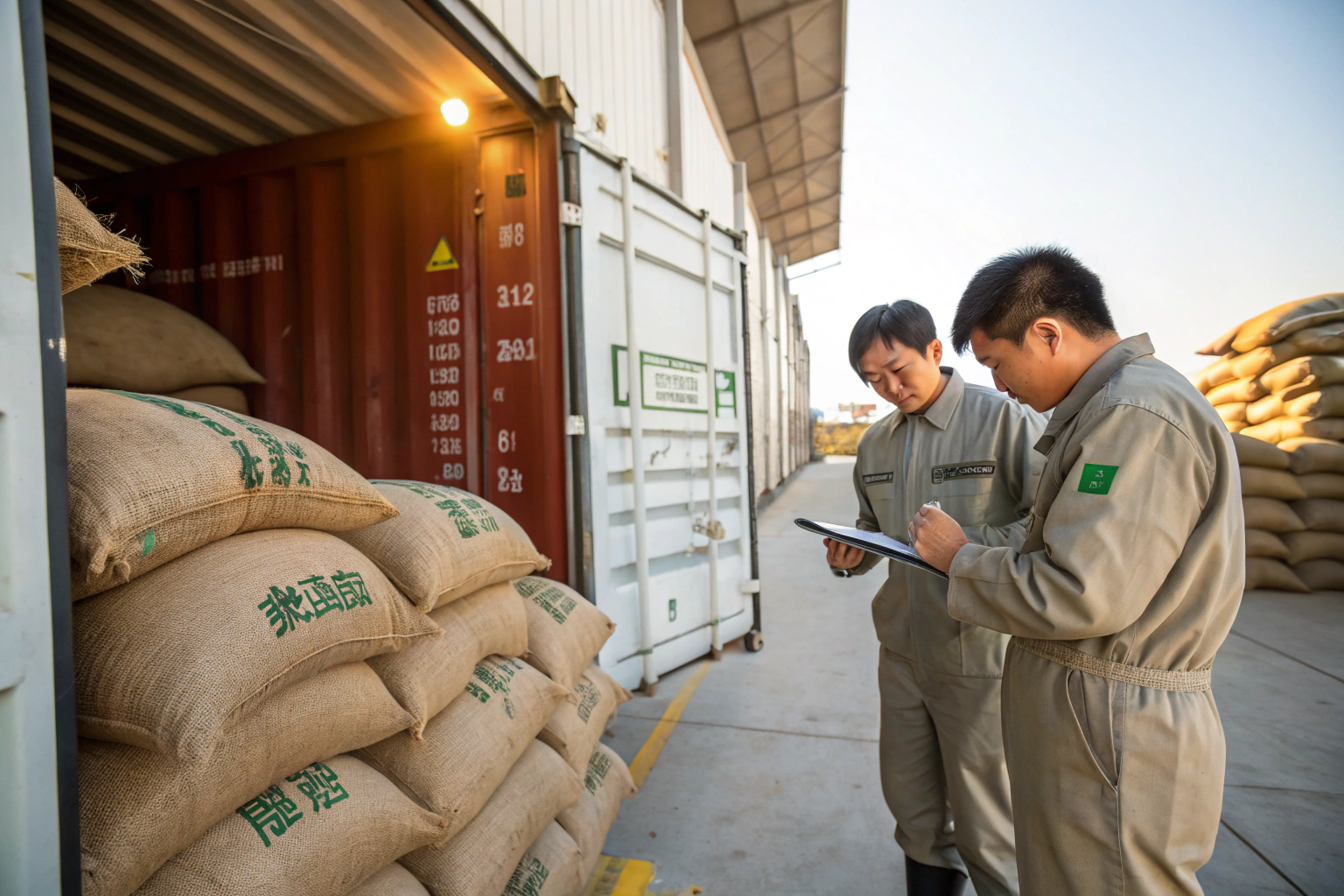
If you import green coffee from China, you may focus on price and flavor. That is normal. But there is another risk. It is quiet and easy to miss. It is sanitary transport. Ron, I know you care about quality, timeliness, tariffs, and payment security. A dirty container or a wet bag can destroy a whole shipment. Then your money is gone. Then your buyer is angry. That is a hard problem.
Sanitary transport requirements for green coffee are rules and practices that keep beans clean, dry, safe, and free from pests, chemicals, and odors during packing, loading, shipping, and unloading. They cover container condition, bag quality, moisture control, pest control, ventilation, documentation, and food safety compliance. These rules protect the coffee, the importer, and the final consumer.
This article will explain what you need to know. I will share what I see as a Chinese coffee exporter. I will also show how we handle these steps at BeanofCoffee. Then you can avoid costly rejections and delays.
Why Do Green Coffee Sanitary Rules Matter?
You may think green coffee is a dry, stable product. It is. But it is not invincible. It can absorb water. It can absorb smells. It can host insects. It can grow mold. Once that happens, the coffee is not safe for sale. It may be rejected at the port. It may be sent back. That costs more than the coffee itself.
Green coffee sanitary rules matter because coffee is a food product. Importers must follow food safety laws in the destination country. A dirty container, a wet bag, or a pest problem can cause customs holds, rejections, or destruction. These rules protect public health and protect your brand.
At BeanofCoffee, we treat sanitation as a core step. We do not want a container to fail at the U.S. port. We do not want a buyer to lose a retail launch. So, we check before loading. We check again before sealing.
| Sanitary Risk | Possible Result |
|---|---|
| Wet bags | Mold and rejection |
| Dirty container | Customs hold |
| Pests | Fumigation or destruction |
| Chemical odors | Flavor damage |
| Missing papers | Port delay |
What Happens If Green Coffee Is Not Clean?
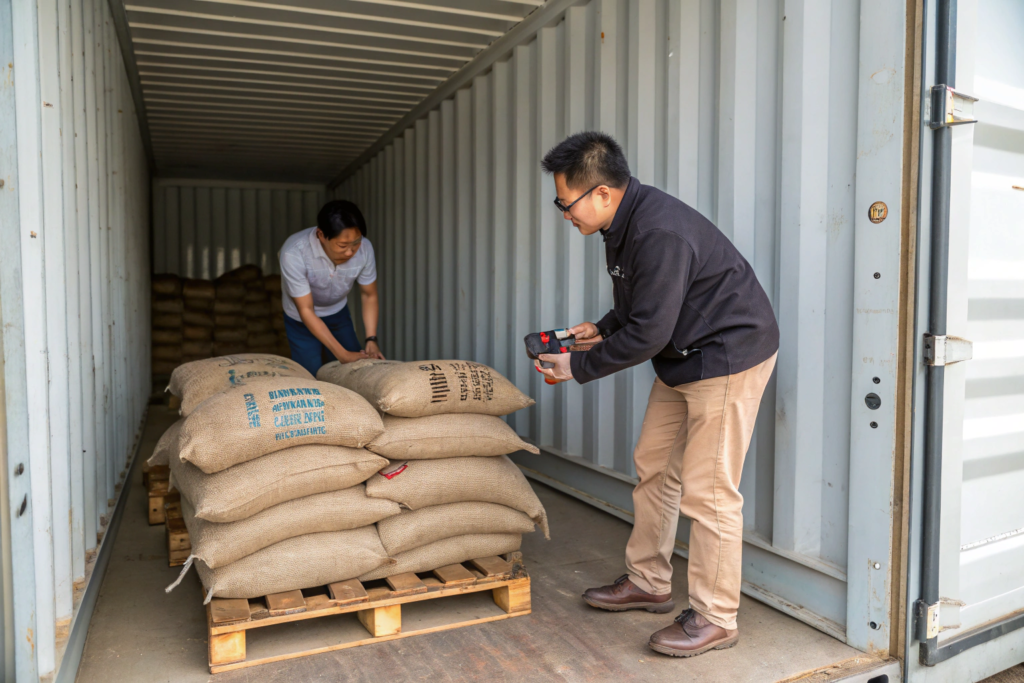
If green coffee is not clean, many bad things can happen. Mold can grow. Insects can spread. The coffee can smell like fuel, paint, or cleaning chemicals. That smell does not leave after roasting. It stays in the cup. Then the buyer rejects the lot. The FDA and the USDA set food safety rules in the United States. Other markets have similar rules. The Codex Alimentarius gives international food standards. If a lot fails these rules, it may be held at the port. It may be tested. It may be returned. Return shipping is very expensive. I have seen buyers lose a full container because the bags were wet. The loss was over $40,000. That is why sanitation is not a small topic. It is a profit topic.
Who Sets the Rules for Coffee Transport?
Several groups set the rules. The International Plant Protection Convention sets phytosanitary standards. These rules cover pests and plant health. The International Maritime Organization sets shipping rules for dangerous goods and container conditions. The ISO 22000 food safety standard covers food safety management. The World Health Organization gives broad food safety guidance. In coffee, the International Coffee Organization and the Specialty Coffee Association also share best practices. I tell buyers to know the rules for their own country first. Then match the supplier to those rules. A Chinese exporter may not know every U.S. state rule. But a good exporter will ask and follow.
What Are the Main Sanitary Transport Risks?
You may think the biggest risk is a late ship. That is a real risk. But sanitation risks can be worse. A late ship is a delay. A wet container is a loss. So, you need to know the main threats. Then you can plan against them.
The main sanitary transport risks for green coffee are moisture damage, pest infestation, chemical contamination, odor absorption, temperature swings, dirty containers, poor ventilation, and missing documents. These risks grow when shipping takes longer or when containers sit at port in hot weather.
At BeanofCoffee, we check moisture before loading. We check container smell. We check for rust and holes. We also check the last cargo. A container that carried fish or paint is a bad choice. That smell can ruin coffee. So, we refuse it.
| Risk | Main Cause | Prevention |
|---|---|---|
| Moisture | Rain, wet pallets | Dry loading, liners |
| Pests | Dirty container | Clean, sealed, treated |
| Chemicals | Old cargo | Container history check |
| Odor | Fuel, paint, fish | Smell test before load |
| Heat | Sun, port delays | Ventilation, route choice |
How Does Moisture Damage Green Coffee?
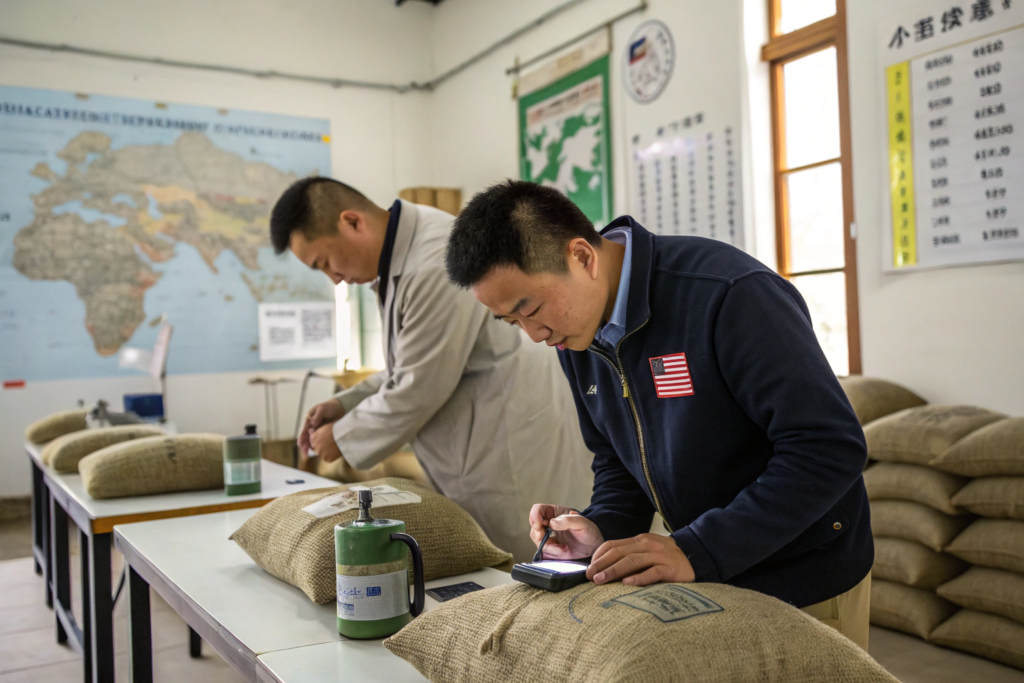
Moisture is the number one enemy of green coffee. Wet beans can grow mold fast. Mold can produce mycotoxins. Those are not safe for people. A moisture reading above 12.5% is a warning. Above 13% is dangerous. We use moisture meters before loading. We use clean, dry bags. We use food-grade container liners. We also avoid loading in heavy rain. If the coffee travels through hot and humid zones, condensation can form. That is called container rain. It drips onto the bags. So, ventilation matters. The Coffee Quality Institute and Coffee Chemistry explain how moisture affects bean quality. I tell buyers to ask for moisture data before shipment. Then compare it at arrival. If the number jumps, you have proof. That helps with claims and future planning.
Why Are Pests and Odors a Problem?
Pests and odors are a problem because coffee is porous and attractive. Insects like coffee beans. They also like the bags. A dirty container may hold eggs or larvae. Then they hatch in transit. That leads to fumigation at the port. Fumigation costs money. It also delays delivery. Sometimes the coffee is destroyed. Odors are just as bad. Coffee absorbs smells from the air. If the last cargo was fish, paint, or fuel, the smell can enter the beans. Roasting may not remove it. The National Coffee Association and Perfect Daily Grind have written about these risks. I always smell the container before loading. If I smell anything strange, we reject the container. It is not worth the risk. A clean container is cheap compared to a rejected shipment.
How Do You Meet Container and Packing Standards?
You may now want the practical steps. Good. This is where the work happens. A contract is not enough. You need clean containers and strong bags. You need a plan for loading. You need records. These steps are simple. But they must be done every time.
To meet container and packing standards for green coffee, use food-grade containers, clean and dry interiors, no previous harmful cargo, proper ventilation, food-grade liners, strong jute or GrainPro bags, dry pallets, and correct loading methods. Keep a loading report with photos and moisture readings. This protects the coffee during ocean transit.
At BeanofCoffee, we follow a written checklist for every container. The checklist covers container number, last cargo, smell, rust, holes, moisture, liner, bag type, and loading time. Then we photograph each step. This record helps buyers and customs.
| Standard | What to Check |
|---|---|
| Container | Clean, dry, no smell |
| Last cargo | Not fish, paint, or chemicals |
| Liner | Food-grade and sealed |
| Bags | Strong, clean, dry |
| Pallets | Dry and pest-free |
| Ventilation | Open vents where allowed |
| Records | Photos and readings |
What Container Conditions Are Required?
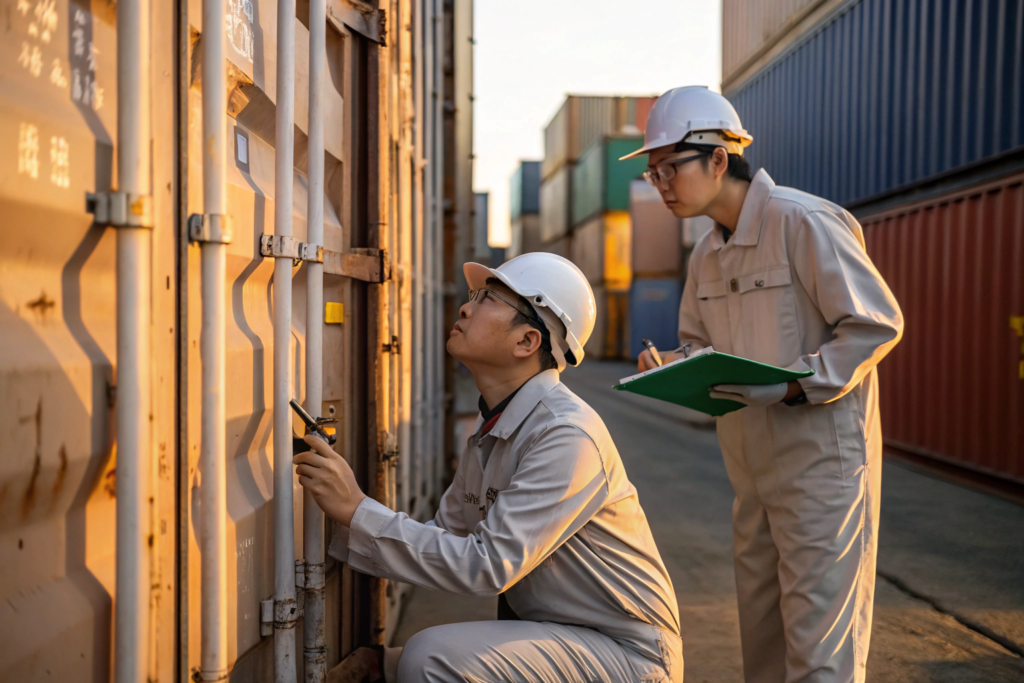
Container conditions must be clean and dry. The floor must be free of dust and liquid. The walls must be free of rust and holes. The door seals must work. The container must not smell. The last cargo must be safe. If the last cargo was coffee, that is good. If it was chemicals, that is bad. The Maersk and Flexport websites explain container types and conditions. I tell buyers to ask for the last cargo record. Then ask for a smell test. A simple nose test can save a shipment. If the container smells like fuel or fish, do not load it. Wait for another container. The delay is small. The loss is large. So, do not rush. Check first.
Which Bags and Liners Should You Use?
Bag and liner choice matters more than many buyers think. Jute bags are traditional. They breathe well. But they can absorb moisture. GrainPro or similar bags are barrier bags. They block moisture and odor. They work well for long trips. Many exporters use a jute outer bag with a GrainPro inner liner. That gives strength and protection. Container liners add another layer. They cover the walls and floor. They block condensation. Use food-grade materials only. The Global Coffee Platform and Daily Coffee News share practical packing guidance. I also tell buyers to check bag weight and stitching. A weak seam can break in transit. Then beans spill. Then you lose money. So, check the bags before loading. Do not assume they are fine.
Which Documents Prove Sanitary Transport?
You may have clean containers and good bags. That is great. But customs officers cannot see your hard work. They need papers. They need proof. If a document is missing, the coffee can sit at the port. Storage fees add up fast. So, documents are not paperwork. They are protection.
Documents that prove sanitary transport for green coffee include the phytosanitary certificate, certificate of origin, food safety records, fumigation certificate if needed, moisture report, packing list, bill of lading, and commercial invoice. Some markets also require an import permit or a prior notice filing. These papers connect the physical coffee to the rules.
At BeanofCoffee, we prepare these documents early. We share drafts with buyers before shipment. That way, problems show up before the ship leaves. Not after.
| Document | Main Purpose |
|---|---|
| Phytosanitary | Shows pest-free status |
| Origin | Shows where coffee was grown |
| Fumigation | Shows pest treatment |
| Moisture report | Shows bean condition |
| Packing list | Shows bag count and weight |
| Bill of lading | Shows shipping contract |
| Prior notice | Meets FDA import rules |

What Certificates Do Importers Need?
Importers need different certificates depending on the market. For the United States, the U.S. Customs and Border Protection and USDA AMS import and export services are key resources. For food safety, the FDA Food Safety Modernization Act requires prior notice for imported food. For plant health, the phytosanitary certificate is common. For organic coffee, you need an organic certificate. The USDA organic rules explain that process. In Europe, rules come from the European Commission. In Australia, the Department of Agriculture sets import conditions. I tell buyers to check their own country rules first. Then tell the exporter what is needed. Do not assume the exporter knows every rule. Rules change. So, confirm before every shipment.
How Do You Handle Fumigation and Pests?
Fumigation is a treatment to kill pests. It may be required if insects are found. It may also be required by the destination country. The treatment uses chemicals like methyl bromide or phosphine. These are controlled. Safety matters. The EPA and the IPPC share rules and guidance. If fumigation is done wrong, the coffee can absorb chemicals. That makes it unsafe. So, only trained and licensed teams should do it. I tell buyers to ask for a fumigation certificate with date, chemical, dose, and duration. If the seller cannot show this, the shipment is risky. Another option is to prevent pests before they start. Clean containers, sealed bags, and dry storage stop most problems. Prevention is cheaper than treatment. So, focus on prevention first. Then use fumigation only when needed.
Conclusion
Sanitary transport is not a small detail. It protects the coffee, the buyer, and the final consumer. The main risks are moisture, pests, chemicals, and odors. You prevent them with clean containers, food-grade liners, strong bags, dry loading, and ventilation. You also need clear documents like the phytosanitary certificate, moisture report, and packing list. These steps cost a little time. But they save a lot of money. If you want a reliable coffee bean partner in China, please contact us at BeanofCoffee. We own over 10,000 acres of coffee bean plantations in Baoshan City, Yunnan Province. We export Catimor, Arabica, and Robusta. We support raw beans and processed, packaged products. For orders, samples, and export details, please contact Cathy Cai at cathy@beanofcoffee.com.