
You signed the contract. You sent the deposit. You waited. Then the problems started. The coffee arrived late. The moisture was too high. The documents were wrong. You emailed. You called. You got excuses. Now you are stuck. You worry about your customers. You worry about your money. You worry about your reputation. A bad supplier is not just a headache. It is a threat to your business. So you need a plan. Not a fight. A plan.
To successfully exit a bad coffee supplier relationship, you should review your contract, document every problem, communicate in writing, secure a backup supplier, protect your payments, and end the relationship professionally. Do not just stop replying. Do not just walk away. A clean exit protects your money, your supply, and your reputation. It also leaves the door open for a better supplier. So plan the exit before you need it.
I run BeanofCoffee, a coffee exporter in Yunnan, China. We own more than 10,000 acres in Baoshan City. We sell Catimor, Arabica, and Robusta. We ship to North America, Europe, and Australia. I have seen buyers leave bad suppliers. Some did it well. Some did it badly. The ones who did it well had a plan. Let me show you how to build one.
Why Do You Need an Exit Plan for a Bad Supplier?
Ron called me last month. He was angry. His supplier had missed three shipping dates in a row. The coffee was good. The service was terrible. He wanted to quit. But he had a contract. He had a deposit. He had customers waiting. He did not know what to do. I told him to slow down. Then I told him to build an exit plan. An exit plan is not a breakup letter. It is a business process. It protects you while you move.
You need an exit plan because a bad supplier can damage your cash flow, your quality, and your brand. If you leave without a plan, you may lose your deposit, miss a shipment, or face a legal claim. If you leave with a plan, you can transition to a new supplier without stopping your business. The plan should cover the contract, the documents, the money, the supply, and the communication. So build the plan before you make the move.
Another way to look at this is to compare it to changing a tire on a moving car. You do not just jump out. You slow down. You find a safe place. You change the tire. Then you drive on. A supplier exit works the same way. So slow down. Then plan.

What Signs Show a Supplier Must Go?
Some signs are clear. Others are subtle. I have seen buyers ignore both. Then they paid the price. A supplier must go when they miss repeated deadlines, hide quality problems, refuse to share data, change terms without notice, or blame you for their mistakes. The Specialty Coffee Association explains quality standards and cupping. The International Coffee Organization tracks trade and market issues. I use these when I talk to buyers about supplier performance. A single mistake can be fixed. A pattern of mistakes cannot. So look for the pattern. Then decide.
I also tell buyers to track every problem. Write it down. Date. Time. Issue. Response. A written record is proof. It also helps you see the pattern. So keep a log. Then use it.
How Do You Review Your Contract Before Exiting?
You review your contract before you exit because the contract tells you your rights. Look for the termination clause, the notice period, the penalty terms, and the dispute resolution process. The International Chamber of Commerce publishes trade rules and model contracts. The Trade.gov site offers export and import guidance. I use these when I draft my own contracts. A contract may require 30 days notice. It may require mediation. It may require payment for work in progress. So read it. Then follow it. Do not guess.
If you do not have a contract, you have fewer rights. But you still have options. You can stop future orders. You can ask for a refund. You can file a claim. So know your position. Then act. That is how you protect yourself.
How Do You Exit Without Breaking Your Supply Chain?
The biggest fear is a gap. If you leave one supplier and the next one is not ready, you run out of coffee. That loses customers. That loses money. So the exit must be sequenced. First, find a backup. Second, test the backup. Third, transition the volume. Fourth, close the old account. That order matters. Do not close first. Do not open second. So plan the sequence.
You exit without breaking your supply chain by securing a backup supplier before you terminate the old one. You should test the backup with a small order, confirm the quality, and then gradually shift volume. You should also keep safety stock to cover the transition. The goal is a smooth handoff. A smooth handoff protects your customers. A rough handoff hurts everyone.
So, what should you do? Start looking for a backup now. Do not wait until you are desperate. A desperate buyer makes bad deals. A prepared buyer makes good ones. So prepare. Then move.

How Do You Find a Backup Supplier Fast?
You find a backup supplier fast by using your network, trade shows, online platforms, and referrals. The Alibaba platform connects buyers with many suppliers. The Global Coffee Platform shares sustainable sourcing practices. I use these when I help buyers find alternatives. Ask other roasters. Ask your broker. Ask your customers. Someone knows a good supplier. Then contact them. Tell them your situation. Ask for a sample. Then test it. That is how you find a backup fast.
I also tell buyers to keep a short list of backup suppliers at all times. Update it every year. Then you are never stuck. So build the list. Then keep it.
How Do You Transition Documents and Payments?
You transition documents and payments by closing out the old account cleanly and opening the new one clearly. Get all outstanding documents from the old supplier. Get the final invoices. Get the certificates. Get the bills of lading. Then pay what you owe. Do not leave a balance. A clean financial break prevents future claims. The CBP page explains U.S. customs entry. The FDA prior notice page explains food import rules. I use these when I prepare my own export files. A clean transition is a professional transition. So do it right.
For Ron, this meant paying the last invoice in full. Then asking for a letter confirming no further obligations. That letter protected him. So ask for it. Then file it.
How Do You Protect Yourself Legally and Financially?
Legal and financial protection is not about being aggressive. It is about being careful. A bad supplier may threaten you. They may withhold documents. They may claim you owe money. So you need proof. You need records. You need a clear termination letter. Then you need to follow up. That is how you stay safe.
You protect yourself legally and financially by documenting every problem, sending a written termination notice, paying only what you owe, requesting a final statement, and keeping all records. If the supplier owes you money or coffee, you can file a claim. If they threaten you, you can show the contract. The key is to be the professional one. A professional exit reduces risk. A messy exit increases it.
So, what should you do? Write a termination letter. Keep it short. Keep it factual. State the reason. State the effective date. State what you need. Then send it. Then keep a copy. That is how you protect yourself.

What Should You Put in a Termination Letter?
A termination letter should include the contract reference, the reason for termination, the effective date, the outstanding obligations, and a request for final documents. The SGS coffee inspection page shows how third parties verify quality. The Intertek coffee page shows testing services. I use these when I prepare my own claims. A termination letter is not a place for emotion. It is a place for facts. So keep it factual. Then send it.
I also tell buyers to send it by email and by registered mail. That gives you proof of delivery. Proof matters if there is a dispute. So send it both ways. Then keep the receipt.
How Do You Recover Money or Claims?
You recover money or claims by using the contract, the evidence, and the payment method. If you paid by letter of credit, the bank may help. If you paid by platform, the platform may help. If you paid by wire, you may need a lawyer. The World Bank Remittance Prices Worldwide tracks remittance costs. The Consumer Financial Protection Bureau shares information on remittance rights. I use these when I advise buyers. A claim is easier when you have evidence. So keep every email. Keep every photo. Keep every document. Then file. That is how you recover.
For Ron, this meant using Alibaba Trade Assurance for a small claim. He got a partial refund. It was not perfect. But it was better than nothing. So use the tools you have. Then move on.
How Do You Rebuild Trust with a New Supplier?
After a bad supplier, trust is low. You may be suspicious. You may be cautious. That is normal. But you cannot let fear stop you. You need a new supplier. You need to build trust again. The good news is that you know the warning signs now. You know what to ask. You know what to check. So use that knowledge. Then build a better relationship.
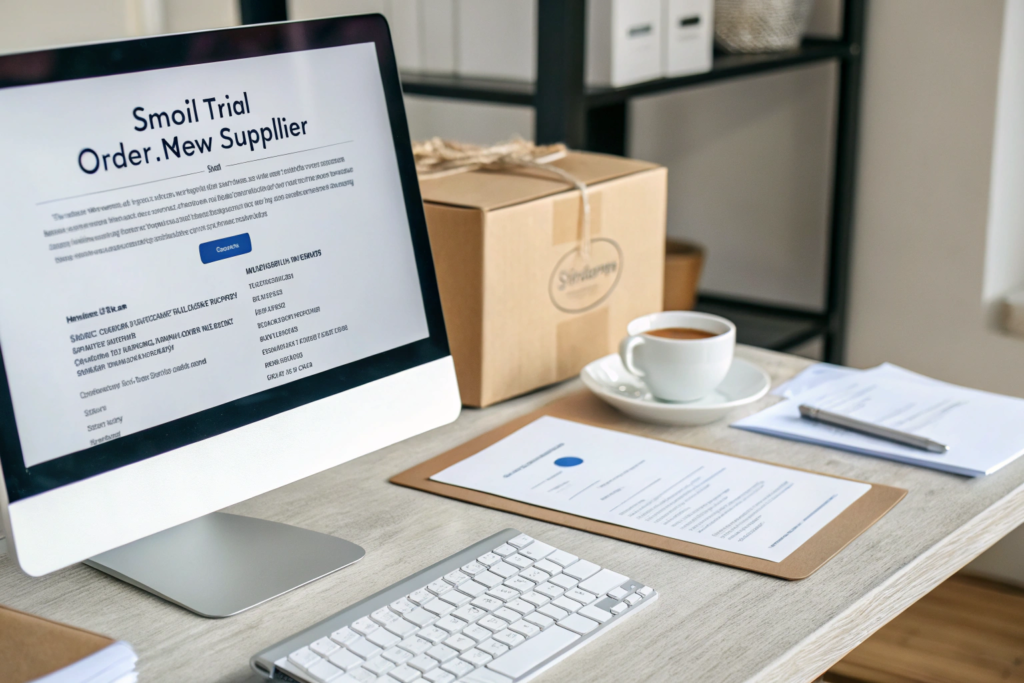
You rebuild trust with a new supplier by starting small, checking everything, communicating clearly, and giving the relationship time. Do not expect instant trust. Trust is built one order at a time. A small trial order. A clean document set. An on-time shipment. A good cup. Each step adds trust. Each step reduces risk. So start small. Then grow.
So, what should you do? Ask hard questions. Ask for references. Ask for a video tour. Ask for a sample. Then place a small order. Then check the results. That is how you rebuild trust. That is how you find a better partner.
What Questions Should You Ask a New Supplier?
You should ask about ownership, capacity, quality control, certifications, shipping, payment, and references. The World Coffee Research shares variety and quality data. The Rainforest Alliance explains sustainability standards. I use these when I talk to new buyers. A good supplier will answer every question. A weak supplier will avoid some. So ask. Then listen. The answers tell you a lot.
I also tell buyers to ask for a sample from the exact lot. Not a generic sample. A lot sample. Then cup it. Then compare it with the arrival coffee. If they match, trust grows. If they do not, ask why. That is how you verify.
How Do You Avoid the Same Mistakes Again?
You avoid the same mistakes by changing your process. Write a better contract. Set clearer terms. Track performance. Keep a backup supplier. Do not ignore warning signs. The Fairtrade website explains fair trade standards. The Daily Coffee News covers market trends and supplier issues. I use these when I train my own team. A bad experience is a lesson. Learn it. Then change. That is how you grow.
For Ron, this meant adding a performance clause to his contracts. It also meant checking references before he paid. Those two changes saved him from another bad supplier. So change your process. Then move forward.
Conclusion
Exiting a bad coffee supplier is not easy. But it is possible. You need a plan. You need patience. You need to protect your money, your supply, and your reputation. Review the contract. Document the problems. Find a backup. Transition smoothly. Send a termination letter. Keep your records. Then rebuild trust with a new supplier. A clean exit is a professional exit. And a professional exit opens the door to a better partnership.
At BeanofCoffee, we work with buyers who have been burned before. We own more than 10,000 acres in Baoshan City, Yunnan. We export Catimor, Arabica, and Robusta. We work with large buyers, brand owners, distributors, and trading companies. We share data, documents, and samples. We answer questions. We do not disappear. If you want a supplier who earns your trust, please contact Cathy Cai at cathy@beanofcoffee.com. She will help you with samples, pricing, specifications, and shipping plans. You can also visit BeanofCoffee to learn more. Let us build a better coffee relationship together.