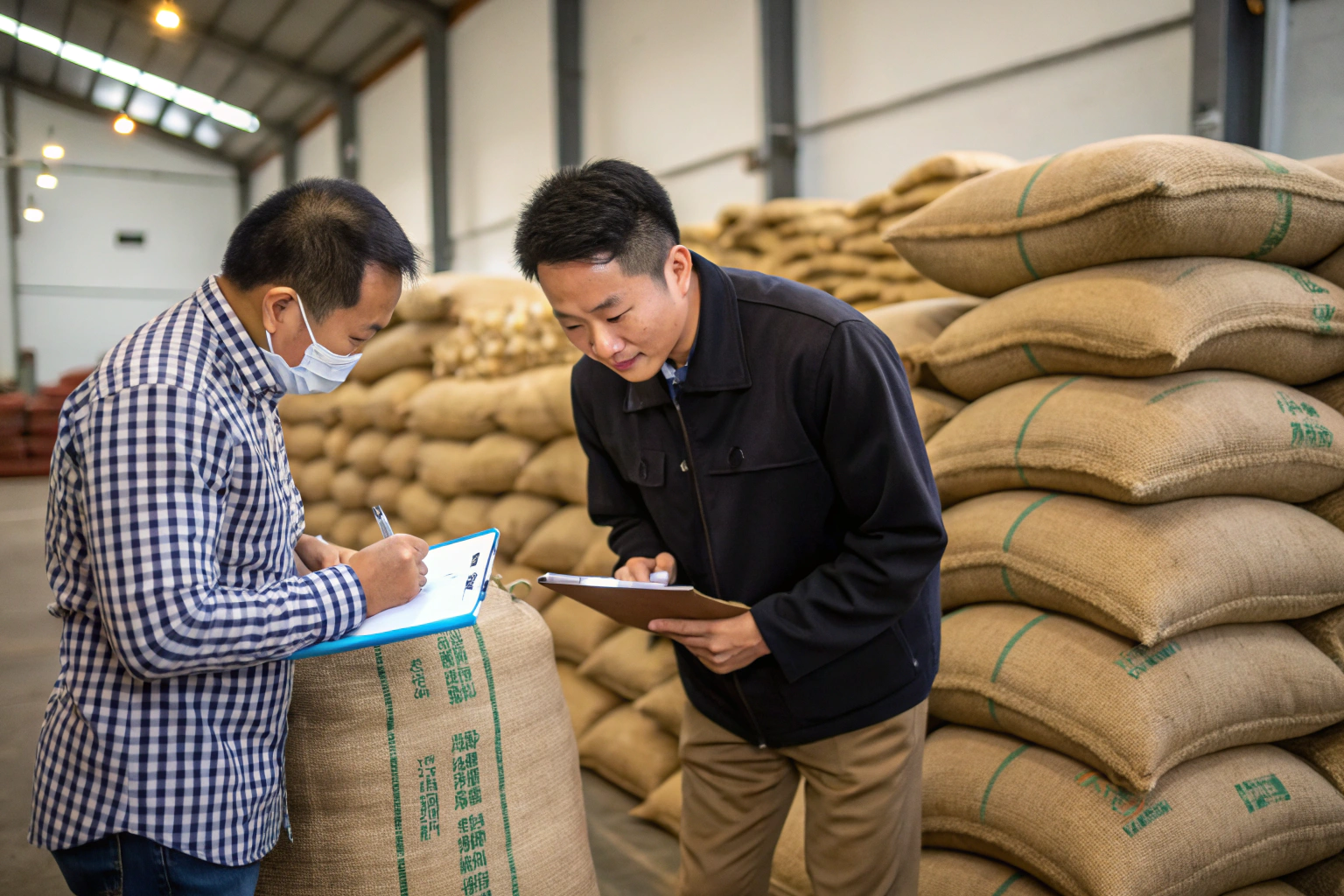
A buyer opens a container. The coffee smells fine. Then the customs broker calls. A pest was found. The shipment is held. The buyer pays storage. The buyer pays treatment. The buyer loses sales. That is the cost of poor fumigation. I run BeanofCoffee, a coffee exporter in Yunnan, China. We own more than 10,000 acres in Baoshan City. We sell Catimor, Arabica, and Robusta. We ship to North America, Europe, and Australia. I have seen pest problems stop a shipment. I have also seen good fumigation save one. So this topic matters.
The best practices for coffee bean fumigation include identifying the pest, choosing a legal fumigant, using a certified provider, controlling moisture and temperature, following the correct dosage and exposure time, ventilating safely, documenting every step, and protecting coffee quality. Fumigation is not a random spray. It is a controlled process. It must meet the destination country rules. It must protect workers. It must protect the beans. It must be recorded. A clean fumigation record prevents delays at customs and protects the buyer. So do it right. Then document it.
So, what does this mean for you? It means you should not treat fumigation as a last-minute task. You should plan it. You should ask questions. You should check the certificate. At BeanofCoffee, we work with certified fumigation providers. We check the rules before the container leaves Yunnan. That habit saves time and money. Let me explain the best practices step by step.
Why Is Fumigation Necessary for Coffee Beans?
Pests are a real risk in stored coffee. They arrive in warehouses. They arrive in bags. They arrive in containers. They can survive a long ocean trip. Then they arrive in the buyer's country. That is when the problem starts. A single live insect can trigger a hold. A hold can cost thousands. So fumigation is not optional for many shipments. It is a requirement. But it must be done well. A bad fumigation can hurt the coffee. A good fumigation protects it.
Fumigation is necessary for coffee beans because stored coffee can carry insects, eggs, and larvae that survive shipping and trigger customs holds. Many countries require treatment or inspection for plant products. A clean fumigation certificate proves the shipment was treated. It also reduces the risk of rejection. So fumigation is a trade tool. It is also a quality tool. It protects the buyer from pests and protects the seller from claims.
Another way to look at this is to compare it to a health check before travel. You do not want to arrive sick. You want proof you are healthy. Fumigation is that proof for coffee. It says the shipment is clean. So do it. Then keep the paper.
What Pests Threaten Stored Coffee Beans?
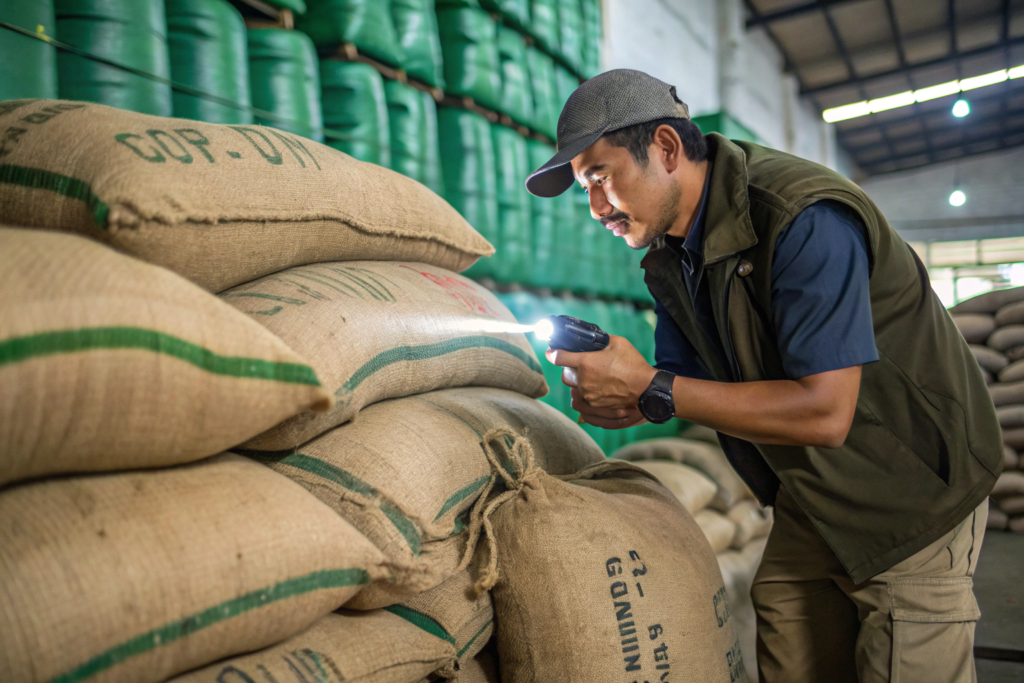
Several pests threaten stored coffee. The coffee bean weevil is one. The drugstore beetle is another. The cigarette beetle is common. Moths can also attack bags. These pests lay eggs. The eggs hatch. The larvae eat the bean. The damage lowers quality. The International Coffee Organization tracks global coffee storage and trade issues. The USDA APHIS shares plant health and import rules. I use these when we plan our pest control. A small infestation can become a big problem. So inspect early. Then treat.
I also tell buyers to ask about the pest history. A supplier with a clean history is a safer supplier. A supplier with repeated problems needs a better plan. So ask. Then check.
When Do You Need Fumigation vs Other Methods?
You need fumigation when a pest is found, when the destination requires it, or when the risk is high. You may not need it when the coffee is clean, the storage is sealed, and the destination allows alternative methods. The EPA fumigants page explains fumigant rules in the U.S. The GrainPro site explains hermetic storage that can prevent pests without chemicals. I use these when we compare options. A sealed liner can stop pests. A clean warehouse can stop pests. A fast shipment can reduce risk. So fumigation is one tool. It is not the only tool. So choose the right one.
For Ron, this means he should ask what the supplier does to prevent pests. A supplier with a prevention plan is a supplier with fewer problems. So ask. Then decide.
Which Fumigants Are Legal and Safe?
Not every fumigant is legal. Not every fumigant is safe. Some are banned. Some are restricted. Some require special training. Some leave residues. So you must know the rules. You must know the destination. You must know the product. I have seen a supplier use a banned fumigant. The shipment was rejected. The buyer lost money. So legal and safe are not optional. They are the baseline.
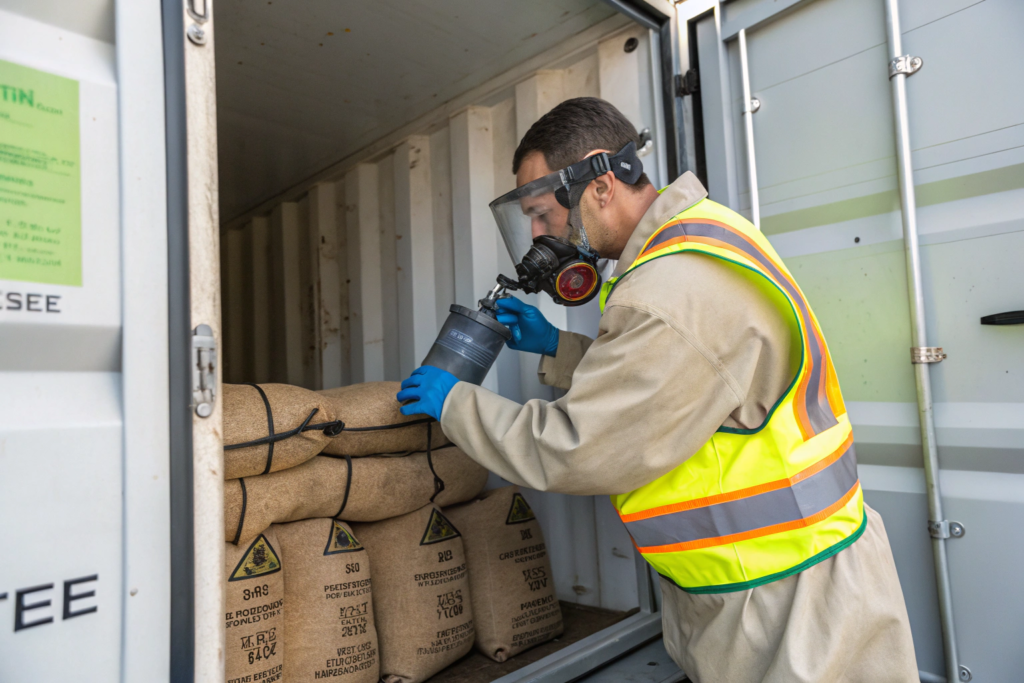
Legal and safe fumigants for coffee depend on the destination country and the pest. Common fumigants include phosphine and, in some cases, methyl bromide under strict rules. Carbon dioxide and nitrogen can be used for controlled atmosphere treatment. The choice depends on the pest, the temperature, the exposure time, and the rules. You should always use a licensed provider. You should always follow the label. You should always protect workers and the food.
So, what should you do? Ask for the fumigant name. Ask for the safety data sheet. Ask for the license. Then check the destination rules. That is how you stay legal. That is how you stay safe.
What Fumigants Are Approved for Coffee?
Approved fumigants vary by country. Phosphine is common for stored products. Methyl bromide is restricted but still used in some cases. Carbon dioxide and nitrogen are used for controlled atmospheres. The EPA methyl bromide page explains the phaseout and restrictions. The Codex Alimentarius shares international food safety standards. I use these when we review treatment options. A fumigant that is legal in one country may be banned in another. So check the destination. Then check the product. Then choose.
I also tell buyers to ask for the residue report. A good provider can show the residue level. A weak provider cannot. So ask. Then check.
How Do You Protect Worker and Food Safety?
You protect worker safety with training, protective gear, monitoring, and ventilation. You protect food safety with correct dosage, correct exposure, and correct aeration. The OSHA shares worker safety rules and guidance. The FDA explains food import and safety rules. I use these when we plan a fumigation. A fumigation is a hazardous operation. It is not a casual task. So use trained people. Use the right equipment. Then document it. That is how you protect everyone.
For Ron, this means he should ask who does the fumigation. A certified company is safer than a warehouse worker with a sprayer. So ask. Then verify.
How Do You Prepare Coffee for Fumigation?
Preparation decides the result. A dry, clean, well-stacked load responds well to fumigation. A wet, dirty, poorly stacked load does not. The gas must reach every bag. If the bags are too tight, the gas cannot move. If the coffee is too wet, the quality can drop. If the container is dirty, pests can hide. So prepare the coffee. Then treat it.
You prepare coffee for fumigation by checking moisture, cleaning the container, stacking bags correctly, sealing the space, and confirming the temperature. The coffee should be dry. The container should be clean. The bags should allow gas movement. The space should be sealed. The temperature should be within the label range. These steps help the fumigant work. They also protect the coffee from damage. So prepare first. Then treat.
So, what should you do? Make a checklist. Check moisture. Check the container. Check the stack. Check the seal. Then call the provider. That order prevents mistakes. So use it.
What Moisture and Temperature Conditions Matter?
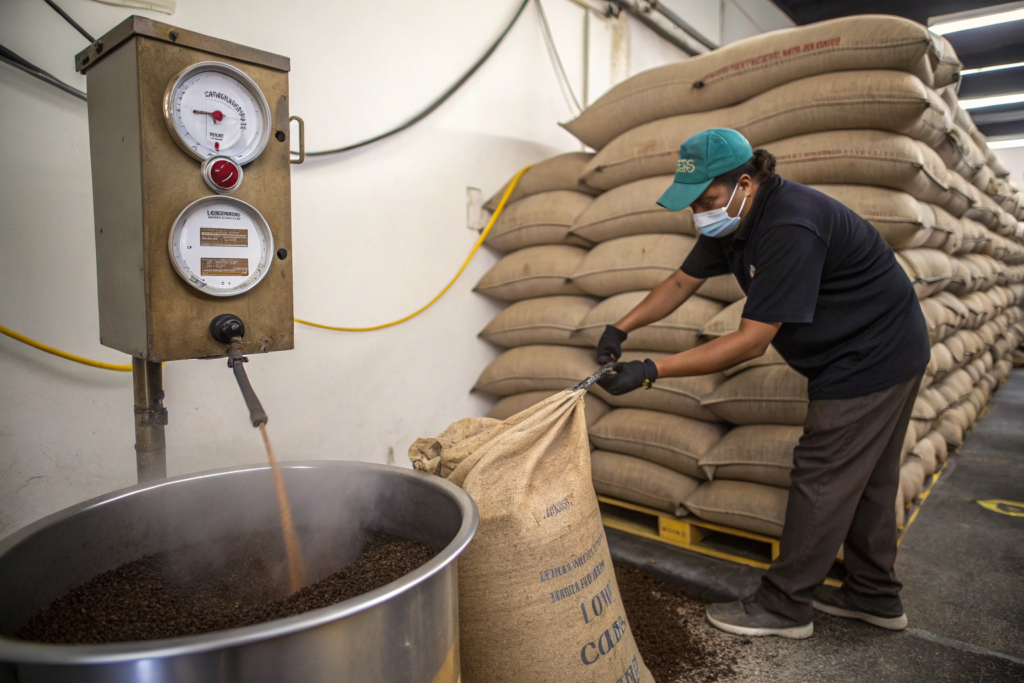
Moisture and temperature matter a lot. High moisture can cause mold during fumigation. Low temperature can make some fumigants less effective. The SGS coffee inspection page shows how third parties test moisture and quality. The Intertek coffee page shows testing services for coffee. I use these when we prepare our lots. A moisture meter is cheap. A failed fumigation is expensive. So measure. Then adjust. That is how you protect the coffee.
I also tell buyers to ask for the moisture reading before fumigation. A supplier who measures is a supplier who cares. A supplier who does not may surprise you. So ask. Then check.
How Do You Prepare the Container and Warehouse?
You prepare the container and warehouse by cleaning, sealing, and checking for pests. Remove old cargo debris. Check the floor and walls. Seal gaps. Use tarps if needed. The CBP page explains U.S. customs entry and container rules. The WCO explains global customs standards. I use these when we prepare our export files. A clean container is a safe container. A dirty container can hide pests. So clean it. Then seal it. That is how you get a good result.
For Ron, this means he should ask for container photos before fumigation. A photo shows the condition. A story does not. So ask. Then check.
How Do You Verify and Document Fumigation?
Documentation is the proof. Without it, the fumigation did not happen. At least, that is how customs sees it. You need a certificate. You need a record. You need the dates. You need the dosage. You need the provider. I have seen a container held because the certificate was missing. The coffee was fine. The paper was not. So document everything. Then keep it.
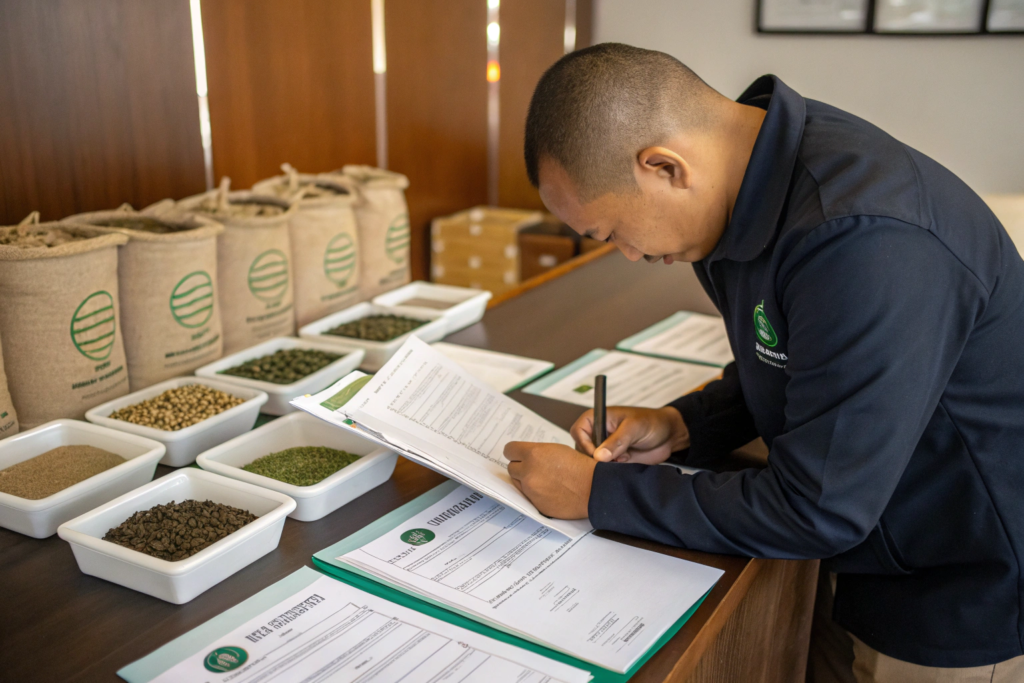
You verify and document fumigation by checking the certificate, the provider license, the dosage record, the exposure time, the temperature, the aeration record, and the date. The certificate should match the container number and the seal number. The records should be kept for the required period. A clean file prevents customs delays. It also protects the buyer and the seller. So document every step. Then keep the file.
So, what should you do? Ask for a sample certificate before the shipment. Review it. Then check the final certificate. Then file it. That is how you stay organized. That is how you stay compliant.
What Certificates and Records Do Buyers Need?
Buyers need a fumigation certificate, a phytosanitary certificate, a commercial invoice, a packing list, a bill of lading, and a certificate of origin. The Trade.gov site offers export and import guidance. The IPPC explains international plant health standards. I use these when we prepare our export files. A missing certificate can stop a shipment. A wrong number can delay a release. So check every document. Then check it again. That is how you avoid a hold.
I also tell buyers to keep digital copies. A digital file is easy to send. It is also easy to store. So scan everything. Then back it up.
How Do You Avoid Quality Loss After Fumigation?
You avoid quality loss after fumigation by aerating properly, checking moisture, and cupping the coffee. The Perfect Daily Grind shares practical processing and storage guides. The Daily Coffee News covers quality and market trends. I use these when we review our treated lots. Aeration removes the gas. Moisture checks catch a problem. Cupping confirms the flavor. So do all three. Then ship. That is how you protect the cup.
For Ron, this means he should ask for a post-fumigation sample. Then cup it. If the cup is clean, accept the lot. If not, ask why. That is how you verify. That is how you protect your brand.
Conclusion
Coffee bean fumigation is a serious task. It protects the shipment from pests. It protects the buyer from delays. It protects the seller from claims. But it must be done right. Identify the pest. Choose a legal fumigant. Use a certified provider. Control moisture and temperature. Prepare the container. Document every step. Verify the result. Then cup the coffee. If you do these things, fumigation becomes a strength. If you skip them, it becomes a risk. So plan it. Then do it. Then prove it.
At BeanofCoffee, we treat fumigation as part of quality control. We own more than 10,000 acres in Baoshan City, Yunnan. We export Catimor, Arabica, and Robusta. We work with large buyers, brand owners, distributors, and trading companies. We work with certified fumigation providers. We share certificates, moisture data, and post-treatment samples. If you want a supplier who handles fumigation correctly, please contact Cathy Cai at cathy@beanofcoffee.com. She will help you with samples, pricing, specifications, and shipping documents. You can also visit BeanofCoffee to learn more. Let us protect your coffee together.