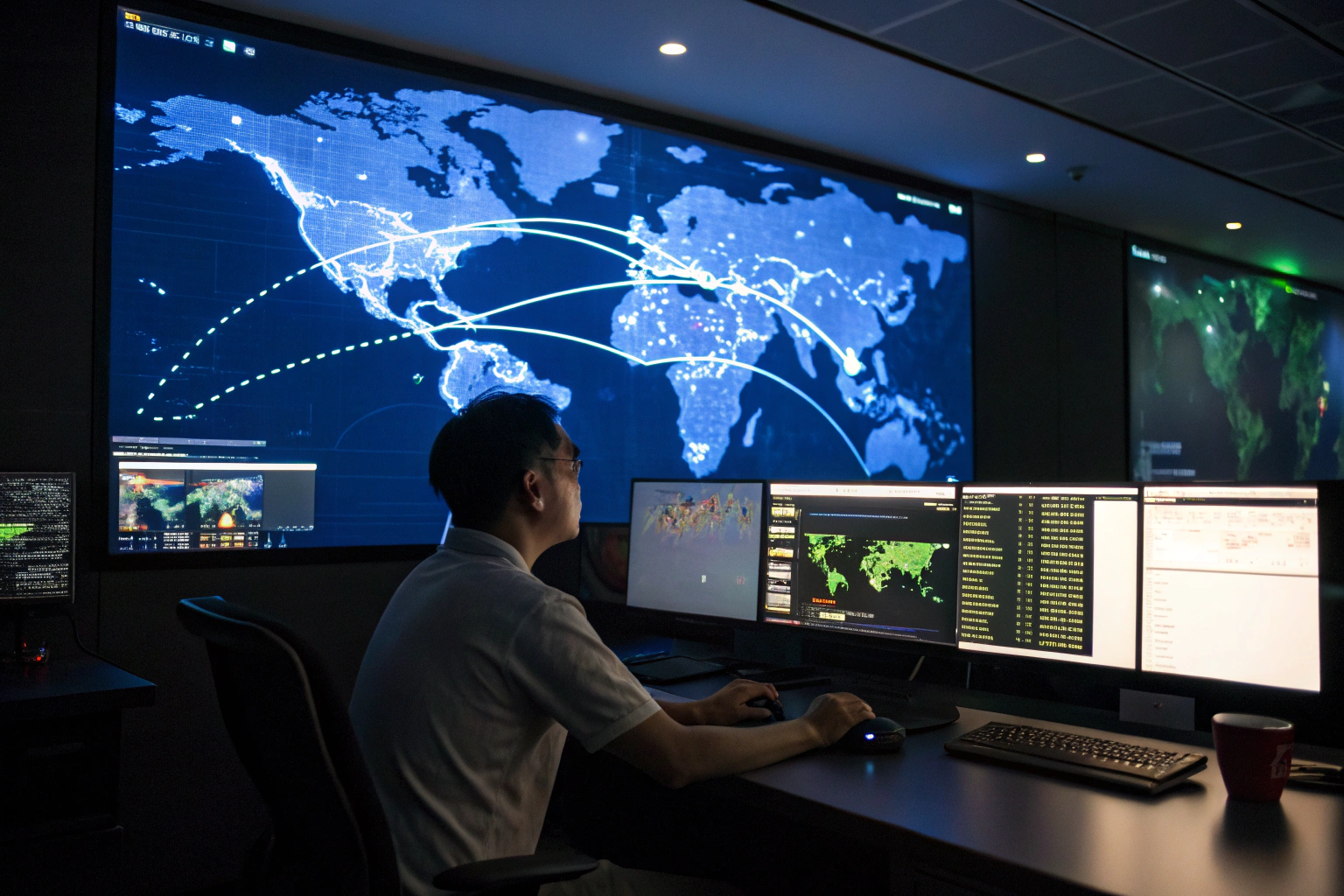
You've signed the contract. The wire transfer is done. My team at the farm in Yunnan has loaded the container. It leaves our sight and rolls down the mountain to the port. And then the silence hits. That's the worst part. For three, four, five weeks, your money is floating somewhere on the biggest ocean in the world. You wake up at 2 AM wondering where it is. Is it on schedule? Is it even on the right ship? I get that anxiety. It's your cash flow in a steel box, and the ocean feels like a black hole. It's not a black hole anymore. You can watch that box move almost in real time, but you need to know where to look.
Tracking coffee shipments across the ocean requires a combination of container tracking platforms, AIS vessel monitoring, and proactive communication with your supplier's logistics team to interpret delays before they become costly demurrage surprises.
You don't need to be a maritime expert. You just need to know the right tools and who to ask for what. Let me show you how I help my clients like Ron sleep better during the long transit from Shanghai to Los Angeles.
What Tools Offer Real-Time Container Tracking for Coffee?
There was a time when tracking meant sending a fax and hoping for a reply. Now, the data is everywhere. But too much data is also a problem. You can get lost in a dozen different websites and apps, each showing a slightly different status. The key is to use a layered approach. The container number is your golden ticket. With that one string of letters and numbers, you unlock the entire journey. But the shipping line's own website only tells you the scheduled stops. You need better tools to see the actual movement.
The most reliable tools for real-time container tracking are the shipping line's own portal for milestones, integrated logistics platforms like Project44 or FourKites for predictive analytics, and free vessel finder websites for raw GPS data when the ship is mid-ocean.
Each tool serves a different purpose. One tells you the plan. Another tells you the reality. The third tells you why there's a gap between the two.
How Do AIS Vessel Trackers Locate Your Coffee Ship?
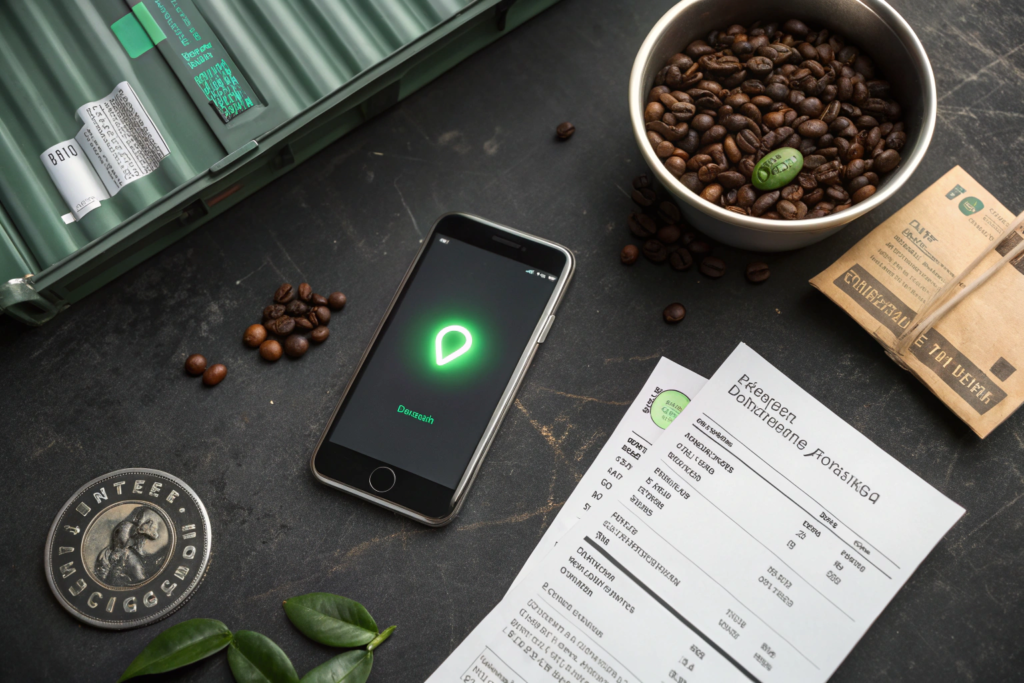
When the container is on the open water and the standard tracking just says "In Transit," that's not good enough. You want to see the ship's exact position. That's where AIS, or Automatic Identification System, comes in. It's a transponder on every cargo vessel. Websites like MarineTraffic or VesselFinder pick up this signal. You type in the vessel's name—which I always send to my clients before departure—and you see a little green arrow on a map. You can see its speed, its heading, and its estimated arrival. You can literally watch your coffee round the Baja Peninsula. It's a bit addictive. I warn my buyers: don't panic if the ship anchors for a day off the coast of Long Beach. That's normal congestion, not a disaster. You can monitor this by checking real-time global vessel tracking databases. It's the best free transparency tool in the supply chain. You stop feeling helpless because you can see the physical evidence of movement.
Can Your Freight Forwarder's Platform Predict ETA Accurately?
The free AIS map shows where the ship is now. The forwarder's platform shows where it will be. The big tech platforms like Project44 don't just track. They analyze. They take the vessel's speed, the weather patterns, and the historical port wait times, and they spit out a predictive ETA that updates every hour. This is what you need for your production planning. If you use an integrated visibility platform—something your forwarder might provide—you can get alerts pushed to your phone. "Vessel delayed by 12 hours due to port congestion." That early warning lets you reschedule your trucker before he shows up at the port with a chassis and a frustrated face. If your supplier isn't giving you data access to this level of detail, you're flying blind. At BeanofCoffee, we always share the freight forwarder contact and the integrated container milestone data with our buyers. Timeliness isn't about hope. It's about data.
Why Do Coffee Shipments Get Delayed at Customs?
Everything looks perfect on the tracking screen. The vessel docked on Thursday. Then the status flips to "Customs Hold." And it sits. And sits. The free days on the container start ticking away. You're now paying demurrage for the privilege of waiting. It's maddening. But customs isn't a random black box. It's a filter. And filters get clogged by specific, predictable things. If you know what those things are, you can clear them before the ship even docks.
Coffee shipments get delayed at U.S. customs primarily due to incorrect Harmonized System codes, missing FDA prior notice, concerns over pesticide residues, or the random physical examination holds that target shipments from unverified exporters.
The computer flags the container. A human officer pulls it. Your clock starts burning money. But your paperwork can stop that computer from ever looking at your box.
How Does the FDA Prior Notice Affect Your Coffee Delivery?
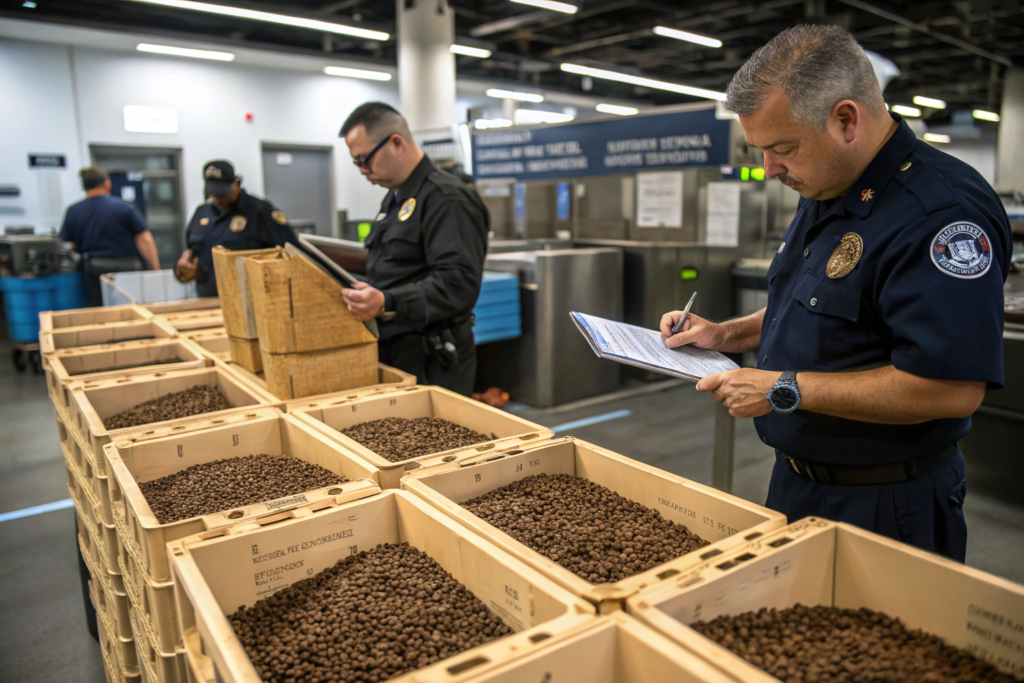
This is the single most common mistake I see from new importers. The U.S. Food and Drug Administration requires a prior notice of any food shipment. You must submit this electronically before the ship arrives. It includes the registration number of the foreign manufacturer—that's us, the farm in China—and the specific product description. If we miss the filing window, or the registration number doesn't match the FDA database exactly, the shipment gets flagged. It won't clear. Your coffee sits in a warehouse, and you can't touch it. We have our FDA registration number printed on every invoice. We double-check the submissions against the official FDA prior notice system interface. It's bureaucratic, but it's not complicated. It just takes attention to detail. Attention that saves you thousands in storage fees.
Can a "Clean Bill of Lading" Speed Up Port Release?
Yes, but only if it's actually clean. A bill of lading is a receipt and a contract. If the ship's captain notes on that document that the container was dented, or the seal was broken, or the bags looked wet at loading, that's a "claused" or "dirty" bill. When that document hits the U.S. bank for your letter of credit, the bank can reject it. Customs will also want to physically inspect the cargo because the document implies damage. A "clean" bill of lading states that the goods were received in apparent good order and condition. At our loading dock in Yunnan, I personally oversee the stuffing of our super sacks to ensure this document stays clean. We use strong seals and perfect stacking. A clean document means the trucker can pick up the container the moment the customs entry is filed and accepted. There's no suspicion. No extra exam. Just a smooth transfer to your warehouse.
How to Use a Bill of Lading to Verify Your Coffee Order
The Bill of Lading is not just a tracking tool. It's the title to your coffee. Whoever holds the original B/L owns the goods. That's how serious this piece of paper is. When I send you a copy by email after the ship sails, don't just file it away. You need to check it against your purchase contract line by line. The B/L freezes the transaction. If there's a mistake on it—a wrong consignee name, a wrong weight—fixing it later costs a fee and time. And in shipping, time is a perishable good, just like my coffee.
You verify your coffee order by checking that the Shipper is BeanofCoffee, the Consignee matches your company's legal name exactly, the container number matches your tracker, and the gross weight matches the final invoice.
Four lines. That's all you need to check to prevent a catastrophic delivery to the wrong warehouse.

What Is the "Container Seal Number" and Why Does It Matter?
The seal is a tiny piece of metal and plastic, but it's your guarantee of security. When we finish loading the container at our farm, we close the doors and snap on a numbered, high-security bolt seal. That number goes on the B/L. When the container arrives at your roastery, before you cut that seal, you look at it. Does the number match the B/L? Is the seal intact? If the number is different, or the seal has been cut and replaced, you stop. You photograph it. You call me and the insurance company immediately. It means someone opened your coffee during transit. It might be a customs inspection, in which case there should be a new seal and paperwork attached to the door. But if there's no paperwork, it might be theft. The seal number is your physical link in the chain of custody. I check the standard ISO 17712 seal integrity guidelines regularly to ensure our security hardware is compliant. You are buying security, and that little seal is where the security lives.
How Does the "Notify Party" Field Prevent Lost Shipments?
Here's a scenario. The ship docks. The shipping line has the B/L with your company name. But the phone number on file is wrong. Or the email bounces. They can't reach you. The container sits. After a few days, it gets moved to a storage yard and the fees pile up. The "Notify Party" on the B/L is your emergency contact. It's usually your customs broker or your logistics manager. We always insist on including a reliable, local U.S. party here. That field triggers the arrival notice. Without a correct Notify Party, you won't even know your coffee has arrived until you check the tracker in a panic. I triple-check this field before the vessel cutoff. A good broker, linked to our seamless export documentation process, makes the arrival feel automatic. The coffee docks, the broker files, and you drive it home.
What Are the Hidden Data Points in a Coffee Shipment Tracker?
Most people look at the tracker and see three things: Departed, In Transit, Arrived. That's the kindergarten version of tracking. The real intelligence is in the tiny milestones between those big statuses. The "gate-in" time at the port of Shanghai. The "vessel load" confirmation. The "last free day" warning. These micro-events tell you if your coffee is on schedule or if it's about to cost you a bunch of money. You can predict a late delivery ten days in advance if you know which data points are the troublemakers.
The hidden data points on a coffee shipment tracker are the container's "gate-out" time from the origin port, the "transshipment hub" arrival, and the "discharge" time, which reveal the real bottlenecks long before the promised ETA slips.
These are the canaries in the coal mine. You watch them to predict the future.
How Does "Port of Discharge" Differ from "Place of Delivery"?
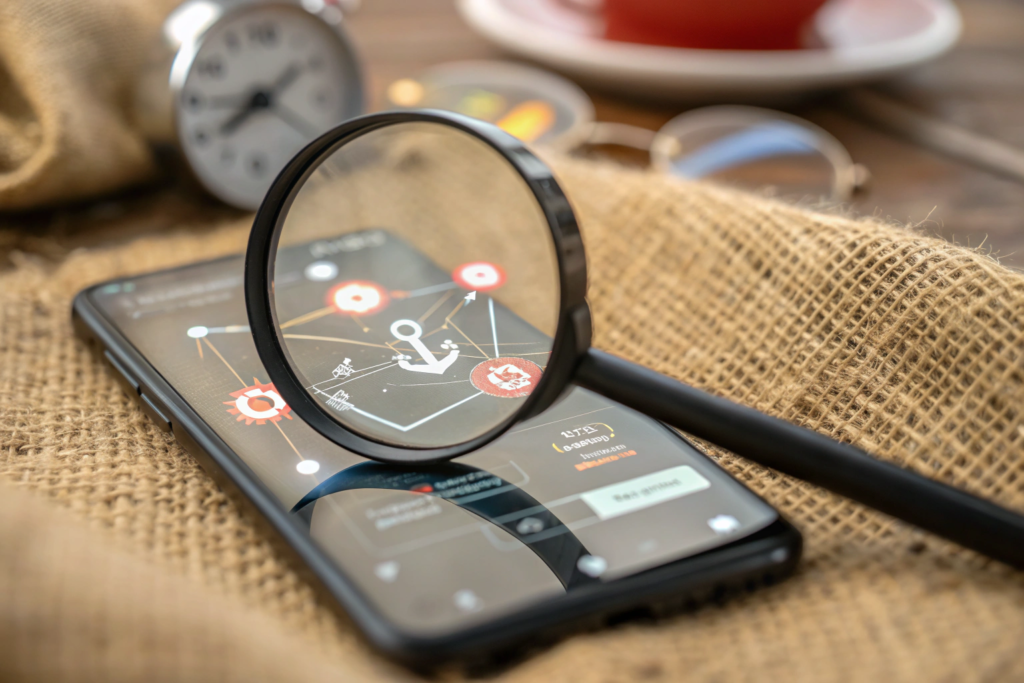
This distinction trips people up. The Port of Discharge is where the ship stops and drops the box—say, the port of Los Angeles. The Place of Delivery might be a rail yard in Chicago. If your tracker says "Discharged at LAX," it doesn't mean you can pick it up. It means the box is sitting in a massive stack of containers waiting for the next train. The wait between discharge and rail loading can be a week. This is a "blackout" period in tracking where the status doesn't update. The box isn't on a ship anymore, but it's not on a train yet. You need to know this gap exists so you don't book a truck to the wrong city on the wrong day. I always explain the routing to my buyers: "The sea leg is done, but the land leg hasn't started." Understanding the incoterms and place definitions in shipping clarifies who pays for this waiting time. If the contract covers the rail, then your liability hasn't started yet. You just need patience.
Can "Temperature Logs" Be Part of Your Shipment Tracking?
Yes, and for a specialty buyer, this is the future. A standard tracker tells you where the box is. A smart tracker tells you what happened inside the box. We can now place small, inexpensive IoT loggers inside the container. They record the temperature and humidity every hour across the entire ocean crossing. When the coffee arrives, you download the log. You see a flat green line, meaning the container stayed cool and dry. Or you see a red spike, meaning the container sat on the hot tarmac in Fiji for four days. This data is your ultimate quality guarantee. It proves that any defect in the cup is not a pre-shipment issue from our farm. It happened in transit. This is the level of transparency we are moving toward at BeanofCoffee. By incorporating digital cold chain monitoring devices, we provide data-driven proof of safe delivery, not just a hopeful promise. You're no longer buying a mystery; you're buying a documented history.
Conclusion
Tracking a coffee container is about more than satisfying your curiosity. It's about controlling your cash-to-cash cycle. When you track the AIS signal, you know when to tell your bank to release the payment. When you check the B/L seal number, you verify your security. When you watch the discharge milestone, you can warn your roastery team to clear space. And when you demand those hidden temperature data points, you make sure that the cheap price we negotiated in Yunnan doesn't get destroyed by a hot container in Long Beach.
Stop staring at the ceiling at 2 AM wondering where your beans are. Take control of the data. At BeanofCoffee, we believe a shipment shouldn't be a mystery. We provide you with the vessel name, the container number, the seal photo, and the forwarder's tracking link before the ship leaves Shanghai. We want you to see exactly what we see. If you're tired of suppliers who go silent the moment the bill of lading is printed, let's change that dynamic. You need a partner who tracks the coffee as obsessively as you do.
Contact Cathy Cai for a full shipment visibility setup. She'll walk you through the tracking platforms we use and show you exactly how to monitor your first container from our farm to your door. Email her at cathy@beanofcoffee.com. Let's make the ocean feel a little smaller.