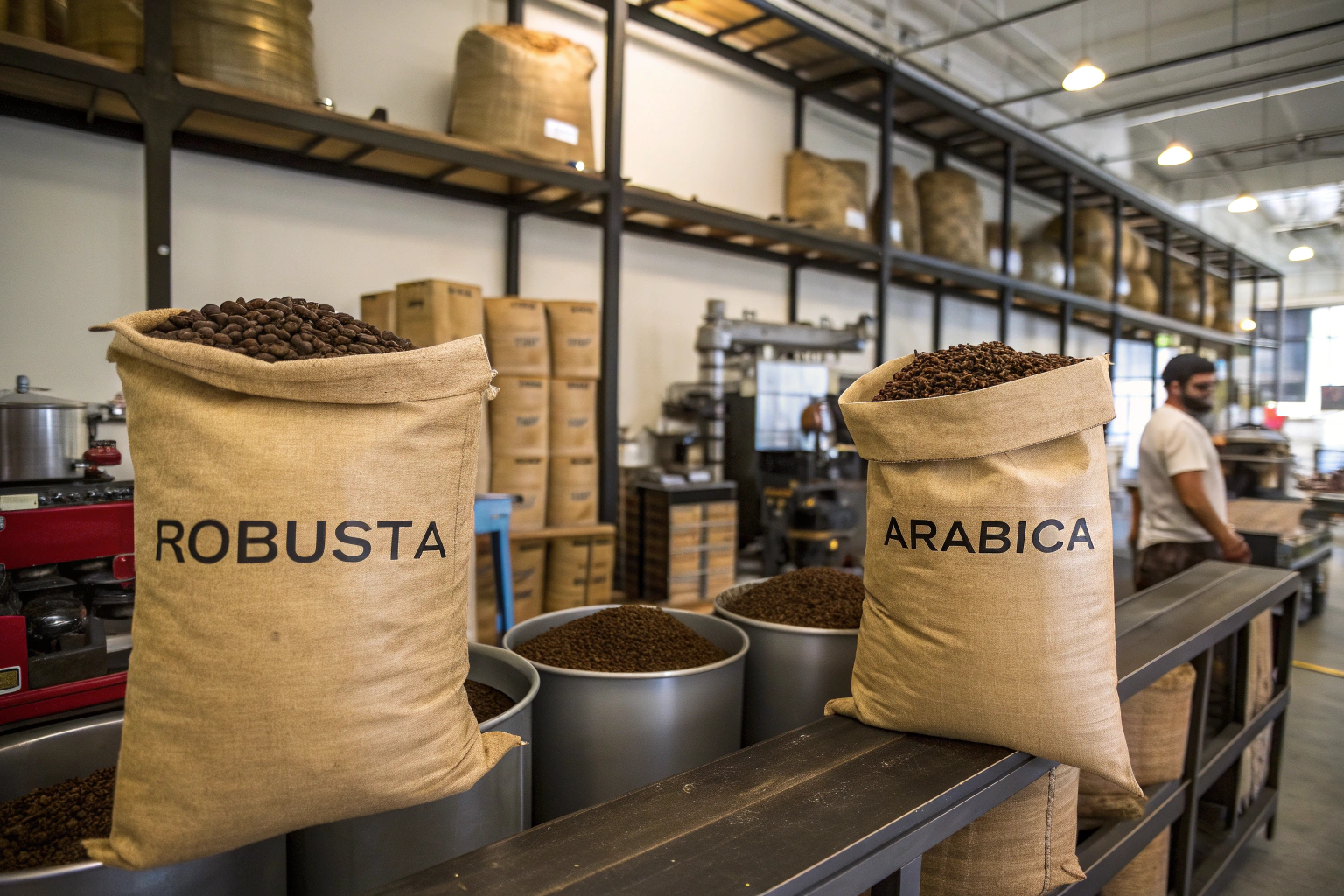
You have built your business on Robusta. It is cheap. It is strong. It delivers a caffeine punch. Your customers buy it for the price and the kick. But you feel the pull. The market is moving. The specialty wave is rising. Your competitors are roasting single-origin Arabica with fancy tasting notes. Your Robusta margins are shrinking. You want to move upmarket. You want to offer Arabica. But you are scared. The price is higher. The roasting is different. The customers are different. How do you make the leap without losing your existing base and without breaking your bank account? I have helped several roasters navigate this exact transition from our Baoshan farm. It is a journey, not a flip of a switch.
Transitioning from Robusta to Arabica requires a phased approach. You do not abandon your Robusta customers. You add an Arabica line, starting with a versatile washed lot that blends well and can be sold as a single origin. At BeanofCoffee, our washed Catimor Arabica is the perfect bridge. It offers the clean, sweet profile of specialty coffee at a price point that eases the financial shift.
Robusta and Arabica are different species with different economics, different roasting curves, and different customer bases. The transition is a strategic evolution, not a sudden break. Let me map out how you do it successfully.
Why Should You Keep a Robusta Component in Some Blends?
The temptation when you discover Arabica is to throw Robusta in the trash. That is a mistake. Robusta has a function. It is not just a cheap filler. It contributes body, crema, and caffeine to an espresso blend. A well-chosen Robusta is a valuable tool.
Robusta provides a thick crema and a strong, earthy base that many espresso drinkers in traditional markets still expect. At BeanofCoffee, I offer a high-grade, clean Yunnan Robusta that can be used as a 10% to 20% component in an Arabica espresso blend, boosting body without introducing dirty or rubbery defects.
You do not have to choose between Robusta and Arabica. You can use both, intelligently.
What Percentage of Robusta Works in a Specialty Espresso Blend?
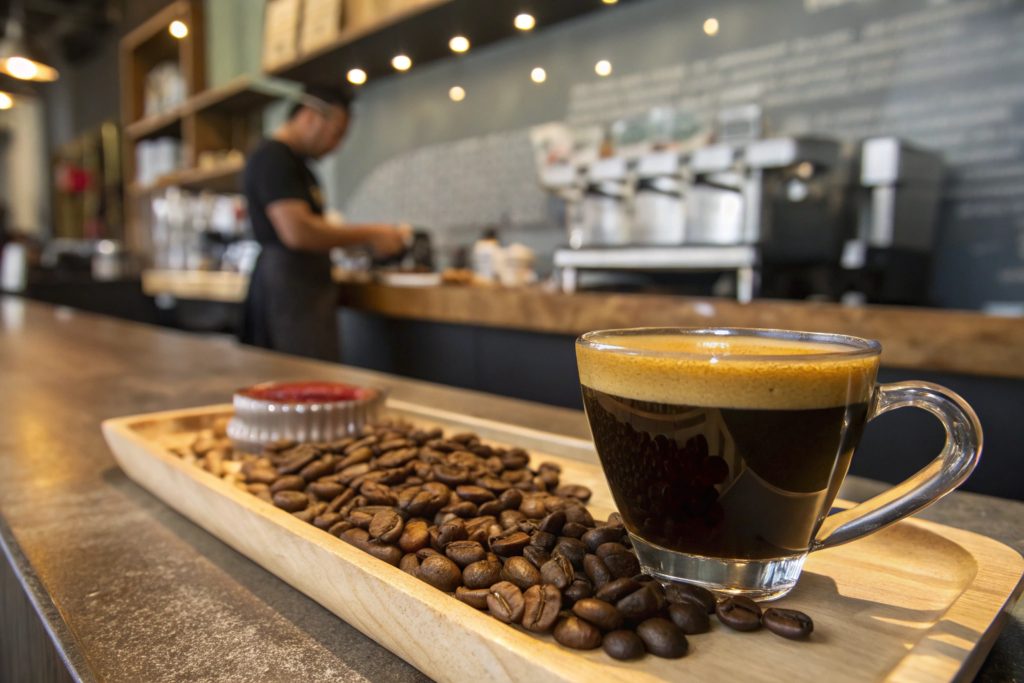
The classic Italian espresso blend often uses 10% to 30% Robusta. The exact percentage depends on the quality of the Robusta and the target flavor profile. A clean, washed Robusta from a quality-focused farm can be used at 15% to add a powerful crema layer and a caffeine boost without ruining the cup with a harsh, burnt note. A lower-quality, commodity Robusta will introduce unpleasant flavors even at 5%. Our Yunnan Robusta is not a commodity. It is grown at altitude, which is unusual for Robusta, and it is processed with the same care as our Arabica. It has a surprising sweetness and a clean, nutty finish. I recommend starting at 10% for a subtle effect. Experiment up to 20% if your market likes a stronger, more traditional espresso. The key is that the Robusta must be a quality ingredient, not a cost-cutting afterthought.
How Does a Clean Robusta Complement a Bright Arabica?
The flavor profiles of Robusta and Arabica are complementary opposites. Arabica brings acidity, sweetness, and floral or fruity notes. Robusta brings body, bitterness, and a deep, earthy foundation. A bright, high-acidity Arabica from a high-altitude farm can be almost too sharp on its own for a milk-based drink. Adding a small amount of clean Robusta rounds out the sharp edges. It anchors the espresso. The crema becomes thicker and more persistent. The mouthfeel becomes heavier and more syrupy. This is the art of blending. It is about creating a whole that is greater than the sum of its parts. Many roasters are surprised at how a high-quality Robusta can elevate their espresso blend. They think of Robusta as a downgrade. They are wrong. It is an upgrade, if you buy the right one.
What Is the Best Arabica Variety for a Robusta-Focused Roaster?
You are new to Arabica. You do not want to start with a delicate, expensive geisha or an exotic heirloom. Those coffees are difficult to roast and expensive to buy. You need a sturdy, forgiving, and affordable Arabica variety that is easy to work with and delivers a crowd-pleasing cup.
The best Arabica variety for a roaster transitioning from Robusta is Catimor. It is a resilient, productive variety that is widely grown in Yunnan. At BeanofCoffee, our washed Catimor lots are the workhorses of our Arabica program. They offer a clean, sweet cup with a gentle acidity, at a price point that is not a shocking jump from Robusta.
Catimor is the bridge. It is the training-wheels Arabica for a roaster learning the new species.
Why Is Washed Catimor More Forgiving Than a Delicate Heirloom?
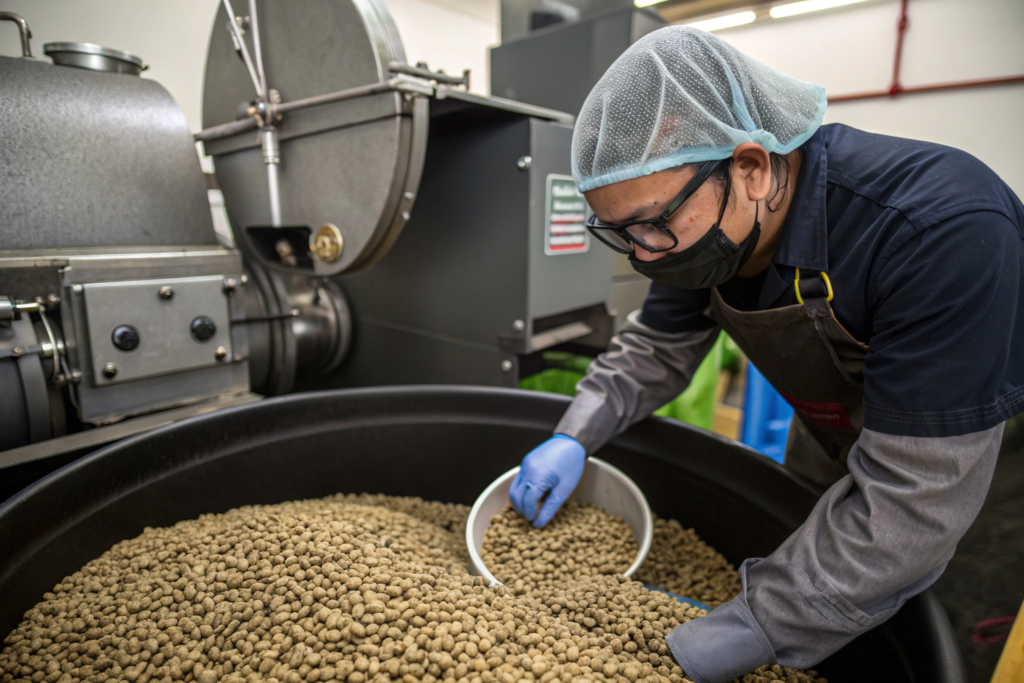
Roasting Arabica is different from roasting Robusta. Robusta is dense and tough. It can take a dark roast and a aggressive heat curve. A delicate Arabica heirloom is fragile. It can scorch. It can lose its nuance in an instant. Catimor sits in a forgiving middle ground. It has a robust structure, thanks to its Robusta heritage, which gives it a tolerance for darker roasts and a steadier heat curve. It does not require the surgical precision of a geisha. A roaster who is used to roasting Robusta will find Catimor familiar. It responds well to a medium roast, developing a chocolatey, nutty sweetness with a mild, pleasant acidity. It is a coffee that is hard to ruin. This makes it the ideal vehicle for learning the Arabica roasting craft without risking expensive green coffee.
How to Introduce Your Customers to the Taste Difference?
Your Robusta customers are used to a bitter, strong, earthy cup. If you suddenly hand them a light, fruity, acidic Arabica, they might recoil. "This tastes sour. This is weak." You need to manage the transition of their palates. Start by blending. Add 30% to 50% Catimor Arabica to your existing Robusta house blend. The change will be subtle. The cup will be smoother, a little sweeter, but still familiar. Talk to your customers about it. Explain that you are "upgrading" the blend with a higher-grade bean. Invite their feedback. As they get used to the new taste, you can gradually increase the Arabica percentage. Eventually, you introduce a standalone "Single Origin Yunnan Arabica" as a new product. By this point, their palates have been trained. They understand the vocabulary of acidity and sweetness. The transition is a gentle slope, not a cliff. This is how you bring your customers along with you, instead of losing them to a competitor down the street.
How to Price Your First Arabica Offering Without Scaring Customers?
The price gap is the big fear. Robusta is cheap. Arabica is more expensive. If you simply swap the price tags, your customers will notice and complain. You need a pricing strategy that communicates value and eases the sticker shock.
Your first Arabica offering should be priced to reflect its value, not just its cost. You do not try to match your Robusta price. You create a new category. At BeanofCoffee, my Arabica FOB prices are structured to give you a healthy margin while still being affordable for your customer base. The key is to market the Arabica as an upgrade, a premium product, not a replacement.
You are not selling the same coffee for more money. You are selling a different, better coffee.
What Is a Realistic Price Premium for a Washed Yunnan Arabica?
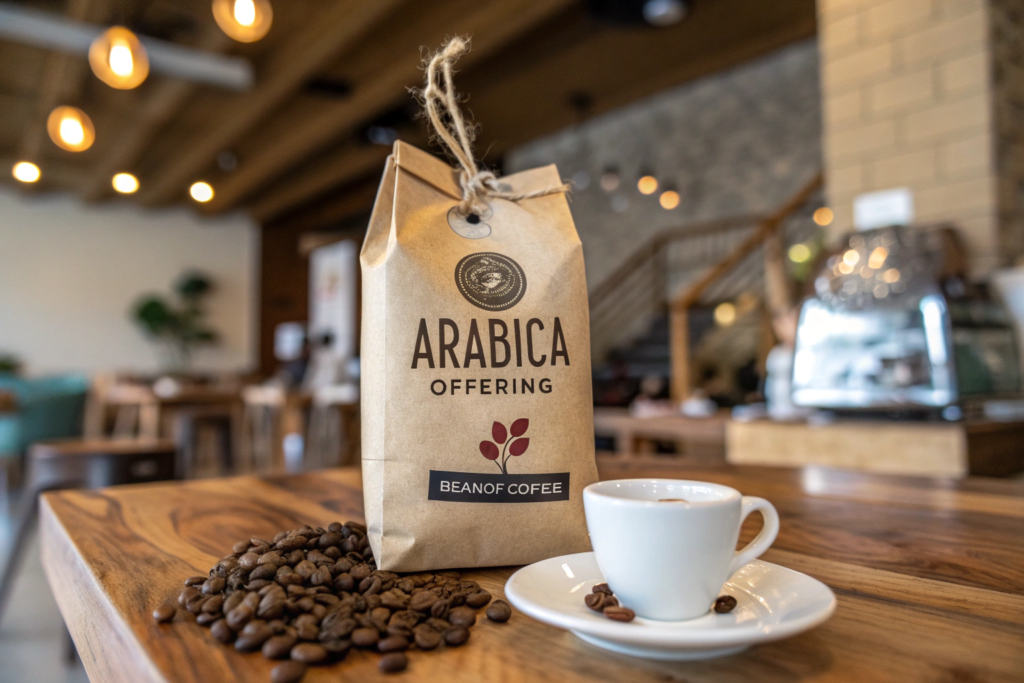
On the green coffee side, a washed Yunnan Arabica from Baoshan might cost $3.50 to $4.00 per pound FOB. A commodity Robusta might cost $1.50 to $2.00. This is a significant gap. On the retail side, you need to translate this into a consumer price that works. A bag of whole bean coffee that sold for $12 for a Robusta blend might sell for $16 to $18 for a single-origin Arabica. This is a 35% to 50% premium. It is not absurd. It is in line with what consumers pay for specialty coffee in most markets. The key is to frame it correctly. The bag should tell a story. The tasting notes should be specific. The origin should be prominent. When the customer sees the value, the price feels fair. If you just put a higher number on the same-looking bag, they will feel cheated. The premium must be visible.
How to Use a Tiered Product Line to Manage the Transition?
Do not replace your Robusta line. Add an Arabica line alongside it. Create a tiered structure. Tier 1 is your classic Robusta blend. The familiar, affordable everyday drink. Tier 2 is a new 50/50 blend, a "transition" product that introduces the Arabica taste at a moderate price. Tier 3 is the single-origin Yunnan Arabica, the premium offering. This three-tier approach lets your customers self-select. The price-sensitive ones stay at Tier 1. The curious ones try Tier 2. The connoisseurs jump to Tier 3. You are not forcing anyone. You are offering a ladder. Over time, as your customers' palates develop, they naturally climb the ladder. Your Robusta volume may shrink, but your Arabica volume grows. The transition happens organically, driven by customer choice, not by a top-down decision.
What Roasting Adjustments Are Needed When Moving to Arabica?
The roaster is your primary tool. The settings that worked for Robusta will not work for Arabica. The bean density is different. The moisture content is different. The chemical composition is different. You need to adjust your curves.
Arabica roasts differently from Robusta. It generally requires a more gentle, longer roast to develop its sugars and acidity without scorching. At BeanofCoffee, I provide my transitioning clients with roast profile suggestions for my specific lots, based on our own sample roasting and cupping. You are not alone in the learning curve.
The learning curve is part of the fun. It is a new craft.
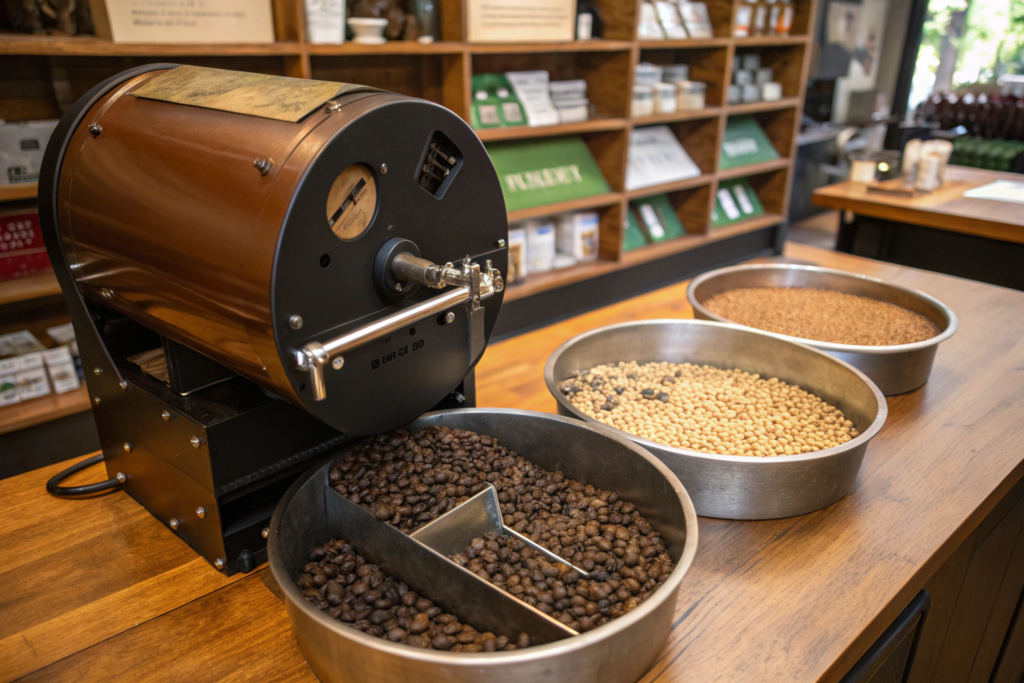
How Does the Roast Curve Differ Between the Two Species?
Robusta is dense and low in acidity. It can handle a high charge temperature and a fast, aggressive roast. Many Robusta roasters push straight through to a dark French or Italian roast. If you apply that curve to a washed Arabica, you will incinerate it. The high sugars in Arabica will burn. The volatile aromatics will evaporate. You will end up with a bitter, ashy, hollow cup. Arabica needs a more moderate charge temperature, a slower rate of rise, and a careful development phase. The goal is to develop the sugars into caramel and chocolate notes, while preserving the acidity. A typical washed Catimor might be dropped at a lighter or medium roast, not a dark roast. The roast time might be slightly longer, but the intensity of the heat is lower. It is a more delicate touch.
How to Use Sample Roasting to Master Your New Bean Before Committing?
Before you roast a full batch of your new Arabica, you must sample roast. This is a small-batch roast, often on a dedicated sample roaster or a very small production roaster. The purpose is to test the bean's response to heat. We do this ourselves in our cupping lab. We provide our clients with a suggested starting profile. But you need to adapt it to your specific machine. Start small. Roast a batch at a medium level. Cup it. Note the acidity, the sweetness, the body. Adjust the curve. Roast another batch. Cup it again. Repeat this process until you find the sweet spot for your palate and your machine. This is not wasted time. It is the core of the craft. A roaster who skips this step and throws a new Arabica into the production roaster on day one is gambling. Sample roasting is how you learn the bean.
Conclusion
Moving from Robusta to Arabica is a growth journey for your business. It is not a rejection of your past. It is an expansion of your future. You keep your Robusta for its functional role in blends and its appeal to traditional customers. You introduce a forgiving, affordable Arabica like our washed Catimor as the bridge. You manage the price transition with a tiered product line that lets customers climb at their own pace. You adjust your roasting curves with patience and sample roasting. And you communicate the story of the new coffee, the origin, the flavor, the difference. The result is a stronger, more diverse, more profitable coffee business.
Take the first step up the ladder. Contact me, Cathy Cai, at cathy@beanofcoffee.com. I will send you samples of both our high-grade Robusta and our washed Catimor Arabica. We can discuss blend ratios, roast profiles, and a pricing strategy that works for your market. The transition to Arabica is a path to a brighter future. Let's walk it together.