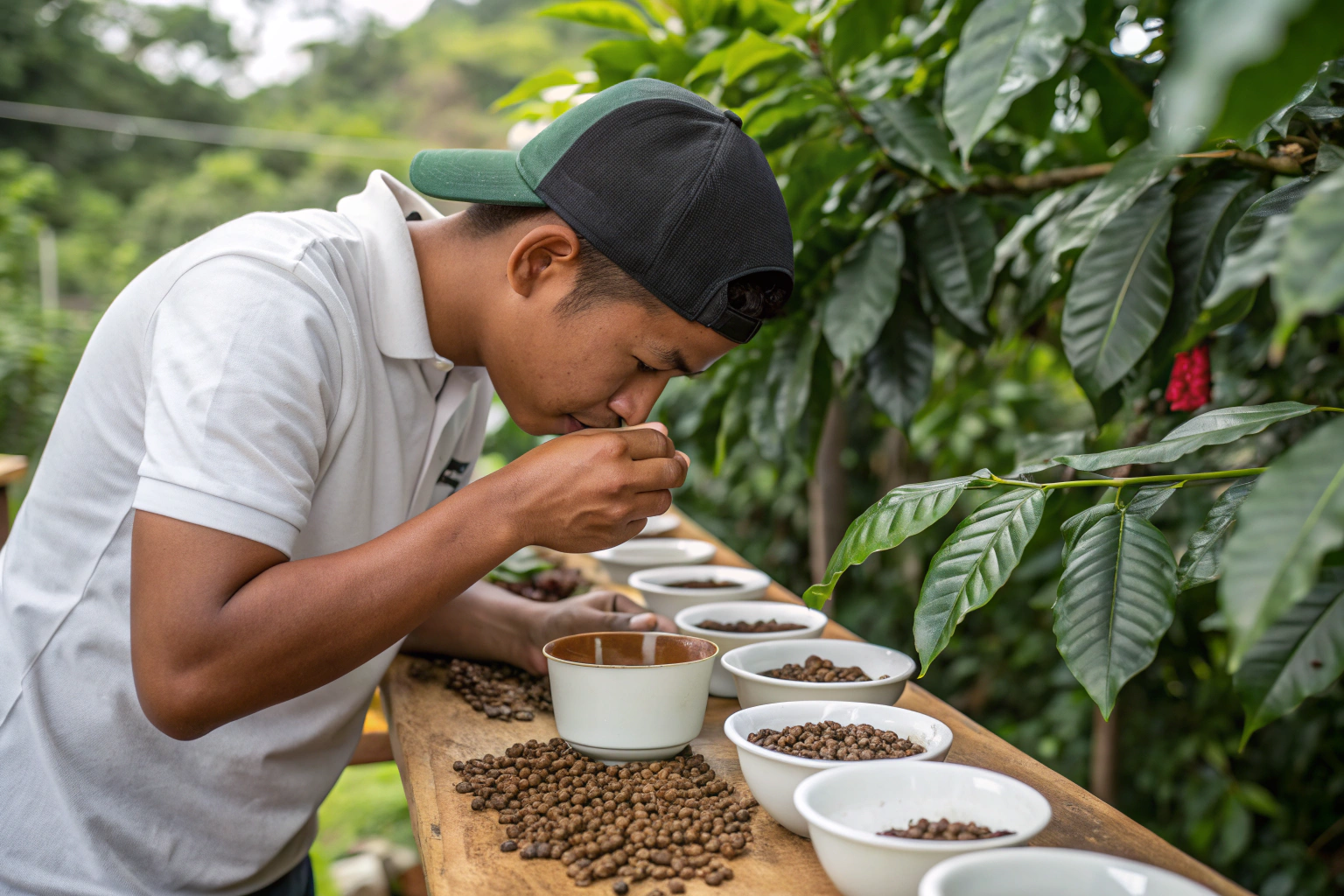
You cup a sample. It is brilliant. A crisp, sweet, clean Yunnan washed Arabica. You sign a contract for a full container. The coffee arrives. You roast it. You cup it. It is good, but it is not the same. The acidity is a bit muted. The body is a touch heavier. The magic is gone. You call the supplier. "This is not the same coffee." The supplier says, "Same grade, same farm, same process." And they are telling the truth. This is the fundamental challenge of green coffee. It is an agricultural product. Nature does not produce identical harvests. The pursuit of consistency is the pursuit of the impossible. And yet, the great suppliers get closer than anyone else.
Consistency is the holy grail because it allows a roaster to build a product, a brand, and a customer base on a stable foundation. At BeanofCoffee, I achieve consistency through strict lot separation, standardized processing protocols, and relentless quality control. You are not buying a random bag of beans. You are buying a controlled, repeatable flavor profile.
A roaster can handle a coffee that is consistently good. What they cannot handle is a coffee that is unpredictable. Predictability is more valuable than perfection. Let me explain how we chase the holy grail on our farm in Baoshan.
Why Does Harvest Variation Make Consistent Supply Difficult?
The enemy of consistency is biology. A coffee tree is a living organism. It responds to rain, sun, temperature, and soil. One year, the rains come early and the harvest is heavy. The next year, a dry spell hits during flowering and the yield is halved. The beans from these two years will look different and taste different.
Harvest variation is driven by weather cycles and the natural biennial rhythm of the coffee tree. A farm cannot eliminate this variation. It can only manage it through meticulous agronomy and post-harvest blending. At BeanofCoffee, I buffer this natural variation by blending lots from different blocks on our farm that share a similar flavor profile, creating a consistent export product.
The answer is not to fight nature. It is to work with nature, using the tools of selection and blending.
How Do Weather Patterns Impact Flavor Year Over Year?
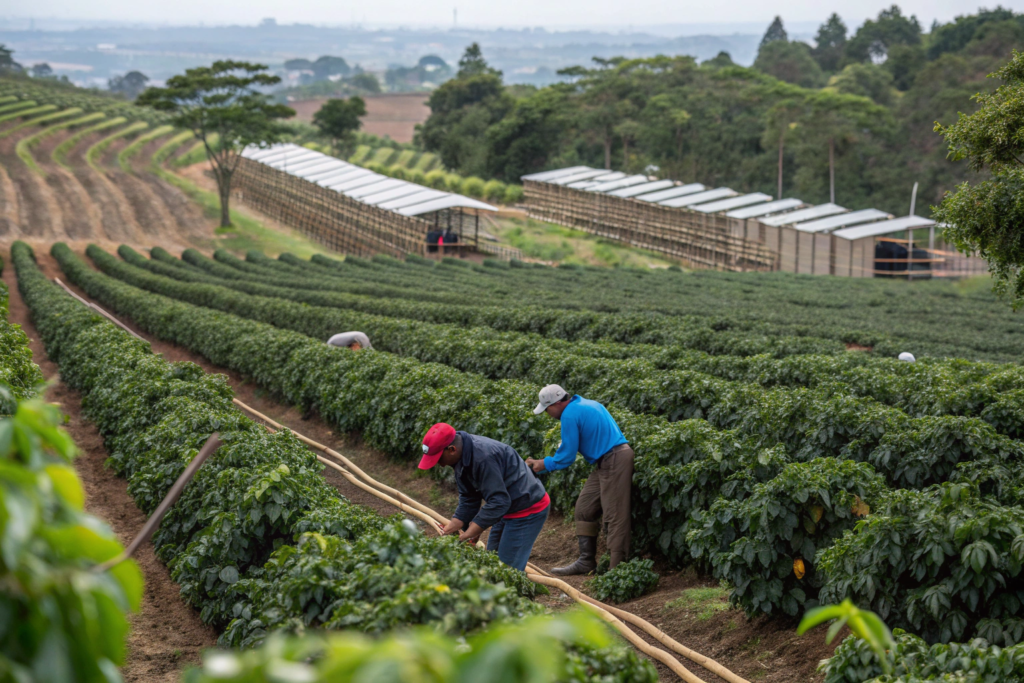
I wrote earlier about rainfall and its effect on quality. A wet harvest season produces larger, less dense beans with a softer acidity. A dry season produces smaller, denser beans with a sharper, more intense acidity. The same block of trees will produce a different cup profile depending on the weather of the year. A roaster who buys a single-farm, single-block micro-lot will experience this variation directly. The coffee from 2025 might be brilliant, and the coffee from 2026 might be merely good. For a micro-lot, this is acceptable. It is part of the story. But for a core blend or a flagship single-origin, this variation is a problem. Your customers expect the same taste every time they open a bag.
What Agronomic Practices Reduce Year-to-Year Variability?
We reduce variability in the field. We use targeted irrigation, as I described, to prevent drought stress. We manage our shade canopy to buffer extreme temperatures. We apply consistent fertilization, based on soil tests, so the trees receive the same nutrition every year. We prune on a strict schedule, maintaining a uniform tree architecture that produces uniform cherries. These agronomic practices reduce the stress on the trees. A less stressed tree produces a more predictable crop. It is not a guarantee, but it narrows the range of variation. The cup from a well-managed farm will be more consistent year-over-year than the cup from a neglected farm, even with the same weather.
How Does Lot Separation Create a Consistent Export Product?
The single biggest tool for consistency is separation. You do not dump all the harvest into one giant pile. You separate the harvest by block, by variety, by altitude, and by harvest date. Each lot is processed and stored separately. This gives you a library of flavor components.
Lot separation is the foundation of a consistent blend. At BeanofCoffee, I maintain dozens of separate lots throughout the harvest season. Each lot is cupped and scored. I then create export blends by combining lots that complement each other, hitting a specific target flavor profile, batch after batch.
Separation is the raw material. Blending is the craft.
What Is the Difference Between a Single Farm Lot and a Micro-Lot?
A single farm lot is the coffee from an entire farm, or a large section of it. It is a volume product. A micro-lot is a tiny, ultra-specific selection, often from a single block, a single day's picking, or a single processing experiment. A micro-lot is a unique expression of a moment in time. A single farm lot is the farm's signature. For a roaster seeking consistency, the single farm lot is the right choice. It is large enough to supply a steady demand over many months. It is blended to an even profile. A micro-lot is a special feature, a limited release. It is not a consistent supply. It is a one-off treasure. Do not confuse the two. They serve different purposes.
How Does Cupping Data Guide the Blending Process?
Every lot in our warehouse has a cupping score and a flavor description. Our cupping team, led by me, evaluates each lot for acidity, body, sweetness, and defects. We build a database. When it is time to prepare an export shipment for a client, we pull up the target profile. "Crisp malic acidity, medium body, brown sugar sweetness, clean black tea finish." We then select lots from our library that, when combined, will produce this profile. We might combine a lot with intense acidity with a lot with a heavy, sweet body. The blend is the art. We test the blend in our lab, cup it against the target, and adjust until it matches. This is how we deliver the same coffee to you, shipment after shipment. It is not magic. It is database-driven blending.
How to Verify a Supplier's Consistency Before You Commit?
You cannot taste consistency in a single sample. A single sample is just a snapshot. It tells you what the coffee tasted like on that day. It does not tell you what it will taste like in six months. You need evidence of consistency over time.
You verify consistency by requesting samples from multiple past lots, checking the supplier's historical cupping records, and asking for references from long-term clients who have bought the same product for years. At BeanofCoffee, I provide this data proactively. My consistency is documented, not just claimed.
The proof is in the pattern, not the anecdote.
Why Should You Request Three Consecutive Shipment Samples?
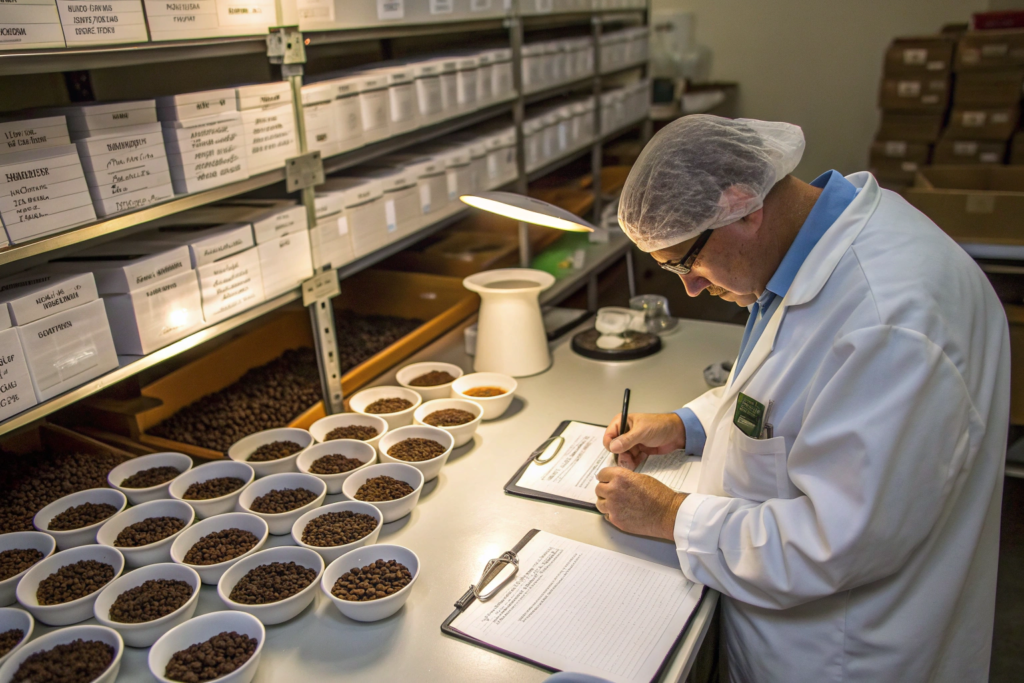
A single sample proves the supplier can produce one good batch. Three samples from three different shipments, spaced over several months, prove the supplier can replicate the result. Ask for samples from the past, not just the current lot. A supplier who is confident in their consistency will happily provide them. You should cup these samples side-by-side. Are they similar? Is the variation within an acceptable range? If the three samples taste like three different coffees, you know the consistency claim is false. If they taste like variations on a theme, you have found a supplier who knows what they are doing. This is a simple test, but it is rarely done. Be the buyer who does it.
How to Use a Supplier's Historical Cupping Records for Due Diligence?
A professional supplier keeps a record of every cupping. We have logs going back years. These records show the scores for each lot, the flavor notes, and the date. When you are doing due diligence on me, ask to see the cupping records for the specific product you are buying, over the last 12 months. Look at the trajectory. Are the scores stable? Is the flavor description consistent? A record that shows "86, 84, 87, 82, 86, 85" for a product line is a story of managed consistency. A record that shows "88, 80, 91, 77, 85" is a story of chaos. The data does not lie. A supplier who opens their cupping books is a supplier who is confident in their process. This is the level of transparency you should demand.
What Role Does Packaging and Storage Play in Delivering Consistency?
The coffee is blended to the perfect profile. It is bagged and shipped. But the journey is not done. Poor packaging or storage can destroy the consistency you paid for. The coffee can absorb moisture. It can fade. It can develop off-flavors.
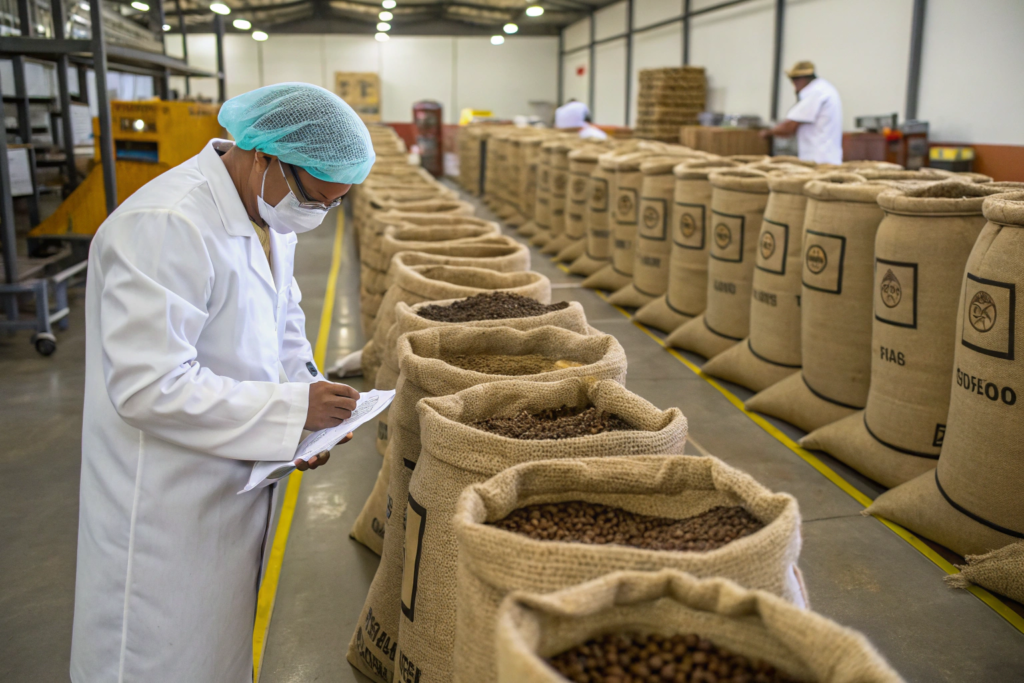
Packaging and storage are the guardians of consistency. At BeanofCoffee, I use GrainPro liners inside jute sacks, and I store the finished export lots in a climate-controlled warehouse. This ensures the coffee you receive is in the same condition as the coffee we cupped in our lab.
The chain of consistency must be unbroken from the cupping table to your roastery.
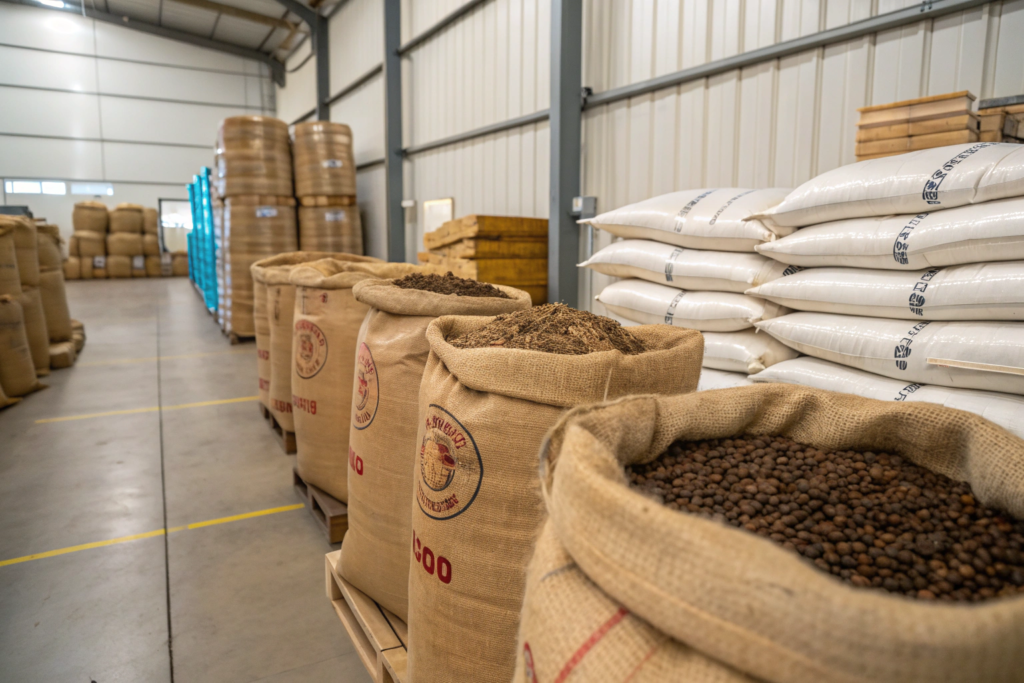
How Does GrainPro Lining Maintain Flavor Stability During Transit?
I have discussed GrainPro liners before. They are hermetic seals. They lock in the moisture level and the volatile aromatic compounds. Without a liner, a jute sack breathes. The coffee exchanges moisture with the air. In a humid container, it gains moisture. In a dry container, it loses it. These fluctuations degrade the flavor. The GrainPro liner stops this exchange. The coffee travels in a sealed capsule. When you open the bag at your roastery, the coffee is essentially the same as it was when it left our warehouse. This is a simple, inexpensive technology that makes a massive difference in consistency. It is the single best investment in protecting the quality of your green coffee shipment.
How Does Climate-Controlled Warehousing Prevent Flavor Degradation?
Green coffee ages. The clock is always ticking. Heat accelerates the clock. A coffee stored in a hot warehouse for three months will fade faster than a coffee stored in a cool, stable environment. Our export warehouse in Baoshan is not just a shed. It is climate-controlled. We keep the temperature steady and the humidity moderate. This slows the aging process. The coffee retains its acidity and sweetness longer. When you receive a container from us, you are receiving coffee that has been treated like a perishable product, which is exactly what it is. This care extends the shelf life and ensures that the consistency we created in the blend survives the storage period. A supplier who stores coffee in a hot metal container is not protecting your investment. They are slowly ruining it.
Conclusion
Consistency is the holy grail because it is the foundation of trust. Your customers trust that the bag of coffee they buy today will taste the same as the bag they bought last month. You trust that the supplier will deliver the product they promised. That trust is built on a system. It is built on agronomy that stabilizes the trees. It is built on lot separation and data-driven blending that smooths out the natural variation. It is built on transparent cupping records that prove the system works over time. And it is built on packaging and storage that protect the product from the farm to your roastery. This system is what I have built at BeanofCoffee. It is not a secret. It is just work. Consistent, careful, relentless work.
Taste the system. Contact me, Cathy Cai, at cathy@beanofcoffee.com. I will send you samples from three consecutive shipments of our washed Yunnan Arabica. Cup them side-by-side. Compare the cupping records. Then tell me if you see the consistency. I think you will. Then let's build a supply relationship that your customers can rely on, bag after bag.