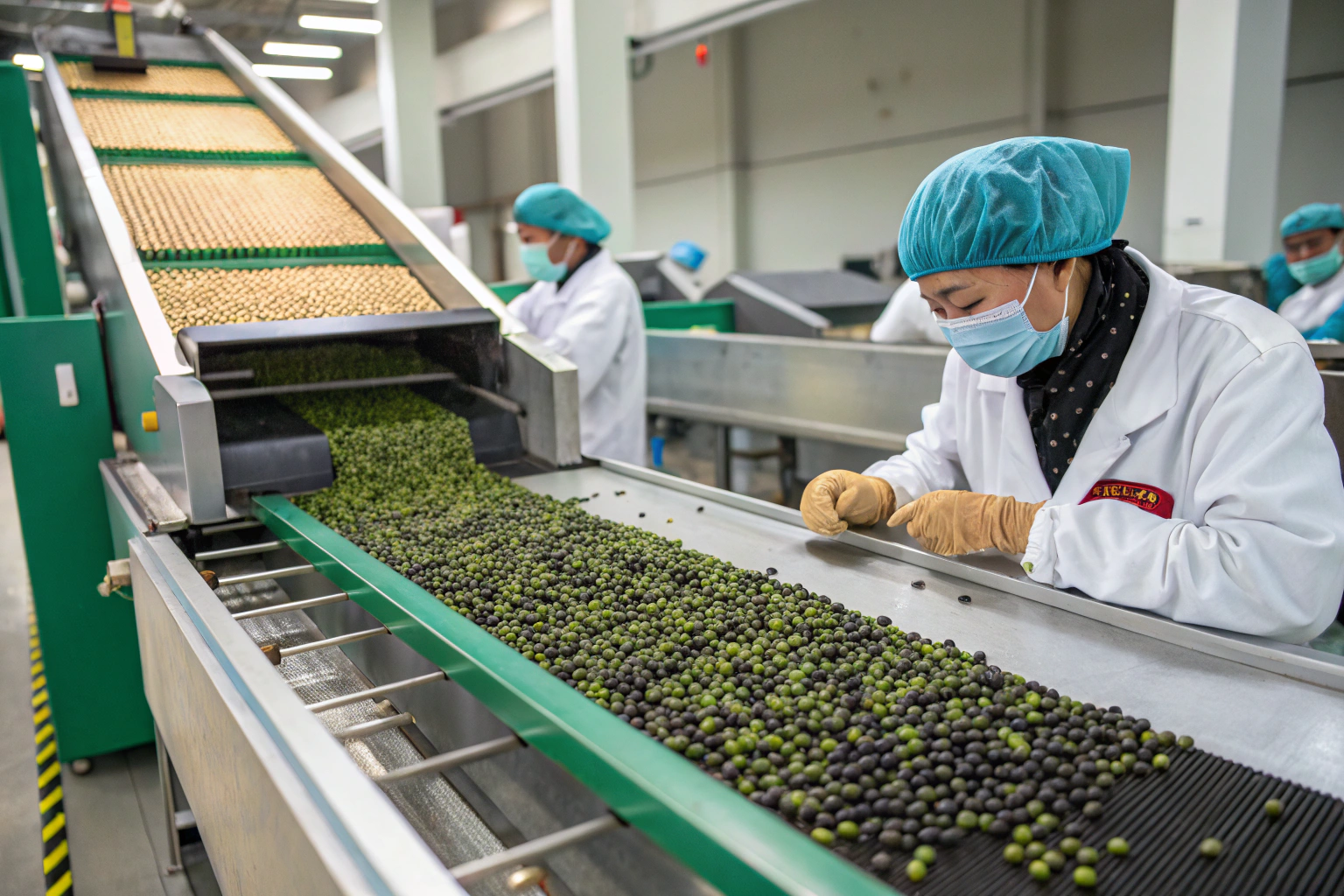
The first time I saw a colour sorter in action, I did not trust it. I thought my eyes were better. Then we ran a test. We put 50 kilograms of green beans through the machine and sorted another 50 kilograms by hand. The machine found defects my team missed. Small black beans. Slightly discolored beans. Tiny stones. It caught them all. That day changed how we run our mill in Baoshan City. A colour sorter is not a replacement for human skill. It is a tool that makes human skill stronger. At BeanofCoffee, we use colour sorters on every export lot. They help us keep quality stable for buyers in North America, Europe, and Australia.
So let me explain how a colour sorter works, why it matters, and how we use it to protect your roast.
What Is a Colour Sorter and How Does It Work?
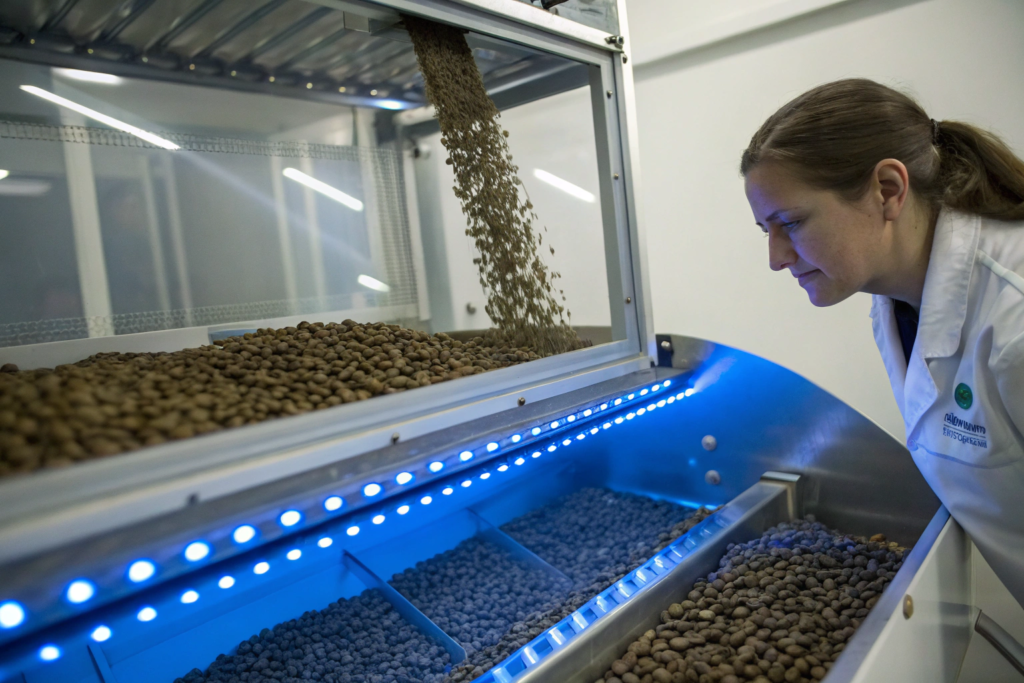
A colour sorter is an optical machine. It uses cameras and light to look at each bean. Then it compares the bean to a standard. If the bean does not match, a burst of air pushes it out of the stream. The good beans continue. The bad beans go into a reject bin. This happens very fast. A modern sorter can check thousands of beans per second. It can detect color, size, shape, and even texture. Some machines also use infrared light to find hidden defects. So the sorter is like a very fast inspector. It never gets tired. It never gets bored. It just keeps working. That consistency is why we trust it.
What types of defects can it detect?
A colour sorter can detect many defects. It finds black beans, sour beans, and faded beans. It finds stones, glass, and plastic. It finds sticks and husks. It can also find beans with insect damage. Some advanced machines detect mold. Others find beans with the wrong color due to fermentation problems. For coffee, the most common defects are black beans and sour beans. Both hurt the cup. A black bean can make a whole batch taste dirty. A sour bean can add a harsh, vinegary note. So removing them matters. The sorter does this better than any human can, because it never misses. You know, the human eye is good. But it gets tired after an hour.
How does the machine separate good beans from bad?
The machine separates beans with a simple system. First, beans move down a chute or a belt. Second, cameras take pictures of each bean. Third, a computer compares each picture to the standard. Fourth, if a bean fails, a nozzle shoots air at it. The air pushes the bad bean into a reject stream. The good beans fall into the accept stream. The whole process takes milliseconds. It is fast and clean. Different machines use different camera setups. Some use visible light. Some use infrared. Some use both. The goal is the same. Find the defect. Remove it. Keep the good beans moving.
Why Does Colour Sorting Matter for Coffee Quality?
Colour sorting matters because defects ruin flavor. One bad bean can change a whole cup. It can add bitterness, dirtiness, or a sour taste. It can also change the roast. Defective beans roast faster or slower than good beans. So they create uneven roasts. A roaster may see a dark spot in a batch and wonder why. Often, the answer is a defect the sorter should have removed. So colour sorting protects flavor. It also protects consistency. When every bag has the same low defect count, the roast behaves the same way. That is what buyers want. Stable, repeatable results. Ron, this is why I always share defect reports with buyers. It shows the work behind the cup.
How do defects affect the cup and the roast?
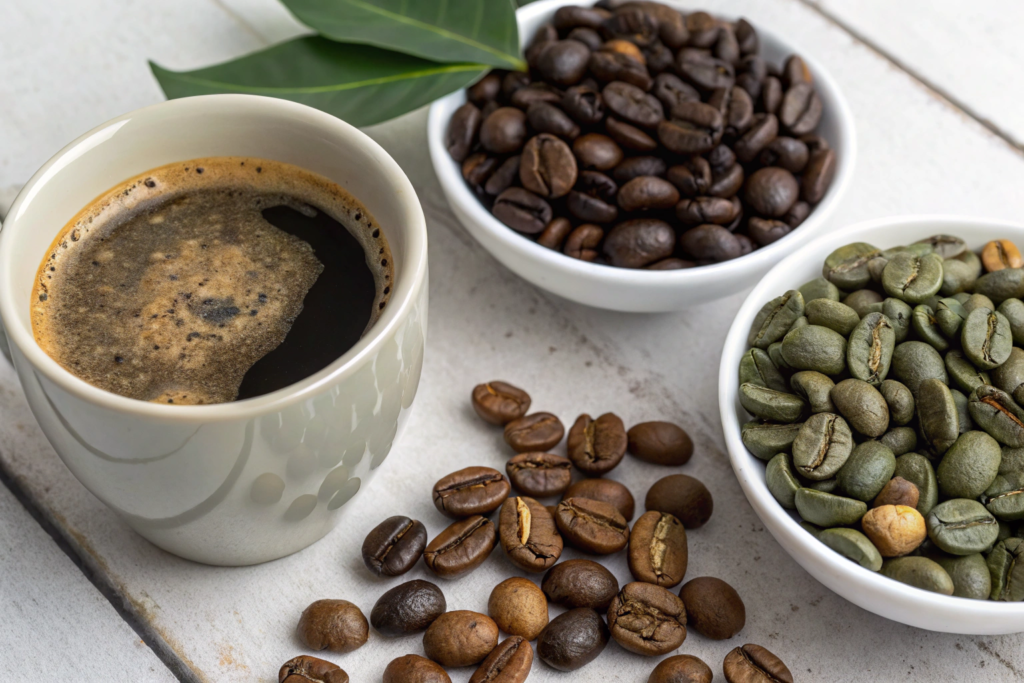
Defects affect the cup in clear ways. Black beans taste dirty and ashy. Sour beans taste harsh and vinegary. Moldy beans taste musty. Stones can damage a grinder. Sticks can cause a fire in the roaster. So defects are not just a cosmetic issue. They are a safety and flavor issue. Defects also affect the roast. A defective bean has different density and moisture. So it browns at a different speed. That creates uneven color in the batch. It also creates uneven flavor in the cup. A roaster with a clean green bean can trust the roast curve. A roaster with dirty green bean cannot. So colour sorting helps the roaster as much as the buyer.
What defect count should buyers expect?
Buyers should expect a low defect count. For specialty coffee, the standard is often zero to five defects per 300 grams. For commercial coffee, the count can be higher. But even commercial buyers want a clean product. We aim for a very low count on every export lot. We check it by hand after sorting. This gives us a double check. The machine catches most defects. The human eye catches the rest. Together, they give a clean result. So when a buyer asks about defect count, we can give a real number. Not a guess. A number from a test. That builds trust.
How Do We Set Up and Run the Sorter?
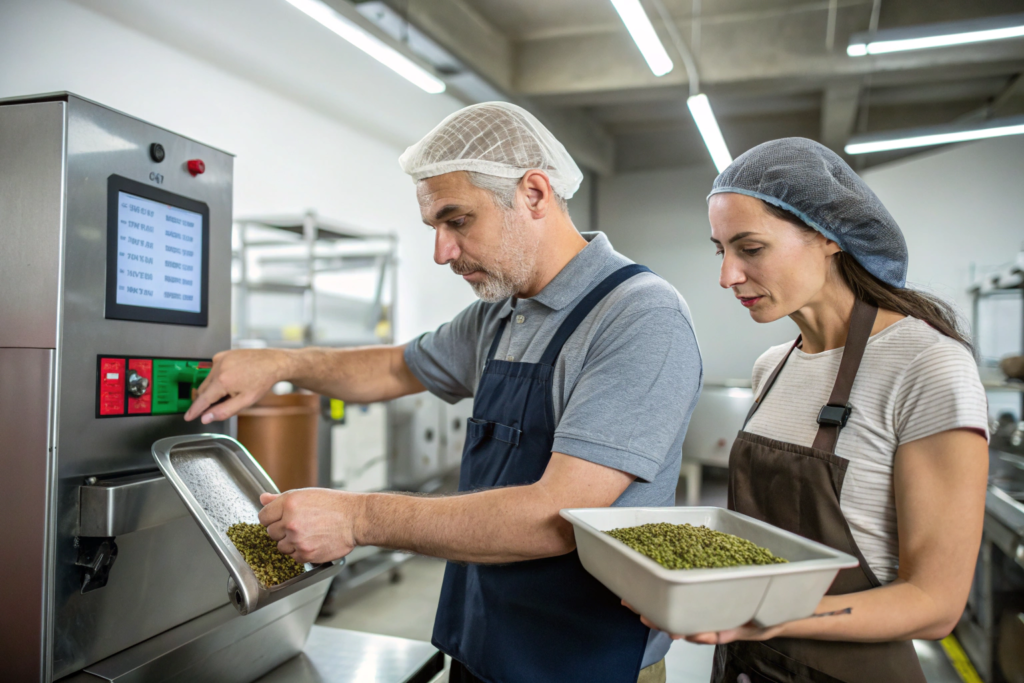
Setting up a colour sorter takes care and skill. You cannot just turn it on and walk away. First, you choose the right settings for the coffee. Catimor, Arabica, and Robusta all look different. So the sensitivity must match the lot. Second, you run a test batch. You check the accept stream and the reject stream. Third, you adjust the air pressure and the camera sensitivity. Fourth, you run the full lot. Then you check again. This process takes time. But it protects quality. We also clean the machine every day. Dust and chaff build up. They can block the cameras. So cleaning is part of the job. A dirty machine sorts poorly. A clean machine sorts well.
What settings matter most?
Several settings matter most. The first is sensitivity. If it is too high, the machine rejects good beans. That wastes money. If it is too low, the machine misses defects. That hurts quality. The second is air pressure. Too much air pushes good beans into the reject stream. Too little air fails to remove bad beans. The third is feed rate. If beans move too fast, the cameras may miss defects. If they move too slow, you lose capacity. The fourth is light type. Some defects show better under infrared. Others show better under visible light. So the operator must know the coffee. Experience matters here. A good operator gets more from the machine.
How do we check the sorter's accuracy?
We check accuracy with a simple method. We take a sample from the accept stream. Then we inspect it by hand. We count any defects we find. If the count is low, the machine is working well. If the count is high, we adjust the settings. We also check the reject stream. We look for good beans in the reject bin. If we find many, the machine is too aggressive. So we balance both sides. This check takes maybe fifteen minutes. But it saves hours of rework later. We do it at the start of every shift. We also do it after any setting change. This habit keeps quality high.
What Are the Limits of Colour Sorting?
A colour sorter is powerful. But it is not perfect. It cannot fix bad farming. It cannot fix bad processing. It cannot fix bad storage. If the cherries were picked too early, the beans will be poor. No machine can change that. It also cannot detect every flavor defect. Some defects are invisible. A bean can look perfect and still taste bad. So cupping is still necessary. The machine handles the visible problems. The cupper handles the invisible ones. Together, they give a full picture. So do not expect the sorter to do everything. Expect it to do its job well. Then do the rest with good farming and careful testing.
What can the machine not detect?
The machine cannot detect some important things. It cannot detect flavor. It cannot detect aroma. It cannot detect a bean that looks fine but tastes sour. It cannot detect chemical residues. It cannot detect moisture content. It cannot detect age. So the sorter is one tool among many. We still test moisture. We still cup every lot. We still check for food safety standards. The sorter reduces visible defects. The other tests cover the rest. So the sorter is not a shortcut. It is a step in a longer process. A good process uses every tool well.
How does sorting compare to hand picking?
Sorting compares well to hand picking, but they work best together. Hand picking is flexible. A human can spot unusual defects. A human can also judge context. But humans are slow. Humans get tired. Humans make mistakes. The machine is fast. The machine is consistent. The machine never gets tired. So the best system uses both. We hand pick first to remove large defects. Then we run the sorter to catch small ones. Then we hand check a sample to confirm. This layered approach gives the cleanest result. It also gives buyers confidence. You know, two checks are better than one. Three are even better.
Conclusion
A colour sorter is a simple idea with a big impact. It looks at each bean. It removes the bad ones. It keeps the good ones. That process protects flavor, protects the roast, and protects your brand. We use colour sorters on every export lot at BeanofCoffee. We also check the results by hand. And we cup every lot before it ships. So our buyers get a clean, stable product. If you want green coffee with a low defect count, we can help. Please contact Cathy Cai at cathy@beanofcoffee.com to discuss your next order with BeanofCoffee. We will share our defect reports and our sorting process with you.