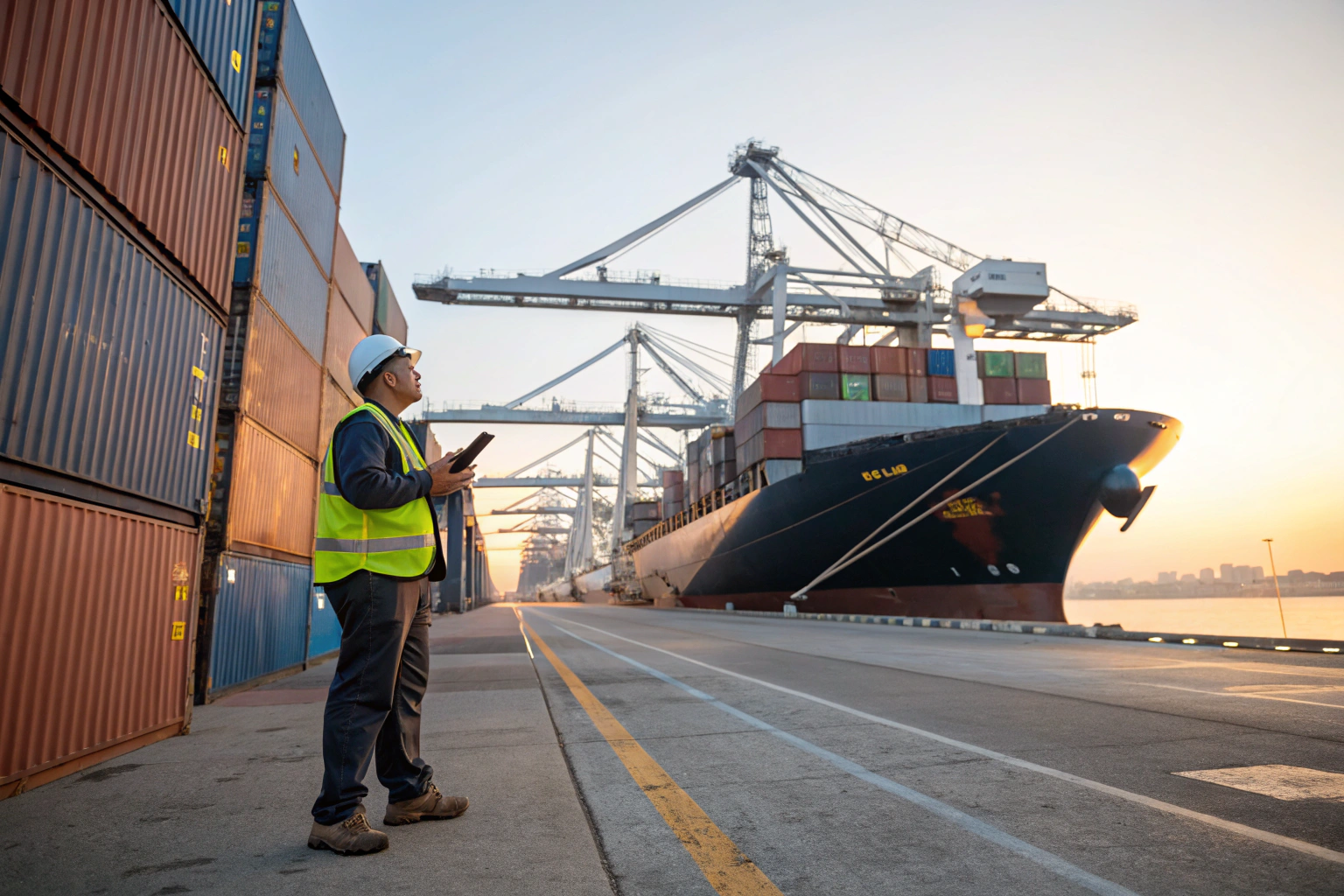
I still remember the first time a container of ours got flagged at the Port of Los Angeles. The coffee was fine. The paperwork was not. A tiny data mistake in the Importer Security Filing turned into five extra days of storage fees. My buyer was furious. He did not care that the beans were great. He cared that his roast schedule broke. That week taught me a lesson I never forgot. ISF is not paperwork. It is a gate. If you pass it clean, your coffee moves. If you fail it, your coffee sits. And sitting coffee costs money every single day. At BeanofCoffee, we now treat ISF as part of quality control, right next to cupping and moisture checks.
So let me explain what ISF is, why it matters for coffee, and how we keep it clean for our buyers.
What Is an Importer Security Filing?
The Importer Security Filing is a U.S. Customs and Border Protection rule. Most people just call it ISF. Sometimes people call it "10+2" because of the data elements involved. It applies to ocean freight coming into the United States. The importer, or their agent, must file it before the cargo loads at the foreign port. That last part is important. It is not filed when the ship arrives. It is filed before the ship even leaves. So timing is tight. The filing includes details about the seller, the buyer, the manufacturer, the goods, and the route. If any piece is wrong or late, CBP can flag the container. Then you get delays, fines, or both. It sounds simple. But one wrong number can cause real pain.

Who files the ISF and when?
The importer of record is responsible for the ISF. In most cases, a customs broker files it on the importer's behalf. The deadline is 24 hours before the cargo is loaded onto the vessel at the foreign port. That is a hard deadline. If the ship sails without a filed ISF, you have a problem. You can still file, but you may face penalties. So the safest path is early filing. We send our shipping documents to buyers as soon as we have them. That gives the broker time. It also gives us time to fix mistakes before they become expensive. Honestly, most ISF problems come from rushing. Early paperwork solves most of them.
What are the "10+2" data elements?
The "10+2" name comes from the data required. There are ten elements from the importer and two from the carrier. The importer side includes the manufacturer name and address, the seller, the buyer, the ship-to party, the country of origin, the commodity HTS number, the container stuffing location, the consolidator, the importer of record number, and the consignee number. The carrier side includes the vessel stow plan and the container status messages. For coffee, the key items are the manufacturer, the country of origin, and the HTS code. If you list the wrong manufacturer or a vague origin, CBP may hold the container. So be exact. "Yunnan, China" is better than just "China." Details matter here.
Why Does ISF Matter for Coffee Shipments?
Coffee is a perishable product in a practical sense. Green beans do not rot like fruit, but they age. They absorb moisture. They pick up odors. Every extra day at port adds risk. A delay also costs money. You pay storage, demurrage, and sometimes extra trucking. If you run a roastery, a late container can shut down production. I have seen buyers lose wholesale accounts because a shipment sat too long. So ISF is not just a customs issue. It is a supply chain issue. A clean ISF keeps your coffee moving. A messy one stops everything. Ron, this is why I always ask my buyers who their broker is. A good broker is worth every dollar.
What happens if the ISF is late or wrong?
If the ISF is late or wrong, several things can happen. First, CBP may issue a "Do Not Load" order. That means your coffee does not get on the ship. Second, if it arrives anyway, CBP can hold the container for inspection. Third, you may face fines. The penalty for a late or missing ISF can be thousands of dollars per violation. On top of that, you pay storage and demurrage. A five-day hold can cost more than the freight itself. That is why I say ISF is cheap insurance. Filing costs a small fee. Not filing costs a fortune. The math is simple.
How do delays affect coffee quality?
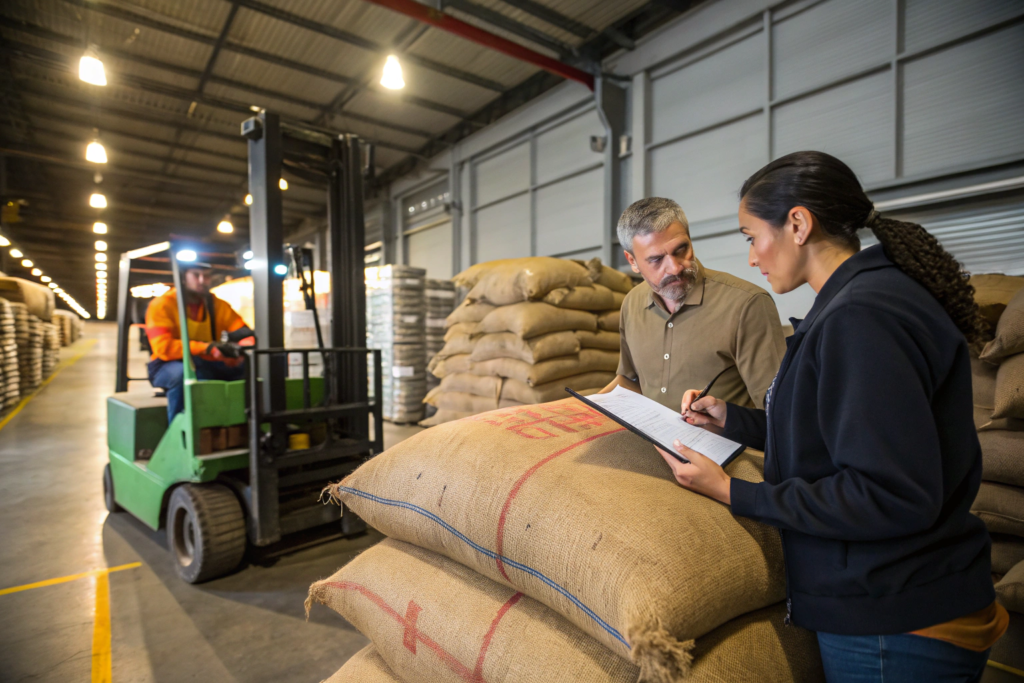
Delays affect coffee quality in quiet ways. Green coffee breathes. If a container sits in the sun, heat builds inside. Moisture moves. Beans can sweat. Mold can start. Even without mold, the flavor can flatten. The beans lose brightness. A roaster may not notice at first. Then the roast profile changes. Then customers notice. So a delay is not just a money problem. It is a quality problem. This is why we plan shipments around realistic timelines. We do not promise miracles. We promise good planning. And good planning starts with clean documents.
How Do We Prevent ISF Problems?
We prevent ISF problems with a simple system. First, we collect all documents early. Second, we double-check every data point. Third, we send everything to the buyer and broker before the vessel loads. This gives everyone time to review. We also keep a checklist for each shipment. It covers the manufacturer, origin, HTS code, and consignee. If something looks off, we fix it before filing. This sounds basic. But basic systems beat smart guesses. I have seen too many exporters rush the paperwork and blame the broker later. That is not fair. The exporter controls the source data. So the exporter should get it right.
What documents do we prepare for buyers?
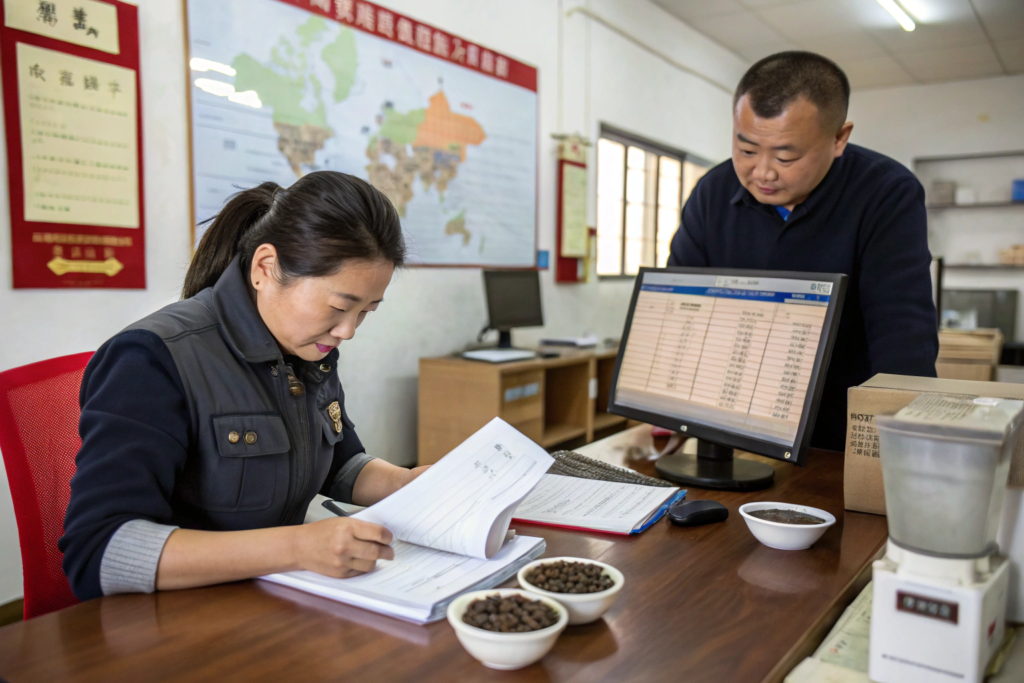
We prepare a full document package for every shipment. It includes the commercial invoice, the packing list, the bill of lading, the certificate of origin, and the phytosanitary certificate. We also include food safety documents and any test reports the buyer needs. For U.S. buyers, we make sure the manufacturer and origin data match the ISF filing. We send these files by email and cloud link. Buyers can forward them straight to their broker. This saves time and prevents mistakes. You know, a clean document package is like a clean cup. It shows care.
How can buyers avoid costly mistakes?
Buyers can avoid costly mistakes by doing three things. First, choose a broker who knows coffee. Coffee has specific HTS codes and rules. A general broker may miss details. Second, review the ISF data before filing. Do not assume your supplier got it right. Check the manufacturer name, the origin, and the consignee. Third, communicate early. Tell your supplier your broker's contact info. Tell your broker the shipment schedule. Keep everyone on the same page. One more tip: keep a copy of every filing. If CBP asks questions later, you have proof. This simple habit has saved many buyers from stress.
What Are the Costs of Getting It Wrong?
The costs of getting ISF wrong add up fast. There is the ISF penalty itself. There are storage fees at the port. There is demurrage if the container sits too long. There is extra trucking if the delivery date changes. There is lost sales if your roast schedule breaks. And there is the hidden cost of a damaged reputation. If your wholesale clients cannot get their coffee, they may find another roaster. That is the worst cost of all. I once calculated a five-day hold for a small container. The total extra cost was more than 15 percent of the shipment value. That is a huge hit. No buyer wants that. No exporter wants that either.

What are the direct and indirect costs?
Direct costs are easy to see. They include fines, storage, demurrage, and extra trucking. Indirect costs are harder to see. They include lost sales, unhappy customers, and wasted staff time. Your team spends hours on the phone instead of roasting or selling. That time has value. There is also the cost of uncertainty. When you do not know when your coffee will arrive, you cannot plan production. You cannot promise delivery dates. You cannot grow. So the indirect costs often exceed the direct ones. That is why smart buyers treat ISF as a priority, not an afterthought.
How does a clean ISF protect your margin?
A clean ISF protects your margin in a simple way. It keeps your costs predictable. No surprise fines. No surprise storage bills. No rush trucking fees. Your coffee arrives on schedule. Your roastery stays busy. Your customers stay happy. Predictable costs mean predictable pricing. That helps you compete. It also helps you negotiate better terms with your supplier. When you are a reliable buyer, exporters give you better service. That is how the whole chain improves. So ISF is not a burden. It is a tool for better business.
Conclusion
The Importer Security Filing is one of those topics that feels boring until it costs you money. Then it becomes very interesting. A clean ISF keeps your coffee moving. A messy one stops it. The rule is simple. File early. File accurately. Use a broker who knows coffee. And work with an exporter who prepares clean documents. We learned this lesson the hard way, and now we build ISF into our export process from day one. If you import coffee from China, we can make this part easy for you. Please contact Cathy Cai at cathy@beanofcoffee.com to discuss your next shipment with BeanofCoffee. We will prepare the documents, share the data early, and help your broker file with confidence.